Treatment for Paget’s Disease Breast: How It Works, Results and What to Expect

Paget's disease of the breast is an uncommon condition affecting the nipple and areola that is often linked with ductal carcinoma in situ or invasive breast cancer. A biopsy of the nipple or areola and breast imaging are essential before treatment decisions are made.
Key Takeaways
- Paget's disease of the breast is an uncommon condition affecting the nipple and areola that is often linked with ductal carcinoma in situ or invasive breast cancer.
- A biopsy of the nipple or areola and breast imaging are essential before treatment decisions are made.
- Surgery may involve breast-conserving surgery with removal of the nipple-areola complex or mastectomy, depending on the extent of disease.
- Additional treatment is individualized according to lymph node findings, tumor stage, hormone receptor status, HER2 status, and other pathology results.
- Persistent nipple changes should be assessed by a qualified clinician rather than treated as eczema without a diagnosis.
Treatment for Paget's disease of the breast is planned according to whether cancer is present elsewhere in the breast and its characteristics. Surgery is usually the main treatment, with radiation therapy, hormone therapy, targeted therapy, chemotherapy, or immunotherapy considered when clinically appropriate.
Overview: How treatment for Paget's disease breast works
Treatment for Paget’s disease breast usually begins with surgery to remove the affected nipple-area tissue and any cancer found within the breast. The most suitable operation and any additional therapy depend on detailed pathology and imaging results, including whether there is ductal carcinoma in situ (DCIS), invasive breast cancer, or no detectable underlying tumor.
Paget’s disease of the breast is a rare condition in which abnormal cells are found in the epidermis of the nipple, often extending to the areola. It may look like a persistent red, scaly, crusted, itchy, or sore nipple rash. In many people, it is associated with cancer in the milk ducts beneath or elsewhere in the breast, which is why a careful breast cancer assessment is important.
Care is usually coordinated by a breast surgeon, radiologist, pathologist, medical oncologist, radiation oncologist, breast care nurse, and reconstructive surgeon where needed. The aim is to treat the known disease thoroughly while considering breast appearance, recovery, personal preferences, and long-term follow-up.
How is Paget's disease of the breast diagnosed and staged?
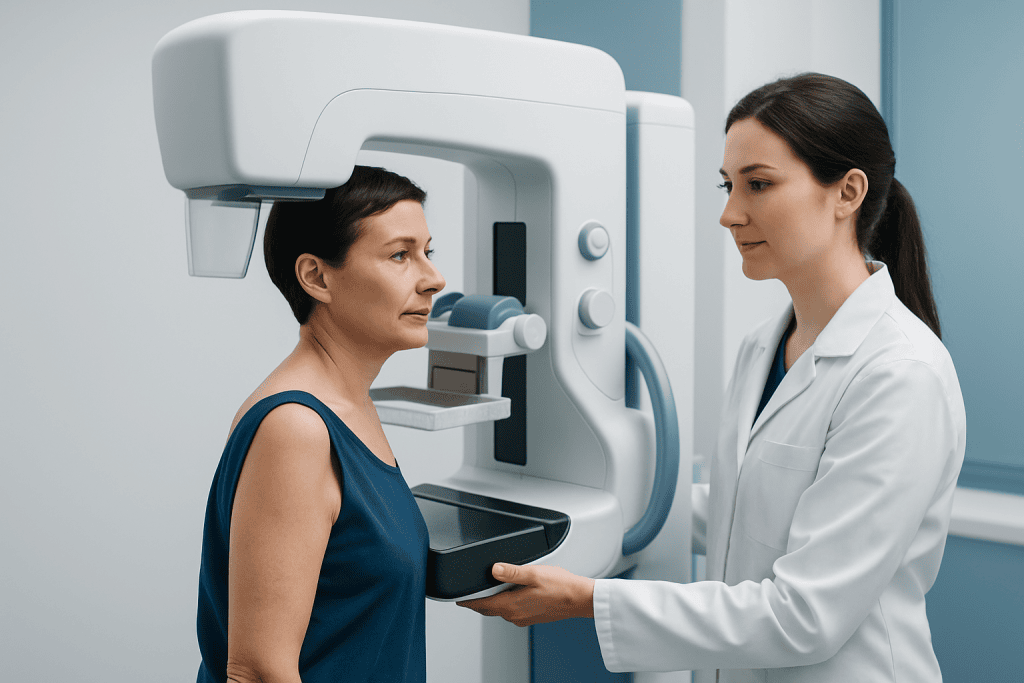
Diagnosis requires a biopsy of the changed nipple or areola skin. A clinician may use a punch biopsy, wedge biopsy, or another technique to obtain a tissue sample. A pathologist examines the sample for Paget cells and may perform tests that help clarify whether the cells have features associated with breast cancer.
Breast imaging is then used to look for disease beneath the nipple or elsewhere in the breast. This may include mammography and breast ultrasound. Breast magnetic resonance imaging (MRI) can be helpful when standard imaging does not explain the nipple changes or when doctors need to define the full extent of disease before surgery.
If invasive cancer is identified, the team assesses tumor size, lymph nodes, and tumor biology. Tests commonly include estrogen and progesterone receptor testing and HER2 testing. These results guide decisions about surgery, radiation therapy, and medicines that may reduce the risk of recurrence.
- DCIS: abnormal cells remain within the milk ducts.
- Invasive breast cancer: cancer cells have spread beyond the duct into surrounding breast tissue.
- Lymph node assessment: may be recommended when invasive cancer is present or cannot be excluded.
What can be mistaken for Paget's disease of the breast?

Paget’s disease of the breast can be mistaken for common skin conditions, particularly eczema, contact dermatitis, psoriasis, fungal infection, or irritation from clothing, soaps, creams, or breastfeeding. These conditions can also cause redness, flaking, itching, soreness, and crusting around the nipple.
However, ordinary eczema more often affects both nipples or other areas of the body and may improve with appropriate skin treatment. Paget’s disease commonly affects one nipple and may persist or progress despite standard topical treatments. It can also cause nipple flattening or inversion, discharge, bleeding, a lump, or ulceration, although not every person has these features.
Symptoms alone cannot reliably distinguish skin irritation from Paget’s disease. A persistent one-sided nipple or areola change should be reviewed by a clinician, especially if it does not settle, recurs, or is associated with a breast lump. A biopsy is the definitive way to establish the diagnosis.
Surgery and other treatment options: a step-by-step approach
After diagnosis, the multidisciplinary team reviews imaging, biopsy findings, general health, and individual priorities. The first major decision is whether breast-conserving surgery is feasible. If the disease is localized and the breast can be treated adequately while preserving a satisfactory result, the surgeon may remove the nipple-areola complex and the underlying breast tissue containing the cancer. This is often followed by radiation therapy to the remaining breast tissue.
Mastectomy may be recommended when cancer is widespread, there are several separate areas of disease, clear margins cannot reasonably be achieved with breast-conserving surgery, radiation is not suitable, or a person prefers this option. Reconstruction can sometimes be performed at the same operation or later. For people with invasive cancer, a sentinel lymph node biopsy may be performed during surgery to check whether cancer has reached nearby underarm lymph nodes.
Further treatment is based on the final surgical pathology. Radiation therapy is commonly used after breast-conserving surgery. Hormone therapy may be advised for hormone receptor-positive cancer. HER2-targeted medicines may be considered for HER2-positive disease, while chemotherapy or immunotherapy may be appropriate for selected invasive cancers depending on stage and biology. These treatments address the underlying breast cancer rather than the surface nipple change alone.
The surgical plan should be individualized. Breast cancer treatment may include breast surgery, lymph node assessment, radiation oncology, and systemic therapies selected according to evidence-based cancer care principles.
Who may be a candidate, and what happens on the day of surgery?
Most people diagnosed with Paget’s disease of the breast are candidates for treatment, but the type and sequence of treatment vary. Suitability for breast-conserving surgery depends on the size and location of the underlying disease, breast size, imaging findings, ability to receive radiation afterward, previous treatments, and personal preferences. Mastectomy may be more appropriate for more extensive disease or when conservation would not be expected to provide clear margins.
Before surgery, the care team reviews medical history, current medicines, allergies, anesthesia considerations, and any need for additional tests. If a breast lesion is not easily felt, a radiologist may place a marker or guide the surgeon using imaging. Discussions may also cover reconstruction choices, expected scars, nipple reconstruction or tattooing options, and practical support at home after the procedure.
On the day of surgery, the procedure is generally performed under general anesthesia. The surgeon removes the planned breast tissue and sends it to pathology. If a sentinel lymph node biopsy is needed, a tracer and sometimes a small amount of blue dye helps identify the first draining lymph nodes for removal. The final pathology report, available after the operation, helps determine whether any further treatment is recommended.
Recovery timeline, benefits, and possible risks
Recovery varies with the type of operation, reconstruction, lymph node surgery, and overall health. Many people return home the same day after a smaller breast operation, while mastectomy or reconstruction may require a longer hospital stay. Early recovery commonly includes tenderness, swelling, bruising, fatigue, and temporary restriction of arm movement on the treated side.
The surgical team provides individualized wound care, drain instructions when drains are used, pain-relief guidance, and information about safe activity. Gentle arm exercises may be recommended to restore mobility. Many people gradually resume light daily activities within days to a few weeks, while recovery after larger operations or reconstruction can take several weeks or longer. Radiation therapy and systemic treatment have their own schedules and possible side effects.
The main benefit of treatment is removal and control of Paget’s disease and any associated breast cancer. Risks differ by procedure but can include bleeding, infection, fluid collection, delayed wound healing, scarring, altered breast sensation, shoulder stiffness, asymmetry, and anesthesia-related complications. Lymph node surgery can rarely contribute to arm swelling known as lymphedema. The team explains the expected benefits and risks in the context of the individual’s treatment plan.
Is Paget's disease cancer? Does Paget disease cause pain?
Paget’s disease of the breast is considered a form of breast cancer affecting the nipple and areola. In most cases, it occurs together with DCIS or invasive cancer within the breast. The exact outlook depends primarily on whether an underlying cancer is present, whether it is invasive, its stage, lymph node status, and tumor characteristics.
It may cause itching, burning, tingling, tenderness, or pain in the nipple or areola, but some people experience little or no discomfort. Pain alone does not show how advanced the condition is, and many noncancerous skin or breast conditions may also be painful. New or persistent nipple symptoms deserve assessment rather than self-diagnosis.
Paget’s disease of the bone is a separate condition and is not related to Paget’s disease of the breast. Bone Paget disease involves disrupted bone remodeling and is not breast cancer. Keeping these two conditions distinct can prevent confusion when searching for information or discussing symptoms with a clinician.
How quickly does Paget's disease of the bone progress, and when to seek medical care
Paget’s disease of the bone often progresses slowly over years, and some people never develop symptoms. Its pace varies between individuals and affected bones. It is unrelated to Paget’s disease of the breast, so questions about bone progression do not predict the behavior, treatment, or outlook of a nipple lesion.
Medical assessment should be arranged promptly for a one-sided nipple rash, scaling, thickening, crusting, persistent itch, discharge, bleeding, nipple inversion, or a new breast lump. Care is particularly important when symptoms do not improve with treatment for a presumed skin condition. A clinician can determine whether examination, imaging, and biopsy are needed.
After treatment, follow-up appointments help monitor wound healing, manage side effects, review pathology, and plan ongoing breast surveillance. Acibadem International’s multidisciplinary specialists in JCI-accredited hospitals diagnose and treat breast conditions for international patients, with care plans coordinated across surgical, pathology, imaging, medical oncology, and radiation oncology teams.
Frequently asked questions
What is the usual treatment for Paget's disease of the breast?
Surgery is usually the main treatment. Depending on the extent of disease, this may be breast-conserving surgery that removes the nipple-areola complex and underlying tissue, or mastectomy. Radiation therapy and medicines such as hormone therapy, HER2-targeted therapy, chemotherapy, or immunotherapy may be recommended based on the associated breast cancer findings.
Can Paget's disease of the breast be treated without surgery?
Surgery is generally needed to remove Paget's disease and evaluate the associated breast tissue. Drug treatments and radiation therapy can be important parts of care, but they do not usually replace surgery for localized disease. The appropriate plan depends on imaging, biopsy results, cancer stage, and the person's health.
What can be mistaken for Paget's disease of the breast?
Eczema, dermatitis, psoriasis, fungal infection, and nipple irritation can resemble Paget's disease. Because symptoms overlap, a persistent change on one nipple should not be assumed to be a skin condition. A biopsy is needed to confirm or rule out Paget's disease.
Is Paget's disease cancer?
Paget's disease of the breast is a cancer-related condition involving the nipple and areola. It is frequently associated with DCIS or invasive breast cancer elsewhere in the breast. Paget's disease of the bone is a separate, noncancerous disorder and is not related to breast Paget disease.
Does Paget disease cause pain?
Paget's disease of the breast can cause soreness, burning, itching, tenderness, or pain, although some people have no discomfort. Symptoms vary and do not by themselves indicate the extent of disease. Persistent nipple pain or skin changes should be evaluated by a healthcare professional.
How quickly does Paget's disease of the bone progress?
Paget's disease of the bone commonly develops slowly, often over many years, but progression varies by person and by the bones involved. It is unrelated to Paget's disease of the breast. A clinician can assess bone symptoms and monitoring needs using appropriate tests and imaging.
References
- National Cancer Institute
- American Cancer Society
- National Comprehensive Cancer Network
- Breast Cancer Now
- Mayo Clinic
This article is for general information only and is not a substitute for professional medical advice. Please consult a qualified doctor about your individual situation.
Oncology care in Turkey — second opinion and treatment plan
JCI-accredited · board-certified surgeons · reply within 24h
Add us as a Preferred Source to see more of our trusted health content across Google Search, AI Overviews and Discover.