How to Repair Cells after CT Scan: Procedure, Recovery and Results
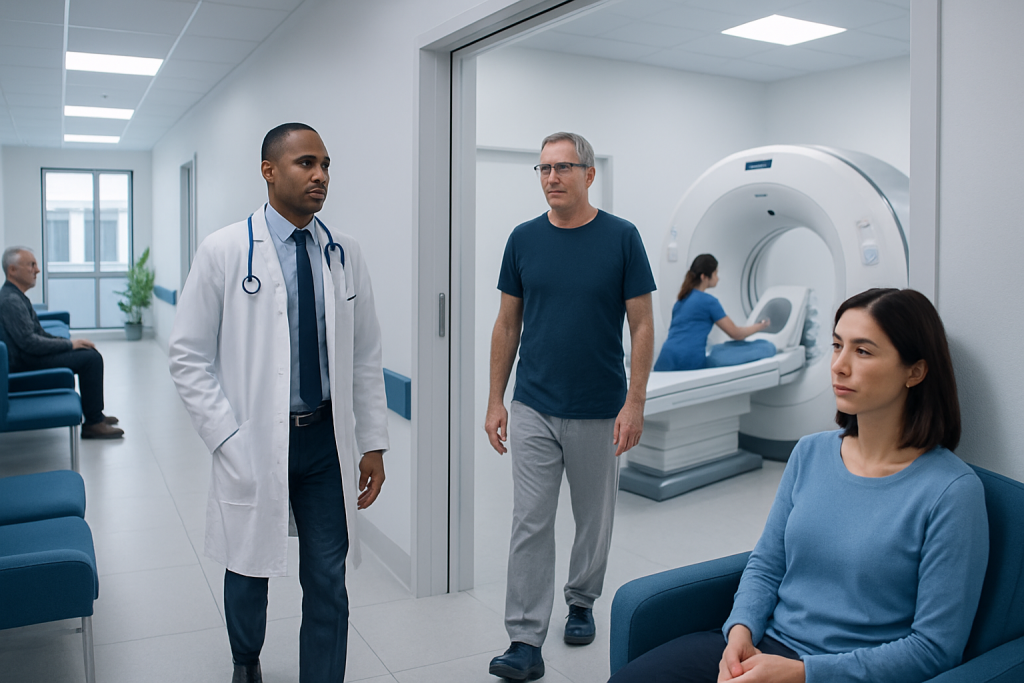
A CT scan is a diagnostic test, not a treatment, and it does not usually require cell-repair therapy afterward. The radiation exposure from one medically appropriate CT scan is brief, and any long-term risk is generally small compared with the value of necessary diagnostic information.
Key Takeaways
- A CT scan is a diagnostic test, not a treatment, and it does not usually require cell-repair therapy afterward.
- The radiation exposure from one medically appropriate CT scan is brief, and any long-term risk is generally small compared with the value of necessary diagnostic information.
- Iodinated contrast material is normally cleared through the kidneys and does not need a detox or cleanse.
- People with kidney disease, prior contrast reactions, pregnancy, or thyroid conditions may need individualized planning before or after contrast-enhanced CT.
- Urgent symptoms after contrast, such as breathing difficulty, facial swelling, or widespread hives, require immediate medical attention.
Most people do not need a procedure, cleanse, supplement, or special treatment to repair cells after a CT scan. CT uses a brief dose of ionizing radiation, and the body has natural mechanisms that repair most minor cellular changes; practical aftercare mainly involves following instructions related to contrast material, hydration where appropriate, and attending follow-up care.
Overview: What Happens to the Body After a CT Scan?
A computed tomography (CT) scan combines multiple X-ray images to produce detailed pictures of internal organs, blood vessels, bones, and soft tissues. It may be performed without contrast material or with an iodinated contrast agent, usually given through a vein, to make certain structures easier to see.
People searching for how to repair cells after CT scan are often concerned about radiation. A CT scan does use ionizing radiation, but the exposure is delivered over a short period and is carefully selected when the expected diagnostic benefit outweighs potential risk. Cells have well-developed systems for detecting and repairing routine DNA damage, including changes that can occur from natural background radiation and medical imaging.
There is no established medical procedure that “repairs” cells after a routine CT scan, and no detoxification program has been shown to reverse radiation exposure. The most useful approach is to make sure the scan is clinically justified, that prior imaging is shared with the care team when available, and that any contrast-related instructions are followed.
How to Repair Cells After CT Scan?
After a CT scan, the body generally manages minor cellular effects through normal repair processes. For most people, no medicine, supplement, fasting plan, antioxidant infusion, or special diet is recommended specifically to repair cells after CT radiation. Taking unproven products may cause side effects or interact with prescribed medicines without providing a proven benefit.
General health habits support normal recovery and overall wellbeing, although they do not erase radiation exposure. These include eating a varied diet, drinking fluids according to individual health needs, sleeping adequately, avoiding tobacco, limiting alcohol, and staying physically active when medically appropriate. These measures are valuable for long-term health rather than a direct treatment for CT radiation.
It is also helpful to keep a personal record of imaging studies and discuss previous scans with clinicians. This can help avoid unnecessary repeat imaging while ensuring important tests are not delayed. When possible, imaging professionals use protocols designed to obtain the needed information with the lowest appropriate radiation dose.
How CT Imaging Works, and Who May Need Extra Planning

During CT imaging, an X-ray tube rotates around the body while detectors collect information from different angles. A computer then reconstructs these data into cross-sectional images. Depending on the clinical question, the scan may focus on one area, such as the chest or abdomen, or assess several regions.
CT is often appropriate when clinicians need rapid, detailed information about injuries, infections, lung conditions, blood vessels, abdominal pain, kidney stones, cancer staging, or other health concerns. The decision to perform it should be individualized: avoiding a needed CT can sometimes pose a greater risk than the radiation exposure from the examination.
Before the scan, patients should tell the imaging team about pregnancy or a possible pregnancy, kidney disease, diabetes medicines, thyroid disease, previous reactions to contrast material, asthma, and all medicines or supplements they use. These details help the team choose the safest imaging method and contrast plan. In some situations, another test such as ultrasound or MRI may be considered, but these examinations answer different clinical questions and are not always suitable substitutes.
What Happens During and Immediately After a CT Scan?
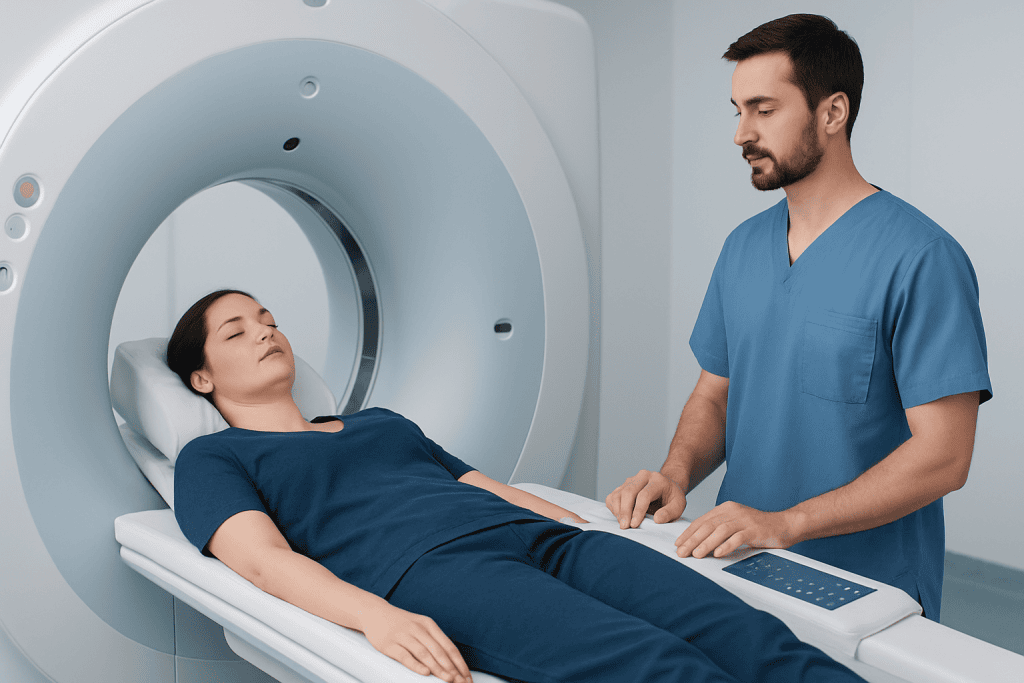
CT scanning is usually straightforward. The patient lies on a movable table that passes through a doughnut-shaped scanner. They may be asked to hold their breath briefly or remain still while images are taken. The scan itself is often completed within minutes, although preparation and review may take longer.
If iodinated contrast is used, a temporary warm sensation, metallic taste, or feeling of needing to urinate may occur as it is injected. These sensations commonly pass quickly. Imaging staff observe patients and are trained to respond if a contrast reaction occurs.
After an uncomplicated scan, most people can return to usual activities immediately. Those who received sedation for anxiety or another reason may need someone to take them home and should follow the facility’s instructions about driving, work, alcohol, and decision-making. The radiologist interprets the images and sends a report to the clinician who ordered the test, who will explain what the results mean in the context of the patient’s symptoms and medical history.
How Long Does It Take for Cells to Repair After Radiation?
There is no single timeline for cellular repair after radiation because it depends on the type and amount of exposure, the tissue involved, and individual biological factors. Following the low, brief exposure of a diagnostic CT scan, the body’s cellular repair mechanisms begin working immediately. This is very different from radiation therapy, which deliberately delivers much higher, targeted doses over one or more treatment sessions to treat cancer.
Researchers cannot measure a meaningful “cell recovery date” for an individual after a routine CT scan. Most CT-related molecular changes are expected to be repaired naturally, while a small fraction of DNA changes may not be repaired perfectly. This is why medical radiation is used thoughtfully and why clinicians avoid imaging that is unlikely to change care.
Radiation exposure is cumulative over a lifetime, so it is reasonable to ask whether a scan is necessary, what information it will provide, and whether previous imaging can be used instead. However, patients should not postpone urgent or clinically important imaging because of fear of needing to repair cells afterward.
How to Heal Body After CT Scan?
For a routine CT scan without contrast, no physical recovery period is usually needed. A person can generally eat, drink, exercise, work, and take regular medicines as usual unless their clinician has provided different instructions for the health condition being assessed.
After contrast-enhanced CT, many people are advised to resume normal fluid intake if they are allowed to drink freely. Hydration supports normal kidney function and urine production, but it should be individualized. People who have heart failure, advanced kidney disease, fluid restrictions, or dialysis schedules should follow their usual care plan and the advice of their clinician rather than forcing extra fluids.
Some patients experience bruising or mild soreness at the injection site. A cool compress may be comfortable. Pain that worsens, marked swelling, blistering, numbness, or color changes in the arm should be reported promptly, as these can rarely indicate that contrast leaked outside the vein.
Acibadem International’s multidisciplinary specialists and JCI-accredited hospitals support international patients who need diagnostic imaging, follow-up assessment, and coordinated care based on their individual health needs.
How Do You Cleanse the Iodine Inside Your Body After a CT Scan?
There is no need to cleanse iodine from the body after a CT scan. The contrast agent used for CT contains iodine, but it is not the same as dietary iodine or radioactive iodine treatment. In people with normal kidney function, iodinated contrast is usually removed from the bloodstream through the kidneys and passed in urine, largely within about a day.
Detox drinks, herbal products, diuretics, laxatives, and extreme water intake are not recommended for clearing CT contrast. They have not been shown to speed safe elimination and may cause dehydration, electrolyte disturbances, medication interactions, or other complications. A normal diet and usual fluids are typically sufficient unless specific instructions have been given.
Patients with reduced kidney function, severe dehydration, or certain serious illnesses may need kidney-function assessment or tailored advice around contrast use. Those receiving dialysis should not change their dialysis schedule solely because of contrast unless instructed by their kidney specialist or imaging team.
Risks, Benefits, and When to Seek Medical Care
The main benefit of CT is that it can provide important information quickly and accurately, supporting timely decisions about treatment or further testing. Potential risks include radiation exposure and, when contrast is used, uncommon allergic-like reactions, effects on kidney function in susceptible people, and injection-site complications. Care teams reduce these risks by reviewing medical history, using appropriate protocols, and selecting contrast only when it is useful.
When to seek medical care: Immediate emergency care is needed for trouble breathing, wheezing, throat tightness, swelling of the lips or face, fainting, or widespread hives after contrast administration. Patients should contact a clinician promptly for a spreading rash, persistent vomiting, significantly reduced urination, severe or worsening injection-site pain or swelling, or symptoms that concern them after the examination.
It is also important to contact the ordering clinician to discuss the CT results and next steps. The scan result may be normal, may explain symptoms, or may identify findings that need monitoring or additional evaluation. Understanding the report in context is more useful than focusing on a general “recovery” process after the scan.
Frequently asked questions
How to repair cells after CT scan?
Most people do not need any specific treatment to repair cells after a CT scan. The body has natural DNA repair processes, and there is no proven detox, supplement, or therapy that reverses routine CT radiation exposure. Maintaining normal healthy habits and avoiding unnecessary future imaging are sensible steps.
How long does it take for cells to repair after radiation?
Cellular repair starts soon after radiation exposure, but there is no precise timeline that can be measured for an individual after a CT scan. The brief exposure from diagnostic CT is not comparable to the higher, repeated doses used in radiation therapy. Clinicians focus on ensuring each scan is justified and optimized rather than prescribing a recovery treatment.
How to heal body after CT scan?
Most people can return to normal activities immediately after a CT scan. If contrast was used, following the imaging center’s instructions and maintaining usual fluid intake, if medically appropriate, is generally enough. People with kidney disease, heart failure, or fluid restrictions should follow their clinician’s individualized advice.
How do you cleanse the iodine inside your body after a CT scan?
A cleanse is not needed after iodinated CT contrast. In most people, the kidneys filter the contrast from the blood and it leaves the body in urine, usually largely within a day. Herbal cleanses, laxatives, and excessive water intake are not recommended and can be harmful.
Does a CT scan cause permanent damage?
A medically appropriate CT scan carries a small potential long-term radiation risk, but it does not usually cause noticeable or immediate permanent damage. The information gained from CT can be essential for diagnosing serious conditions and guiding treatment. Clinicians consider the expected benefit and use radiation as carefully as possible.
Should people drink more water after a CT scan with contrast?
Many people can simply return to their normal fluid intake after contrast-enhanced CT. Drinking fluids may be encouraged when there is no medical reason to restrict them, but excessive intake is unnecessary. Anyone with heart, kidney, or liver conditions should ask their care team what amount is appropriate.
References
- U.S. Food and Drug Administration
- Radiological Society of North America
- American College of Radiology
- International Atomic Energy Agency
- National Cancer Institute
This article is for general information only and is not a substitute for professional medical advice. Please consult a qualified doctor about your individual situation.
Explore treatments in Turkey — costs, top hospitals & a free quote
JCI-accredited · board-certified surgeons · reply within 24h
Add us as a Preferred Source to see more of our trusted health content across Google Search, AI Overviews and Discover.