Tumor in Bladder Treatment: How It Works, Results and What to Expect

Most bladder tumors are assessed and initially treated with a procedure called transurethral resection of bladder tumor (TURBT). Pathology results from removed tissue guide decisions about further treatment and follow-up.
Key Takeaways
- Most bladder tumors are assessed and initially treated with a procedure called transurethral resection of bladder tumor (TURBT).
- Pathology results from removed tissue guide decisions about further treatment and follow-up.
- Non-muscle-invasive tumors often require close cystoscopy surveillance because they can recur.
- Muscle-invasive or metastatic bladder cancer is usually managed by a multidisciplinary cancer team.
- Blood in the urine, persistent urinary symptoms, or difficulty passing urine should be medically assessed promptly.
Tumor in bladder treatment is tailored to whether the growth is noncancerous or cancerous, how deeply it has entered the bladder wall, and whether it has spread. Many bladder tumors are first removed through the urethra, while higher-risk or muscle-invasive tumors may need additional bladder-directed treatment, surgery, chemotherapy, immunotherapy, or radiation.
Overview: How tumor in bladder treatment works
Tumor in bladder treatment begins with finding out exactly what the growth is. A bladder tumor may be benign, but many are urothelial tumors that can be cancerous. The most important information is whether cancer cells are present, how abnormal they look under a microscope (grade), and whether they have reached the bladder muscle or beyond.
For many people, the first treatment is both diagnostic and therapeutic: a urologist removes visible tumor tissue through the natural urinary passage, without an abdominal incision. This procedure is called transurethral resection of bladder tumor, or TURBT. The tissue is examined by a pathologist, and the result helps the care team recommend monitoring, medication placed in the bladder, further surgery, or treatments that work throughout the body.
The overall plan is individual. It considers tumor number, size, location, prior recurrences, pathology findings, general health, kidney function, smoking history, and personal priorities. A careful plan aims to remove or control the tumor while preserving bladder function whenever this is safe and appropriate.
Assessment and candidacy for different treatments
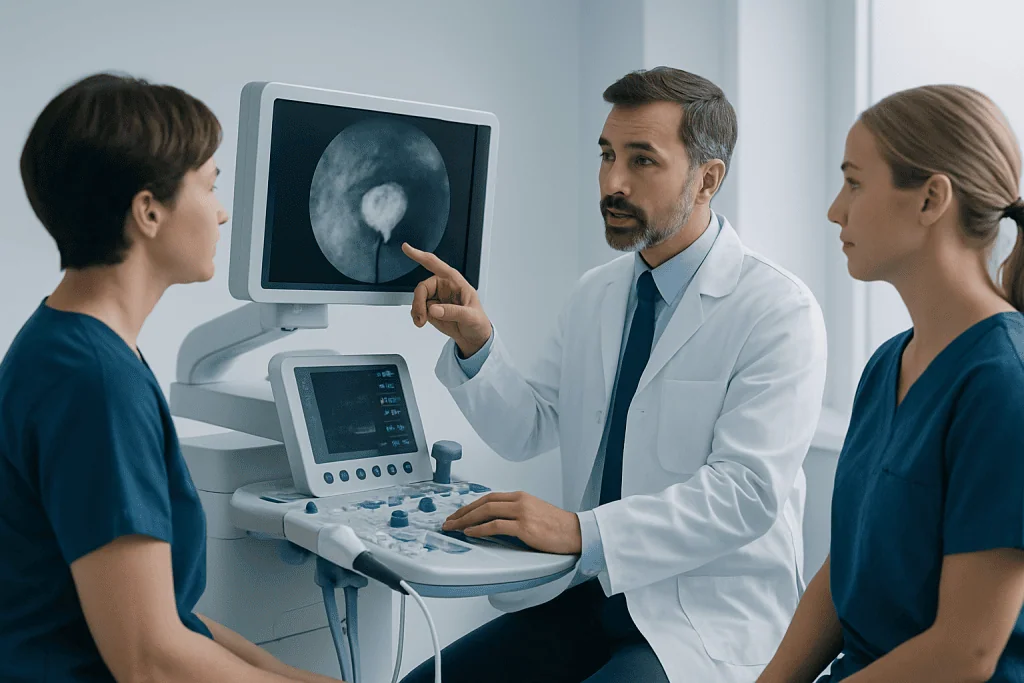
Before treatment, a clinician usually reviews symptoms and medical history, performs a physical examination, and arranges urine testing. Cystoscopy, in which a thin camera is passed through the urethra to view the bladder lining, is central to evaluation. Imaging of the urinary tract, such as CT urography, may be used to look at the kidneys, ureters, bladder wall, and nearby areas.
People with a visible bladder growth are commonly candidates for TURBT unless there is a specific reason another approach is safer. TURBT is particularly important for tumors that appear confined to the inner lining of the bladder. In some cases, a repeat resection is advised to ensure accurate staging or remove remaining tumor tissue, especially when a high-grade tumor or possible muscle involvement is identified.
If the tumor has invaded the bladder muscle, treatment generally requires more than endoscopic removal. Options may include removal of the bladder (radical cystectomy), bladder-preserving combined chemotherapy and radiation, and systemic therapy. For advanced disease, oncology teams may discuss chemotherapy, immunotherapy, targeted medicines, or other treatments based on the cancer characteristics and the person’s overall health.
- Low-risk, non-muscle-invasive tumors may be treated with TURBT followed by surveillance.
- Intermediate- or high-risk non-muscle-invasive tumors may need medicine delivered directly into the bladder after TURBT.
- Muscle-invasive tumors often need definitive treatment with surgery or chemoradiation.
- Metastatic disease may require systemic treatment and supportive care alongside symptom management.
TURBT step by step: what happens during the procedure
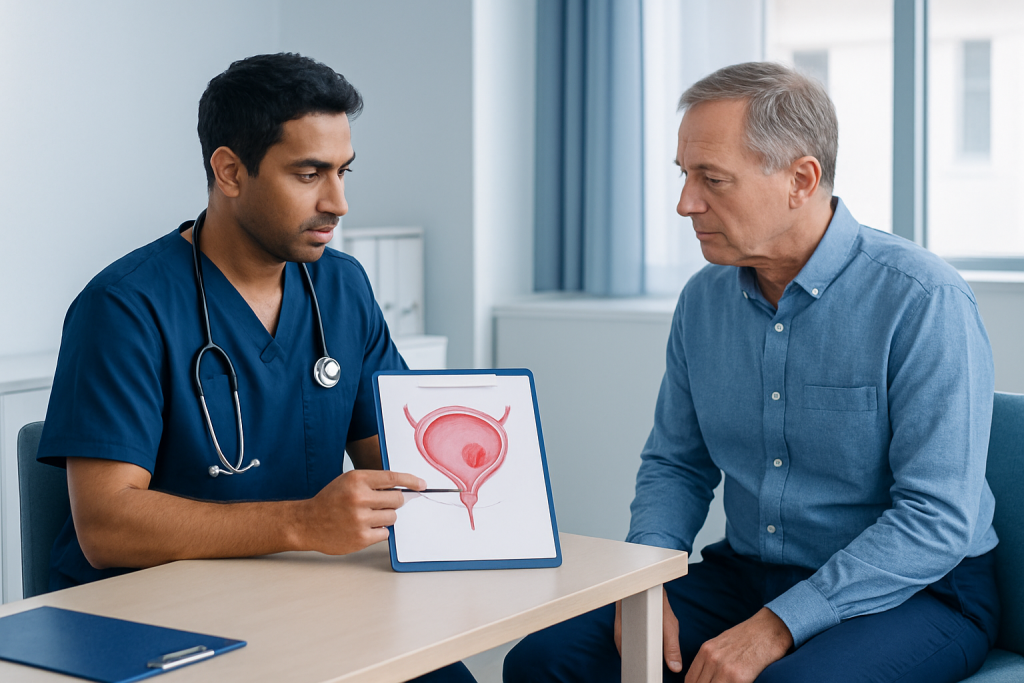
TURBT is usually performed under general or spinal anesthesia. The urologist gently passes a narrow instrument called a resectoscope through the urethra and into the bladder. There are no cuts on the abdomen. Sterile fluid fills the bladder so the lining can be inspected and the tumor can be seen clearly.
Using a small wire loop or other surgical tool, the urologist removes the visible tumor in pieces or, for selected small lesions, as a single specimen. The base of the area may be treated to control bleeding and destroy remaining abnormal cells. Samples are sent to pathology, including tissue from the tumor base when appropriate, because this helps determine the depth of invasion.
A urinary catheter may be left in place temporarily to drain urine and rinse the bladder if there is bleeding. In selected cases, a single dose of chemotherapy may be placed inside the bladder soon after surgery to lower the chance of recurrence. This is not suitable for everyone, such as when there is concern about bladder perforation or significant bleeding.
Further management is based on the pathology report. If it confirms non-muscle-invasive disease, the care team may recommend cystoscopy follow-up and, depending on risk, intravesical therapy. If muscle-invasive cancer is found, additional staging and consultation with urology, medical oncology, and radiation oncology are usually arranged.
Treatment options after bladder tumor removal
For non-muscle-invasive bladder cancer, treatment after TURBT may include intravesical therapy, meaning medication is placed directly into the bladder through a catheter. Bacillus Calmette-Guérin (BCG) is an immunotherapy used for certain higher-risk tumors. Intravesical chemotherapy is another option in selected situations. These treatments aim to reduce the risk of tumor recurrence or progression and require planned monitoring.
When cancer has reached the bladder muscle, radical cystectomy may be recommended for people who are suitable for major surgery. This operation removes the bladder and often nearby lymph nodes; urinary diversion is created so urine can leave the body. Some patients may be eligible for bladder-preserving trimodality treatment, which typically combines maximal TURBT, chemotherapy, and radiation therapy. The choice depends on tumor features, bladder function, medical fitness, and the person’s preferences.
Systemic treatments are used for some muscle-invasive, locally advanced, or metastatic cancers. They may be given before surgery, after surgery in selected circumstances, with radiation, or to control advanced disease. A specialist may use chemotherapy, immunotherapy, targeted therapy, or antibody-drug conjugates depending on clinical circumstances and tumor testing.
People with bladder tumors may also need support from radiologists, pathologists, specialist nurses, dietitians, rehabilitation professionals, and palliative care teams. Acibadem International’s multidisciplinary specialists and JCI-accredited hospitals can evaluate and treat bladder tumors for international patients, with care coordinated according to the individual diagnosis.
Recovery timeline, benefits, and possible risks
Recovery after TURBT is often relatively quick. Many people go home the same day or after a short hospital stay, depending on the extent of resection, anesthesia, bleeding, and other health conditions. Mild burning during urination, urinary frequency, urgency, and small amounts of blood in the urine can occur for several days. Drinking fluids as advised by the clinical team may help, unless a person has been told to limit fluids for another medical reason.
The principal benefit of TURBT is that it removes visible tumor tissue while providing the pathology needed for accurate staging. It can be definitive treatment for some low-risk tumors and is an essential first step for most bladder cancers. However, TURBT alone may not prevent recurrence, particularly for higher-grade or multiple tumors, so follow-up is an important part of treatment rather than an optional extra.
Possible risks include bleeding, urinary infection, temporary difficulty passing urine, pain or irritation during urination, and injury to the bladder wall. Bladder perforation is uncommon but may require catheter drainage, observation, or further treatment. Anesthesia also carries risks that are reviewed before the procedure. Contact the treating team promptly if heavy bleeding, fever, worsening pain, inability to urinate, or large blood clots occur.
Recovery after cystectomy, chemotherapy, or radiation takes longer and varies widely. The medical team will explain expected activity restrictions, catheter or stoma care when relevant, medication plans, nutrition, and signs that need urgent assessment.
Follow-up, prevention, and self-care
Bladder tumors can recur, even after apparently complete removal. Follow-up therefore commonly includes regular cystoscopy and urine testing. The schedule depends on the tumor’s risk category and may be more frequent in the first years after diagnosis. Imaging may also be needed in some cases to monitor the upper urinary tract or assess treatment response.
Stopping smoking is one of the most meaningful steps a person can take after a bladder tumor diagnosis. Tobacco exposure is a major risk factor for bladder cancer and is associated with recurrence and poorer outcomes. A clinician can recommend evidence-based smoking cessation support, including counseling and medicines when appropriate.
General self-care includes attending all planned appointments, reporting new urinary symptoms, taking medicines as prescribed, and discussing work, travel, sexual health, continence, and emotional concerns with the care team. There is no proven diet or supplement that can replace standard treatment or surveillance. A balanced diet, regular activity suited to recovery, and management of other health conditions can support overall wellbeing.
When to seek medical care
Visible blood in the urine should always be assessed, even if it happens only once or is painless. A person should also arrange medical evaluation for persistent burning with urination, frequent urination without a clear explanation, repeated urinary infections, unexplained pelvic discomfort, or a new change in urinary habits. These symptoms are common and may have noncancerous causes, but assessment is important.
Urgent medical care is needed for an inability to pass urine, large blood clots in urine, heavy bleeding, fever with urinary symptoms, severe lower abdominal pain, or symptoms that develop soon after a bladder procedure. These may indicate urinary retention, infection, or bleeding that needs prompt treatment.
After a bladder tumor diagnosis, patients should ask their clinician about the pathology result, risk category, treatment goals, follow-up timing, and whom to contact between appointments. Understanding the plan can help individuals take an active, informed role in their care.
Frequently asked questions
What is the usual first treatment for a tumor in the bladder?
For many bladder tumors, the first treatment is transurethral resection of bladder tumor (TURBT). A urologist removes visible tissue through the urethra and sends it to a laboratory for analysis. The pathology result determines whether additional treatment is needed.
Can a bladder tumor be removed without open surgery?
Yes. Many bladder tumors can be removed endoscopically with TURBT, which uses instruments passed through the urethra and does not require an abdominal incision. However, larger, recurrent, or muscle-invasive tumors may require more extensive treatment.
How long does it take to recover from TURBT?
Many people return home the same day or after a short stay and feel progressively better over several days to a few weeks. Temporary burning, urgency, frequency, and light blood in urine can occur. Recovery varies with the size and number of tumors removed and a person’s general health.
Does removing a bladder tumor mean the cancer is cured?
Removal can be sufficient for some low-risk non-muscle-invasive tumors, but it does not eliminate the possibility of recurrence. Some tumors need medication placed in the bladder or additional treatment. Regular cystoscopy follow-up is important because new tumors can develop.
What happens if a bladder tumor is cancerous and has invaded muscle?
Muscle-invasive bladder cancer usually needs treatment beyond TURBT. Common approaches include bladder removal with urinary diversion or a bladder-preserving combination of surgery, chemotherapy, and radiation. A multidisciplinary team can explain which option best fits the tumor and the individual’s health.
Is blood in the urine always caused by a bladder tumor?
No. Blood in urine can result from infection, stones, kidney conditions, medicines, exercise, and other causes. Still, visible blood in urine should be assessed by a healthcare professional because it can be a sign of a bladder or urinary tract condition that needs treatment.
References
- American Cancer Society
- National Cancer Institute
- European Association of Urology
- National Health Service
- World Health Organization
This article is for general information only and is not a substitute for professional medical advice. Please consult a qualified doctor about your individual situation.
Oncology care in Turkey — second opinion and treatment plan
JCI-accredited · board-certified surgeons · reply within 24h
Add us as a Preferred Source to see more of our trusted health content across Google Search, AI Overviews and Discover.