Lena Dunham Hysterectomy: Procedure, Recovery and Results

Hysterectomy removes the uterus and permanently ends menstrual periods and the ability to carry a pregnancy. For endometriosis, hysterectomy may be considered when symptoms remain severe despite appropriate conservative treatment, but it is not a guaranteed cure.
Key Takeaways
- Hysterectomy removes the uterus and permanently ends menstrual periods and the ability to carry a pregnancy.
- For endometriosis, hysterectomy may be considered when symptoms remain severe despite appropriate conservative treatment, but it is not a guaranteed cure.
- Whether the ovaries are retained or removed strongly affects immediate hormonal changes and long-term health planning.
- Recovery depends on the surgical approach, overall health and the extent of surgery; internal healing continues after a person feels better.
- New or severe pelvic pain, heavy bleeding, fever or symptoms after surgery should be assessed promptly by a healthcare professional.
Lena Dunham’s hysterectomy was a personal medical decision she publicly discussed after years of severe endometriosis symptoms and multiple treatments. Her experience can help explain why hysterectomy is sometimes considered for endometriosis, while also highlighting that the procedure, recovery and outcomes differ from person to person.
Lena Dunham hysterectomy: what happened and why it matters
The Lena Dunham hysterectomy took place in 2018 after the actor and writer had spoken publicly about living with severe endometriosis and undergoing several earlier procedures. She described choosing hysterectomy after ongoing pain and reduced quality of life. Her story is an individual experience, not a universal treatment pathway for people with endometriosis.
A hysterectomy is surgery to remove the uterus. It permanently stops menstrual bleeding and makes pregnancy impossible. It may be performed for conditions including fibroids, heavy bleeding, pelvic organ prolapse, some cancers and chronic pelvic pain associated with endometriosis; the best option depends on symptoms, examination findings, future pregnancy wishes and response to other treatments.
Public discussion of Lena Dunham endometriosis, including writing associated with her former Lenny Letter platform, has helped increase awareness that the condition can be painful and complex. However, online accounts cannot replace an individualized assessment by a gynecologist, particularly because pelvic pain can have more than one cause.
How hysterectomy works and what surgery may include
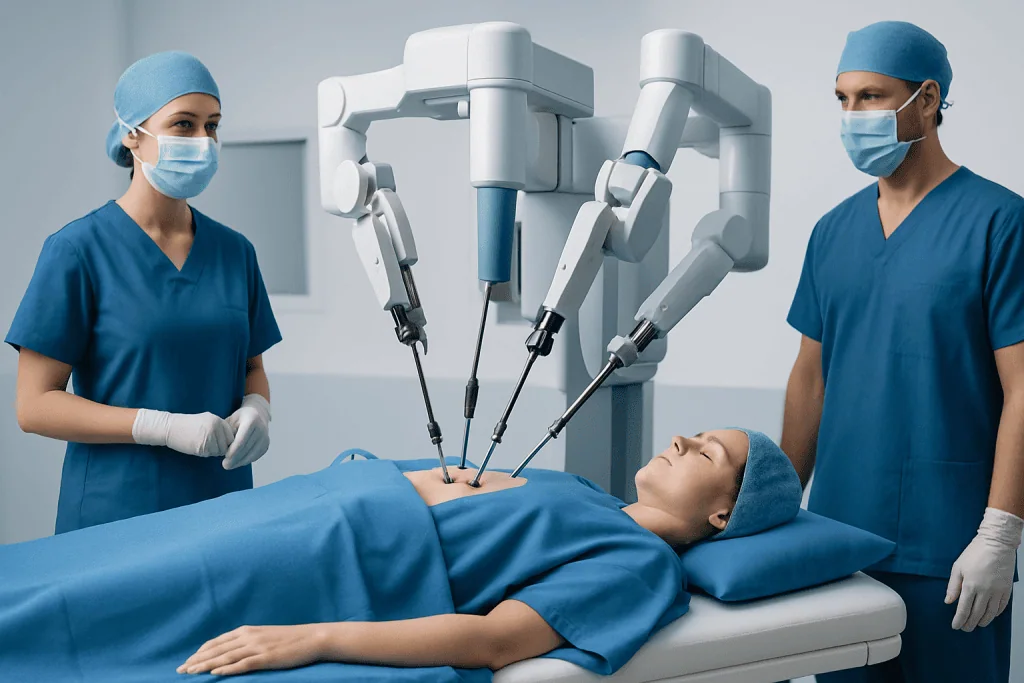
During a hysterectomy, a surgeon removes the uterus. A total hysterectomy includes the cervix, while a supracervical or subtotal hysterectomy leaves the cervix in place. In selected situations, the fallopian tubes may also be removed, which is often called salpingectomy. The ovaries may be preserved or removed depending on the person’s age, diagnosis, family history, ovarian health and preferences.
The operation can be performed vaginally, laparoscopically through small abdominal incisions, robotically, or through an open abdominal incision. Minimally invasive techniques often involve less postoperative pain and a shorter initial recovery when they are safe and appropriate. The surgical route is chosen based on uterine size, scar tissue, suspected endometriosis, other pelvic disease and the surgeon’s assessment.
For endometriosis, surgery may also involve removing visible endometriosis lesions and releasing scar tissue, known as adhesions. This can require planning with colorectal, urology, pain-management or fertility specialists if disease involves the bowel, bladder, ureters or other pelvic structures. A discussion about hysterectomy treatment options should include what will be removed, the planned approach and possible changes if unexpected findings arise during surgery.
Who may be a candidate for hysterectomy?
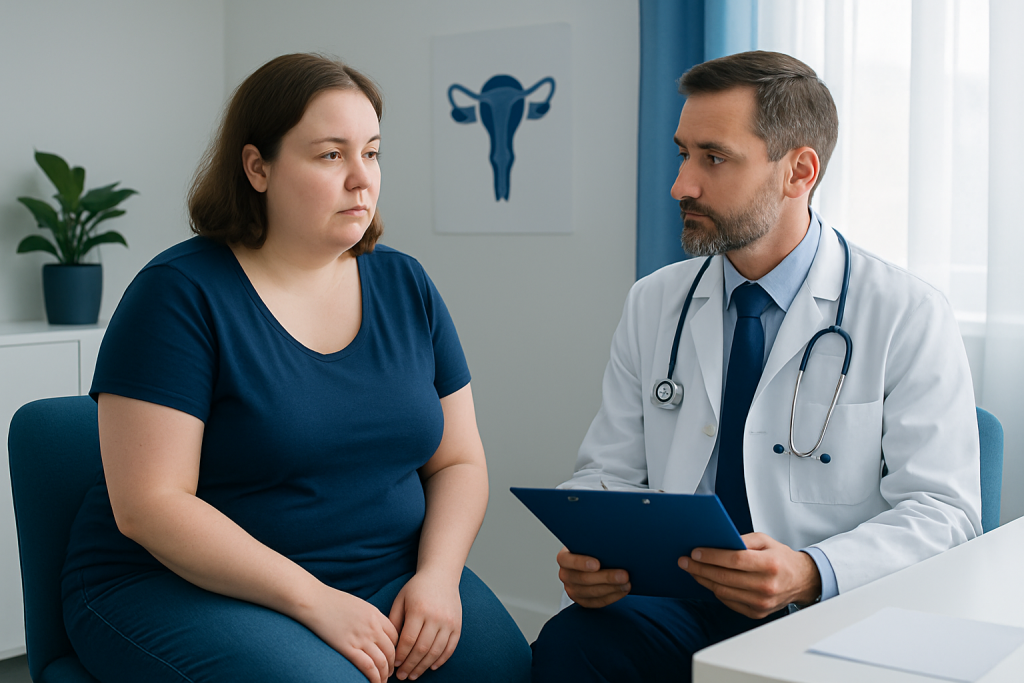
Hysterectomy is generally considered after a careful evaluation rather than as the first treatment for pelvic pain. For people with endometriosis, clinicians may first recommend pain-relieving medicines, hormonal treatment, pelvic-floor physiotherapy, treatment directed at other pain contributors, or conservative laparoscopic surgery. The appropriate sequence varies because symptoms, disease location and treatment goals are different for every person.
It may be an option for someone who has completed or decided against future childbearing and continues to have major symptoms despite other care. A hysterectomy can also be recommended for conditions of the uterus itself, such as large symptomatic fibroids, persistent abnormal bleeding or certain precancerous and cancerous conditions.
People considering surgery should explain their priorities, including pain relief, sexual wellbeing, ability to work and care for family, fertility wishes, and concerns about menopause. An evaluation may include pelvic examination, ultrasound, blood tests when indicated, and other imaging or diagnostic procedures. Symptoms suggestive of endometriosis should be assessed in the context of endometriosis care, rather than assuming surgery is necessary solely because pain is severe.
- Previous treatments and their benefits or side effects
- Whether pain is linked to menstrual cycles, bowel movements, urination or intercourse
- Possible conditions that may coexist, such as adenomyosis, fibroids or pelvic-floor dysfunction
- The benefits and trade-offs of keeping or removing the ovaries
What happens during the procedure?
Before surgery, the healthcare team reviews medical history, medications, allergies, prior operations and anesthesia needs. Patients may be asked to stop or adjust certain medicines, arrange transport home and plan support during the early recovery period. The team also explains fasting instructions and how blood clot prevention, pain control and infection prevention will be managed.
Hysterectomy is usually performed under general anesthesia, so the patient is asleep. The surgeon accesses the uterus through the chosen surgical route, carefully separates it from surrounding tissues and blood vessels, and removes it. If planned, the cervix, tubes, ovaries or endometriosis tissue are addressed during the same operation. Removed tissue may be examined in a laboratory to confirm the diagnosis.
After surgery, patients recover in a monitored area while anesthesia wears off. Some people go home the same day after a minimally invasive procedure, while others need a longer hospital stay, especially after open surgery or more extensive treatment. The care team provides written guidance about wound care, movement, bowel care, pain relief and follow-up appointments.
Recovery timeline, expected changes and results
Recovery is gradual. In the first days, tiredness, abdominal discomfort, mild vaginal spotting and changes in bowel habits can occur. Gentle walking is commonly encouraged to support circulation and reduce stiffness, while strenuous activity, heavy lifting and penetrative vaginal sex are usually avoided until the surgical team confirms healing. Exact restrictions and timelines differ by surgical approach and individual circumstances.
Many people resume lighter daily activities within a few weeks after laparoscopic or vaginal surgery, while recovery after abdominal hysterectomy often takes longer. Internal healing continues beyond the point at which incisions look healed. Attending follow-up appointments helps the team assess recovery, review pathology results where applicable and address ongoing pain or urinary, bowel or emotional concerns.
After hysterectomy, menstrual periods stop. If the ovaries are retained, they usually continue producing hormones until natural menopause, although ovarian function may change earlier in some people. If both ovaries are removed before natural menopause, surgical menopause begins immediately; hot flushes, sleep disruption, vaginal dryness and mood changes may occur, and clinicians can discuss suitable symptom-management options.
For endometriosis, hysterectomy can reduce symptoms for some patients, particularly when uterine conditions such as adenomyosis also contribute to pain. Yet endometriosis lesions outside the uterus may remain or recur, so pain relief cannot be promised. A complete plan may include gynecology, pain medicine, pelvic-floor rehabilitation and psychological support when needed.
Risks, benefits and long-term considerations
The possible benefits of hysterectomy include definitive treatment of uterine bleeding, relief from symptoms caused by some uterine disorders, and freedom from future pregnancy concerns. For someone whose quality of life is significantly affected by symptoms and who does not want future pregnancy, these benefits can be meaningful.
As with any major surgery, hysterectomy has risks. These include bleeding, infection, blood clots, reactions to anesthesia, injury to the bladder, bowel, ureters or blood vessels, wound problems and need for further treatment. Scar tissue and persistent pelvic pain are also possible, particularly when pain existed before surgery or endometriosis is extensive.
Ovary removal deserves a separate discussion. While it may be appropriate in some circumstances, removal before natural menopause can affect bone, heart and sexual health because estrogen levels fall rapidly. Decisions should be based on the individual’s clinical situation, including cancer risk and the likely benefits of ovarian preservation. People should ask what alternatives exist and what follow-up care may be needed.
Internet searches may also lead to discussions of a Lena Dunham endometriosis diet or Lena Dunham recommended books. Nutritious eating, reliable education and peer support may help some people cope, but no particular diet or reading list replaces medical treatment. Dietary changes should be safe, realistic and discussed with a qualified clinician when symptoms or nutritional restrictions are significant.
Do you age rapidly after a hysterectomy?
No. A hysterectomy itself does not cause rapid aging. If the ovaries remain in place, hormone production usually continues and menopause does not begin immediately because the uterus has been removed. Menstrual periods stop, but this is not the same as menopause.
When both ovaries are removed before natural menopause, estrogen and other hormone levels drop quickly. This can cause abrupt menopausal symptoms and may affect bone density and cardiovascular health over time, which is why personalized counseling and follow-up are important. Treatments for menopausal symptoms may be appropriate for some people, depending on their health history.
Physical recovery, sleep disruption, pain, emotional adjustment and a major change in reproductive plans can temporarily make someone feel unlike themselves. Support from the surgical team, primary care clinician, mental health professional and trusted family or friends can be helpful during recovery.
What did Lena Dunham do after her hysterectomy?
After her hysterectomy, Lena Dunham continued her professional work and later spoke publicly about recovery, chronic illness and reproductive health. Public reporting has also described her as pursuing adoption as part of her path toward parenthood. These choices are personal and should not be interpreted as recommendations for others.
Recovery after hysterectomy can involve both physical and emotional adjustment. Some people feel relief from symptoms, while others experience grief, uncertainty or concern about identity, fertility and body image. These reactions are valid, and counseling or support groups may be useful alongside medical follow-up.
Acibadem International’s multidisciplinary specialists and JCI-accredited hospitals support international patients who need evaluation and treatment for gynecologic conditions, including individualized surgical planning and aftercare.
Why did Jack Antonoff leave Lena Dunham?
The reasons for a past relationship ending are private and cannot be reliably explained through a medical article. Lena Dunham and musician Jack Antonoff ended their relationship in 2017, before her 2018 hysterectomy. It would be inappropriate to connect a person’s medical history to the reasons for a relationship change without clear, direct confirmation from those involved.
More broadly, chronic pain and major medical decisions can affect relationships, work and emotional wellbeing. Clear communication, practical support and access to mental health care can help people and their partners navigate the demands of illness and recovery.
Which celebrities have undergone a hysterectomy?
Several public figures have discussed hysterectomy, sometimes in relation to fibroids, cancer prevention, endometriosis, abnormal bleeding or other health concerns. However, a celebrity’s diagnosis, procedure and outcome are private medical details unless they choose to share them. Media reports may also omit important clinical context.
Celebrity stories can encourage awareness and reduce stigma around gynecologic conditions, but they cannot establish whether hysterectomy is right for another person. The most useful next step for persistent symptoms is a personal evaluation with a gynecologist who can discuss diagnosis, treatment alternatives and the implications for fertility and hormones.
When to seek medical care
People should arrange a medical assessment for pelvic pain that is persistent, worsening, disrupting daily life, or associated with heavy or irregular bleeding, pain during sex, pain with bowel movements or urination, or difficulty becoming pregnant. These symptoms may have several causes, and early assessment can broaden the available treatment options.
After hysterectomy, urgent medical advice is needed for fever, increasing rather than improving pain, heavy vaginal bleeding, foul-smelling discharge, redness or drainage from an incision, chest pain, shortness of breath, fainting, swelling or pain in one leg, or inability to pass urine. Emergency services should be contacted for severe symptoms.
A planned consultation is also appropriate when someone is considering hysterectomy, has questions about preserving the ovaries, or needs support with menopausal symptoms or ongoing pelvic pain. Shared decision-making gives patients time to understand the expected benefits, limitations and alternatives before choosing surgery.
Frequently asked questions
Did Lena Dunham have a hysterectomy because of endometriosis?
Lena Dunham publicly stated that she underwent a hysterectomy in 2018 after years of severe endometriosis symptoms and previous treatment attempts. Her experience reflects her own medical circumstances. Endometriosis treatment should always be individualized, because hysterectomy is not necessary or suitable for everyone with the condition.
Can a person have endometriosis after a hysterectomy?
Yes. Endometriosis involves tissue outside the uterus, so symptoms can sometimes continue if lesions remain or if other sources of pelvic pain are present. Hysterectomy may improve symptoms for some people, especially when uterine disease also contributes, but it is not a guaranteed cure for endometriosis.
How long does recovery from a hysterectomy take?
Initial recovery often takes a few weeks after vaginal or laparoscopic surgery and may take longer after open abdominal surgery. Internal healing continues for weeks, and return to exercise, work, lifting and sexual activity should follow the surgical team’s guidance. Recovery can be longer after extensive endometriosis surgery or if complications occur.
Will a hysterectomy cause menopause?
Removing the uterus stops periods but does not automatically cause menopause if the ovaries are kept. If both ovaries are removed before natural menopause, hormone levels fall quickly and surgical menopause begins immediately. A clinician can explain the expected hormonal effects based on the planned operation.
Can someone get pregnant after a hysterectomy?
No. Because the uterus is removed, pregnancy cannot be carried after hysterectomy. People who may want a genetically related child in the future should discuss fertility preservation and other family-building options before surgery, where appropriate.
What questions should someone ask before deciding on hysterectomy?
Useful questions include why surgery is recommended, what alternatives are available, which organs will be removed, and whether the ovaries can be preserved. Patients can also ask about the surgical route, expected recovery, risks, likelihood of symptom improvement and plans for managing persistent pain or menopausal symptoms.
References
- American College of Obstetricians and Gynecologists
- National Institute for Health and Care Excellence
- Mayo Clinic
- World Health Organization
- Endometriosis Foundation of America
This article is for general information only and is not a substitute for professional medical advice. Please consult a qualified doctor about your individual situation.
Hysterectomy in Turkey — costs, top hospitals & a free quote
JCI-accredited · board-certified surgeons · reply within 24h
Add us as a Preferred Source to see more of our trusted health content across Google Search, AI Overviews and Discover.

Gynecology & Obstetrics
Women’s health across pregnancy, gynecologic surgery and high-risk pregnancy care.
187 specialists in this unitMore from the Health Library



Related Specialists

Dt. İrem Coşar Tüfekçi
Oral & Dental Health
Pdg. Yaren Kavlak
Podiatry & Foot Health
Dr. Ayşe Dişli Gürler
Gynecology & Obstetrics
Dr. Gansukh Bataa
Anesthesiology