Vulva Surgery: Procedure, Recovery and Results

Vulva surgery ranges from small local excisions to simple or radical vulvectomy. The operation is planned around the diagnosis, lesion location, and the need to preserve function and appearance where safely possible.
Key Takeaways
- Vulva surgery ranges from small local excisions to simple or radical vulvectomy.
- The operation is planned around the diagnosis, lesion location, and the need to preserve function and appearance where safely possible.
- Pain, swelling, drainage, and temporary difficulty sitting or walking are common during early vulvar surgery recovery.
- Wound care, bowel care, pain control, and follow-up visits support healing and help reduce complications.
- New fever, worsening pain, heavy bleeding, wound separation, or signs of infection require prompt medical advice.
Vulva surgery includes procedures that remove or repair part or all of the vulva, most often to treat precancerous changes, cancer, persistent symptoms, or selected noncancerous conditions. The exact procedure, recovery period, and expected results depend on the reason for surgery and the amount of tissue involved.
Overview: What Is Vulva Surgery?
Vulva surgery is an umbrella term for operations performed on the external female genital area, including the labia, clitoris, vaginal opening, and nearby skin. It may involve removing a small abnormal area, taking a biopsy, repairing tissue, draining an abscess, or removing a larger portion of the vulva. A vulvectomy is a type of vulva surgery in which some or all vulvar tissue is removed.
The main purpose of surgery is to diagnose or treat a specific health problem. Common reasons include suspicious lesions, vulvar intraepithelial neoplasia (precancerous cell changes), vulvar cancer, chronic inflammatory skin conditions with concerning changes, or symptoms that have not improved with non-surgical treatment. The care team aims to remove only the tissue needed while protecting sensation, urinary function, sexual function, and mobility as much as possible.
Vulva surgery is individualized. A small excision can often be an outpatient procedure, while more extensive surgery for cancer may require lymph node assessment, reconstructive techniques, and a longer hospital stay. A gynecologist, gynecologic oncologist, plastic and reconstructive surgeon, pathologist, specialist nurse, and physiotherapist may all contribute to care when appropriate.
Who May Need Vulva Surgery and How Is It Planned?
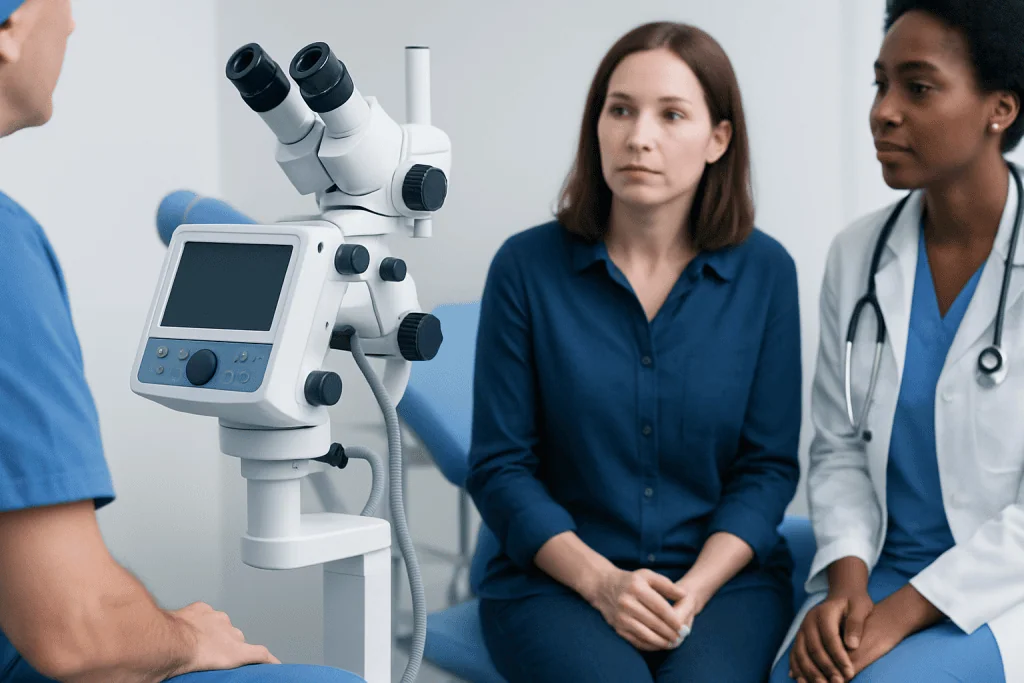
A clinician may recommend vulva surgery when an examination, biopsy, or imaging test identifies an area that needs removal or more detailed assessment. Surgery is often considered for vulvar cancer or high-grade precancerous changes. It may also be used for a persistent lump, ulcer, skin change, or painful condition when less invasive care has not provided an answer or relief.
Before surgery, the specialist reviews medical history, medicines, allergies, smoking status, and any conditions that can affect anesthesia or wound healing, such as diabetes. A pelvic examination and biopsy are commonly part of planning. For suspected cancer, imaging and lymph node evaluation may be needed to determine the extent of disease and select the safest approach.
Candidacy is not based on one factor alone. The surgical plan considers the diagnosis, the size and position of the affected area, whether the condition has spread, previous treatments, general health, and personal priorities. Patients should ask what tissue will be removed, whether reconstruction may be needed, and how the operation could affect sensation, sexual activity, urination, and body image.
For cancer-related concerns, care is usually coordinated through a gynecologic oncology team. The goal is to balance complete treatment of the disease with the least extensive surgery that is medically appropriate.
How Vulva Surgery Is Performed: Step by Step
The procedure begins with preoperative checks and anesthesia. Small procedures may be performed with local anesthesia and sedation, while a vulvectomy or cancer operation is commonly done under general anesthesia. The surgical team confirms the planned site and position before the operation starts.
For a local excision, the surgeon removes the abnormal lesion along with a margin of surrounding tissue and sends it to a laboratory for examination. A simple vulvectomy removes part or all of the vulvar skin and tissue without deliberately removing deeper structures. A radical vulvectomy is more extensive and may be considered when invasive cancer requires wider removal.
In some cancer operations, the surgeon may assess lymph nodes in the groin using a sentinel lymph node procedure or by removing selected nodes. If a larger area must be removed, reconstructive surgery may use nearby skin and tissue to cover the wound, support healing, and preserve contour where possible.
At the end of surgery, the wound is closed with stitches when suitable, or it may be managed differently if extensive tissue removal or reconstruction was necessary. A temporary urinary catheter, drain, or dressing may be used. The removed tissue is examined by a pathologist, and those results help guide follow-up treatment if needed.
Benefits, Risks and Expected Results
The potential benefit of vulva surgery is the removal of abnormal, precancerous, cancerous, infected, or troublesome tissue. For cancer, surgery may be a primary treatment or part of a broader plan that can include radiation therapy or chemotherapy. For smaller lesions, excision can provide a diagnosis and treatment at the same time.
Results depend on the underlying condition and the extent of surgery. Some people need no further treatment after a complete excision, while others need surveillance or additional care based on pathology findings. Regular follow-up is important because some vulvar skin conditions and precancerous changes can recur.
As with any operation, risks include bleeding, infection, delayed healing, scarring, blood clots, reactions to anesthesia, and wound separation. Surgery involving the groin lymph nodes can cause fluid collection, numbness, infection, or long-term leg swelling known as lymphedema. The surgeon explains which risks are most relevant to the planned procedure.
Changes in sensation, vulvar appearance, comfort during intercourse, and confidence can also occur. These experiences vary widely and can be difficult to predict. Early discussion of sexual health, counseling, pelvic floor rehabilitation, and reconstructive options can help patients prepare and access appropriate support.
Vulva Surgery Recovery: Timeline and Self-Care
Vulva surgery recovery differs substantially between a small excision and major vulvectomy. After a minor outpatient procedure, many people resume light daily activities within days, although tenderness may continue for several weeks. More extensive vulvectomy surgery recovery may involve several days in hospital and a healing period of weeks to months, particularly if lymph node surgery or reconstruction was performed.
During the first days, soreness, swelling, bruising, mild bleeding or discharge, and tiredness are common. Prescribed pain relief should be taken as directed. Keeping the area clean and dry, wearing loose cotton underwear or loose clothing, and following instructions for bathing, dressings, and stitches can help protect the wound. Some teams recommend rinsing gently with water after urinating or passing stool and patting rather than rubbing the area dry.
Constipation can make vulvar discomfort worse, especially when avoiding straining. Fluids, fiber-rich foods, gentle movement, and any stool-softening medicine recommended by the clinician may help. Heavy lifting, strenuous exercise, swimming, and vaginal intercourse are usually avoided until the surgeon confirms that healing is adequate.
Vulva removal surgery recovery also involves emotional adjustment. Changes to appearance, sexual feelings, and relationships are valid concerns. Patients should tell the care team about low mood, anxiety, sleep problems, or sexual difficulties; support can include specialist nursing, counseling, pelvic floor therapy, and sexual health advice.
How Painful Is Vulva Surgery?
Vulva surgery can be uncomfortable because the vulvar area is sensitive and may swell during healing. Pain levels vary with the type of operation, the size and location of the wound, whether lymph nodes were treated, and each person’s pain sensitivity. Most people experience the greatest soreness in the first several days, with gradual improvement afterward.
The surgical team develops a pain-management plan that may include medicines during and after the procedure, along with practical measures such as rest, cool packs wrapped in a cloth if advised, loose clothing, and careful positioning. Pain should become more manageable over time rather than steadily worsening.
Contact the surgical team if pain is severe, suddenly increases, is not controlled by the prescribed plan, or occurs with fever, foul-smelling drainage, expanding redness, or marked swelling. These symptoms can indicate a complication that should be assessed rather than managed at home.
How Long Does It Take to Recover From a Simple Vulvectomy?
Recovery from a simple vulvectomy often takes several weeks, but the precise vulvectomy surgery recovery time depends on how much tissue was removed, the method of closure, individual healing, and whether another procedure was performed at the same time. Many patients can do gentle, non-strenuous activities earlier, while wound healing and a comfortable return to usual routines take longer.
Follow-up appointments allow the surgeon to check the wound, review pathology results, remove any drains or non-dissolving stitches when applicable, and advise when activities can be restarted. Return to driving, work, exercise, and sexual activity should be based on comfort, mobility, medication use, and the surgeon’s instructions rather than a fixed calendar date.
Healing may take longer in people who smoke, have diabetes, have reduced circulation, or develop infection or wound separation. Stopping smoking before and after surgery when possible, managing long-term conditions, attending follow-up, and reporting concerns early can support recovery.
How to Sit After Vulvar Surgery and When to Seek Medical Care
After vulvar surgery, many people find it more comfortable to sit for short periods on a soft, supportive surface and to change positions regularly. Leaning slightly back, reclining when possible, or lying on the side may reduce direct pressure on the wound. A clinician can advise whether a specific cushion is suitable, as some ring-shaped cushions may concentrate pressure around the surgical area rather than relieve it.
Walking short distances as advised can support circulation, but activity should increase gradually. Patients should avoid prolonged sitting, cycling, and activities that rub or stretch the wound until healing is confirmed. A physiotherapist may offer individualized movement and positioning guidance after more extensive surgery.
Medical care should be sought promptly for heavy bleeding, inability to pass urine, fever, chills, increasing redness or swelling, pus-like or foul-smelling drainage, opening of the wound, severe or worsening pain, or swelling and pain in a leg. Urgent assessment is also important for shortness of breath or chest pain, which can be signs of a blood clot.
For planned specialist evaluation and ongoing support, Acibadem International’s multidisciplinary specialists and JCI-accredited hospitals diagnose and treat vulvar conditions for international patients. A qualified gynecologic or gynecologic oncology team can explain the expected recovery pathway for an individual’s procedure.
Frequently asked questions
What is life like after a vulvectomy?
Life after a vulvectomy varies according to the extent of surgery and the reason it was needed. Many people return to daily activities, relationships, and sexual intimacy after healing, although they may need time to adapt to changes in sensation, appearance, comfort, or body image. Follow-up care and support for sexual health, emotional wellbeing, and pelvic floor function can be helpful.
How painful is vulva surgery?
Pain is expected after vulva surgery, particularly during the first few days when swelling and wound tenderness are most noticeable. Pain is usually managed with a prescribed plan and improves gradually as healing progresses. Worsening or uncontrolled pain should be discussed with the surgical team promptly.
How long does it take to recover from a simple vulvectomy?
A simple vulvectomy commonly requires several weeks of healing, but recovery time is individual. Light activity may resume sooner than full activity, and the surgeon will advise when it is safe to return to work, exercise, driving, swimming, and sexual intercourse. Recovery can be longer after a larger operation, reconstruction, or lymph node surgery.
How to sit after vulvar surgery?
Short periods of sitting on a soft, supportive surface are often more comfortable than prolonged sitting. Changing position regularly, reclining, or lying on the side can reduce pressure on the wound. The surgical team can recommend safe positioning and advise whether a cushion is appropriate.
Will vulva surgery affect sexual function?
It can affect sexual comfort, sensation, arousal, and confidence, especially after more extensive surgery. Some changes improve as swelling settles and tissues heal, while others may be longer lasting. Patients should raise concerns with their surgeon, as sexual health counseling, lubricants, pelvic floor therapy, and other support may be available.
What are the warning signs of infection after vulvar surgery?
Possible warning signs include fever, increasing pain, spreading redness, increasing warmth or swelling, wound opening, and pus-like or foul-smelling drainage. Heavy bleeding or difficulty passing urine also needs medical attention. Patients should follow the contact instructions given by their surgical team and seek urgent care for severe symptoms.
References
- American College of Obstetricians and Gynecologists
- National Cancer Institute
- American Cancer Society
- Royal College of Obstetricians and Gynaecologists
- National Health Service
This article is for general information only and is not a substitute for professional medical advice. Please consult a qualified doctor about your individual situation.
Oncology care in Turkey — second opinion and treatment plan
JCI-accredited · board-certified surgeons · reply within 24h
Add us as a Preferred Source to see more of our trusted health content across Google Search, AI Overviews and Discover.