Colonoscopy Children: Preparation, Procedure and Results
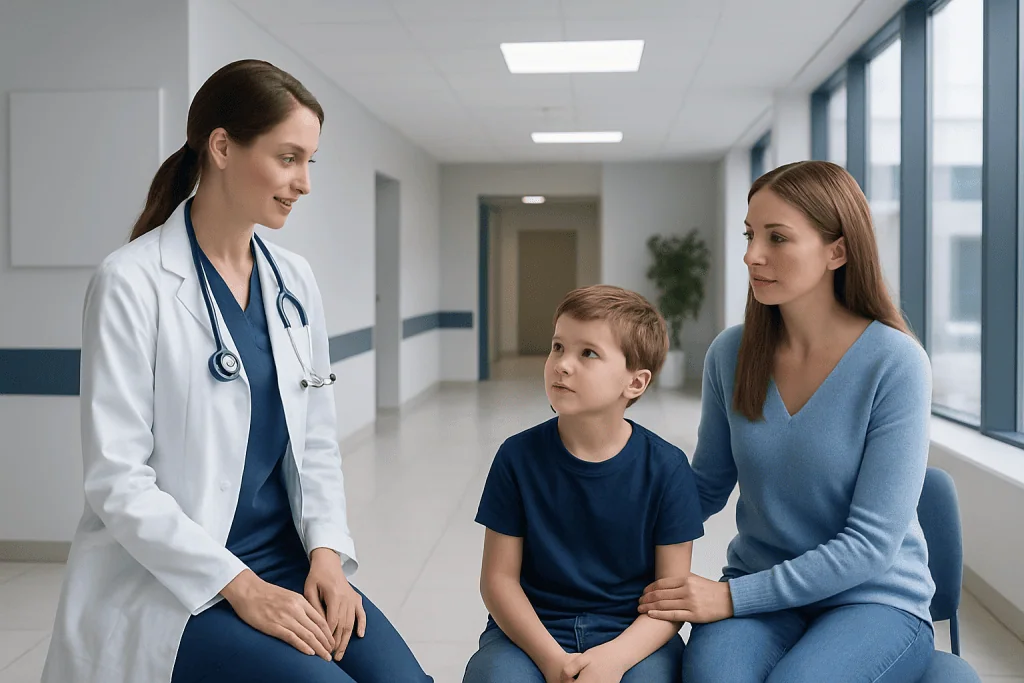
Pediatric colonoscopy examines the rectum and colon for inflammation, bleeding, polyps, infection, and other concerns. A complete bowel preparation is essential because the doctor needs a clear view of the intestinal lining.
Key Takeaways
- Pediatric colonoscopy examines the rectum and colon for inflammation, bleeding, polyps, infection, and other concerns.
- A complete bowel preparation is essential because the doctor needs a clear view of the intestinal lining.
- Most children receive anesthesia or deep sedation and do not feel or remember the examination.
- Temporary bloating, gas, tiredness, or mild cramping can occur after the procedure, but serious complications are uncommon.
- The care team explains preparation, medication changes, results, and follow-up based on the child’s individual needs.
A colonoscopy in children allows a pediatric gastroenterologist to look closely at the lining of the large intestine and, when needed, take small tissue samples or treat certain findings. The procedure is usually performed with anesthesia or deep sedation, so the child is asleep and comfortable throughout.
Overview: What Is a Colonoscopy in Children?
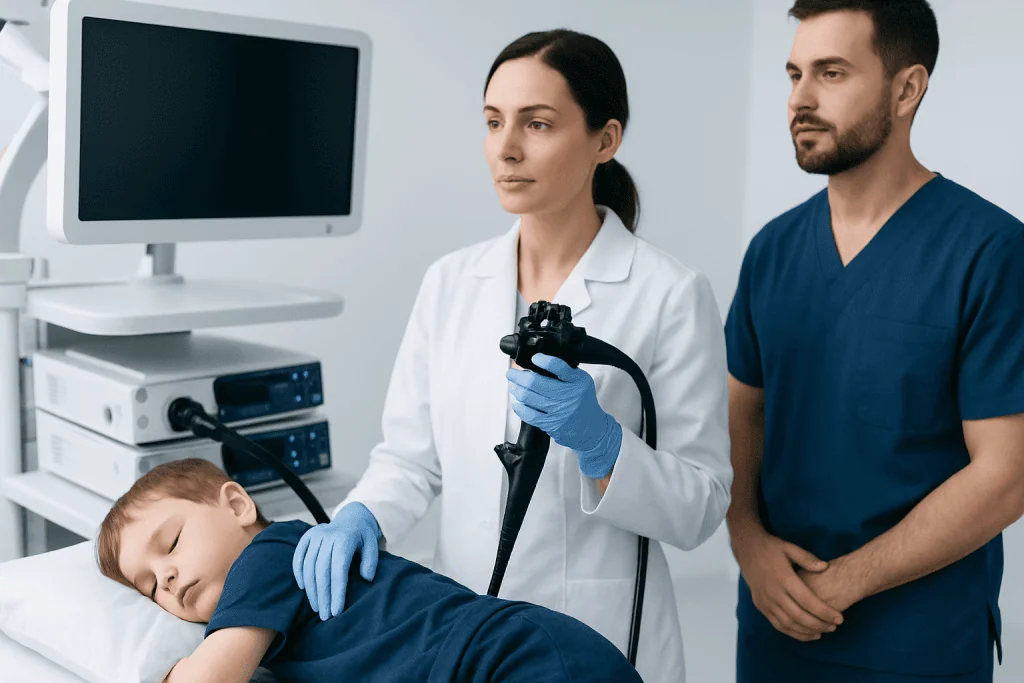
A colonoscopy is a procedure that lets a pediatric gastroenterologist examine the inside of a child’s rectum and colon, also called the large intestine. A thin, flexible tube with a small camera on its tip is gently passed through the anus while the child is asleep under anesthesia or deep sedation. Images from the camera help the doctor assess the intestinal lining in detail.
Doctors may recommend colonoscopy children when symptoms or test results suggest a bowel condition that cannot be fully assessed with an examination, blood test, stool test, or scan alone. During the procedure, the doctor can take biopsies, which are tiny tissue samples examined in a laboratory. Biopsies are painless because the intestinal lining does not sense cutting in the same way as skin.
Colonoscopy may help identify inflammation, bleeding sources, polyps, infections, and changes associated with conditions such as inflammatory bowel disease. It is both a diagnostic test and, in selected situations, a treatment procedure because some polyps can be removed during the same examination.
Why a Child May Need This Test
A pediatric gastroenterologist considers colonoscopy when a child has ongoing digestive symptoms, unexplained findings on laboratory tests, or a known intestinal condition requiring assessment. The decision is individualized and takes into account the child’s age, growth, medical history, family history, symptoms, and previous test results.
Reasons for referral can include persistent or recurrent rectal bleeding, long-lasting diarrhea, unexplained abdominal pain with warning signs, poor weight gain, anemia, raised markers of inflammation, or suspected inflammatory bowel disease. It may also be used to monitor healing or response to treatment in a child with an established bowel condition.
Not every child with abdominal discomfort needs colonoscopy. Common symptoms such as short-lived stomach pain or constipation are often assessed first with a clinical review and less invasive tests. A specialist recommends colonoscopy when its likely benefits outweigh the small risks and when the findings may meaningfully guide care.
- Rectal bleeding that is recurrent or unexplained
- Chronic diarrhea, particularly with weight loss or nighttime symptoms
- Unexplained iron-deficiency anemia or signs of intestinal inflammation
- Suspected polyps or a relevant family history
- Evaluation or follow-up of inflammatory bowel disease
How Should I Prepare My Child for a Pediatric Colonoscopy?
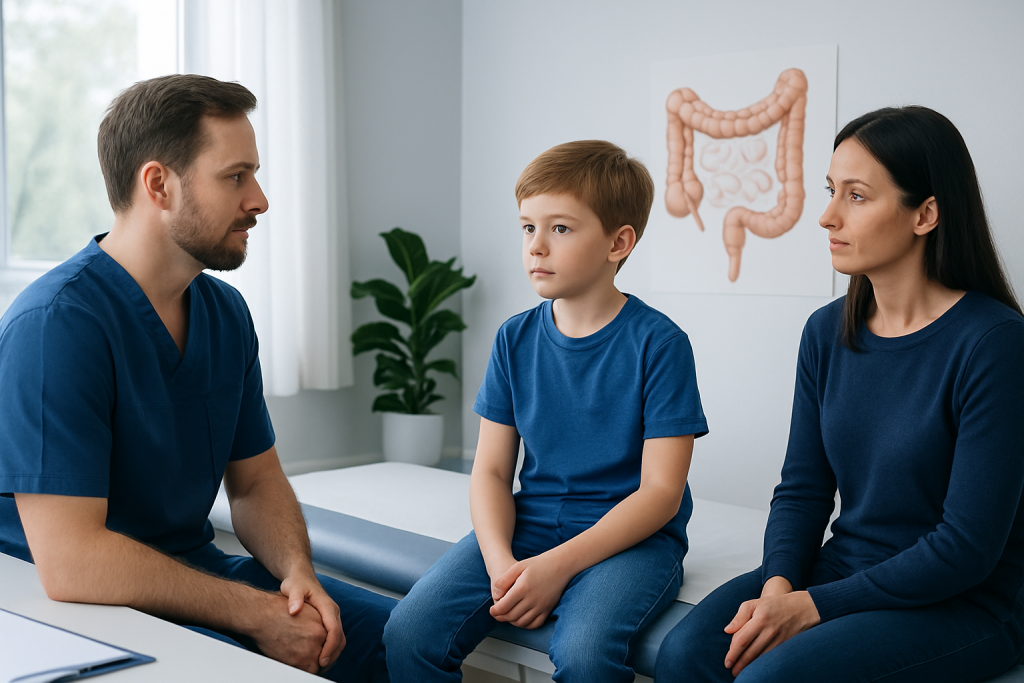
Preparation instructions should always come from the child’s endoscopy team, as the plan depends on age, weight, health conditions, the procedure time, and the bowel-cleaning medicine prescribed. Families should review the instructions early, arrange time at home for the preparation, and contact the team promptly if the child cannot drink the solution, vomits repeatedly, or develops concerning symptoms.
Most children follow a modified diet for a short period before the test, often moving to clear liquids on the day before the procedure. Clear liquids may include water, clear broth, certain clear juices without pulp, oral rehydration drinks, gelatin, and ice pops that are not red or purple. The team will specify which foods and drinks are allowed, as fasting rules before anesthesia are particularly important.
The bowel-preparation medicine causes loose, frequent stools to empty the colon. It may be easier for a child to take if it is chilled, sipped through a straw, divided as instructed, or followed by an approved clear drink. Parents should not change the amount, mix the medicine with unapproved liquids, or substitute another product without clinical advice.
Medication planning matters. The clinician should know about all prescription medicines, over-the-counter products, vitamins, herbal supplements, allergies, diabetes, kidney disease, heart conditions, and bleeding disorders. Some medicines may need special instructions before the procedure, especially medicines that affect blood clotting or blood sugar.
Will I Be Up All Night Pooping With Colonoscopy Prep?
Many children will have frequent, urgent bowel movements after starting the bowel preparation, and some families do need to be near a toilet for several hours. Whether this continues overnight depends on the timing and type of preparation prescribed. Some centers use split-dose preparation, in which part is taken later or on the morning of the examination, because this can improve bowel cleansing.
Stools usually become progressively more watery and lighter in color. By the end of preparation, the output should generally look like clear or yellow liquid with little or no solid material, although the care team should provide the exact goal for the child. A colon that is not clean enough may limit visibility and occasionally means the procedure needs to be delayed or repeated.
Parents can make the process more manageable by keeping the child close to a bathroom, offering only approved fluids, using soft toilet paper or water wipes if appropriate, and applying a protective barrier cream to prevent skin irritation. The child should continue drinking permitted clear liquids to reduce the risk of dehydration unless the team gives different instructions.
What Is the Hardest Part of the Colonoscopy Prep?
For many families, the most difficult part is finishing the bowel-cleansing drink while managing frequent trips to the toilet. The taste and volume of the solution can be challenging, particularly for younger children or children who are sensitive to flavors and textures. Hunger, tiredness, and temporary nausea can also make the preparation day feel demanding.
Planning ahead can help. Families may prepare approved clear drinks, choose child-friendly activities near the bathroom, and use the practical strategies recommended by the endoscopy team for drinking the solution. Calm, simple explanations are often helpful: the medicine is clearing the bowel so the doctor can take clear pictures and avoid missing important information.
If the child is unable to complete the preparation, has persistent vomiting, seems unusually sleepy or weak, urinates much less than usual, or cannot keep clear fluids down, parents should call the clinical team. It is safer to ask for advice early than to proceed with an incomplete preparation or wait until the procedure appointment.
What Happens During the Procedure?
On arrival, staff confirm the child’s medical information, fasting status, preparation quality, allergies, and medicines. A pediatric anesthesiologist or anesthesia professional discusses the planned sedation or anesthesia and answers questions. Parents may be able to stay with the child until it is time to enter the procedure area, depending on hospital policy and the child’s needs.
Once asleep, the child is positioned comfortably, usually on the left side. The doctor carefully advances the colonoscope through the rectum and around the colon. A small amount of air or carbon dioxide may be used to gently open the bowel for a better view. The examination often takes less than an hour, but timing varies if biopsies are taken or a polyp is removed.
The doctor may take biopsies even when the bowel appears normal because microscopic changes can provide important diagnostic information. If a suitable polyp is found, it can sometimes be removed through the scope. This avoids an incision and may prevent future bleeding or other problems. Families can learn more about colonoscopy and its clinical uses when discussing the procedure with their specialist.
Afterward, the child goes to a recovery area where trained staff monitor breathing, comfort, blood pressure, and alertness as anesthesia wears off. The doctor usually speaks with the parent or guardian about initial findings before discharge, while biopsy results commonly take longer because they require laboratory analysis.
Is It Safe for a 5-Year-Old to Have a Colonoscopy?
Yes. A colonoscopy can be performed safely in a 5-year-old when it is medically indicated and carried out by an experienced pediatric endoscopy and anesthesia team. Young children are routinely assessed carefully before the procedure so that anesthesia, bowel preparation, monitoring, and equipment are appropriate for their age and size.
Like all medical procedures, colonoscopy has risks. Temporary bloating, gas, nausea, sore throat from airway support, mild abdominal cramping, and fatigue after anesthesia can occur. Less common complications include dehydration from bowel preparation, bleeding after a biopsy or polyp removal, an adverse reaction to anesthesia, infection, or a tear in the bowel wall.
Serious complications are uncommon, and the team takes steps to reduce risk through pre-procedure assessment, appropriate fasting, continuous monitoring, and clear aftercare instructions. Parents should share all health conditions and medications in advance and should ask the specialist about the expected benefits and risks for their own child.
Recovery, Results and When to Seek Medical Care
Most children return home on the same day after colonoscopy. They may be sleepy, unsteady, gassy, or mildly uncomfortable for the rest of the day. A responsible adult should supervise them, and the endoscopy team will advise when the child can return to usual food, school, sports, and medicines. Following anesthesia, children should avoid activities that require close coordination until they are fully alert.
Initial visual findings may be available immediately, but biopsy or polyp laboratory results can take several days or longer. The specialist interprets results alongside the child’s symptoms, physical examination, blood and stool tests, and imaging where relevant. A normal colonoscopy can also be useful because it helps guide the next steps in evaluating symptoms.
When to seek medical care: Families should contact the endoscopy team urgently or seek emergency assessment if the child has severe or worsening abdominal pain, a swollen or rigid abdomen, repeated vomiting, persistent fever, heavy rectal bleeding, black stools, fainting, trouble breathing, or unusual difficulty waking after sedation. Mild gas discomfort and a small amount of blood after a biopsy may occur, but parents should ask the care team what is expected for their child.
Acibadem International’s multidisciplinary specialists and JCI-accredited hospitals support international patients requiring pediatric digestive assessment and treatment. A pediatric gastroenterologist can help families understand whether colonoscopy is appropriate and what follow-up may be needed.
Frequently asked questions
How long does a colonoscopy take for a child?
The colonoscopy itself often takes less than an hour, although the total visit is longer because it includes check-in, anesthesia preparation, recovery, and discussion of initial findings. Extra time may be needed if biopsies are taken or a polyp is removed.
Will my child be awake during a colonoscopy?
Most children receive anesthesia or deep sedation and are asleep during the procedure. They generally do not feel the examination or remember it afterward. The anesthesia team explains the plan before the procedure.
Can my child eat after a colonoscopy?
Many children can start with fluids and then return gradually to normal food once they are awake and are not vomiting. The exact advice depends on the procedure, anesthesia, and whether treatment such as polyp removal was performed. Families should follow the discharge instructions provided by the care team.
How do I know whether the bowel preparation worked?
By the end of preparation, bowel movements should generally be watery, clear or yellow, and contain little or no solid stool. The endoscopy team will provide the specific target and instructions for calling if the preparation does not seem complete. Do not assume the procedure can proceed without checking when there is doubt.
Are biopsies during a child’s colonoscopy painful?
No. Biopsies are taken while the child is under anesthesia or deep sedation, so they do not feel the sampling. The bowel lining does not have the same pain sensation as the skin, and the samples are very small.
When can my child return to school after colonoscopy?
Many children can return to school the following day if they feel well, are eating and drinking normally, and have no concerning symptoms. Some may need more time after a difficult preparation, prolonged anesthesia effects, or a therapeutic procedure. The treating team can give individualized guidance.
References
- North American Society for Pediatric Gastroenterology, Hepatology and Nutrition
- European Society for Paediatric Gastroenterology Hepatology and Nutrition
- American Society for Gastrointestinal Endoscopy
- National Institute of Diabetes and Digestive and Kidney Diseases
This article is for general information only and is not a substitute for professional medical advice. Please consult a qualified doctor about your individual situation.
Persistent digestive symptoms? Get evaluated in Turkey
JCI-accredited · board-certified surgeons · reply within 24h
Add us as a Preferred Source to see more of our trusted health content across Google Search, AI Overviews and Discover.