Fasting and Chemotherapy: How It Works, Results and What to Expect
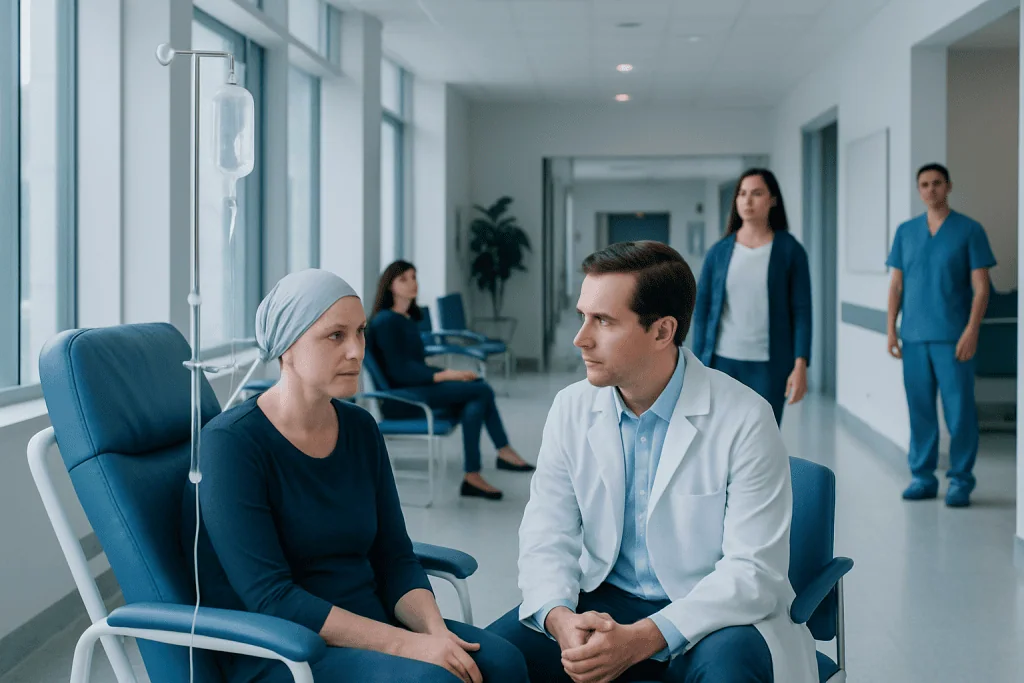
Fasting before or during chemotherapy is not routinely recommended for most patients outside a supervised clinical setting. Small studies suggest fasting or fasting-mimicking diets may be feasible for selected patients, but larger trials are needed to confirm safety and benefit.
Key Takeaways
- Fasting before or during chemotherapy is not routinely recommended for most patients outside a supervised clinical setting.
- Small studies suggest fasting or fasting-mimicking diets may be feasible for selected patients, but larger trials are needed to confirm safety and benefit.
- Preventing malnutrition, dehydration and unplanned weight loss is usually a higher priority during chemotherapy.
- People with diabetes, low body weight, poor intake, frailty, eating disorders or certain cancers may face particular risks from fasting.
- Treatment response is assessed through symptoms, examination, blood tests and imaging—not by fasting-related sensations or side effects alone.
Fasting and chemotherapy is an area of active research, but current evidence does not support unsupervised fasting as a standard part of cancer treatment. Because chemotherapy can affect appetite, weight and blood counts, any dietary restriction should be reviewed individually by the oncology team and a cancer dietitian.
Fasting and Chemotherapy: What Does It Mean?
Fasting and chemotherapy refers to limiting or avoiding calories for a period before, during or after an infusion. Some people hope this may reduce treatment side effects or make cancer cells more sensitive to chemotherapy. Although this approach is being researched, it is not standard cancer care and is not appropriate for everyone.
Available research includes small early-phase studies of short-term fasting and fasting-mimicking diets, which provide very low calories for a limited time. These studies have explored feasibility and possible biological effects, but they do not prove that fasting improves survival, prevents recurrence or reliably reduces side effects. Patients should not start fasting, restrictive dieting or supplements without discussing them with their oncologist.
During chemotherapy, maintaining enough energy, protein, fluids and micronutrients can be essential. Cancer itself, surgery, treatment-related nausea, altered taste, mouth sores and bowel changes can make eating difficult. For many patients, the safest nutrition plan focuses on preserving strength and avoiding unintended weight loss.
How Might Fasting Affect Chemotherapy?
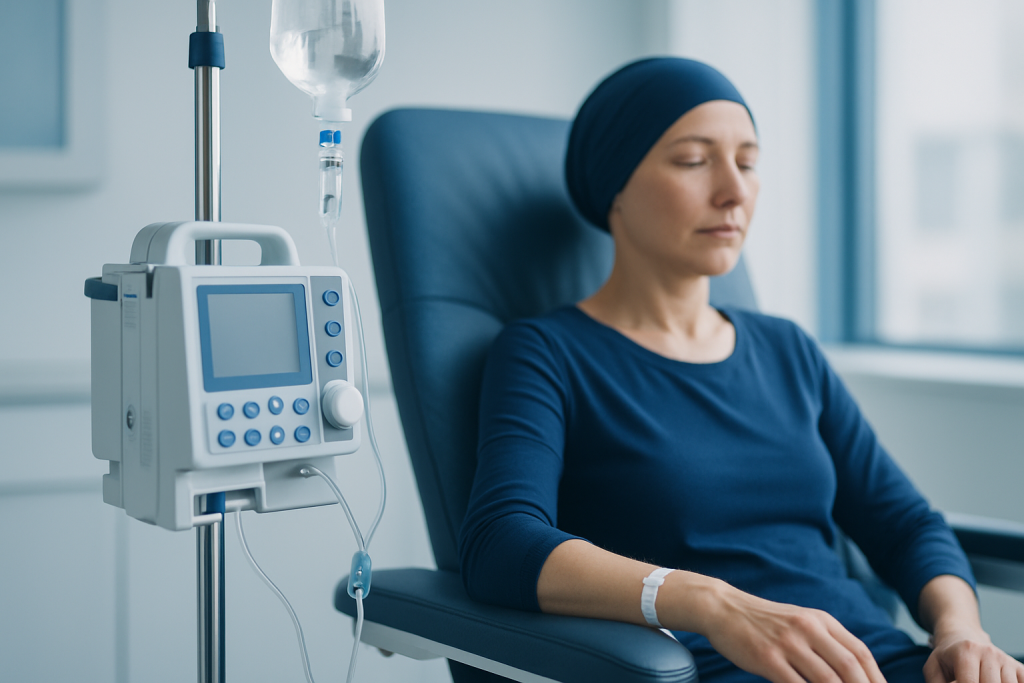
Laboratory research suggests that brief calorie restriction may change hormones and cellular energy pathways. Healthy cells may temporarily slow some growth-related processes during food restriction, while cancer cells may be less able to adapt to metabolic stress. This concept is sometimes described as differential stress resistance or differential stress sensitization.
These mechanisms are scientifically interesting, but laboratory findings do not automatically translate into useful or safe treatment for people. Human cancers are diverse, chemotherapy regimens differ, and nutritional needs vary widely. A strategy that appears tolerable for one person may create harmful nutritional stress for another.
A fasting-mimicking diet is different from complete fasting. It is usually a structured, low-calorie, low-protein dietary pattern for several days rather than no food at all. It should still be regarded as an investigational nutrition approach unless it is part of a clinician-supervised plan or clinical trial.
- Potentially studied outcomes include nausea, fatigue, blood-count changes and treatment tolerance.
- There is not enough high-quality evidence to recommend fasting to improve chemotherapy effectiveness.
- Nutrition needs should be assessed before every major dietary change during treatment.
Who May or May Not Be a Candidate?
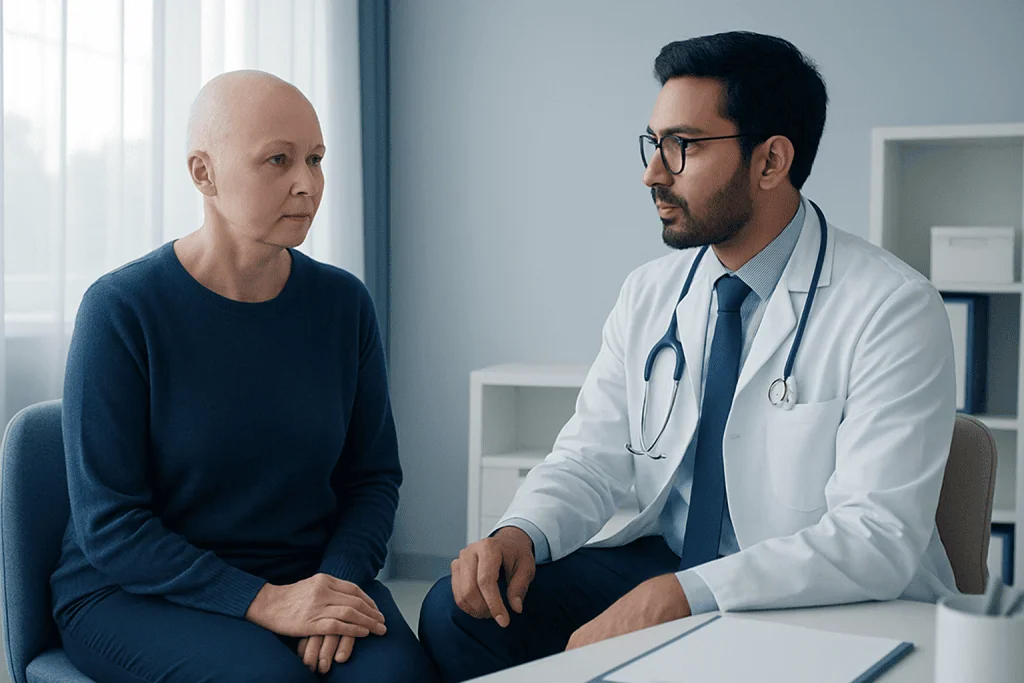
There is no universal candidate for fasting with chemotherapy. An oncology team may consider a person’s cancer type, treatment intent, chemotherapy medicines, current weight, recent weight change, blood results, kidney and liver function, appetite and other medical conditions. If fasting is being considered at all, it should involve an oncologist and an oncology dietitian.
Fasting is generally unsuitable or requires especially careful specialist assessment for people who are underweight, losing weight unintentionally, malnourished, older and frail, pregnant or breastfeeding, or recovering from major surgery. It can also be risky for people with diabetes, a history of eating disorders, poor kidney function, active infections, swallowing problems or severe treatment-related nausea, vomiting or diarrhea.
Children and adolescents receiving cancer treatment should not undertake fasting unless a specialist pediatric oncology team has prescribed and monitored an individualized nutritional plan. Patients using insulin or glucose-lowering medicines must never change eating patterns without medical guidance because dangerous low blood sugar can occur.
For many people, individualized oncology nutrition support is more appropriate than fasting. This may include practical help with protein intake, meal timing, nausea management, food safety and strategies to maintain weight through chemotherapy treatment.
What Would a Supervised Fasting Plan Involve?
There is no established, universally accepted fasting protocol for chemotherapy. Online plans can be incomplete, unsuitable for a particular regimen or unsafe in the presence of other illnesses. A patient should not assume that skipping meals on infusion day is beneficial.
If a treating team believes a research-based dietary intervention is appropriate, the process should begin with nutritional screening. The clinician may review body weight, muscle mass, recent intake, medications, blood glucose risks, gastrointestinal symptoms and the planned chemotherapy schedule. The patient should be told exactly what foods and drinks are allowed, when to stop the plan and when to contact the team.
During any restricted dietary period, clinicians may advise monitoring hydration, dizziness, weakness, blood glucose where relevant, nausea, vomiting and ability to drink. The plan should be stopped and medical advice sought if the person cannot maintain fluids, develops significant symptoms or is losing weight. After chemotherapy, nutrition is usually reintroduced with meals and snacks that are tolerable, nutrient-dense and adapted to side effects.
Patients interested in integrative approaches can ask whether a registered dietitian, supportive-care clinician or suitable clinical trial is available. Dietary changes should complement—not replace—evidence-based cancer treatment such as medical oncology care.
Potential Benefits, Limits and Risks
Some small human studies have reported that short-term fasting or fasting-mimicking diets can be feasible for carefully selected patients. Research has also explored whether these approaches may affect fatigue, gastrointestinal symptoms or quality of life. However, the evidence remains limited, and findings are not consistent enough to make fasting a routine recommendation.
The most important concern is inadequate nutrition. Chemotherapy may already reduce appetite or impair the ability to absorb and use nutrients. Restricting food can worsen fatigue, dehydration, dizziness, low blood sugar, muscle loss and unintended weight loss. Poor nutritional status can also make it harder to recover between cycles or complete planned treatment.
Fasting should never be used to delay, reduce or replace chemotherapy, surgery, radiotherapy or other recommended cancer care. People should also avoid relying on anecdotal reports, as treatment experiences differ substantially. A cancer dietitian can help patients compare possible theoretical benefits against personal risks in a realistic and supportive way.
Supportive care is especially important for people treated for cancers that may already affect eating or digestion, including gastric cancer and pancreatic cancer. In these situations, maintaining nutrition may be particularly challenging and should be addressed early.
What Is the 62 Day Rule for Cancer?
The “62 day rule” is a United Kingdom cancer-care waiting-time standard, not a fasting or chemotherapy rule. It has generally referred to a target for a person with an urgent suspected-cancer referral to begin first definitive cancer treatment within 62 days of referral.
Waiting-time standards may differ by country, health system and clinical situation. They are designed to help services measure timely access to diagnosis and treatment, but they do not determine the right treatment plan for an individual patient. Some cancers require urgent action, while others need additional tests or specialist planning before treatment can begin safely.
Anyone concerned about delays should ask their care team what tests are pending, what the expected timeline is and whether symptoms require more urgent review. Patients should not postpone appointments or treatment while attempting fasting or other self-directed dietary measures.
What Week of Chemo Is the Hardest?
There is no single hardest week of chemotherapy. The experience depends on the medicines used, dose, treatment schedule, cancer type, other treatments and the person’s overall health. Some people feel most unwell in the first few days after an infusion, while others find symptoms accumulate over several cycles.
For many regimens, fatigue, nausea, bowel changes and appetite changes may occur soon after treatment. Blood cell counts can fall later in the cycle, sometimes around one to two weeks after chemotherapy, depending on the regimen. This may increase infection risk and is one reason regular blood tests and symptom reporting are important.
Side effects should not simply be endured. Oncologists can often adjust supportive medicines, hydration advice, activity plans and nutrition strategies. Reporting symptoms early may prevent complications and help treatment remain as safe and manageable as possible.
What Are Some Signs That Chemotherapy Is Working?
Symptoms may improve when chemotherapy is controlling a cancer—for example, pain, cough, shortness of breath or pressure symptoms may lessen. However, symptom changes alone cannot reliably show whether treatment is working. Some cancers cause few symptoms even when active, and side effects do not indicate that chemotherapy is more effective.
Oncology teams assess response using a combination of physical examination, blood tests, scans and sometimes tumor markers. The timing of these assessments depends on the cancer and treatment plan. Imaging may show whether tumors have shrunk, remained stable or changed in another way.
It is also possible for a person to feel tired or nauseated while treatment is working well, or to feel relatively well when a cancer needs a treatment change. Patients should ask their oncologist when response will be evaluated and what results will guide the next steps. Depending on the diagnosis, care may also involve radiotherapy or other treatments alongside systemic therapy.
Does Mayo Clinic Recommend Fasting Before Chemotherapy?
Mayo Clinic does not provide a universal recommendation that all patients should fast before chemotherapy. Like other major cancer centers, it emphasizes individualized nutrition support and encourages patients to discuss any fasting plan with their cancer care team. Recommendations depend on a person’s treatment, nutritional status, medical conditions and goals of care.
Patients should be cautious about interpreting general information as a personal recommendation. A nutrition approach that is being studied in selected adults or in a clinical trial may not be safe during routine chemotherapy. The most appropriate plan is one developed with the treating oncologist and a qualified oncology dietitian.
Rather than fasting independently, patients can ask practical questions: Is weight loss a concern? How much protein and fluid are needed? Are there foods to avoid because of infection risk or side effects? Could a dietitian help with nausea, taste changes or poor appetite?
When to Seek Medical Care
Patients should contact their oncology team promptly if they cannot keep fluids down, are eating or drinking very little, feel faint, have new confusion, develop severe weakness or are losing weight quickly. These symptoms may reflect dehydration, low blood sugar, infection, medication effects or nutritional problems that need assessment.
Urgent medical advice is also needed for fever during chemotherapy, chills, new shortness of breath, chest pain, uncontrolled vomiting, severe diarrhea, bleeding, or signs of an allergic reaction. The treatment team should provide clear instructions about the temperature threshold and emergency contact process for the individual regimen.
Acibadem International’s multidisciplinary specialists and JCI-accredited hospitals support international patients with individualized cancer diagnosis, treatment and nutrition planning. Patients considering fasting or any major diet change should raise it openly with their cancer team so that safety remains the priority.
Frequently asked questions
Can a person fast before chemotherapy?
Some selected adults may be able to follow a short, clinician-supervised dietary restriction plan, but fasting is not routinely advised before chemotherapy. It can be unsafe for people who are losing weight, have diabetes, have poor intake or have other medical risks. An oncologist and oncology dietitian should review any plan before it begins.
Can fasting make chemotherapy more effective?
Laboratory and early clinical research has raised this possibility, but there is not enough strong evidence to confirm that fasting improves chemotherapy effectiveness or cancer outcomes. It should not replace proven cancer treatment. Patients should discuss clinical trials or nutrition questions with their oncology team.
Should chemotherapy patients eat on treatment day?
Many patients benefit from eating small, tolerable meals and drinking fluids around treatment, particularly if they are at risk of nausea or weight loss. The best approach varies by regimen and symptoms. The oncology team may offer specific instructions for medicines that must be taken with food or on an empty stomach.
What is a fasting-mimicking diet?
A fasting-mimicking diet is a short-term, highly structured diet that provides limited calories rather than no food at all. It is being studied in cancer care but is not a standard chemotherapy recommendation. It should only be considered with professional nutrition and oncology supervision.
Can fasting reduce chemotherapy side effects?
A few small studies have explored whether short-term fasting or fasting-mimicking diets may influence side effects, but results are not sufficient to establish a reliable benefit. Fasting can also worsen fatigue, dehydration and weight loss. Standard supportive treatments for nausea, pain and other side effects remain important.
What should a patient do if fasting causes dizziness or weakness?
The person should stop fasting, take fluids if they can safely swallow and contact their cancer care team for advice. Severe weakness, fainting, confusion, persistent vomiting or inability to drink needs urgent assessment. People using diabetes medicines should seek prompt guidance because low blood sugar can be dangerous.
References
- American Cancer Society
- National Cancer Institute
- European Society for Clinical Nutrition and Metabolism
- American Society of Clinical Oncology
- World Cancer Research Fund International
This article is for general information only and is not a substitute for professional medical advice. Please consult a qualified doctor about your individual situation.
Chemotherapy in Turkey — costs, top hospitals & a free quote
JCI-accredited · board-certified surgeons · reply within 24h
Add us as a Preferred Source to see more of our trusted health content across Google Search, AI Overviews and Discover.
Check your numbers in seconds
BMI, calories, due date, blood pressure and 30+ more clinical calculators — free, instant, doctor-reviewed ranges.

Medical Oncology Department
Medical treatment of cancer with chemotherapy, immunotherapy and targeted therapies under a multidisciplinary tumor board.
60 specialists in this unitMore from the Health Library

Related Specialists
Dr. Gülay Beydilli Nacak
Gynecology & Obstetrics
Dr. Canan Çelebi
Internal Medicine
Dr. Mustafa Barış Kemahli
Cardiovascular Surgery
Dr. Sebiha Nihal Yılmaz
Oral Dental and Maxillofacial Surgery