Consussion Treatment: How It Works, Results and What to Expect

A concussion is a mild traumatic brain injury caused by a blow, jolt or force that makes the head and brain move rapidly. Initial treatment includes prompt assessment, 24 to 48 hours of relative rest and a gradual, symptom-guided return to school, work, exercise and sport.
Key Takeaways
- A concussion is a mild traumatic brain injury caused by a blow, jolt or force that makes the head and brain move rapidly.
- Initial treatment includes prompt assessment, 24 to 48 hours of relative rest and a gradual, symptom-guided return to school, work, exercise and sport.
- Most concussions resolve fully, but some people develop symptoms that last longer and may need targeted treatment.
- Emergency evaluation is needed for worsening headache, repeated vomiting, seizures, increasing confusion, weakness or difficulty waking.
- No one should return to contact sport or other high-risk activity until cleared by an appropriately qualified clinician.
Consussion treatment, more accurately called concussion treatment, focuses on recognizing urgent problems, supporting the brain’s recovery and gradually returning to usual activities. Most people improve within days to weeks, while ongoing symptoms benefit from individualized medical assessment and rehabilitation.
Overview: How Consussion Treatment Works
Consussion treatment is generally understood as concussion treatment. A concussion is a mild traumatic brain injury that may occur after a direct hit to the head or a forceful impact to the body that causes the head to move quickly. It can affect how the brain functions temporarily, even when imaging scans are normal and there was no loss of consciousness.
Treatment begins with identifying whether emergency care is needed, followed by a short period of relative rest and a planned return to normal activities. Rather than prescribing prolonged complete rest, clinicians usually recommend carefully increasing physical and mental activity below the level that significantly worsens symptoms.
Care is individualized because concussion symptoms vary. Headache, dizziness, concentration difficulties, sleep changes, mood symptoms, visual discomfort and neck pain may each require different forms of support. A clinician may coordinate care with neurology, rehabilitation, physiotherapy, vestibular therapy, eye-care and mental health professionals when symptoms persist.
Symptoms, Benefits and Who May Need Treatment
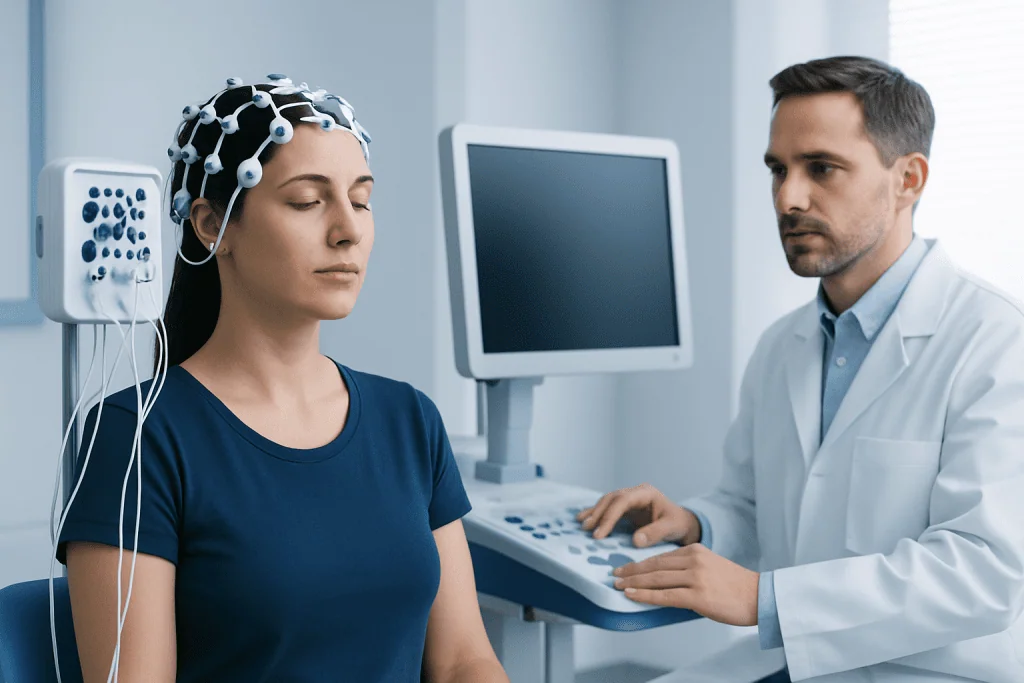
Symptoms can begin immediately or emerge over the following hours. Common physical symptoms include headache, nausea, dizziness, balance problems, sensitivity to light or sound, fatigue and blurred vision. Cognitive and emotional symptoms can include feeling slowed down, trouble concentrating, forgetfulness, irritability, anxiety or changes in sleep.
The main benefit of appropriate concussion care is a safer, more comfortable recovery and a lower risk of returning to demanding or high-risk activities too early. Individualized guidance can also identify problems that are treatable, such as migraine-like headache, neck injury, vestibular dysfunction, sleep disruption or visual strain.
Anyone with a suspected concussion should be assessed by a healthcare professional, particularly children, older adults, people taking blood-thinning medicines, people with a previous concussion, and those whose symptoms are severe or worsening. Assessment is also important when symptoms interfere with school, work, driving, daily tasks or sport.
- Risk may be higher after falls, road traffic injuries, workplace incidents and contact sports.
- A history of migraine, anxiety, depression, learning difficulties or previous concussion can influence recovery planning.
- Alcohol, recreational drugs and another head injury during recovery can complicate assessment and recovery.
Assessment and the Step-by-Step Treatment Process

There is no single test that confirms every concussion. A clinician first asks about the injury, symptoms, medical history and medications, then performs a neurological examination. This may include checks of memory, attention, balance, eye movements, coordination, strength and sensation. In children and athletes, age-appropriate symptom and cognitive tools may also be used.
CT or MRI scans are not routinely needed for an uncomplicated concussion. They may be used when there is concern about bleeding in or around the brain, skull fracture or another serious injury. A normal scan does not rule out concussion, but it can help exclude urgent structural problems.
After assessment, the clinician provides a recovery plan. The first 24 to 48 hours usually involve relative rest: reducing strenuous exercise, avoiding activities with a risk of another head injury, and limiting tasks that markedly worsen symptoms. Complete isolation in a dark room or stopping all activity for extended periods is generally not recommended unless specifically advised.
The next step is graded activity. Daily activities, school or work tasks, walking and light aerobic exercise are reintroduced in stages, with adjustments based on symptoms. For ongoing dizziness or balance problems, vestibular rehabilitation may help. Neck-focused physiotherapy, headache management, sleep support, vision assessment or psychological support may be considered according to the individual’s needs.
Recovery Timeline, Risks and Return to Activity
Many adults and children feel substantially better within a few days to several weeks. Recovery does not follow the same timetable for everyone, and symptoms may fluctuate during the first days. Mild, brief symptom increases during a carefully managed return to activity can occur, but sustained or marked worsening should be discussed with a clinician.
A return to school or work may involve temporary adjustments, such as shorter days, scheduled breaks, reduced screen-based tasks, extra time for assignments or avoiding safety-sensitive duties. Returning to sport requires a structured progression from daily activity to light exercise, sport-specific exercise, non-contact training and finally full participation. Each stage should be completed without significant symptoms before moving forward.
The key risk during recovery is another injury before the brain has recovered. A repeat concussion can lead to more severe symptoms and a longer recovery. People should avoid contact sports, cycling without appropriate precautions, climbing, driving if dizzy or slowed, and other activities where impaired balance, vision or concentration could create danger.
Persistent symptoms are sometimes called post-concussion symptoms. They do not mean that recovery is impossible. They do mean that reassessment is useful, so contributing factors can be identified and treated rather than relying only on time and rest.
When to Seek Medical Care
Emergency medical care is needed after a head injury if there is worsening or severe headache, repeated vomiting, a seizure, increasing confusion, unusual behavior, slurred speech, weakness or numbness, poor coordination, unequal pupils, loss of consciousness, or difficulty waking the person. These symptoms may indicate a more serious brain injury and should not be managed at home.
Urgent medical assessment is also appropriate for a person who takes anticoagulant or antiplatelet medication, has a bleeding disorder, is older, or had a high-energy injury. A responsible adult should observe a person in the first hours after a concussion and seek advice if symptoms progress.
Non-emergency follow-up is important if symptoms do not steadily improve, return after activity, or persist beyond the expected recovery period. A clinician can review headache patterns, sleep, mood, neck symptoms, balance, vision and medication use, then arrange the most suitable support.
Can You Recover 100% From a Concussion?
Yes. Most people recover fully from a concussion and return to their usual school, work, exercise and social activities. Recovery is more likely to go smoothly when a person receives appropriate assessment, avoids another head injury and follows a gradual return-to-activity plan.
However, “100%” can mean different things to different people. Symptoms may disappear before a person has regained full confidence with demanding tasks such as prolonged screen work, driving, competitive sport or complex job responsibilities. A clinician can help determine when these activities can safely resume.
Some people have symptoms for weeks or longer. This does not necessarily indicate permanent damage, but it is a reason for a tailored assessment. Targeted treatment for headaches, dizziness, visual symptoms, sleep changes, mood concerns or neck pain can support recovery.
What Is the 4-Hour Rule for Concussion?
There is no universal medical “4-hour rule” that can confirm or exclude a concussion. The phrase is sometimes used informally to describe observing someone closely for several hours after a head injury, but it should not replace a clinical evaluation or emergency care when warning signs are present.
A person with a possible concussion should be monitored for worsening symptoms, especially during the first day after injury. It is not usually necessary to keep a person awake all night if they have been appropriately assessed and are otherwise stable, but a clinician may give specific monitoring instructions depending on the injury and the person’s risk factors.
If there is repeated vomiting, worsening headache, confusion, seizure, weakness, unusual drowsiness or difficulty waking, emergency care is needed immediately. When in doubt, it is safer to seek professional advice rather than relying on a time-based rule.
Does the Brain Fully Recover After a Concussion?
For most people, the brain recovers fully after a single uncomplicated concussion. Symptoms reflect a temporary disruption in brain function, and standard brain scans are often normal. The recovery process can take time, even after outward symptoms have improved.
Recovery may be slower after repeated concussions, more severe initial symptoms, coexisting neck injury, migraine, sleep disturbance or mental health concerns. These factors do not predict a poor outcome for every individual, but they support the need for a personalized plan and follow-up.
Returning to high-risk activity before recovery is complete is avoidable and may increase the chance of another injury. Medical clearance is particularly important for contact sports, occupations involving heights or machinery, and activities requiring rapid reactions and balance.
What Is the 20/20/20 Rule for Concussion?
The 20/20/20 rule was developed as a general eye-strain strategy, not as a concussion treatment rule. It usually means looking away from a screen every 20 minutes at something about 20 feet away for 20 seconds. Some people find it helpful when visual tasks provoke discomfort, eye fatigue or headache during concussion recovery.
Screen use should be adjusted according to symptoms rather than avoided completely for a fixed period. Reducing brightness, increasing text size, taking regular breaks and gradually extending screen time can be more practical than stopping all digital activity. If reading, screens or busy visual environments consistently trigger symptoms, a clinician may recommend a vision or vestibular assessment.
A structured recovery plan should address the whole symptom pattern, not screen exposure alone. The aim is a gradual return to meaningful activities while avoiding significant or prolonged symptom worsening.
Ongoing Support and Prevention
Prevention focuses on reducing the chance of head injury. This includes wearing appropriate protective equipment for sport and work, using seat belts and child car seats, preventing falls, following safety rules, and avoiding play or competition after a suspected concussion. Helmets are important for preventing certain head injuries, but they cannot prevent every concussion.
After recovery, people with a history of concussion may benefit from discussing prevention strategies before returning to activities with a risk of collision or falls. Coaches, schools, families and employers can support recovery by recognizing symptoms and allowing appropriate temporary adjustments.
For international patients needing coordinated evaluation, Acibadem International’s multidisciplinary specialists and JCI-accredited hospitals can assess concussion-related symptoms and arrange appropriate care. The priority remains a clear diagnosis, symptom-focused treatment and a safe return to daily life.
Frequently asked questions
Should a person sleep after a concussion?
Sleep is usually helpful for recovery. After appropriate assessment, a person does not generally need to be kept awake all night, although a clinician may recommend observation or specific wake-up checks in some circumstances. Emergency care is needed if the person is difficult to wake or develops worsening symptoms.
How long should rest last after a concussion?
Most current guidance supports 24 to 48 hours of relative rest rather than prolonged complete rest. After that, light physical and mental activity can usually be resumed gradually as long as it does not cause significant or lasting symptom worsening. The exact plan should be individualized by a clinician.
Can pain medicine be used for concussion headache?
A clinician can advise on safe options based on the injury, symptoms and medical history. It is important not to self-treat severe or worsening headache without assessment, because this can be a warning sign after a head injury. Medication overuse can also contribute to ongoing headaches.
When can someone drive after a concussion?
Driving should be avoided while dizziness, visual problems, slowed thinking, poor concentration, severe headache or drowsiness are present. Return to driving should be discussed with a clinician, especially for people whose work involves professional driving or operating machinery. Reaction time and decision-making need to be reliable for safe driving.
Can a concussion be seen on an MRI or CT scan?
A concussion often does not appear on standard CT or MRI scans because it is primarily a functional brain injury. These tests may be ordered to look for bleeding, skull fracture or other structural injuries when warning signs or risk factors are present. A normal scan does not mean symptoms are not real or do not require treatment.
When can an athlete return to sport after a concussion?
An athlete should return only after symptoms have resolved or are appropriately managed, normal daily activity is tolerated and a qualified healthcare professional has guided a stepwise return-to-sport process. The athlete must not return to play on the same day as a suspected concussion. A further head injury before recovery is complete can be more serious.
References
- Centers for Disease Control and Prevention
- World Health Organization
- National Institute of Neurological Disorders and Stroke
- Concussion in Sport Group
- American Academy of Neurology
This article is for general information only and is not a substitute for professional medical advice. Please consult a qualified doctor about your individual situation.
Explore treatments in Turkey — costs, top hospitals & a free quote
JCI-accredited · board-certified surgeons · reply within 24h
Add us as a Preferred Source to see more of our trusted health content across Google Search, AI Overviews and Discover.

More from the Health Library



Related Specialists

Prof. Dr. Hülya Hamzaoğlu
Gastroenterology
Dr. Ali Doruk Hacıoğlu
General Surgery
Dr. Nevin Sarıgüzel
Infectious Diseases & Clinical Microbiology
Dr. Salih Manavoğlu
Otorhinolaryngology