Autism Spectrum Disorder: Early Signs, Diagnosis, and Support
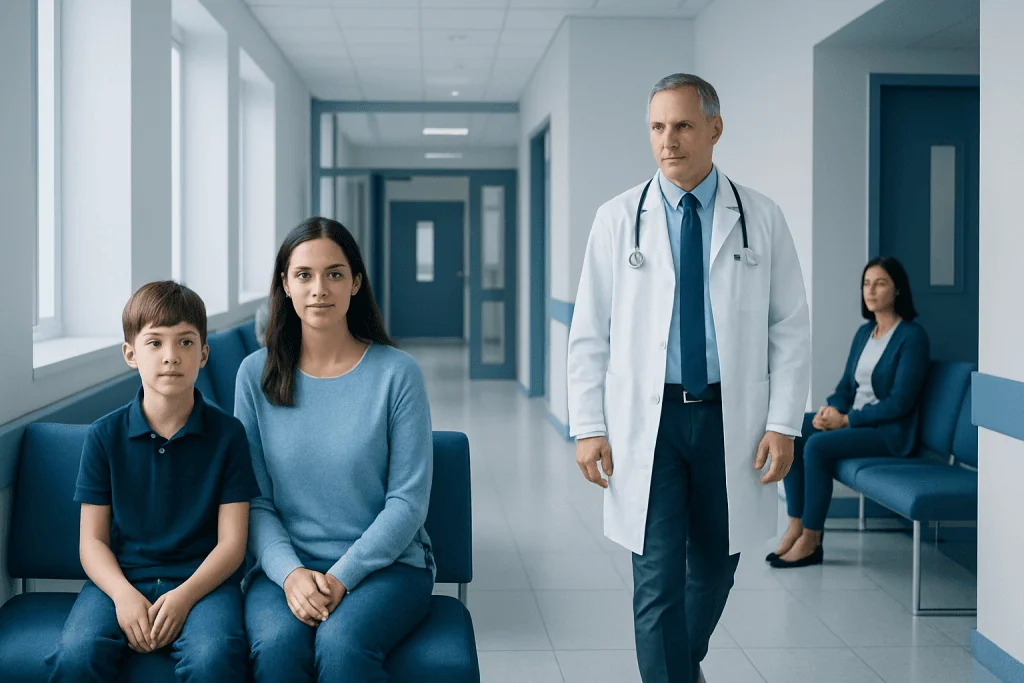
Autism spectrum disorder varies widely; each autistic person has a unique pattern of strengths, needs, and communication style. Early signs may include delayed speech, limited eye contact, repetitive behaviors, intense interests, or unusual responses to sounds, textures, or routines.
Key Takeaways
- Autism spectrum disorder varies widely; each autistic person has a unique pattern of strengths, needs, and communication style.
- Early signs may include delayed speech, limited eye contact, repetitive behaviors, intense interests, or unusual responses to sounds, textures, or routines.
- Diagnosis is based on developmental history, clinical observation, standardized tools, and assessment for related conditions.
- Support may include speech and language therapy, occupational therapy, educational planning, behavioral and developmental interventions, and family guidance.
- There is no single cure for autism, but timely, respectful, person-centered support can improve quality of life and daily functioning.
- Families should seek medical advice if developmental concerns appear at any age, especially if a child loses previously learned skills.
Autism spectrum disorder is a lifelong neurodevelopmental condition that affects social communication, behavior, interests, and sensory processing in different ways. Early recognition and supportive, individualized care can help children and adults build skills, reduce distress, and participate more comfortably in daily life.
Overview
Autism spectrum disorder, often shortened to ASD, is a neurodevelopmental condition that begins early in life and continues across the lifespan. It affects how a person communicates, interacts socially, learns, processes sensory information, and responds to routines or change. The word spectrum is important because autism does not look the same in every person. Some autistic people speak fluently and live independently, while others need significant support with communication, daily activities, and safety.
Autism is not a sign of poor parenting, lack of effort, or low intelligence. Many autistic people have strong memory, visual thinking, attention to detail, honesty, creativity, or deep knowledge in areas of interest. At the same time, they may experience difficulties with social expectations, flexible thinking, emotional regulation, sensory overload, sleep, feeding, or anxiety. A balanced approach recognizes both strengths and support needs.
Early recognition is helpful because developmental supports can be introduced when the brain is rapidly learning. However, diagnosis can also be valuable in adolescence or adulthood, especially for people who have struggled without understanding why. A diagnosis can guide accommodations at school or work, improve access to therapy, and help families communicate more effectively with the person’s needs in mind.
Early Signs and Symptoms
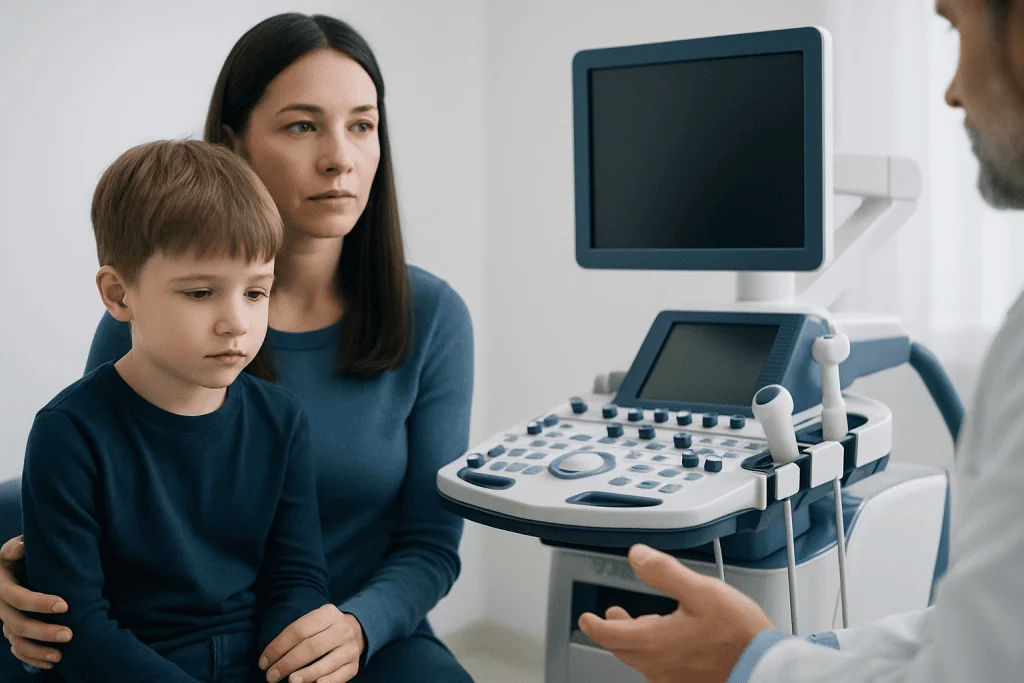
Signs of autism may be noticed in infancy, toddlerhood, preschool years, or later when social and communication demands increase. In young children, families may notice that the child does not consistently respond to their name, makes limited eye contact, rarely points to show interest, or seems less interested in shared play. Some children have delayed speech, use few gestures, repeat words or phrases, or speak in a very formal or unusual tone.
Repetitive behaviors and a preference for sameness are also common. A child may line up toys, spin wheels, flap hands, rock, repeat movements, become very upset by small changes, or strongly prefer a specific routine. Intense interests can appear early and may involve letters, numbers, vehicles, animals, maps, electronic devices, or parts of objects. Sensory differences may include distress with loud sounds, dislike of certain clothing textures, sensitivity to lights, strong food preferences, or seeking pressure and movement.
In older children, teenagers, and adults, autism may present more subtly. A person may want friendships but find conversation, humor, body language, or group situations confusing. They may feel exhausted after social interaction, rely on rehearsed phrases, or mask their difficulties to fit in. Common associated concerns include anxiety, attention difficulties, sleep problems, emotional outbursts, learning differences, coordination challenges, and feeding selectivity.
- Limited use of gestures such as pointing, waving, or showing objects
- Delayed speech or unusual language patterns
- Repetitive movements, play, or routines
- Strong reactions to sensory input such as noise, texture, or smell
- Difficulty with transitions, pretend play, or back-and-forth conversation
- Loss of previously learned words, social skills, or play skills
Causes and Risk Factors
Autism spectrum disorder develops from complex differences in brain development. Current evidence suggests that genetics play a major role, often involving many genes rather than one single cause. In some people, autism is associated with a known genetic condition or chromosomal difference. In many others, no specific genetic explanation is found, even when autism clearly runs in families.
Several factors may increase the likelihood of autism, but they do not determine a person’s future on their own. These include having an autistic sibling, certain genetic syndromes, very early birth, low birth weight, or some prenatal and perinatal factors. Advanced parental age has also been associated with increased likelihood in population studies. These are associations, not simple direct causes, and most families should not interpret them as blame.
Extensive research has found no credible evidence that vaccines cause autism. Concerns about vaccine safety should be discussed with a qualified pediatrician, but delaying recommended vaccines can leave children vulnerable to preventable infections. Understanding autism as a neurodevelopmental condition helps families focus on early support rather than searching for fault.
How Autism Is Diagnosed
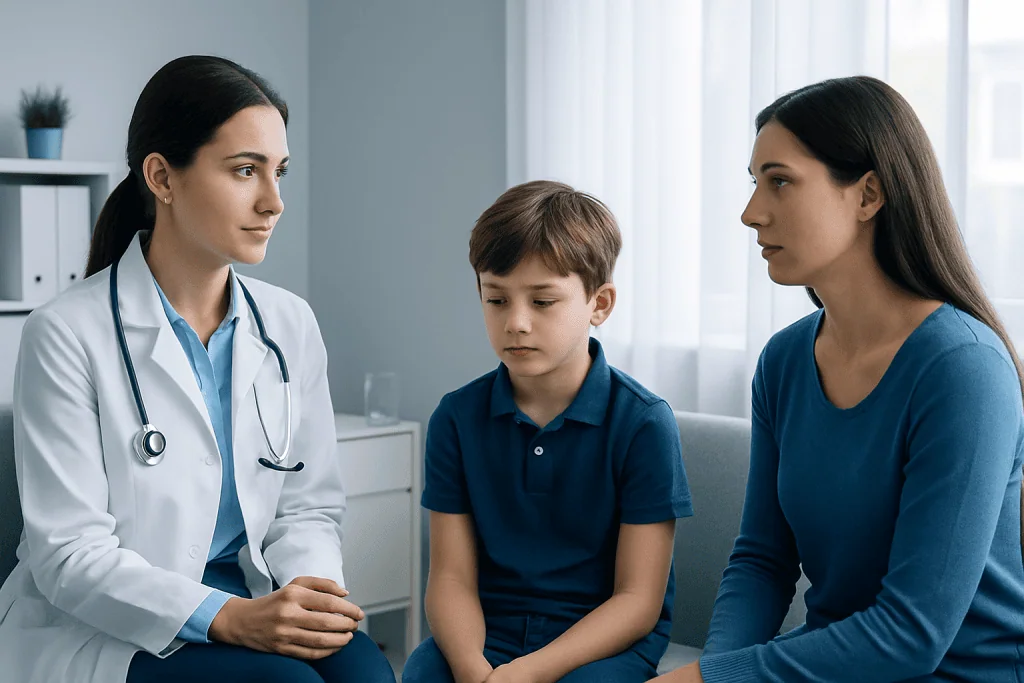
Diagnosis begins with listening carefully to developmental history. A doctor or specialist asks about early communication, play, social interaction, behavior, sensory responses, feeding, sleep, medical history, family history, and school functioning. For children, information from parents, caregivers, teachers, and previous health records can be very helpful. For adults, childhood history may be gathered from family members, school reports, or personal recollections when available.
Clinicians may use standardized screening and assessment tools, but autism diagnosis is not based on a blood test or brain scan. It is a clinical diagnosis made by comparing the person’s developmental pattern with accepted diagnostic criteria. Evaluation may include direct observation of social communication, play, language, flexibility, repetitive behaviors, and sensory responses. The clinician also considers whether the person needs support in daily life and whether symptoms have been present since early development.
A comprehensive assessment may involve a developmental pediatrician, child psychiatrist, neurologist, psychologist, speech and language therapist, occupational therapist, or other specialists. Hearing and vision checks are important because hearing loss or vision problems can affect communication and behavior. The evaluation may also look for related conditions such as intellectual disability, language disorder, attention-deficit hyperactivity disorder, anxiety, epilepsy, sleep disorders, gastrointestinal issues, or learning difficulties.
Screening tools can identify children who need further assessment, but they do not replace a full diagnostic evaluation. If a family is concerned, it is reasonable to seek advice even if a routine screening result was normal. Some children, especially girls or children with strong language skills, may mask difficulties and be recognized later.
Treatment and Support Options
Autism is not treated with the goal of changing a person’s identity. The aim of support is to help the autistic person communicate, learn, manage daily challenges, reduce distress, and participate in family, school, work, and community life. The most effective plans are individualized, respectful, and based on the person’s strengths, developmental level, sensory needs, culture, and goals.
Speech and language therapy can support spoken language, social communication, understanding, and alternative or augmentative communication when needed. Occupational therapy may help with sensory processing, motor coordination, self-care skills, feeding challenges, and daily routines. Developmental and behavioral interventions can teach communication, play, emotional regulation, and adaptive skills through structured, positive approaches. Educational supports may include visual schedules, predictable routines, classroom accommodations, social communication support, and individualized learning plans.
Some autistic people benefit from psychological therapies adapted to their communication style, especially for anxiety, depression, obsessive-compulsive symptoms, or emotional regulation. Parent and caregiver coaching can help families understand behavior as communication, reduce conflict, and build supportive routines at home. Medicines do not treat the core features of autism, but a doctor may consider medication for specific associated concerns such as severe irritability, attention difficulties, anxiety, sleep problems, or seizures when appropriate.
Support should be reviewed over time. A toddler may need communication and play-based support, a school-age child may need educational accommodations and social understanding, and a teenager or adult may need help with executive functioning, independence, relationships, or employment. The best approach is collaborative and includes the autistic person’s preferences whenever possible.
Daily Life, Prevention, and Self-Care
Autism cannot be prevented in the usual sense, and parents do not cause it through everyday choices or parenting style. However, families can promote development and well-being by responding early to concerns, creating supportive environments, and building communication in everyday routines. Predictability, clear expectations, visual supports, and calm transitions often help reduce stress for autistic children and adults.
Self-care and family care are also important. Sleep routines, balanced nutrition, physical activity, sensory-friendly spaces, and manageable schedules can make daily life easier. For some people, reducing background noise, offering movement breaks, using headphones, choosing comfortable clothing, or preparing in advance for new situations can prevent sensory overload. Families may also benefit from connecting with autism-informed professionals, support groups, and school resources.
Caregivers should pay attention to behavior changes because they may reflect pain, anxiety, sleep loss, bullying, communication frustration, or a medical problem. An autistic person who suddenly becomes more withdrawn, aggressive, distressed, or unable to sleep may need a health assessment rather than only behavior management. Respectful support looks for the reason behind behavior and helps the person feel safe, understood, and capable.
When to See a Doctor
A pediatrician or qualified developmental specialist should be consulted if a child is not meeting communication or social milestones, shows repetitive behaviors that interfere with daily life, has extreme sensory reactions, or loses previously learned skills. Loss of speech, social engagement, or play skills should always be assessed promptly. Families do not need to wait until school age if concerns appear earlier.
Medical advice is also helpful when an older child, teenager, or adult has long-standing social communication difficulties, intense distress with change, sensory overload, or functional challenges at school, work, or home. An assessment can clarify whether autism, another developmental condition, a mental health concern, or a combination of factors is present. Early support is valuable, but meaningful help can begin at any age.
Families preparing for an appointment can bring notes about concerns, developmental history, videos of behaviors that are hard to describe, teacher observations, previous test results, and a list of questions. Acibadem International’s multidisciplinary specialists and JCI-accredited hospitals provide diagnostic evaluation and care planning for international patients with developmental and neurological concerns, including autism spectrum disorder. Any care plan should be discussed with qualified clinicians who can tailor recommendations to the person’s needs.
Frequently asked questions
At what age can autism spectrum disorder be recognized?
Some signs can appear in the first year of life, but many children are recognized in toddlerhood or preschool years. Others, especially those with strong language or masking skills, may be diagnosed later in childhood, adolescence, or adulthood. Any developmental concern is worth discussing with a pediatrician or qualified specialist.
Does delayed speech always mean a child has autism?
No. Speech delay can occur for many reasons, including hearing problems, language disorder, developmental delay, or limited exposure to language. Autism is considered when speech delay appears together with social communication differences, repetitive behaviors, sensory differences, or difficulty with shared attention.
Can autistic children attend regular school?
Many autistic children attend mainstream schools, sometimes with accommodations or additional support. Others may benefit from specialized educational settings, at least for part of their learning. The best placement depends on the child’s communication, learning style, sensory needs, safety, and emotional well-being.
Is there a cure for autism spectrum disorder?
There is no medical cure that removes autism, and autism is considered a lifelong neurodevelopmental condition. Support can still make a significant difference by improving communication, independence, coping skills, learning, and quality of life. The goal is not to erase autistic traits but to reduce barriers and distress.
Are vaccines linked to autism?
No credible scientific evidence shows that vaccines cause autism. Large bodies of research have examined this question and have not supported a causal link. Families with vaccine questions should speak with a pediatrician so decisions are based on reliable medical information.
Can adults be diagnosed with autism?
Yes. Some adults seek assessment after years of social difficulty, sensory overload, anxiety, burnout, or feeling different without an explanation. A diagnosis may help with self-understanding, workplace accommodations, mental health care, and communication with family members.
References
- World Health Organization
- Centers for Disease Control and Prevention
- American Academy of Pediatrics
- American Psychiatric Association
- National Institute for Health and Care Excellence
This article is for general information only and is not a substitute for professional medical advice. Please consult a qualified doctor about your individual situation.
Autism Spectrum in Turkey — costs, top hospitals & a free quote
JCI-accredited · board-certified surgeons · reply within 24h
Add us as a Preferred Source to see more of our trusted health content across Google Search, AI Overviews and Discover.

Neurology
Diagnosis and treatment of disorders of the brain, spinal cord, nerves and muscles.
51 specialists in this unit