Superficial Keratectomy Recovery: A Week-by-Week Timeline

The corneal surface often heals within several days, but clear and stable vision may take weeks or longer. A bandage contact lens, prescribed eye drops and scheduled reviews support comfortable healing and help prevent complications.
Key Takeaways
- The corneal surface often heals within several days, but clear and stable vision may take weeks or longer.
- A bandage contact lens, prescribed eye drops and scheduled reviews support comfortable healing and help prevent complications.
- Blurred vision, tearing, gritty sensation and sensitivity to light are expected early after treatment, but they should gradually improve.
- Patients should not rub the eye, swim, use eye makeup or resume strenuous activity until their eye specialist says it is safe.
- Severe pain, worsening redness, discharge, sudden vision loss or symptoms that worsen after initial improvement require prompt medical assessment.
Superficial keratectomy recovery commonly includes pain, light sensitivity and blurred vision during the first few days, followed by gradual visual improvement over the following weeks. Healing speed depends on the treated corneal condition, the size of the treated area and individual eye health, so follow-up with an ophthalmologist is essential.
Overview: What to Expect During Superficial Keratectomy Recovery
Superficial keratectomy recovery begins as soon as the outer layer of the cornea, called the epithelium, starts to grow back. Most people have noticeable discomfort and blurred vision for the first few days. The surface commonly heals in roughly three to seven days, while vision may fluctuate and continue improving for several weeks.
A superficial keratectomy is an outpatient corneal procedure used to remove abnormal, damaged or irregular tissue from the front surface of the eye. It may be performed for recurrent corneal erosions, superficial corneal scars, Salzmann nodular degeneration, band keratopathy or other surface disorders. The exact superficial keratectomy recovery time varies because the underlying diagnosis, treatment area and health of the ocular surface can all affect healing.
Recovery is usually easier when patients plan for time away from driving, screen-heavy work and activities that expose the eye to dust or water. The treating ophthalmologist provides individualized instructions, including when to use drops, when the bandage contact lens may be removed and when vision is likely to be safe for specific daily activities.
How the Procedure Works and Who May Benefit
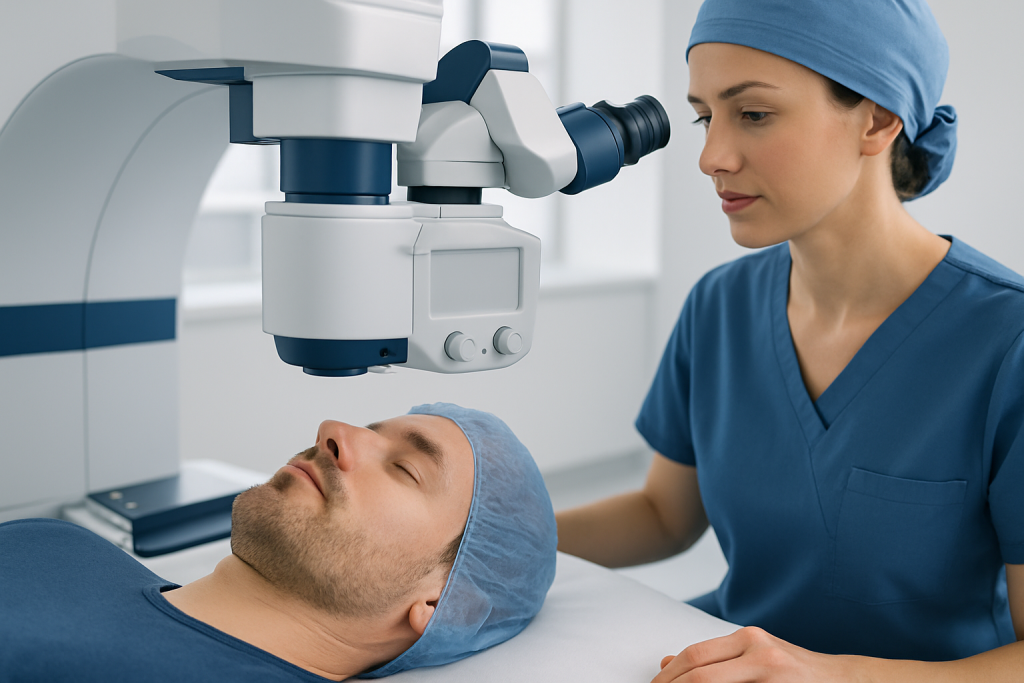
The cornea is the clear window at the front of the eye. Its smooth surface helps focus light precisely onto the retina. When the superficial cornea becomes uneven, cloudy or poorly attached, it may cause pain, recurrent erosions, glare, reduced vision or an ongoing sensation that something is in the eye.
During superficial keratectomy, an ophthalmologist gently removes affected tissue from the corneal surface. This can be done manually with fine instruments and may involve polishing the underlying layer of the cornea. In selected cases, a laser-based surface treatment may be considered to smooth irregular tissue. The aim is to allow a healthier, smoother epithelial surface to regrow.
Candidates are assessed through a detailed eye examination. The specialist considers the person’s symptoms, corneal appearance, tear film, previous eye procedures, contact lens use and general health. People with active eye infection or significant uncontrolled dry eye may need treatment for these issues before a procedure is planned. Related corneal surface problems, including recurrent corneal erosion, may also require ongoing care after healing.
What Happens on the Day of Superficial Keratectomy

Superficial keratectomy is generally performed as a day procedure. The eye is numbed with anesthetic drops, so patients should not feel sharp pain during treatment, although they may notice pressure, touch or bright lights. An eyelid holder may be used to keep the eye open comfortably.
The ophthalmologist removes the loose, cloudy or irregular surface tissue with a precise technique selected for the condition being treated. The procedure itself is often relatively short, but superficial keratectomy time can vary according to the size and location of the affected area and whether additional corneal smoothing is needed.
Afterward, a soft bandage contact lens is often placed on the eye to protect the healing surface and reduce discomfort. Prescription antibiotic drops are commonly used for a limited period, and anti-inflammatory treatment may be recommended when appropriate. Because vision is blurred immediately afterward, patients should arrange for a responsible adult to take them home.
Superficial Keratectomy Recovery: A Week-by-Week Timeline
Day 0 to day 2: The first 24 to 48 hours are often the most uncomfortable period. Tearing, stinging, burning, a scratchy sensation, light sensitivity and blurred vision are common. The eye may remain red, and reading or using digital screens can be difficult. Prescribed drops and pain-relief measures should be used exactly as directed.
Days 3 to 7: The corneal epithelium is typically closing during this stage. Discomfort should progressively reduce, though vision may remain hazy or fluctuate. The bandage contact lens is usually left in place until the ophthalmologist confirms that the surface has healed sufficiently. It should never be removed, adjusted or replaced by the patient unless specifically instructed.
Week 2: Many people are more comfortable and can return gradually to routine tasks, depending on their vision and the nature of their work. Vision may still be variable, particularly in dry environments or later in the day. Follow-up assessment is important because the eye can appear improved before the corneal surface is fully stable.
Weeks 3 to 6 and beyond: Vision often continues to sharpen as the cornea smooths and the tear film stabilizes. Some people recover earlier, while others—especially those treated for scarring, degenerative changes or significant dry eye—need more time. The ophthalmologist can advise when vision has stabilized enough for updated glasses, contact lenses or further treatment planning.
Superficial Keratectomy Post-Op Instructions
Following superficial keratectomy post op instructions closely protects the healing cornea and lowers the chance of infection, delayed healing or accidental injury. Patients should wash their hands before using prescribed drops, avoid touching the bottle tip to the eye or eyelashes, and use medicines only as directed by their eye specialist.
For the first part of recovery, patients should avoid rubbing or pressing on the treated eye. They should also avoid swimming pools, hot tubs and potentially contaminated water until cleared by the ophthalmologist. Eye makeup, non-prescribed contact lenses and dusty or smoky environments should generally be avoided while the epithelial surface is healing.
Driving should wait until vision is comfortable and meets legal and practical safety requirements. Sunglasses can reduce light sensitivity outdoors, and regular breaks from reading or screens may make visual tasks more comfortable. Dryness can slow recovery or worsen blur, so lubricating drops may be recommended as part of a longer-term eye-surface care plan.
- Attend every scheduled post-procedure review.
- Use antibiotic, anti-inflammatory and lubricating drops exactly as prescribed.
- Keep water, soap and cosmetic products out of the eye while it heals.
- Ask the ophthalmologist before resuming exercise, contact sports or contact lens wear.
Benefits, Risks and Factors That Affect Healing
The potential benefits of superficial keratectomy include reduced pain from recurrent erosions, a smoother corneal surface and improved visual quality when superficial irregularity is contributing to blur, glare or discomfort. In some cases, treatment can reduce the frequency of recurring symptoms and make the eye more comfortable in daily life.
Like all eye procedures, superficial keratectomy has possible risks. These include infection, delayed epithelial healing, inflammation, persistent haze, recurrent symptoms, irregular vision and, rarely, worsening of visual clarity. The risk profile depends on the reason for treatment and the individual condition of the cornea and tear film.
Dry eye disease, diabetes, eyelid inflammation, smoking, previous corneal surgery and some medications can affect corneal healing. The ophthalmologist may address these factors before or after treatment. For people with significant corneal surface disease, care may include additional approaches such as corneal treatment options when clinically appropriate, although a transplant is not needed for most superficial corneal problems.
When to Seek Medical Care
Some discomfort, redness, tearing and blur are expected early in superficial keratectomy recovery. However, patients should contact their ophthalmologist promptly if pain becomes severe or suddenly worsens, vision drops unexpectedly, redness increases, or there is thick discharge from the eye. These symptoms can indicate a problem that needs timely assessment.
Urgent eye care is also needed for new flashing lights, a curtain-like shadow, significant swelling around the eye, fever with eye symptoms, or an injury to the treated eye. Patients should not wait for their next routine appointment if they are concerned that recovery is moving in the wrong direction.
Acibadem International’s multidisciplinary specialists and JCI-accredited hospitals support international patients requiring assessment and treatment for corneal and other eye conditions. A consultation with an ophthalmologist can clarify whether laser eye treatment or another corneal approach is appropriate for a person’s diagnosis and visual needs.
Frequently asked questions
How long does superficial keratectomy recovery take?
The corneal surface often heals within about three to seven days, but superficial keratectomy recovery time is different for each person. Vision commonly remains blurry or variable for several weeks while the cornea and tear film stabilize. Recovery may take longer when there is significant dry eye, scarring or another underlying corneal condition.
How long does a superficial keratectomy take?
The active treatment is usually a relatively short outpatient procedure, often completed within minutes after the eye is prepared and numbed. However, appointment time may be longer because it includes assessment, preparation and post-procedure instructions. The exact superficial keratectomy time depends on the condition being treated and the technique used.
Is blurred vision normal after superficial keratectomy?
Yes, blurred or hazy vision is common in the first days after treatment because the corneal surface is healing. Vision may fluctuate as the new epithelial layer matures and the tear film recovers. Worsening vision, especially after initial improvement, should be reported to the treating eye specialist promptly.
When can a person return to work after superficial keratectomy?
Return-to-work timing depends on the eye being treated, the person’s visual demands and comfort level. Some people return to light work after several days, while those who drive, work outdoors or rely on precise vision may need longer. The ophthalmologist should confirm when returning is safe.
Can someone use screens during superficial keratectomy recovery?
Screens can be used in short periods when comfortable, but they may increase dryness and eye strain during early healing. Taking frequent breaks, blinking consciously and following advice about lubricating drops may help. If screen use causes significant pain or worsening blur, it is sensible to reduce use and contact the eye care team if symptoms persist.
What should be avoided after superficial keratectomy?
Patients should avoid rubbing the eye, swimming, hot tubs, eye makeup and contact lens use unless their ophthalmologist has specifically approved them. Dusty environments, smoke and activities with a risk of eye trauma should also be avoided during early healing. Follow-up visits are important before returning to strenuous exercise or water-based activities.
References
- American Academy of Ophthalmology
- National Eye Institute
- Royal College of Ophthalmologists
- Mayo Clinic
This article is for general information only and is not a substitute for professional medical advice. Please consult a qualified doctor about your individual situation.
Explore treatments in Turkey — costs, top hospitals & a free quote
JCI-accredited · board-certified surgeons · reply within 24h
Add us as a Preferred Source to see more of our trusted health content across Google Search, AI Overviews and Discover.