Mechanical Valve vs Tissue Valve: Differences Explained

Mechanical valves are highly durable but usually require lifelong anticoagulation with regular monitoring. Tissue valves generally do not require lifelong anticoagulation, but they can wear out over time.
Key Takeaways
- Mechanical valves are highly durable but usually require lifelong anticoagulation with regular monitoring.
- Tissue valves generally do not require lifelong anticoagulation, but they can wear out over time.
- Age, valve position, pregnancy plans, bleeding risk, other medical conditions and personal preferences all affect valve selection.
- Surgical valve replacement and selected catheter-based procedures can be options, depending on the valve problem and anatomy.
- New symptoms after valve replacement, such as chest pain, severe breathlessness or signs of stroke, need urgent medical assessment.
Mechanical and tissue heart valves can both restore blood flow when a diseased valve needs replacement. The main trade-off is durability versus the need for long-term blood-thinning medicine, and the most suitable choice is individualized with a heart team.
Mechanical Valve vs Tissue Valve: The Main Difference
In a mechanical valve vs tissue valve decision, the central difference is that mechanical valves are made from durable manufactured materials, while tissue valves are made from biological tissue, usually from a cow or pig. Both are designed to open and close with each heartbeat so blood moves forward through the heart efficiently.
Mechanical valves tend to last longer, often for decades, but blood is more likely to form clots on their surfaces. For this reason, most people with a mechanical valve need lifelong anticoagulant medication and regular blood-test monitoring. Tissue valves usually have a lower long-term need for anticoagulation, but they may gradually stiffen, calcify or wear out.
There is no universally best valve. A cardiologist and cardiac surgeon consider the person’s age, the valve being replaced, expected lifespan of the valve, history of bleeding or clotting, need for other heart procedures, lifestyle and preferences. The discussion is therefore a shared decision rather than a simple choice between a “better” and “worse” valve.
How Mechanical and Tissue Valves Work

The heart has four valves that keep blood moving in the correct direction. When a valve becomes severely narrowed, known as stenosis, or leaks significantly, known as regurgitation, replacement may be recommended if symptoms, heart function or test results indicate that the problem is serious. A valve may be replaced through open or minimally invasive surgery, and some aortic valve conditions may be treated with a catheter-based approach.
Mechanical valves have moving parts, commonly leaflets or a disc, within a strong metal and carbon-based frame. They are engineered to withstand repeated opening and closing over many years. Some people can hear a faint clicking sound from a mechanical valve, particularly in quiet surroundings; this is typically harmless but may take time to get used to.
Tissue valves are also called bioprosthetic or biological valves. They are treated biological tissue mounted on a supporting frame, or may sometimes be made from donated human tissue. Their flow pattern can feel natural, and they generally do not create the same lifelong clot-prevention requirement as mechanical valves. However, short-term anticoagulation or antiplatelet treatment may still be needed after implantation, depending on the individual situation.
Who May Be a Candidate for Each Valve Type

For mechanical valve vs tissue valve replacement, age is important but is not the only consideration. Mechanical valves are often considered for younger adults because their durability may reduce the chance of another valve replacement later in life. They may also be appropriate for someone who already needs long-term anticoagulation for another reason, such as certain heart rhythm conditions.
Tissue valves are frequently considered for older adults, people with a higher risk of serious bleeding, or those for whom lifelong anticoagulation would be difficult or undesirable. They may also be preferred by people considering pregnancy, since some anticoagulants can create important pregnancy-management challenges. These decisions require specialist pre-pregnancy and cardiology guidance.
The valve location matters as well. The aortic and mitral valves are the most commonly replaced, and each poses different technical and long-term considerations. A person’s anatomy, kidney function, infection history, prior chest surgery and feasibility of future catheter procedures can all influence the recommendation. Heart valve disease assessment commonly includes input from cardiology, cardiac surgery, imaging and anaesthesia teams.
- Mechanical valve considerations: long durability, but lifelong anticoagulation is usually necessary.
- Tissue valve considerations: less long-term anticoagulation for many patients, but a greater chance of structural valve deterioration over time.
- Shared factors: medical history, personal goals, access to monitoring and plans for future procedures.
What Happens During Valve Replacement and Recovery
Before replacement, the care team confirms the severity and type of valve disease using an echocardiogram and, when needed, tests such as cardiac CT, MRI, coronary imaging or cardiac catheterization. The team also reviews medications, infection risk, kidney and lung health, dental health and whether treatment of coronary artery disease or another heart condition is needed at the same operation.
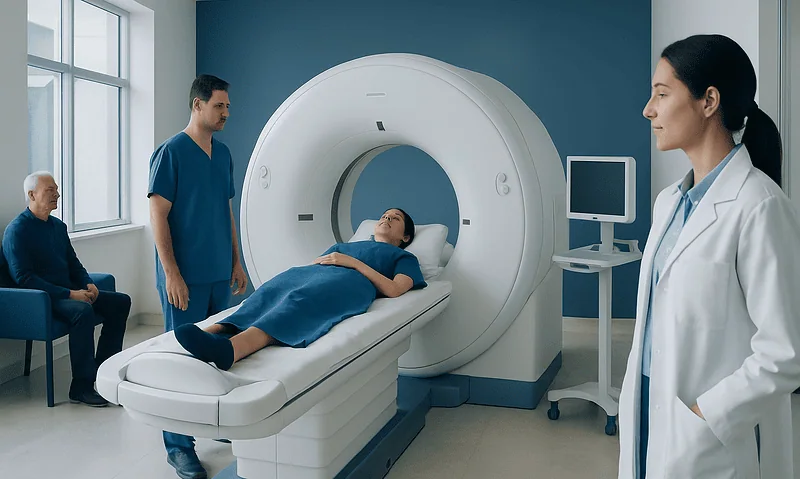
During surgical replacement, the patient receives general anaesthesia. The surgeon reaches the heart through a chest incision, which may be a conventional sternotomy or, in selected cases, a smaller incision. A heart-lung machine temporarily supports circulation while the diseased valve is removed and the new valve is secured. The exact steps vary according to the valve involved and whether additional surgery is performed. Heart valve replacement surgery may be planned electively or performed more urgently when severe valve disease is causing major complications.
For selected people with severe aortic stenosis, a transcatheter aortic valve replacement procedure may be an alternative to open surgery. In this procedure, a replacement valve is guided through a catheter, often inserted through an artery in the groin, and expanded inside the diseased aortic valve. Transcatheter aortic valve replacement (TAVR) is assessed carefully because it is not suitable for every valve problem or every patient.
Hospital recovery varies with the procedure and a person’s overall health. After surgical replacement, many people spend time in intensive monitoring before moving to a regular ward, then continue recovering at home over several weeks. Cardiac rehabilitation, wound care, gradual activity, medication review and follow-up echocardiograms support a safe return to daily routines. Recovery after a catheter-based procedure is often faster, although ongoing follow-up remains essential.
Benefits, Risks and Long-Term Follow-Up
The benefit of either valve type is improved valve function, which can relieve symptoms such as breathlessness, fatigue, chest discomfort or reduced exercise tolerance and may help protect heart function. The expected improvement depends on the original valve condition, other heart disease and the person’s health before treatment.
All valve replacement procedures carry risks. These can include bleeding, infection, irregular heart rhythms, stroke, kidney problems, blood clots, damage to nearby structures, valve leakage around the replacement valve and, rarely, death. Risks vary substantially from person to person and should be discussed using an individualized assessment rather than general estimates.
Mechanical valves have a particular long-term risk of clot formation if anticoagulation is not managed carefully. Anticoagulation can also increase bleeding risk, including bruising, nosebleeds, gastrointestinal bleeding or, rarely, serious internal bleeding. Tissue valves can develop structural valve deterioration over time, potentially leading to renewed narrowing or leakage and a future intervention.
Follow-up is lifelong for both valve types. It may include regular appointments, echocardiograms, medication reviews and guidance about dental care and infection prevention. People should not stop anticoagulants, antiplatelet medicines or other heart medications without advice from their treating clinician.
Can a Tissue Valve Last 20 Years?
Yes, a tissue valve can last 20 years in some people, especially when implanted at an older age. However, durability is variable and cannot be predicted precisely for an individual. Some tissue valves function well for much longer, while others deteriorate earlier.
In general, tissue valves tend to wear out more quickly in younger people because calcium metabolism, immune activity and the demands placed on the valve may differ. Valve position, the type of bioprosthesis, kidney disease and other health factors can also affect longevity. Regular echocardiograms help identify early changes before they become severe.
If a tissue valve deteriorates, treatment may involve repeat surgery or, for appropriately selected patients, a catheter-based valve-in-valve procedure. Planning for this possibility is part of the original valve-choice conversation. A patient should ask the heart team how future treatment options may fit their anatomy and overall health.
Which Heart Valve Is Hardest to Replace?
The mitral valve is often considered more technically complex to repair or replace than the aortic valve because of its position, structure and close relationship with the heart’s pumping chamber. The mitral valve works with the left ventricle, chord-like supporting tissues and nearby structures, so maintaining normal heart function requires careful planning.
However, “hardest” is not the same for every patient. Previous heart surgery, infection, severe calcification, congenital heart disease, lung disease or multiple valve problems can make replacement of any valve more challenging. In many situations, repairing a native mitral valve is preferable to replacement when a durable repair is achievable.
The tricuspid and pulmonary valves can also be complex in particular circumstances, especially when there is advanced right-heart disease or prior congenital heart treatment. Advanced imaging and a multidisciplinary valve team help determine whether repair, surgery or a catheter-based strategy is safest and most appropriate.
What Are the Disadvantages of Tissue Heart Valves?
The main disadvantage of tissue heart valves is limited durability compared with mechanical valves. Over time, the tissue can degenerate, calcify, tear or become stiff, causing the valve to narrow or leak again. This creates a greater possibility of needing another procedure during a person’s lifetime, particularly for younger patients.
A second disadvantage is uncertainty: clinicians can estimate likely durability from evidence and experience, but cannot guarantee how long an individual valve will last. Repeat procedures may be more complex than a first procedure, although catheter-based valve-in-valve treatments may be possible for some people.
Tissue valves also do not eliminate every need for blood-thinning medication. While lifelong anticoagulation is usually not required solely because of a tissue valve, temporary medication may be prescribed after surgery, and some people need anticoagulation for conditions such as atrial fibrillation. Follow-up and medication decisions remain individualized.
Are TAVR Valves Tissue or Mechanical?
TAVR valves are tissue valves. They are bioprosthetic valves made from specially treated animal tissue supported by a metal frame, which allows the valve to be compressed into a catheter and expanded at the treatment site.
Mechanical valves are not used in standard TAVR because their rigid design cannot be delivered and deployed through a catheter in the same way. TAVR is currently used mainly for aortic valve replacement, particularly in people with severe aortic stenosis who meet anatomical and clinical criteria.
The long-term durability of TAVR valves continues to be studied, especially in younger patients who may live many decades after treatment. Choosing between surgical aortic valve replacement and TAVR involves consideration of age, anatomy, surgical risk, coronary artery access, existing valve disease and likely future treatment needs.
When to Seek Medical Care
A person with known valve disease should arrange prompt medical review if they develop new or worsening breathlessness, reduced ability to exercise, swelling in the ankles or abdomen, palpitations, dizziness, fainting, chest discomfort or unusual fatigue. These symptoms can have several causes, but they should not be ignored in someone with a heart valve condition.
Emergency care is needed for sudden severe chest pain, severe difficulty breathing, fainting, signs of stroke such as facial drooping, arm weakness or speech difficulty, or uncontrolled bleeding while taking an anticoagulant. People with a replacement valve should also seek medical advice promptly for fever or chills, especially if accompanied by feeling unwell, because infection can occasionally affect a heart valve.
Online discussions, including searches for “mechanical valve vs tissue valve reddit,” can offer personal perspectives but cannot determine the safest option for an individual. A structured discussion with a valve specialist is more reliable. Acibadem International’s multidisciplinary specialists and JCI-accredited hospitals diagnose and treat heart valve conditions for international patients.
Frequently asked questions
Is a mechanical valve better than a tissue valve?
Neither option is better for everyone. Mechanical valves are generally more durable but usually require lifelong anticoagulation, while tissue valves often avoid this requirement but may need replacement in the future. The best choice depends on medical factors and personal priorities.
Do people with mechanical heart valves need blood thinners forever?
Most people with mechanical heart valves need lifelong anticoagulation to reduce the risk of blood clots forming on the valve. The medication plan and blood-test monitoring schedule are set by the treating heart team. It is important not to change or stop treatment without medical advice.
Can a tissue valve last 20 years?
A tissue valve can last 20 years for some people, particularly those who are older when it is implanted. Durability varies, and tissue valves may wear out sooner in younger patients. Regular follow-up imaging helps monitor valve function.
Which heart valve is hardest to replace?
The mitral valve is often more technically complex to repair or replace because of its anatomy and connection to the left ventricle. However, the complexity of any valve procedure depends on the individual’s anatomy, prior procedures and other health conditions. A valve team can explain the specific considerations for each case.
What are the disadvantages of tissue heart valves?
Tissue valves may deteriorate over time and can eventually require another procedure. Their durability is generally shorter than that of mechanical valves, especially in younger people. They may still require temporary blood-thinning medication after implantation or long-term medication for another condition.
Are TAVR valves tissue or mechanical?
TAVR valves are tissue, or bioprosthetic, valves mounted on an expandable frame. They are delivered through a catheter and placed inside the diseased aortic valve. Mechanical valves are not used in standard TAVR procedures.
References
- American Heart Association
- American College of Cardiology
- European Society of Cardiology
- National Heart, Lung, and Blood Institute
- Mayo Clinic
This article is for general information only and is not a substitute for professional medical advice. Please consult a qualified doctor about your individual situation.
Explore treatments in Turkey — costs, top hospitals & a free quote
JCI-accredited · board-certified surgeons · reply within 24h
Add us as a Preferred Source to see more of our trusted health content across Google Search, AI Overviews and Discover.