IV Chemo Education Sheets: How It Works, Results and What to Expect

IV chemotherapy delivers anti-cancer medicines into a vein, usually through a peripheral IV line, port or central line. Treatment plans are individual and may include chemotherapy alone or alongside surgery, radiotherapy, immunotherapy or targeted treatment.
Key Takeaways
- IV chemotherapy delivers anti-cancer medicines into a vein, usually through a peripheral IV line, port or central line.
- Treatment plans are individual and may include chemotherapy alone or alongside surgery, radiotherapy, immunotherapy or targeted treatment.
- Side effects can often be anticipated, monitored and treated; prompt reporting helps the oncology team keep treatment as safe as possible.
- There is no single “hardest” week of chemotherapy, as timing and severity depend on the medicines, dose, schedule and individual response.
- Fever during chemotherapy can be urgent because it may be the only sign of a serious infection when white blood cell levels are low.
IV chemo education sheets help patients and families understand what happens before, during and after intravenous chemotherapy. They should be used alongside personalised instructions from the oncology team, because medicines, schedules and expected side effects vary widely.
Overview: what IV chemo education sheets explain
IV chemo education sheets are patient information documents that explain intravenous chemotherapy: medicines delivered directly into a vein to treat cancer. They usually cover the purpose of treatment, how an infusion visit works, possible short- and long-term side effects, home-care advice, and contact details for urgent concerns. A person’s own sheet from their cancer centre is the most important version because it is tailored to their exact treatment regimen.
Chemotherapy may be used to cure some cancers, reduce the chance that cancer returns after surgery, shrink a tumour before another treatment, slow cancer growth, or relieve symptoms. It can be given on its own or combined with other approaches. The treatment plan is designed by an oncology team after considering the cancer type, stage, treatment goals, general health and previous treatments.
Written information is useful, but it does not replace individual medical advice. Patients are encouraged to keep their education sheets, treatment calendar and emergency telephone numbers together, and to bring questions to each appointment. The oncology nurse, pharmacist and doctor can clarify what is expected and what requires prompt review.
How intravenous chemotherapy works
Chemotherapy medicines work in different ways to damage or stop the division of cancer cells. Because some healthy cells also divide quickly, particularly cells in the bone marrow, hair follicles and digestive tract, chemotherapy can affect these tissues as well. This is why side effects such as low blood counts, hair thinning or loss, nausea, mouth soreness and fatigue can occur with some regimens.
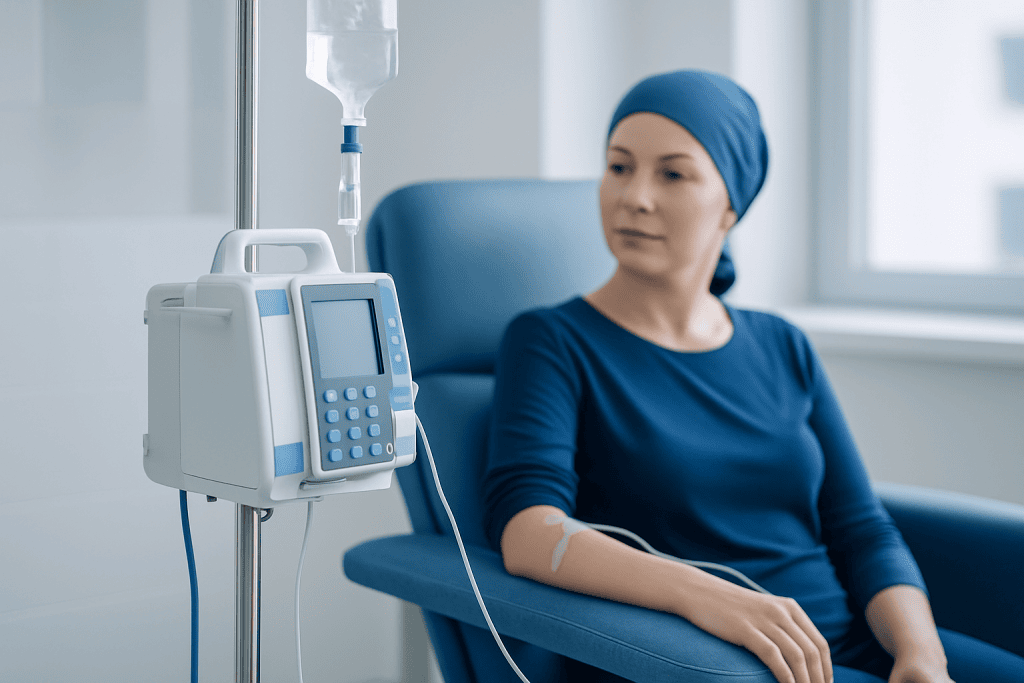
IV chemotherapy enters the bloodstream through a vein. It may be administered through a small IV cannula placed in the hand or arm, or through a longer-term device such as a port, peripherally inserted central catheter (PICC) or other central venous catheter. The best access method depends on the medicines being used, the length of treatment and the condition of a person’s veins.
Treatment is organised into cycles. A cycle includes treatment days and a recovery period, allowing normal tissues time to recover before the next dose. Blood tests and clinical assessments before each cycle help the team decide whether treatment can proceed as planned or whether an adjustment or delay is safer.
Who may receive IV chemotherapy
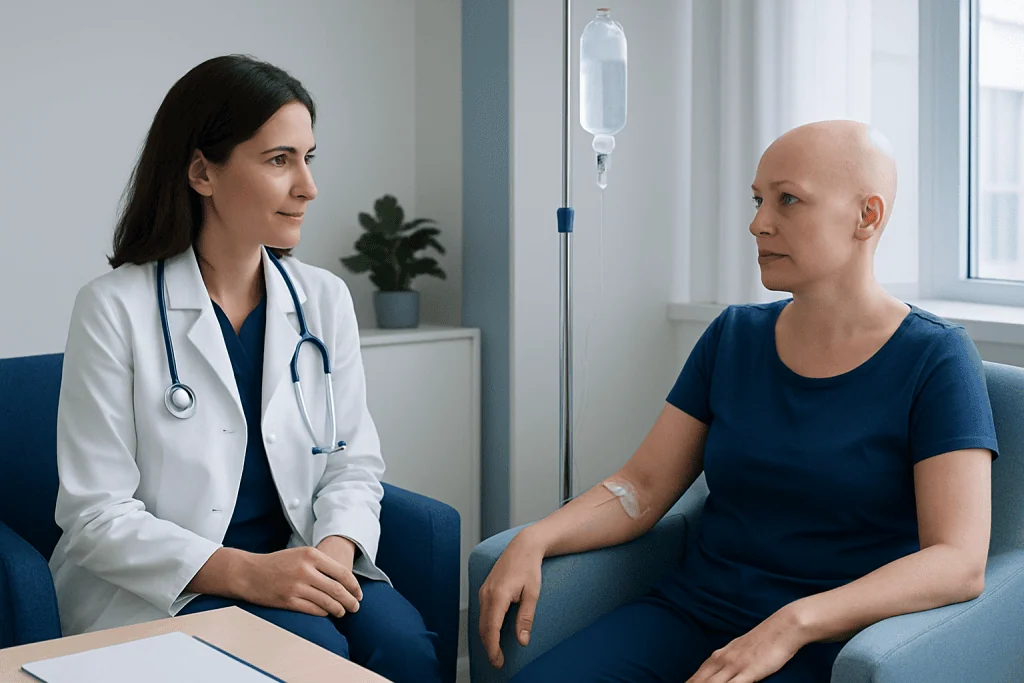
IV chemotherapy may be appropriate for people with many different blood cancers and solid tumours. It can be prescribed before surgery or radiotherapy, after local treatment, at the same time as other treatments, or for cancer that has spread. The intent of treatment should be clearly discussed, as this helps patients understand the likely benefits and what outcomes the team will monitor.
Before treatment, the oncology team reviews biopsy findings, scans, blood test results, medical history, current medicines, allergies and organ function. Heart, kidney or liver health can influence which medicines are suitable. Fertility, pregnancy, breastfeeding, vaccination plans and existing nerve problems should also be discussed before chemotherapy begins.
Not everyone needs or benefits from chemotherapy. Some cancers are better treated with surgery, radiotherapy, hormone therapy, targeted medicines, immunotherapy, active monitoring or a combination of these options. The recommended plan should balance likely benefit with possible side effects and a person’s own priorities.
- Ask what the treatment goal is and how the team will assess response.
- Tell the team about all prescription medicines, over-the-counter products, vitamins and herbal supplements.
- Discuss practical needs such as work, childcare, transport and support at home before the first cycle.
What happens during an IV chemotherapy appointment
Before an infusion, a nurse commonly checks temperature, blood pressure, pulse, weight and recent symptoms. Blood tests may be reviewed to assess blood cell counts and organ function. Depending on the regimen, patients may receive medicines beforehand to reduce nausea, allergic reactions or other infusion-related effects.
After the IV line or port is accessed, the chemotherapy medicines are given over a scheduled period. Some infusions take a short time, while others last several hours. A nurse monitors the patient during treatment and can respond to discomfort, itching, flushing, breathlessness, pain at the IV site or other possible infusion reactions. Patients should report symptoms immediately rather than waiting for the infusion to finish.
At the end of the visit, the team reviews medicines to take at home, expected side effects and the next appointment. Some people leave feeling well; others feel tired, nauseated or emotionally drained. Arranging transport home can be helpful, especially after a first treatment or if medicines given during the visit may cause drowsiness.
Patients may also receive chemotherapy treatment information as part of their care plan. The precise medicines, infusion duration and schedule should always be confirmed with the treating oncology service.
Recovery timeline, benefits and possible risks
Recovery after an infusion is individual. Some side effects begin on the day of treatment, while others appear several days later. For example, fatigue may build through a cycle, bowel changes can develop within days, and low white blood cell counts often occur at a predictable point after treatment depending on the regimen. The oncology team will explain the expected pattern for the medicines prescribed.
Potential benefits include shrinking a tumour, controlling cancer growth, reducing the risk of recurrence or improving cancer-related symptoms. Whether treatment is working cannot reliably be judged by day-to-day feelings alone. Doctors usually assess response through symptom review, physical examinations, blood tests, tumour markers when appropriate and imaging at planned intervals.
Possible risks include nausea, vomiting, fatigue, appetite changes, diarrhoea or constipation, mouth sores, hair changes, skin or nail changes, altered taste, numbness or tingling, fertility effects and low blood counts. Certain medicines can affect the heart, kidneys, lungs or nerves, so monitoring is tailored to the regimen. Serious but less common risks include severe allergic reactions, blood clots and infection.
Supportive treatments can reduce many side effects. Taking anti-nausea medicines as directed, maintaining fluids where medically appropriate, choosing small frequent meals, gentle movement when able and rest can help. Patients should not start supplements or herbal products without checking first, as some can interfere with cancer treatment.
What week of chemo is the hardest?
There is no universal hardest week of chemotherapy. Some people notice the greatest fatigue or nausea in the first few days after each infusion, while others feel most unwell when blood counts are at their lowest, often called the nadir. With repeated cycles, fatigue may also become more noticeable because recovery is not always complete before the next treatment.
The experience depends on the drugs used, the interval between cycles, other cancer treatments, nutrition, sleep, emotional wellbeing and medical conditions. Some patients have relatively mild symptoms throughout treatment, while others need medication changes, extra fluids, growth-factor support or a modified schedule.
Keeping a simple daily record of temperature, symptoms, food and fluid intake, bowel habits and medicines can help the team identify patterns. Patients should inform their team if symptoms interfere with daily activities, sleep, eating or drinking; side-effect control is an important part of cancer care.
Where can I find information about chemotherapy intravenous education sheets?
The most reliable source is the oncology clinic providing the treatment. Its chemotherapy intravenous education sheets should name the specific medicines, describe expected side effects, explain how to contact the treatment team and state which symptoms need urgent attention. A hospital oncology nurse or pharmacist can often provide printed copies, digital copies or translated materials where available.
Reliable general education is also available from national cancer organisations, major cancer centres and public health authorities. However, online documents may not apply to every regimen or may use different instructions from the patient’s own clinic. The treating team’s advice should take priority when there is any difference.
It can be helpful for a family member or trusted friend to read the sheets as well. They may notice signs of dehydration, confusion, fever or reduced ability to manage medicines when the patient is tired. Keeping emergency contact numbers accessible, including after-hours instructions, is an essential part of treatment preparation.
Daily life during chemotherapy: kissing, infection prevention and support
In most situations, a person can kiss their husband, wife or partner during chemotherapy. Chemotherapy itself is not contagious, and cancer cannot be passed from one person to another. If there are mouth sores, oral infection, bleeding gums or a contagious illness such as a cold, flu or COVID-19 in either partner, it is sensible to avoid close contact until advice is obtained or symptoms resolve.
Some chemotherapy medicines may be present in small amounts in body fluids for a limited time after treatment. The oncology team may recommend precautions around sexual activity, toilet hygiene, handling soiled laundry or caregiving during this period. These instructions differ by regimen, so patients should follow their own education sheet and ask their nurse or pharmacist for clear guidance.
Reducing infection exposure is especially important when white blood cell counts are low. Regular handwashing, avoiding close contact with people who are unwell, caring for the mouth and skin, and following food-safety advice from the oncology team are practical measures. Emotional and practical support from partners, family, friends, counsellors and patient support services can also make treatment more manageable.
Acibadem International’s multidisciplinary specialists and JCI-accredited hospitals provide diagnosis and cancer treatment planning for international patients, with supportive care tailored to the treatment regimen.
What are good signs that chemo is working?
Improvement in cancer-related symptoms can be an encouraging sign. Depending on the cancer, a person may have less pain, easier breathing, improved appetite, more energy or a reduction in a lump. However, symptoms alone cannot confirm that chemotherapy is working, and some people feel side effects even when treatment is effective.
The most dependable assessment comes from the oncology team. They may compare scans before and during treatment, perform examinations, review blood results, measure tumour markers when these are relevant, and consider overall function and symptoms. Testing is usually scheduled after a certain number of cycles rather than immediately after each infusion.
A tumour may shrink, remain stable or occasionally appear temporarily different on imaging because of treatment-related changes. If results show that the cancer is not responding as hoped, the team may discuss another treatment approach. Patients are encouraged to ask when response will be assessed and what findings would lead to a change in plan.
When to seek medical care
Patients should use the urgent contact instructions supplied by their oncology team. A fever during chemotherapy can require urgent assessment, particularly when white blood cells are low. Many centres advise calling immediately for a temperature of 38°C (100.4°F) or higher, but patients should follow the specific temperature threshold and instructions given by their own clinic.
Urgent advice is also needed for chills or shaking, new shortness of breath, chest pain, confusion, uncontrolled vomiting, inability to drink fluids, severe diarrhoea, unusual bleeding or bruising, a painful or swollen arm or leg, severe abdominal pain, or redness, swelling, discharge or pain around a port, catheter or IV site. An infusion reaction during treatment should be reported to the nurse straight away.
For less urgent concerns, patients should contact the oncology team if fatigue, nausea, constipation, diarrhoea, mouth sores, numbness or pain are difficult to manage. Prompt communication often allows symptoms to be treated before they become more severe. In an emergency, patients should seek local emergency medical care.
Frequently asked questions
What are IV chemo education sheets?
IV chemo education sheets are written guides for people receiving chemotherapy through a vein. They explain the treatment schedule, likely side effects, supportive medicines, safety precautions and reasons to contact the oncology team. The most useful sheets are those provided by the treatment centre for the exact medicines prescribed.
What week of chemo is the hardest?
The hardest week varies from person to person and from one chemotherapy regimen to another. Some people have stronger symptoms soon after infusion, while others feel worse later in the cycle when blood counts decrease. Reporting patterns to the oncology team can help them improve symptom control.
Where can I find information about chemotherapy intravenous education sheets?
The oncology clinic, infusion unit nurse and oncology pharmacist are the best sources for chemotherapy intravenous education sheets that match an individual treatment plan. National cancer organisations can provide general information, but they should not replace instructions from the treating team. Patients can ask for a printed or digital copy before their first infusion.
Can I kiss my husband during chemo?
Usually, yes. Cancer and chemotherapy are not contagious, so ordinary kissing is generally safe. Avoid close contact if either person has a contagious illness or if the patient has mouth sores or an oral infection, and ask the oncology team about any regimen-specific precautions.
What are good signs that chemo is working?
Improved cancer-related symptoms may be encouraging, but they do not prove that chemotherapy is working. The oncology team assesses response using examinations, scans and selected blood tests at planned times. Patients should ask when their response assessment is expected and how results will be explained.
When should a person call the oncology team during chemotherapy?
The team should be called urgently for fever according to the clinic’s stated threshold, chills, breathing difficulty, chest pain, confusion, uncontrolled vomiting, severe diarrhoea or signs of infection. New pain, swelling or redness around an IV line, port or catheter also needs prompt assessment. When in doubt, patients should contact the oncology service rather than wait.
References
- National Cancer Institute
- American Cancer Society
- American Society of Clinical Oncology
- Centers for Disease Control and Prevention
- European Society for Medical Oncology
This article is for general information only and is not a substitute for professional medical advice. Please consult a qualified doctor about your individual situation.
Oncology care in Turkey — second opinion and treatment plan
JCI-accredited · board-certified surgeons · reply within 24h
Add us as a Preferred Source to see more of our trusted health content across Google Search, AI Overviews and Discover.
Check your numbers in seconds
BMI, calories, due date, blood pressure and 30+ more clinical calculators — free, instant, doctor-reviewed ranges.

More from the Health Library



Related Specialists
Assoc. Prof. Dr. Nezih Ziroğlu
Orthopedic Surgery & Traumatology
Dr. Hakan Kutlu
Infectious Diseases & Clinical Microbiology
Prof. Dr. Sinan Yavuz
Internal Medicine
Dr. Engin Erdemoğlu
Medical Oncology