Herpes Zoster Ophthalmicus Treatment: How It Works, Results and What to Expect

Herpes zoster ophthalmicus is shingles affecting the ophthalmic branch of the trigeminal nerve and may involve the eye. Antiviral treatment is most effective when started as soon as possible, ideally within 72 hours of rash onset, but may still help later in selected cases.
Key Takeaways
- Herpes zoster ophthalmicus is shingles affecting the ophthalmic branch of the trigeminal nerve and may involve the eye.
- Antiviral treatment is most effective when started as soon as possible, ideally within 72 hours of rash onset, but may still help later in selected cases.
- An ophthalmologist should assess anyone with shingles on the forehead, eyelid, nose or around the eye.
- Recovery varies: skin lesions often improve within weeks, while eye inflammation or nerve pain may require longer monitoring and treatment.
- A shingles rash is contagious only through direct contact with blister fluid until the lesions have crusted over.
- The recombinant shingles vaccine can reduce the risk of shingles and related complications in eligible adults.
Herpes zoster ophthalmicus treatment begins promptly with antiviral medication, usually alongside an urgent eye assessment and close follow-up. Early care can shorten active viral illness, ease symptoms and reduce the risk of corneal inflammation, pressure changes and vision complications.
Overview: how herpes zoster ophthalmicus treatment works
Herpes zoster ophthalmicus treatment is urgent medical care for shingles that affects the forehead, eyelid, nose or eye. It occurs when the varicella-zoster virus, which causes chickenpox and remains inactive in the body afterward, reactivates in a branch of the facial trigeminal nerve. The condition usually affects one side of the face and can cause a painful rash as well as eye redness, light sensitivity, blurred vision or swelling.
Treatment works by limiting viral replication with prescription antiviral medicine and by identifying eye involvement early. This is important because the virus and the body’s inflammatory response can affect the eyelids, cornea, inner eye structures, retina or optic nerve. Not every person develops eye complications, but it is not possible to judge eye risk from the skin rash alone.
Care is usually coordinated by a physician and an ophthalmologist. Depending on the examination findings, treatment may also include pain management, lubricating eye drops, treatment for eye pressure changes, or anti-inflammatory eye medicine under specialist supervision. Prompt evaluation offers the best opportunity to protect comfort and vision.
Who needs urgent assessment and what happens at diagnosis
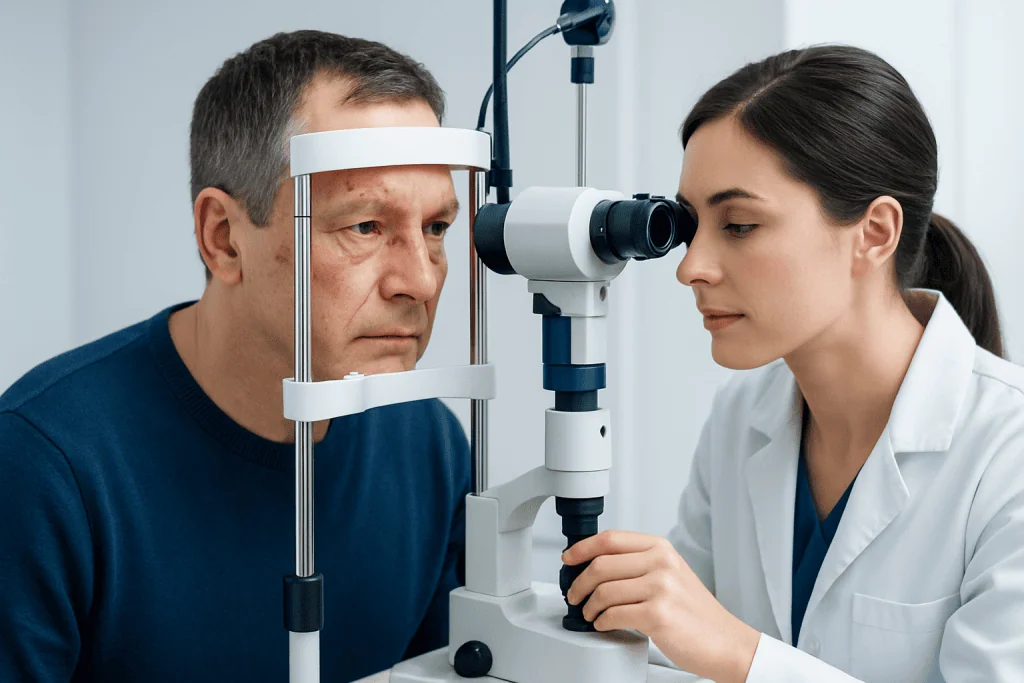
Anyone with a new, painful, one-sided blistering rash on the forehead, scalp, upper eyelid or nose should seek same-day medical advice, particularly if there is eye pain, redness, reduced vision, sensitivity to light, double vision or difficulty opening the eye. Blisters on the tip or side of the nose can be associated with a higher chance of eye involvement, although their absence does not rule it out.
During assessment, the clinician asks about the timing of pain and rash, past chickenpox or vaccination, immune health and current medicines. An eye specialist may check visual acuity, eye movements, pupil responses, eyelid and skin changes, corneal sensation, the cornea with a microscope, pressure inside the eye and the retina. Fluorescein dye may be used to reveal subtle corneal surface injury.
Diagnosis is commonly based on the characteristic distribution of symptoms and examination. Laboratory testing is not usually necessary, but a swab or other test may be considered when the diagnosis is uncertain. People with weakened immunity, severe symptoms, pregnancy, very young age or possible neurologic involvement may need additional assessment or hospital-based care.
Step-by-step treatment plan

The first step is prescription antiviral therapy. Oral antivirals are commonly used because they slow multiplication of the varicella-zoster virus. They are generally started as early as possible, ideally within 72 hours after the rash appears. However, clinicians may still recommend treatment after this window when new lesions are continuing, the eye is involved, symptoms are severe, or the person has a higher risk of complications.
The second step is targeted eye care. If the examination shows corneal inflammation, inflammation inside the eye, elevated eye pressure or another complication, an ophthalmologist may prescribe additional drops or medicines. Steroid eye drops can be important for some inflammatory complications, but they must only be used under eye-specialist guidance because they can worsen certain infections or increase eye pressure if used inappropriately.
The third step is symptom support and scheduled review. Simple pain medicines may be recommended when suitable for the individual. Cool compresses can soothe the skin around, but not inside, the eye. Preservative-free lubricating drops may help dryness when advised. Contact lenses should generally not be worn during active eye symptoms unless an ophthalmologist says they are safe.
- Initial visit: confirm the diagnosis, start antivirals and assess vision and eye structures.
- Early follow-up: check that the rash, pain and eye findings are improving and adjust treatment if needed.
- Ongoing monitoring: detect delayed corneal inflammation, pressure problems, scarring or persistent nerve pain.
Benefits, risks and candidacy for treatment
Most people with suspected herpes zoster ophthalmicus are candidates for antiviral treatment unless there is a specific medical reason not to use it. The choice of medicine and whether tablets, intravenous treatment or additional therapies are needed depends on severity, kidney function, immune status, pregnancy considerations, other medicines and the presence of eye or neurologic complications.
The main benefit of early herpes zoster ophthalmicus treatment is reducing the active viral phase and helping prevent or limit complications. It may also reduce the severity or duration of the rash and acute pain. Even with prompt therapy, some people develop inflammation later, so follow-up remains an important part of effective care rather than a sign that treatment has failed.
Antiviral medicines are generally well tolerated, but possible side effects can include nausea, headache or digestive upset. Rarely, they may affect kidney function, especially in people with dehydration or pre-existing kidney disease; clinicians can adjust treatment when needed. Eye drops have their own risks, including allergy, irritation or raised eye pressure with some anti-inflammatory drops. These risks are managed through individualized prescribing and monitoring.
Recovery timeline and practical self-care
New blister formation usually settles within several days after treatment begins, while the skin rash often crusts and heals over about two to four weeks. Pain, altered skin sensation, tiredness and sensitivity around the affected area can last longer. Recovery is not identical for everyone, and older age, a weakened immune system and significant eye involvement can make the course more prolonged.
Eye symptoms may improve quickly with treatment, but inflammation of the cornea or inside the eye can recur weeks or months later. For this reason, patients should attend all recommended eye reviews even if the rash is healing and vision seems normal. Persistent or worsening blurred vision, light sensitivity, eye pain or increasing redness should be reported promptly rather than managed with home remedies.
During recovery, patients should avoid touching or rubbing the eye, wash hands often and keep the rash clean and dry. They should not share towels, cosmetics or washcloths. Rest, regular fluids and gentle skin care can support comfort. People should not use leftover eye drops, antibiotic ointments, topical anesthetic drops or steroid products unless specifically prescribed for the current episode.
How long does it take for herpes zoster ophthalmicus to heal?
For many people, the skin rash heals within two to four weeks, although discomfort can continue after the visible lesions resolve. Eye recovery depends on which structures are affected. Mild irritation may settle in days to weeks, while corneal inflammation, raised eye pressure or inflammation inside the eye may need treatment and monitoring for weeks, months or occasionally longer.
Postherpetic neuralgia, meaning nerve pain that continues after the rash has healed, can delay overall recovery. It is more common with increasing age and severe initial pain, but it is not inevitable. A clinician can discuss pain-relief options when pain disrupts sleep, daily activities or mood.
Follow-up visits help distinguish normal healing from complications that need further treatment. A person should contact their eye specialist sooner if vision changes, eye pain or light sensitivity return after an initial improvement.
How long is herpes zoster ophthalmicus contagious?
Herpes zoster ophthalmicus is not spread through coughing or casual contact. However, direct contact with fluid from active shingles blisters can transmit varicella-zoster virus to someone who has not had chickenpox or the chickenpox vaccine. That person would develop chickenpox, not shingles.
The rash is considered potentially contagious until every blister has dried and crusted over. This often takes around seven to 10 days, though timing varies. Covering the rash when practical, avoiding scratching and careful hand hygiene reduce the chance of spread.
Until lesions crust, affected people should avoid close contact with pregnant people without known immunity to chickenpox, newborn babies, and people with weakened immune systems. If exposure occurs, a healthcare professional can advise the exposed person about their individual risk and possible next steps.
Does eye herpes ever go away, and is herpes zoster ophthalmicus serious?
Herpes zoster ophthalmicus is often informally called “eye herpes,” but it is different from the more common herpes simplex eye infection. The active shingles episode does go away, and many people recover well with prompt treatment. The varicella-zoster virus remains inactive in nerve tissue afterward, so shingles can recur in some people, although recurrence is not certain.
Herpes zoster ophthalmicus can be serious because it may threaten vision if the cornea, internal eye, retina or optic nerve becomes involved. Complications are less likely when the condition is recognized early and managed with antiviral treatment and specialist monitoring. Severe headache, confusion, facial weakness, a new rash near the eye, vision loss or severe eye pain requires urgent medical evaluation.
Eligible adults can discuss the recombinant shingles vaccine with their clinician after recovery. Vaccination lowers the chance of future shingles and can help reduce the burden of shingles-related complications; the best timing depends on the person’s age, health and local vaccination guidance.
When to seek medical care
Medical care should be sought the same day for a painful blistering rash on one side of the forehead, eyelid, nose or scalp, especially when it is near the eye. Immediate assessment is particularly important for red eye, eye pain, light sensitivity, blurred or reduced vision, swelling around the eye, new floaters, double vision, or inability to fully close the eyelid.
Emergency care is appropriate for sudden vision loss, severe headache with fever or neck stiffness, confusion, weakness, trouble speaking, or rapidly worsening symptoms. People with a weakened immune system should contact a clinician urgently when shingles is suspected, even if the rash seems mild.
Acibadem International’s multidisciplinary specialists and JCI-accredited hospitals can assess and treat herpes zoster ophthalmicus for international patients, including ophthalmology and infectious disease support when needed. The appropriate care plan should always be based on an in-person clinical and eye examination.
Frequently asked questions
What is the first-line herpes zoster ophthalmicus treatment?
Prescription antiviral medicine started promptly is the main treatment, together with an urgent ophthalmic assessment. Additional eye drops or medicines are used only when examination shows specific complications such as corneal or internal eye inflammation, dryness, or raised eye pressure.
Can herpes zoster ophthalmicus cause permanent vision loss?
It can cause serious eye complications, including corneal scarring, glaucoma, retinal disease or optic nerve involvement, which may affect vision. Early antiviral treatment and close ophthalmology follow-up substantially improve the opportunity to detect and manage these problems early.
Should steroid eye drops be used for shingles in the eye?
Some people need steroid eye drops for inflammation, but these medicines must be prescribed and monitored by an ophthalmologist. They are not appropriate for every type of eye involvement and can create problems if used without proper assessment.
Can someone with herpes zoster ophthalmicus go to work or school?
This depends on how unwell the person feels, whether the rash can be covered and the nature of close contact with others. Until blisters have crusted, direct contact with the rash should be avoided, especially around people at high risk from chickenpox exposure.
Is herpes zoster ophthalmicus the same as herpes simplex eye disease?
No. Herpes zoster ophthalmicus is caused by reactivation of varicella-zoster virus, while herpes simplex eye disease is caused by herpes simplex virus. Both can affect the eye and require professional assessment, but their treatment plans and patterns of recurrence differ.
Can shingles vaccination help after herpes zoster ophthalmicus?
For eligible adults, shingles vaccination may lower the risk of future shingles episodes and related complications. A clinician can recommend the right timing after recovery, taking account of immune health, age and local vaccination guidance.
References
- Centers for Disease Control and Prevention
- American Academy of Ophthalmology
- National Eye Institute
- National Health Service
- World Health Organization
This article is for general information only and is not a substitute for professional medical advice. Please consult a qualified doctor about your individual situation.
Explore treatments in Turkey — costs, top hospitals & a free quote
JCI-accredited · board-certified surgeons · reply within 24h
Add us as a Preferred Source to see more of our trusted health content across Google Search, AI Overviews and Discover.

More from the Health Library



Related Specialists

Assoc. Prof. Dr. Kayahan Karaytuğ
Orthopedic Surgery & Traumatology
Dr. Mehmet Murat Çuhadaroğlu
Nuclear Medicine
Dr. Ahsen Ercan
Physical Medicine & Rehabilitation
Dr. Mustafa Kartal
Pediatrics