Can You Redo Cataract Surgery: Procedure, Recovery and Results

A cataract does not usually grow back after its cloudy natural lens has been removed. Blurred or disappointing vision after surgery may have several causes, many of which are treatable without repeating the whole operation.
Key Takeaways
- A cataract does not usually grow back after its cloudy natural lens has been removed.
- Blurred or disappointing vision after surgery may have several causes, many of which are treatable without repeating the whole operation.
- A second procedure may involve laser treatment, lens repositioning, lens exchange, or treatment of another eye condition.
- Revision surgery is more technically complex than routine cataract surgery and should be planned after a detailed eye assessment.
- Sudden vision loss, severe pain, marked redness, flashes, or a curtain-like shadow need urgent eye care.
Can you redo cataract surgery? In many cases, yes—but the appropriate treatment depends on what is causing vision problems after the original operation. A specialist can determine whether symptoms need time to settle, treatment for a common postoperative issue, or a procedure such as intraocular lens repositioning or exchange.
Can you redo cataract surgery?
Yes. Although cataract surgery itself is generally a one-time procedure because the natural cloudy lens is removed, some people need further treatment if vision does not improve as expected or if a complication develops. This is often called cataract surgery revision, secondary surgery, intraocular lens (IOL) repositioning, or IOL exchange, depending on the issue being addressed.
Importantly, not every visual concern after surgery means that the operation needs to be repeated. A cloudy membrane behind the implanted lens, dry eye, swelling in the retina, an uncorrected glasses prescription, or a separate eye disease can all affect vision. An ophthalmologist will first identify the cause before recommending the least invasive effective option.
For people considering cataract treatment or a review of previous surgery, cataract surgery assessment and treatment can include detailed measurements of the eye, lens position, cornea, retina, and optic nerve. The aim is to clarify what is limiting vision and whether another procedure is likely to help.
Why vision may not improve as expected
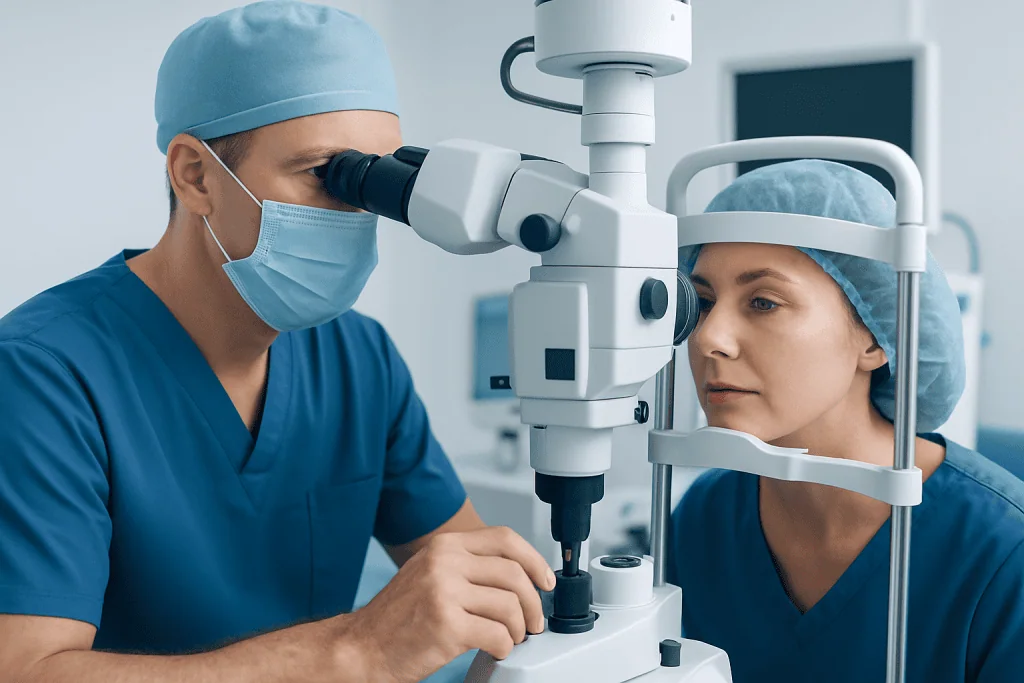
Cataract surgery replaces the cloudy natural lens with a clear artificial lens. It can improve vision affected by cataract, but it cannot reverse vision loss caused by other conditions. Macular degeneration, glaucoma, diabetic retinal disease, corneal disorders, and optic nerve disease may continue to limit sight after a technically successful operation.
Another common reason for blurred vision months or years later is posterior capsule opacification. The thin capsule that holds the artificial lens can become cloudy. This is sometimes described as a “secondary cataract,” but it is not a new cataract. It is usually treated with a short outpatient laser procedure rather than another cataract operation.
Early after surgery, vision can also fluctuate while the eye heals. Surface dryness, inflammation, temporary corneal swelling, and changes in the glasses prescription may contribute. A careful review is particularly important for patients with glaucoma, retinal conditions, or prior eye surgery, because these may influence both expectations and treatment choices.
Can a botched cataract surgery be redone?
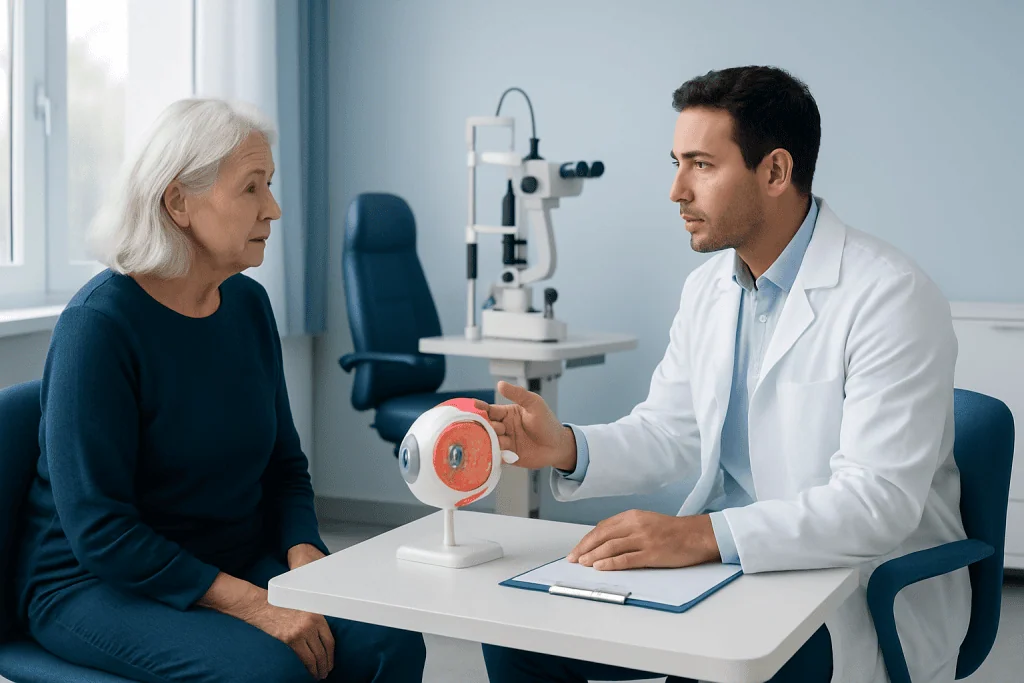
The phrase “botched cataract surgery” can feel distressing, but it is more useful to identify the specific problem. Some complications or unsatisfactory outcomes can be corrected or improved with further care. Examples include a lens implant that has shifted out of position, a lens power that causes a substantial focusing error, retained lens material, persistent inflammation, or certain problems involving the cornea or retina.
Revision is not always the best answer, and it is not always possible to restore vision fully. The potential benefit depends on the underlying cause, the health of the retina and optic nerve, the condition of the cornea, and the time since the original procedure. A second opinion from an ophthalmologist with experience in complex cataract and lens surgery can help patients understand the options.
Testing may include vision and refraction measurements, eye pressure checks, slit-lamp examination, corneal mapping, optical coherence tomography of the retina, and imaging of the lens implant. These findings help distinguish a lens-related issue from a condition that requires retinal evaluation and surgery or another specialist approach.
How cataract revision works: candidacy and steps
People may be candidates for a further procedure when a clearly identified problem is causing meaningful symptoms and the expected benefit outweighs the risks. Symptoms may include persistent blur, double vision in one eye, glare, halos, imbalance between the eyes, or reduced quality of vision that cannot be adequately corrected with glasses or contact lenses.
The procedure depends on the diagnosis. Posterior capsule opacification is usually treated with a YAG laser capsulotomy. If the implanted lens has moved, the surgeon may reposition and secure it. If the lens type or power is unsuitable, an IOL exchange may be considered. In some cases, the existing lens can remain in place and an additional lens may be used instead.
When lens surgery is needed, the eye is usually numbed with drops and/or local anaesthesia. The surgeon makes small incisions, carefully separates or removes the existing implant when necessary, and places or secures a replacement lens. More complex cases may require fixation of the lens to the eye wall or iris. The exact approach is individualized, particularly when the lens capsule is not able to support a new implant.
- Before the procedure: eye measurements, review of prior records where available, and discussion of visual goals.
- During the procedure: laser treatment or microsurgery chosen for the specific cause.
- After the procedure: anti-inflammatory and antibiotic drops may be prescribed, with scheduled follow-up visits.
Recovery timeline, benefits and risks
Recovery varies with the type of treatment. Vision may improve within hours or days after laser capsulotomy, although some people notice floaters briefly afterward. Recovery after lens repositioning or exchange often takes longer. Initial blur, light sensitivity, and mild irritation can occur, while vision may continue to stabilize over several weeks.
The possible benefits of revision treatment include clearer vision, reduced glare or double vision, improved comfort, and better focusing accuracy. However, no procedure can guarantee a particular visual result. Some people may still need glasses, particularly for reading or fine-detail tasks, and pre-existing retinal, optic nerve, or corneal disease may remain the main limitation on vision.
Risks depend on the procedure and the eye’s history. They can include infection, bleeding, increased eye pressure, inflammation, corneal swelling, retinal swelling, retinal tear or detachment, lens dislocation, and a need for further surgery. These risks may be higher in complex revision cases than in first-time cataract surgery, which is why individualized planning and follow-up are essential.
Why is 2nd cataract surgery more painful?
A second cataract-related procedure is not necessarily more painful. Most cataract and lens revision procedures are performed with anaesthetic eye drops, local anaesthesia, or sedation when appropriate, so people should not feel sharp pain during the operation. They may notice pressure, bright lights, or temporary awareness of activity around the eye.
Recovery can feel more uncomfortable if the eye has more inflammation, dryness, corneal sensitivity, or a longer operation than after the first surgery. Mild scratchiness, tearing, and light sensitivity are common short-term symptoms, but significant pain is not expected and should be reported promptly.
Patients should use postoperative drops exactly as prescribed, avoid rubbing the eye, and attend all follow-up appointments. The surgeon can advise on activity restrictions, eye protection, and when it is safe to return to normal routines.
Why don't I see better after cataract surgery?
Vision may not seem better immediately because the eye needs time to heal and adapt. Early blur can result from dryness, temporary corneal swelling, inflammation, or a changing prescription. In many cases, the ophthalmologist monitors healing before deciding whether glasses or further treatment are needed.
If reduced vision persists, the clinician will check for posterior capsule opacification, cystoid macular edema, lens position, residual refractive error, and conditions affecting the retina or optic nerve. The answer may be as simple as treating dry eye or updating glasses, but some findings need targeted eye treatment.
The biggest complaint after cataract surgery is often that vision remains blurry or does not meet the person’s expectations, particularly for night driving, glare, or close work. Clear discussion before and after surgery matters because an artificial lens may reduce dependence on glasses but does not always eliminate the need for them, and it cannot correct every cause of visual impairment.
When to seek medical care
Routine follow-up is important after cataract surgery and after any revision procedure. Patients should contact their eye surgeon if vision is not improving as advised, becomes increasingly blurred, or if they have ongoing redness, discharge, or worsening discomfort. New halos, glare, or floaters should also be discussed, especially when symptoms are persistent or changing.
Urgent eye assessment is needed for sudden vision loss, severe or increasing eye pain, marked redness, nausea with eye pain, flashes of light, a sudden shower of floaters, or a dark curtain or shadow in the field of vision. These symptoms do not always indicate a serious problem, but prompt assessment can protect vision.
Acibadem International’s multidisciplinary ophthalmology specialists and JCI-accredited hospitals support international patients who need assessment and treatment for cataract-related concerns, including complex lens and retinal evaluations.
Frequently asked questions
Can cataract surgery be repeated?
The original cataract usually cannot return because the natural lens has been removed. However, a person may need a separate procedure to treat a cloudy lens capsule, reposition an implanted lens, exchange a lens, or manage another eye condition affecting vision.
How long should I wait before considering cataract revision surgery?
The timing depends on the problem. Some symptoms improve as the eye heals over several weeks, while issues such as significant lens displacement, infection, or retinal complications may need earlier treatment. An ophthalmologist should determine the timing after examining the eye.
Is lens exchange after cataract surgery safe?
IOL exchange can be appropriate and beneficial for selected patients, but it is more complex than routine cataract surgery. Risks and expected benefits depend on the lens position, eye anatomy, time since surgery, and health of the cornea, retina, and optic nerve.
Can YAG laser treatment fix blurry vision after cataract surgery?
YAG laser capsulotomy can improve vision when the cause is posterior capsule opacification, a clouding of the membrane behind the artificial lens. It will not treat blur caused by dry eye, retinal disease, an incorrect lens power, or other unrelated conditions.
Will I need glasses after a second cataract-related procedure?
Many people still need glasses for some activities, particularly reading, computer work, or precise distance vision. Whether glasses are needed depends on the implanted lens, the eye’s final prescription, and individual visual goals.
What symptoms after cataract surgery require urgent attention?
Severe or worsening pain, sudden loss of vision, marked redness, flashes, many new floaters, or a curtain-like shadow require urgent assessment. These symptoms can have different causes, and early medical review is important.
References
- American Academy of Ophthalmology
- National Eye Institute
- Royal College of Ophthalmologists
- Mayo Clinic
This article is for general information only and is not a substitute for professional medical advice. Please consult a qualified doctor about your individual situation.
Cataract Surgery in Turkey — costs, top hospitals & a free quote
JCI-accredited · board-certified surgeons · reply within 24h
Add us as a Preferred Source to see more of our trusted health content across Google Search, AI Overviews and Discover.

Ophthalmology
Comprehensive eye care from laser vision correction to retina, cornea and cataract surgery.
75 specialists in this unitMore from the Health Library



Related Specialists

Öznur Tanişman
Physical Medicine & Rehabilitation
Prof. Dr. Murat Şamlı
Urology
Prof. Dr. İbrahim Bildirici
Gynecology & Obstetrics
Fzt. Ceren Kandemir Gençsoylu
Physical Medicine & Rehabilitation