

Nasopharyngeal Cancer Therapy: How It Works, Results and What to Expect
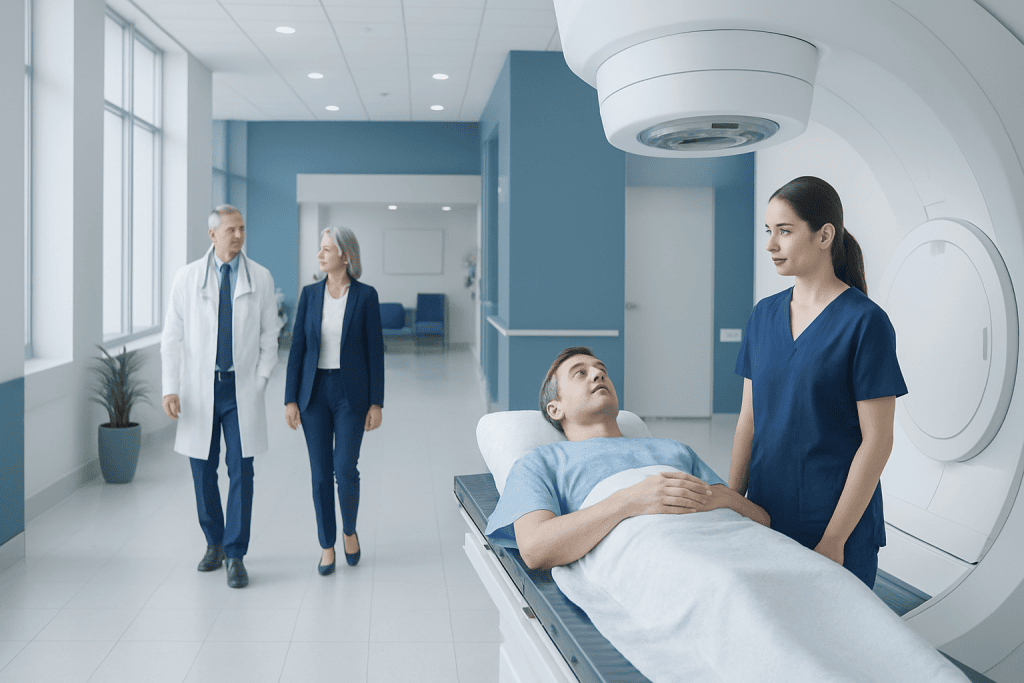
Radiotherapy is the main treatment for most nasopharyngeal cancers, often delivered using intensity-modulated radiotherapy (IMRT). Chemotherapy may be given before, during or after radiotherapy for more advanced disease.
Key Takeaways
- Radiotherapy is the main treatment for most nasopharyngeal cancers, often delivered using intensity-modulated radiotherapy (IMRT).
- Chemotherapy may be given before, during or after radiotherapy for more advanced disease.
- Many early-stage cases can be treated with curative intent, while advanced cancer may still be treatable and controllable.
- Treatment can affect swallowing, saliva production, hearing, skin and energy levels, so supportive care is an important part of therapy.
- Regular follow-up helps clinicians assess response, manage late effects and detect recurrence early.
Nasopharyngeal cancer therapy most often uses precisely planned radiotherapy, frequently combined with chemotherapy, because this cancer is usually sensitive to radiation. The treatment plan, likely results and recovery needs depend on the cancer stage, tumour features, general health and response to treatment.
Overview: How nasopharyngeal cancer therapy works
Nasopharyngeal cancer therapy is designed to remove or destroy cancer cells in the nasopharynx, the area behind the nose and above the throat. In most cases, the central treatment is radiotherapy because the tumour is located deep in the head and because nasopharyngeal carcinoma commonly responds well to radiation. Modern planning techniques aim radiation at the tumour and involved lymph nodes while limiting exposure to nearby healthy structures.
Chemotherapy is often combined with radiation for cancers that are larger, have spread to lymph nodes or carry a higher risk of spreading elsewhere. Chemotherapy medicines circulate through the bloodstream and can make cancer cells more sensitive to radiation or treat microscopic cancer cells beyond the original site. Some people may receive chemotherapy before chemoradiotherapy, while others receive it at the same time as radiotherapy.
Surgery has a more limited role than it does in many other head and neck cancers. It may be considered for selected persistent or recurrent tumours, or for lymph nodes in the neck that remain affected after other treatment. The care team reviews pathology, imaging, overall health and personal priorities to create an individual plan.
Who may be a candidate for treatment?
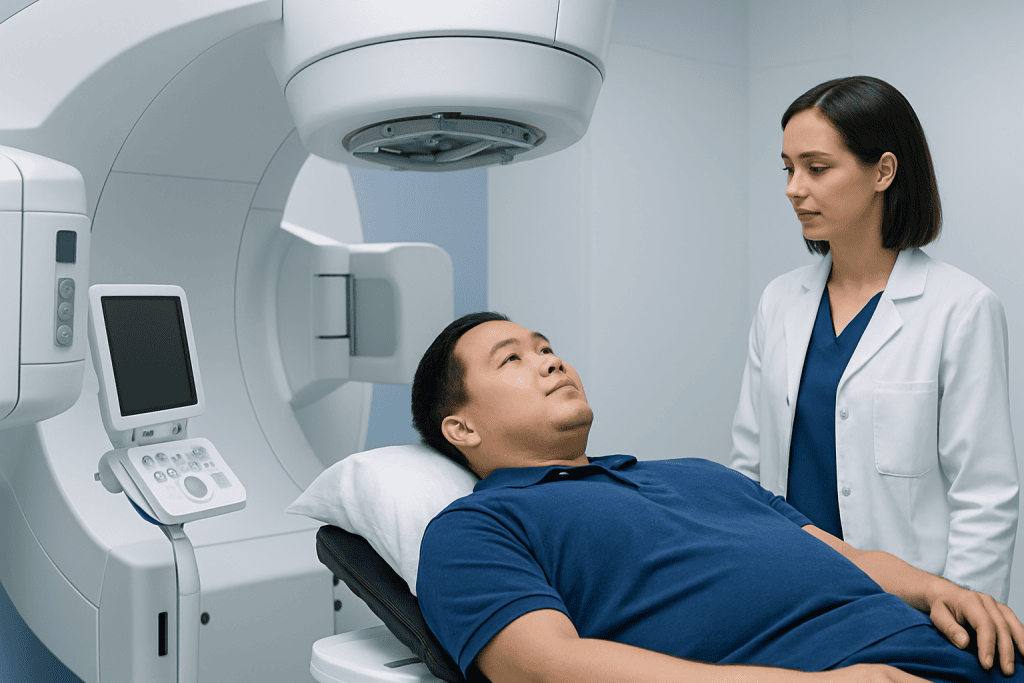
Most people diagnosed with nasopharyngeal carcinoma are assessed by a multidisciplinary team that may include an ENT surgeon, radiation oncologist, medical oncologist, radiologist, pathologist, dentist, dietitian, speech and swallowing therapist and specialist nurse. The team confirms the diagnosis with a biopsy and determines the cancer stage before recommending therapy.
Candidacy for combined chemotherapy and radiotherapy depends on the stage of cancer, whether lymph nodes are involved, kidney and hearing function, nutrition, other medical conditions and ability to manage treatment side effects. People with early localised disease may be treated with radiotherapy alone, whereas locally advanced disease commonly requires combined treatment.
Before treatment starts, clinicians may arrange dental care, a hearing assessment, blood tests, nutrition review and imaging. These assessments help reduce preventable complications and establish a baseline for future follow-up. Treatment planning also considers practical needs such as transport, family support and work arrangements.
- Early-stage disease may be suitable for radiotherapy alone.
- Locally advanced disease often requires chemotherapy plus radiotherapy.
- Recurrent or metastatic disease may be treated with systemic therapy, targeted treatment, immunotherapy or carefully selected local treatment.
Step by step: radiotherapy and chemotherapy

Radiotherapy begins with a planning appointment, often called simulation. The patient lies in the treatment position while a custom mask is made to keep the head and neck still. A planning CT scan, sometimes combined with MRI or PET-CT information, allows the radiation team to map the tumour, lymph nodes and sensitive nearby organs such as the spinal cord, salivary glands, eyes and hearing structures.
Most external-beam radiotherapy is delivered on weekdays over several weeks. Each daily treatment is usually brief and painless, although positioning and verification scans take additional time. The patient is awake and does not feel radiation entering the body. The treatment team monitors progress throughout the course and adjusts supportive care when needed.
When chemotherapy is recommended, it may be given intravenously in cycles before radiation, during radiation or both. The exact medicines and sequence vary by stage and personal health factors. Blood tests are checked regularly, and the oncology team may delay or modify treatment if side effects become unsafe.
For people who need highly focused radiation planning, radiotherapy treatment may be delivered with advanced techniques such as IMRT. These approaches do not eliminate side effects, but they can improve dose distribution around the complex anatomy of the nasopharynx.
Benefits, limitations and possible risks
The main potential benefit of nasopharyngeal cancer therapy is long-term disease control or cure, particularly when cancer is diagnosed before it has spread to distant organs. Combined chemoradiotherapy can improve control of locally advanced disease, but it also tends to cause more intensive short-term side effects than radiation alone.
During treatment, common effects include tiredness, skin redness or soreness in the treatment area, dry mouth, altered taste, mouth and throat pain, thick saliva, nausea, reduced appetite and difficulty swallowing. Chemotherapy can also cause low blood counts, infection risk, kidney effects, numbness or tingling in the hands and feet, and hearing changes, depending on the medicines used.
Some effects may continue or appear months to years after treatment. These can include persistent dry mouth, dental problems, swallowing difficulty, hearing loss, neck stiffness, thyroid hormone changes and, less commonly, damage to nearby tissues. Careful radiation planning, dental prevention, nutrition support and long-term monitoring help manage these risks.
Patients should report symptoms promptly rather than trying to tolerate severe discomfort alone. Pain management, mouth care, anti-nausea medicines, hydration support, feeding assistance when needed and rehabilitation can help people complete treatment more safely and comfortably.
Recovery timeline and follow-up care
Side effects usually build gradually during radiotherapy and may be most noticeable in the final weeks of treatment or shortly afterward. Many acute effects begin to improve over several weeks after therapy ends, although fatigue, taste changes, dry mouth and swallowing changes can take longer. Recovery is individual, and some late effects may be long-lasting.
Nutrition is especially important during recovery. A dietitian can suggest foods and drinks that are easier to swallow and provide adequate calories, protein and fluids. Speech and swallowing therapy may help preserve or rebuild swallowing function, while dental follow-up helps protect teeth and gums when saliva production is reduced.
Follow-up appointments commonly include physical examinations, assessment of the nose, throat and neck, imaging when appropriate, and blood tests that may include thyroid function. The care team also monitors hearing, nutrition, speech, swallowing and emotional wellbeing. Follow-up schedules become less frequent over time if there is no evidence of cancer.
For international patients, Acibadem International’s multidisciplinary specialists and JCI-accredited hospitals can coordinate diagnosis, treatment and follow-up planning for nasopharyngeal cancer.
Can nasopharyngeal cancer be cured completely?
Nasopharyngeal cancer can be cured completely in many people, especially when it is found at an earlier stage and treated with appropriate radiotherapy, with or without chemotherapy. Cure is not possible to predict for an individual person from stage alone, because tumour biology, response to treatment, general health and whether cancer has spread also matter.
For locally advanced cancer, treatment may still be given with curative intent. When cancer has spread to distant parts of the body, the goal may shift toward long-term control, symptom relief and maintaining quality of life, although some people can have prolonged responses to treatment.
A specialist team can explain whether treatment is intended to cure, control or relieve symptoms after reviewing staging scans and biopsy findings. Ongoing surveillance remains important because a recurrence may be treatable, particularly when identified early.
What is the success rate for nasopharyngeal cancer?
There is no single success rate for nasopharyngeal cancer because outcomes vary substantially by stage, tumour type, lymph node involvement, geographic and biological factors, and access to complete treatment. Early-stage disease generally has a more favourable outlook than cancer that has spread to distant organs.
Clinicians may discuss local control, disease-free survival, overall survival and response to treatment rather than using one number. Published outcome figures describe groups of people treated in past periods; they cannot determine what will happen for one individual, particularly as radiotherapy techniques and systemic treatments continue to improve.
A treating oncologist is best placed to discuss prognosis using the individual’s stage, imaging, laboratory findings and planned treatment. Asking what the treatment goal is and how response will be measured can help patients and families understand the outlook more clearly.
How fast does nasopharyngeal cancer grow?
Nasopharyngeal cancer does not grow at the same speed in every person. Some tumours develop gradually over months, while others may cause symptoms or spread to nearby lymph nodes more quickly. The growth pattern depends on the subtype of cancer and its biological characteristics.
Because the nasopharynx is difficult to see without specialised examination, symptoms can be subtle at first. A persistent neck lump, blocked nose, nosebleeds, one-sided hearing changes, repeated ear fluid in an adult, facial numbness or ongoing headache should be assessed by a qualified clinician, particularly if symptoms do not resolve.
Prompt evaluation does not mean that cancer is likely; these symptoms have many other possible causes. However, early assessment can identify treatable conditions and avoid unnecessary delay if further testing is needed.
Is nasopharyngeal carcinoma serious?
Nasopharyngeal carcinoma is a serious cancer because it can grow into nearby structures and may spread to lymph nodes or other organs. It also occurs close to important nerves, blood vessels, the skull base and hearing structures, which makes accurate diagnosis and carefully planned treatment essential.
At the same time, serious does not mean hopeless. Many cases respond well to modern radiotherapy and chemotherapy, and specialist supportive care can help manage the physical and emotional effects of treatment. Clear communication with the cancer team can help patients understand their specific diagnosis and options.
Learning about nasopharyngeal cancer may help patients prepare for discussions about staging, treatment goals and follow-up needs.
When to seek medical care
Medical assessment is recommended for symptoms that persist for more than a few weeks, worsen, or occur together with a neck lump. Relevant symptoms can include ongoing nasal blockage, recurrent nosebleeds, reduced hearing or a blocked-ear sensation on one side, persistent ear infections in an adult, double vision, facial numbness, trouble swallowing or unexplained weight loss.
People already receiving treatment should contact their oncology team promptly for fever, inability to drink enough fluids, uncontrolled vomiting, severe mouth or throat pain, new confusion, breathing difficulty, sudden hearing changes or signs of infection. The team can advise whether urgent assessment is needed.
After treatment, new or returning symptoms should also be reported rather than waiting for the next routine appointment. Early review can identify treatable side effects, infection, nutrition problems or possible cancer recurrence.
Frequently asked questions
What is the main treatment for nasopharyngeal cancer?
Radiotherapy is the main treatment for most nasopharyngeal cancers because these tumours are often sensitive to radiation. Chemotherapy is commonly added when cancer is more advanced or has spread to lymph nodes.
Does radiotherapy for nasopharyngeal cancer hurt?
External-beam radiotherapy itself is painless and does not make a person radioactive. However, side effects such as sore mouth, throat discomfort, skin irritation and fatigue can develop gradually during treatment.
How long does nasopharyngeal cancer treatment take?
A radiotherapy course is commonly delivered on weekdays over several weeks. If chemotherapy is part of the plan, it may begin before radiation, be given during radiation, or continue afterward, making the overall treatment period longer.
Will treatment affect eating and swallowing?
It can. Mouth soreness, dry mouth, taste changes and throat inflammation may make eating difficult during and after treatment, so early input from a dietitian and swallowing therapist can be valuable.
Can nasopharyngeal cancer come back after treatment?
Yes, recurrence is possible, which is why structured follow-up is important. If cancer returns, treatment options depend on where it recurs, prior treatment, overall health and the extent of disease.
Is surgery usually needed for nasopharyngeal cancer?
Surgery is not usually the first treatment because of the tumour’s location and the effectiveness of radiotherapy. It may be considered in selected cases of persistent or recurrent disease, or for remaining affected lymph nodes in the neck.
References
- National Cancer Institute
- American Cancer Society
- European Society for Medical Oncology
- National Health Service
- World Health Organization
This article is for general information only and is not a substitute for professional medical advice. Please consult a qualified doctor about your individual situation.
Oncology care in Turkey — second opinion and treatment plan
JCI-accredited · board-certified surgeons · reply within 24h
Add us as a Preferred Source to see more of our trusted health content across Google Search, AI Overviews and Discover.

More from the Health Library



Related Specialists

Dt. Barış Konuk
Oral Dental & Maxillofacial Surgery
Prof. Dr. Kenan Hizel
Infectious Diseases & Clinical Microbiology
Dt. Ferah Kuybulu
Oral & Dental Health
Prof. Dr. İsmail Cinel
Anesthesiology