Ttfields Treatment: How It Works, Results and What to Expect
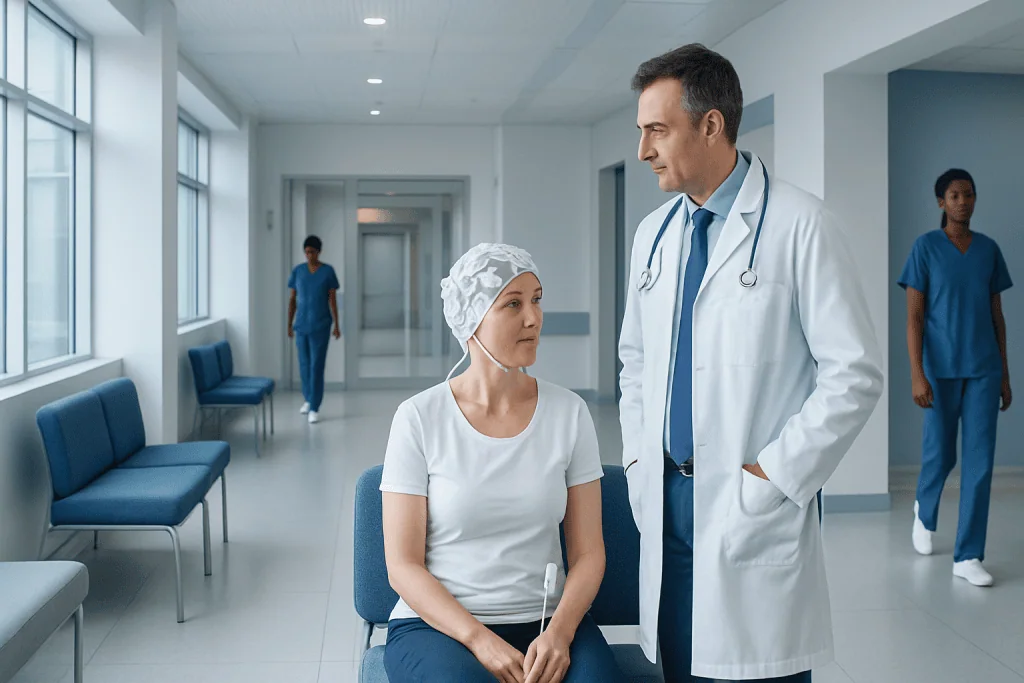
TTFields treatment uses alternating electric fields to interfere with cancer cell division rather than radiation or chemotherapy. It is approved or used in selected settings for glioblastoma and malignant pleural mesothelioma, depending on local regulatory guidance.
Key Takeaways
- TTFields treatment uses alternating electric fields to interfere with cancer cell division rather than radiation or chemotherapy.
- It is approved or used in selected settings for glioblastoma and malignant pleural mesothelioma, depending on local regulatory guidance.
- Treatment typically involves wearing skin-applied arrays connected to a portable device for many hours each day.
- Skin irritation beneath the arrays is the most common side effect; the therapy does not usually cause whole-body chemotherapy-like effects.
- Response is monitored through imaging, examinations, symptoms and, when relevant, laboratory tests.
- TTFields is not suitable for every cancer type or every person, so individualized assessment by a multidisciplinary cancer team is essential.
TTFields treatment is a wearable, non-invasive cancer therapy that delivers low-intensity alternating electric fields to a tumor area. It is used alongside or after other treatments for selected cancers and requires ongoing support from a specialist oncology team.
Overview: What Is TTFields Treatment?
TTFields treatment, also called tumor treating fields therapy, is a non-invasive cancer treatment that delivers low-intensity, alternating electric fields through adhesive arrays placed on the skin near a tumor. These fields are designed to disrupt processes involved in cell division, which may slow the growth of some cancer cells. The treatment is delivered continuously or for long periods each day through a portable device, rather than through surgery, an infusion or radiation sessions.
TTFields technology is most established in specific clinical settings, including glioblastoma, an aggressive type of brain tumor, and malignant pleural mesothelioma, a cancer affecting the lining around the lungs. It is generally used as part of a broader treatment plan that may include surgery, radiotherapy, chemotherapy, immunotherapy or supportive care. The exact role depends on the cancer type, its stage, previous treatments and a person’s overall health.
It is important to distinguish TTFields from treatments that use heat, high-energy radiation or electrical stimulation to destroy tissue. TTFields are intended to affect dividing cancer cells through carefully controlled electric fields. A cancer specialist can explain whether this approach has a recognized role in an individual treatment plan.
How TTFields Technology Works
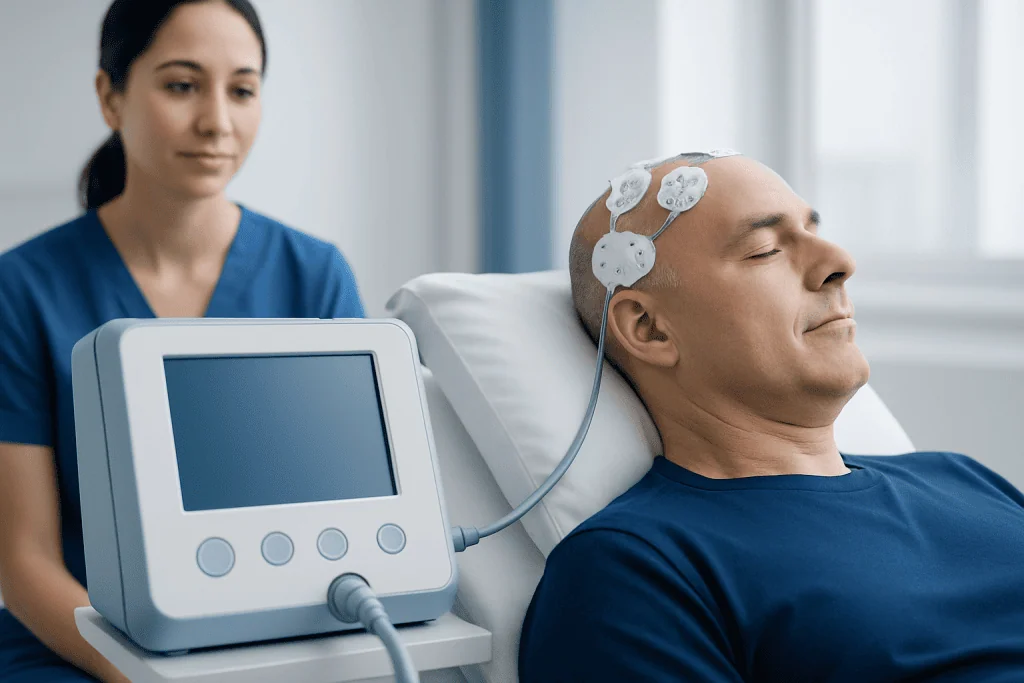
Cancer cells must organize internal structures precisely when they divide. TTFields therapy uses alternating electric fields at frequencies selected for the tumor type to interfere with this process. In laboratory and clinical settings, the fields may disrupt components involved in mitosis, the process through which one cell becomes two. Cells that divide frequently may be more vulnerable to this effect than many healthy adult cells, although the treatment is not risk-free.
The electric fields are delivered through insulated transducer arrays attached to shaved, clean skin. For brain tumors, arrays are placed on the scalp. For mesothelioma, arrays are placed on the chest and upper back. The arrays connect by cables to a battery-powered portable device that can be carried in a bag or backpack.
TTFields does not replace all other cancer treatments. For example, it may be prescribed after combined chemotherapy and radiotherapy for eligible people with newly diagnosed glioblastoma, or together with systemic treatment in selected cases of mesothelioma. The oncology team determines how it fits with other treatments and how long it should be continued.
Who May Be a Candidate for TTFields Therapy?

Candidacy begins with an accurate diagnosis, staging and review by clinicians experienced in the relevant cancer. TTFields treatment may be considered for certain adults with glioblastoma or unresectable malignant pleural mesothelioma when it is supported by local approvals, clinical evidence and the person’s care plan. Not every patient with these diagnoses will benefit equally, and availability varies between countries and treatment centers.
Clinicians consider the tumor’s location and extent, previous surgery or other treatment, current medications, skin condition, ability to manage the device, daily support needs and personal goals. The therapy requires consistent use, so practical factors such as comfort with device care, mobility, travel plans and help from family or caregivers are relevant.
People with implanted electronic medical devices, certain skull defects or active scalp or chest skin problems may need additional assessment. The prescribing team and device specialists should review individual safety considerations. For people with brain tumors, care may also include evaluation and treatment options for glioblastoma.
- A confirmed tumor type for which TTFields has an appropriate clinical role
- A treatment plan developed with medical, radiation and surgical oncology input when needed
- Ability to attend follow-up appointments and maintain array changes
- No contraindication identified by the oncology and device teams
What Happens During TTFields Treatment?
TTFields is not a one-time procedure. Before treatment starts, a trained clinician or device specialist explains the equipment, array placement, battery changes and skin care. The treatment area is usually shaved so the arrays can adhere closely to the skin. The care team provides a placement map tailored to the tumor location and teaches the patient and caregiver how to follow it safely.
At home, the arrays are placed on the skin and connected to the device. The device generates the electric fields while the person goes about many usual daily activities. Arrays are changed regularly according to the prescribed schedule, often with help from a caregiver at first. The patient may need to recharge or replace batteries during the day and keep the device dry.
Adherence matters because the therapy is designed for prolonged daily use. The team can review device-use information, discuss barriers such as skin discomfort or equipment handling, and suggest practical adjustments. A structured glioblastoma treatment plan may combine TTFields with imaging follow-up, symptom management and other cancer therapies where appropriate.
Regular appointments are still necessary. During these visits, clinicians assess symptoms, inspect the skin, review use of the device and arrange imaging or other tests to evaluate the cancer. Patients should not stop or change treatment without discussing it with their oncology team.
Do Tumor Treating Fields Work?
Tumor treating fields can be beneficial for selected patients when used for cancer types and treatment settings supported by clinical evidence. In newly diagnosed glioblastoma, studies have shown that adding TTFields to maintenance chemotherapy after chemoradiotherapy can improve outcomes for some eligible patients compared with chemotherapy alone. In mesothelioma, it may be used with specific systemic treatments in selected circumstances.
However, TTFields is not a cure for every person and does not work in the same way for all tumors. Outcomes are influenced by cancer biology, disease extent, other treatments, overall health and how consistently the device can be used. A balanced TTFields review should consider potential benefit, treatment burden, skin effects, quality of life and the person’s own priorities.
Clinical trials continue to evaluate TTFields technology in additional cancers and combinations. A recommendation should be based on high-quality evidence for the individual diagnosis rather than on claims that an electrical device can treat cancer broadly. Patients can ask their oncologist what outcomes are realistic in their particular situation and what alternatives are available.
Benefits, Risks and TTFields Response Time
A possible benefit of TTFields treatment is that it acts locally at the treatment area and does not usually produce the same systemic side effects as chemotherapy, such as widespread effects on blood counts. It can also be used while a person is at home and may be integrated with selected systemic therapies. Nonetheless, carrying the device and wearing arrays for extended periods can affect daily routines, sleep, body image, work and travel.
The most common treatment-related problem is skin irritation beneath the arrays. This can include itching, redness, dryness, rash, pressure-related changes or, less commonly, skin breakdown or infection. Careful shaving, regular array changes, gentle skin care and early reporting of symptoms help reduce complications. The oncology team may recommend a temporary adjustment, skin treatment or a pause if a reaction is significant.
There is no fixed TTFields response time. Some changes may be seen on scans over months, while in other cases the main goal is to delay tumor growth rather than create a visible shrinkage. Imaging can also be complex after brain tumor treatment because inflammation or treatment effects may resemble progression. Specialists interpret scans alongside symptoms, neurological examination and the full treatment history.
Urgent concerns include severe or spreading skin reactions, signs of infection, new or worsening neurological symptoms, breathing difficulties, chest pain or problems that prevent safe device use. The care team should provide clear contact instructions before treatment begins.
How Can I Tell If Cancer Treatment Is Working?
Whether cancer treatment is working is assessed through planned follow-up, not by one symptom alone. Depending on the cancer, clinicians may use MRI, CT or other imaging, physical examinations, symptom changes, blood tests and, in selected cases, tumor markers. They compare current findings with earlier results and consider whether the cancer is shrinking, stable, progressing or causing fewer symptoms.
Feeling better can be encouraging, but it does not always confirm a tumor response. Similarly, fatigue, appetite changes or other symptoms may arise from treatment, stress or another health problem rather than cancer progression. People receiving TTFields should attend scheduled scans and report new symptoms promptly instead of waiting for the next routine visit.
For brain tumors, the care team may assess headaches, seizures, speech, movement, memory and daily function as well as MRI findings. A multidisciplinary team can help interpret uncertain results and adapt treatment when needed. Supportive measures, including rehabilitation and symptom control, remain important regardless of scan results.
What Is the Success Rate of CAR T-Cell Therapy for Cancer Patients?
CAR T-cell therapy is different from TTFields treatment. CAR T-cell therapy is an immunotherapy in which a person’s T cells are collected, genetically modified to recognize a cancer target, multiplied and returned by infusion. It is used mainly for certain blood cancers, including selected leukemias, lymphomas and multiple myeloma, rather than as a standard treatment for glioblastoma or mesothelioma.
There is no single success rate for CAR T-cell therapy. Response rates and the chance of durable remission vary substantially by cancer type, the specific CAR T-cell product, previous treatments, disease burden and individual health factors. Some patients have deep and lasting responses, while others do not respond or later relapse.
CAR T-cell therapy can also cause serious complications, including cytokine release syndrome and neurological effects, and it is delivered in specialized centers with close monitoring. People considering it should ask their hematology or oncology team about expected benefits, risks, eligibility and alternative options for their own diagnosis. It should not be viewed as interchangeable with TTFields therapy.
What Vibration Kills Cancer Cells?
No specific vibration has been proven to kill cancer cells safely and reliably as a general cancer treatment. Online claims about sound frequencies, vibration devices or energy therapies often oversimplify early laboratory findings or make promises that are not supported by human clinical evidence. Cancer treatment decisions should rely on therapies that have been properly tested for the specific tumor type.
TTFields may sometimes be described inaccurately as a vibration treatment. It does not use mechanical vibration. It uses low-intensity alternating electric fields delivered through skin arrays to interfere with cell division in particular tumor settings. This is a distinct, prescription-based medical technology with defined indications and monitoring requirements.
Anyone considering a device or complementary approach should discuss it with their oncology team before replacing, delaying or altering evidence-based treatment. Some approaches may be safe as supportive care, but they should not be assumed to control cancer unless reliable clinical evidence supports that use.
When to Seek Medical Care
People using TTFields should contact their oncology team promptly if they develop persistent or worsening skin irritation, pain, blisters, open areas, drainage, fever, or difficulty keeping the arrays in place. They should also seek advice if device problems interfere with prescribed treatment time or if they are unsure how to change arrays safely.
Urgent medical assessment is needed for new or worsening weakness, confusion, speech difficulty, seizures, severe headache, loss of consciousness, sudden breathing difficulty, chest pain or coughing up blood. These symptoms can have several causes and should not be assumed to be related to the device alone.
For international patients, Acibadem International’s multidisciplinary specialists and JCI-accredited hospitals can assess cancer treatment options, including whether TTFields has a role within an individualized plan. Ongoing communication with the treating cancer team remains essential throughout therapy.
Frequently asked questions
Is TTFields treatment painful?
TTFields treatment is generally not painful because the electric fields are delivered at low intensity through arrays placed on the skin. Some people develop itching, irritation or soreness under the arrays, which should be reported early so the care team can recommend skin-care measures or adjust treatment if needed.
How many hours a day is TTFields therapy used?
The prescribed daily use varies by indication and device instructions, but TTFields is commonly intended for use during most of the day. The oncology and device team will provide an individualized schedule and explain how to manage batteries, array changes and time away from the device.
Can TTFields be used with chemotherapy?
Yes, TTFields may be used with chemotherapy in certain approved or evidence-supported treatment settings. The exact combination depends on the tumor type, previous therapy, treatment goals and a specialist’s assessment of safety and expected benefit.
Does TTFields cause hair loss?
The treatment area generally needs to be shaved so arrays can attach properly, which can make hair loss or hair removal noticeable on the scalp. TTFields itself is not chemotherapy, but other treatments given at the same time may also affect hair growth.
Can I travel while using TTFields?
Many people can continue some travel and daily activities while using TTFields, but planning is important because the device, batteries and supplies must be managed carefully. Patients should speak with their treatment team before travel, particularly if they will be away during scheduled follow-up visits or need help with equipment.
How long will I need TTFields treatment?
Duration depends on the cancer type, response to treatment, tolerance, other therapies and personal goals. The oncology team reviews treatment regularly and may recommend continuing, pausing or changing therapy based on scans, symptoms and overall clinical benefit.
References
- National Cancer Institute
- U.S. Food and Drug Administration
- European Society for Medical Oncology
- American Cancer Society
- National Comprehensive Cancer Network
This article is for general information only and is not a substitute for professional medical advice. Please consult a qualified doctor about your individual situation.
Oncology care in Turkey — second opinion and treatment plan
JCI-accredited · board-certified surgeons · reply within 24h
Add us as a Preferred Source to see more of our trusted health content across Google Search, AI Overviews and Discover.

More from the Health Library



Related Specialists

Asst. Prof. Dr. Alper Özdilek
Otorhinolaryngology
Dr. Emel Eskitaşçıoğlu
Anesthesiology
Dr. Duygu Demirbaş Keskin
Ear Nose & Throat
Assoc. Prof. Dr. Tarık Yağcı
Otorhinolaryngology