Treatment for Elevated Blood Sugar: How It Works, Results and What to Expect

Elevated blood sugar should be confirmed, assessed and treated according to its cause and severity. A personalized plan may include nutrition, physical activity, weight management, glucose monitoring and medication.
Key Takeaways
- Elevated blood sugar should be confirmed, assessed and treated according to its cause and severity.
- A personalized plan may include nutrition, physical activity, weight management, glucose monitoring and medication.
- Very high glucose with vomiting, confusion, deep breathing or severe dehydration requires urgent medical assessment.
- Diabetes can often be managed effectively for many years, although treatment needs may change over time.
- Regular follow-up helps reduce the risk of eye, kidney, nerve, heart and blood vessel complications.
Treatment for elevated blood sugar depends on the cause, the glucose level, symptoms and whether diabetes is present. It may include hydration, individualized food and activity changes, adjustment of diabetes medicines and urgent hospital care when high glucose is accompanied by signs of a serious metabolic emergency.
Treatment for Elevated Blood Sugar: How It Works
Treatment for elevated blood sugar aims to bring glucose into a safer range while addressing the reason it rose. High blood sugar, also called hyperglycemia, can occur in people with type 1 diabetes, type 2 diabetes, diabetes in pregnancy or, less commonly, during illness, medication use or hormonal conditions. The right approach is therefore not a single procedure but an individualized care plan.
For a person who feels well and has moderately raised readings, treatment commonly focuses on reviewing meals, activity, medication timing, glucose monitoring and possible triggers such as infection or stress. When glucose is very high or symptoms suggest dehydration or a metabolic emergency, clinicians may use blood and urine tests, fluids, insulin and close monitoring in an emergency department or hospital.
The goal is not simply to improve one reading. Sustained glucose management helps protect blood vessels and nerves and can lower the long-term risk of complications involving the eyes, kidneys, feet, heart and brain. A clinician can also determine whether elevated readings indicate diabetes or another condition requiring treatment.
Who May Need Evaluation and Treatment?
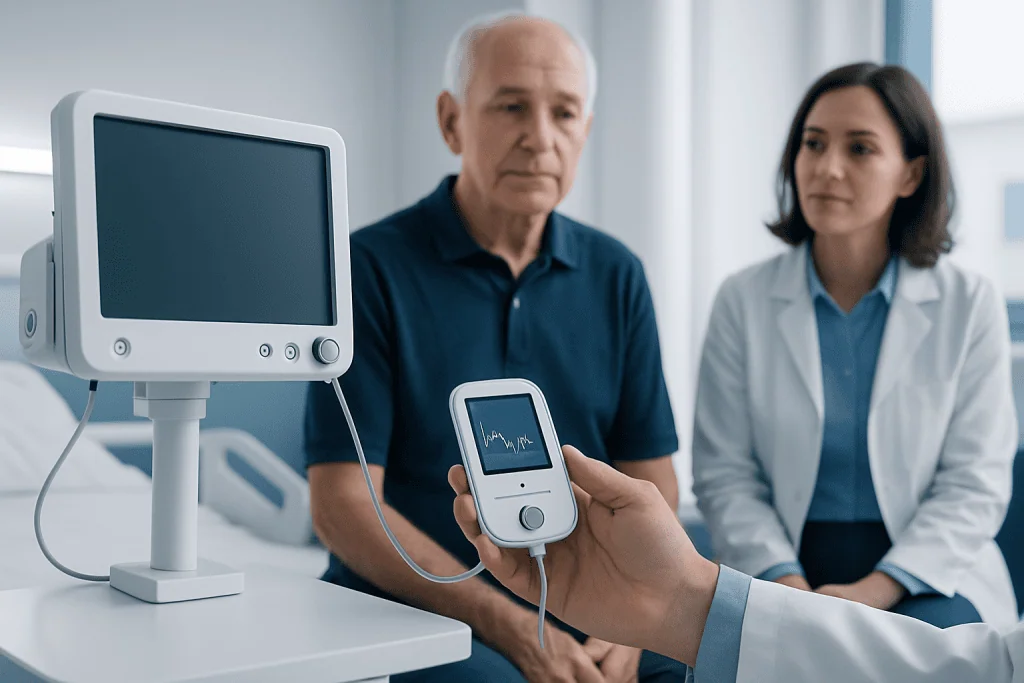
Anyone with repeatedly elevated home glucose readings, an abnormal laboratory result or symptoms of hyperglycemia should arrange medical assessment. Common symptoms include increased thirst, frequent urination, tiredness, blurred vision, recurrent infections, slow-healing wounds and unintended weight loss. Some people have no noticeable symptoms, which is why screening and routine laboratory testing are important for those at risk.
Risk factors include a family history of diabetes, previous gestational diabetes, excess body weight, low physical activity, high blood pressure, abnormal blood fats, polycystic ovary syndrome and certain medicines, including corticosteroids. Acute illness, surgery and emotional stress can also temporarily raise glucose, particularly in people who already have diabetes.
Clinicians consider the person’s age, medical history, pregnancy status, current medicines, kidney and liver health, daily routine and treatment preferences. This wider assessment helps make the plan practical and safe, especially for older adults and for people at risk of low blood sugar from glucose-lowering medication.
Assessment and the Step-by-Step Treatment Process

Care usually begins with confirmation of the glucose level. A clinician may review home meter or continuous glucose monitor readings and arrange blood tests such as fasting plasma glucose, random glucose and hemoglobin A1C, which estimates average glucose exposure over roughly the previous two to three months. Urine or blood ketone testing may be needed if type 1 diabetes is possible or glucose is markedly elevated.
The next step is identifying what may be contributing to the rise. The clinician will ask about missed or changed medication, recent food intake, alcohol use, physical activity, infection symptoms, stress, sleep, pregnancy and medicines that can affect glucose. Blood pressure, weight and signs of dehydration may also be checked. Further testing may look for infection, kidney problems, thyroid disease or other relevant conditions.
A personalized plan is then developed. It may include a realistic eating pattern, regular activity, structured glucose checks and education on sick-day rules. If medication is needed, the clinician selects treatment based on the type of diabetes and the person’s overall health. For many people, this care is coordinated through diabetes treatment with input from endocrinology, nutrition and, when appropriate, cardiology, kidney or eye specialists.
Follow-up is an essential part of the process. Glucose trends, A1C results, symptoms, side effects and any episodes of low blood sugar are reviewed, and the plan is adjusted gradually. This approach supports lasting control rather than rapid changes that may be difficult to maintain.
Treatment Options, Benefits and Possible Risks
Lifestyle measures are central to treatment for elevated blood sugar. They often include choosing minimally processed, fiber-rich foods more often, balancing carbohydrates with protein and healthy fats, reducing sugar-sweetened drinks and planning regular meals. Physical activity improves how the body uses insulin; however, people with very high glucose or ketones should ask a clinician before exercising because strenuous activity may worsen glucose levels in some situations.
Medicines may be recommended when lifestyle measures alone are unlikely to achieve safe glucose levels or when diabetes is already established. Options can include non-insulin medicines that improve insulin sensitivity, reduce glucose production by the liver, increase urinary glucose loss or affect appetite and digestion. Insulin is essential for type 1 diabetes and may also be needed for type 2 diabetes, pregnancy-related diabetes or acute illness.
The benefits of well-matched treatment include improved symptoms, more stable day-to-day energy and a lower risk of long-term diabetes-related complications. Possible risks vary by treatment. Some medicines can cause digestive symptoms, dehydration or low blood sugar, particularly when combined with insulin or certain tablets. Insulin can cause low glucose if the dose does not match food intake, activity or illness.
Medication should never be started, stopped or adjusted without professional guidance. Learning how to recognize and treat low blood sugar, how to use monitoring equipment and when to contact the care team makes treatment safer and more effective.
Recovery Timeline and Monitoring After Treatment Changes
There is no single recovery timeline because elevated blood sugar has different causes. Glucose related to a missed meal plan, short illness or temporary medication effect may improve within hours to days once the cause is addressed. Persistent hyperglycemia from newly diagnosed or established diabetes generally improves over weeks to months as a sustainable plan is introduced and refined.
Home monitoring can show short-term changes, while A1C testing is generally used to assess longer-term progress. The appropriate frequency of monitoring depends on the person’s diabetes type, medication and treatment goals. A care team may recommend more frequent checks during illness, pregnancy, medication changes or if insulin is used.
It is helpful to record readings alongside meals, activity, medications and symptoms. This information can reveal patterns and allows the clinician to make safer adjustments. Follow-up may also include kidney tests, blood pressure checks, cholesterol assessment, foot examinations and regular eye screening, which are important parts of comprehensive diabetes care.
How Long Does It Take to Fix High Blood Sugar?
How quickly high blood sugar improves depends on how high it is, why it occurred and which treatment is needed. A temporary increase may settle relatively quickly after hydration, appropriate medication use and treatment of a trigger such as infection. Persistent high glucose usually requires a longer plan, with changes assessed over weeks and longer-term results reflected in A1C testing.
Trying to lower glucose too rapidly without guidance can be unsafe, especially for people using insulin or medicines that can cause hypoglycemia. A clinician can set individualized targets and explain what degree of improvement is appropriate. Consistent daily management is more important than pursuing an immediate perfect reading.
What Is the Best Treatment for High Blood Sugar Levels?
The best treatment is the one matched to the underlying cause and the individual’s health needs. For mild or early elevations, nutrition changes, regular movement, weight management where appropriate and close follow-up may be sufficient. For diabetes, medication may be necessary in addition to these measures, and insulin is required for type 1 diabetes.
Emergency treatment is different from routine care. Very high glucose with ketones, vomiting, severe weakness, confusion or trouble breathing may require intravenous fluids, insulin and electrolyte monitoring in hospital. A healthcare professional should decide whether urgent treatment is needed rather than relying on home measures alone.
For people with type 2 diabetes and medically appropriate weight-related indications, bariatric surgery may be considered as part of specialist care. It is not a first-line option for everyone, but it can improve glucose control for selected patients alongside lifelong nutritional follow-up.
Can You Live a Long Life With High Blood Sugar?
Many people with diabetes or a history of elevated blood sugar live long, active lives when glucose, blood pressure and cholesterol are managed consistently. The key is to identify elevated glucose early, attend follow-up appointments and work with a healthcare team on a plan that fits daily life. Avoiding tobacco, staying active, eating a balanced diet and taking prescribed medicines also support long-term health.
Long-standing uncontrolled hyperglycemia can raise the risk of complications, but these risks are not inevitable. Regular eye, kidney, nerve and cardiovascular checks can identify changes early, when action may be most helpful. Emotional wellbeing matters too, as diabetes self-management can feel demanding and support is available.
Acibadem International’s multidisciplinary specialists and JCI-accredited hospitals diagnose and treat diabetes-related conditions for international patients, with care plans tailored to individual medical needs.
Can High Blood Sugar Be Completely Cured?
The answer depends on the cause. Type 1 diabetes currently has no established cure and requires lifelong insulin replacement. Type 2 diabetes can sometimes enter remission, meaning glucose remains below the diabetes range without glucose-lowering medication for a period of time, often after substantial weight loss or intensive lifestyle changes; however, remission is not guaranteed and glucose can rise again.
High glucose caused by a temporary factor, such as certain medications or an acute illness, may resolve when that cause is treated or removed under medical supervision. Gestational diabetes often improves after delivery, although it increases the future risk of type 2 diabetes and should be followed up.
Using terms such as remission rather than cure encourages continued checkups and healthy habits. Ongoing monitoring remains important even when glucose results improve substantially.
When to Seek Medical Care
Seek urgent medical care for high blood sugar accompanied by vomiting, abdominal pain, rapid or deep breathing, fruity-smelling breath, marked drowsiness, confusion, inability to keep fluids down or signs of severe dehydration. These symptoms can indicate diabetic ketoacidosis or hyperosmolar hyperglycemic state, which need prompt hospital treatment.
Contact a clinician promptly if glucose readings remain high despite following the existing plan, if ketones are present, if infection symptoms develop or if medication has been missed or changed. People who are pregnant, have type 1 diabetes or use insulin should ask their care team for individualized instructions about when to call and what to do during illness.
For non-urgent concerns, book an appointment if thirst, frequent urination, fatigue, blurred vision or recurrent infections are persistent. Early assessment can clarify the cause and help prevent complications before they develop.
Frequently asked questions
What should someone do immediately if their blood sugar is high?
They should follow their clinician’s written diabetes plan, check glucose again as advised and stay hydrated unless they have been told to limit fluids. People using insulin may need individualized correction instructions. If there are ketones, vomiting, breathing changes, confusion or severe weakness, urgent medical assessment is needed.
Can drinking water lower high blood sugar?
Water supports hydration and may help the body manage excess glucose through urine, but it does not replace diabetes medication or medical treatment. It is especially important to seek advice if high glucose is persistent or symptoms of dehydration are present. People with heart or kidney conditions should follow their clinician’s fluid guidance.
Does exercise lower blood sugar?
Regular physical activity often helps lower blood sugar by improving insulin sensitivity. However, vigorous exercise may not be appropriate when glucose is very high and ketones are present, as it can worsen hyperglycemia. A healthcare professional can advise on safe activity choices for an individual situation.
What foods help manage elevated blood sugar?
A balanced pattern built around vegetables, legumes, whole grains, lean protein, unsweetened dairy where suitable, nuts and healthy fats can support glucose management. Portion size and the overall amount and timing of carbohydrate also matter. A registered dietitian can help create an eating plan that reflects culture, preferences and medical needs.
Can stress cause high blood sugar?
Yes. Physical or emotional stress can raise hormones that increase glucose levels, particularly in people with diabetes. Illness, poor sleep, pain and infection can have similar effects. Persistent high readings should be discussed with a clinician rather than attributed to stress alone.
How is high blood sugar diagnosed?
Diagnosis usually involves laboratory blood tests, such as fasting plasma glucose, A1C or an oral glucose tolerance test, depending on the clinical situation. A home glucose meter can identify elevated readings but generally does not confirm a diagnosis by itself. A clinician interprets results together with symptoms, medical history and repeat testing when needed.
References
- American Diabetes Association
- National Institute of Diabetes and Digestive and Kidney Diseases
- Centers for Disease Control and Prevention
- World Health Organization
- International Diabetes Federation
This article is for general information only and is not a substitute for professional medical advice. Please consult a qualified doctor about your individual situation.
Explore treatments in Turkey — costs, top hospitals & a free quote
JCI-accredited · board-certified surgeons · reply within 24h
Add us as a Preferred Source to see more of our trusted health content across Google Search, AI Overviews and Discover.
Check your numbers in seconds
BMI, calories, due date, blood pressure and 30+ more clinical calculators — free, instant, doctor-reviewed ranges.