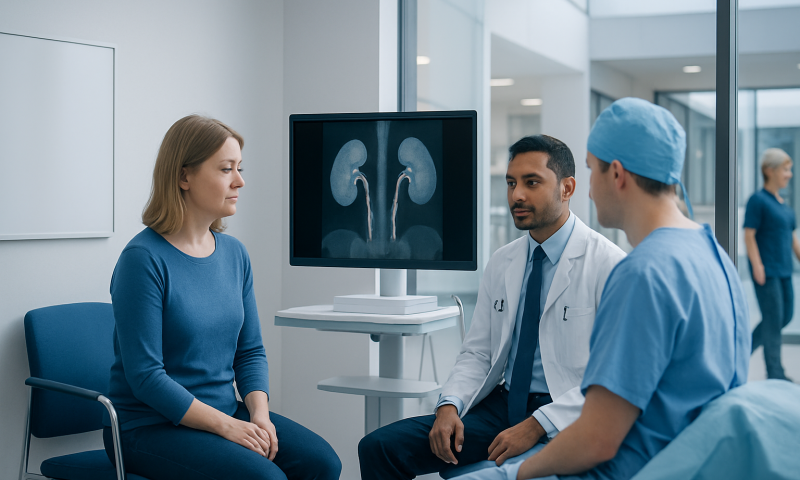
Operation Orange: Procedure, Recovery and Results

Operation Orange is not a standard medical name; in this context, it is commonly associated with laparoscopic liver resection. Laparoscopic liver resection uses small incisions and specialized instruments to remove a planned portion of the liver.
Key Takeaways
- Operation Orange is not a standard medical name; in this context, it is commonly associated with laparoscopic liver resection.
- Laparoscopic liver resection uses small incisions and specialized instruments to remove a planned portion of the liver.
- Not every liver condition can be treated laparoscopically; suitability depends on lesion size, location, liver function, and surgical history.
- Walking, breathing exercises, nutrition, wound care, and follow-up appointments support safe recovery.
- Urgent symptoms after surgery include worsening abdominal pain, fever, breathing difficulty, jaundice, persistent vomiting, or wound drainage.
Operation Orange is sometimes used online to describe laparoscopic liver resection, a minimally invasive operation that removes part of the liver for selected benign or cancerous conditions. Recovery varies by the amount of liver removed, the person’s overall health, and whether any additional treatment is needed, but many people recover faster than after open liver surgery.
Operation Orange: What Does It Mean?
“Operation Orange” is not a formal medical term used in surgical guidelines. In online searches, it may refer to laparoscopic liver resection, also called minimally invasive liver surgery. This operation removes a carefully planned section of the liver through several small abdominal incisions rather than one large incision.
Liver resection may be considered for certain liver tumors, including primary liver cancer, metastatic tumors that have spread to the liver, and selected noncancerous growths. It may also be used for other localized liver problems when removing the affected area is the safest treatment option. The goal is to remove diseased tissue while preserving enough healthy liver to continue its essential functions.
The name can be confusing because unrelated searches may use phrases such as “orange book recovery,” “orange juice recovery,” “operation reconnect orange beach,” “orange county operation,” or “operation orange ribbon.” These terms do not describe a recognized liver surgery pathway. A person considering liver surgery should ask their care team for the exact procedure name and the reason it is being recommended.
How Laparoscopic Liver Resection Works
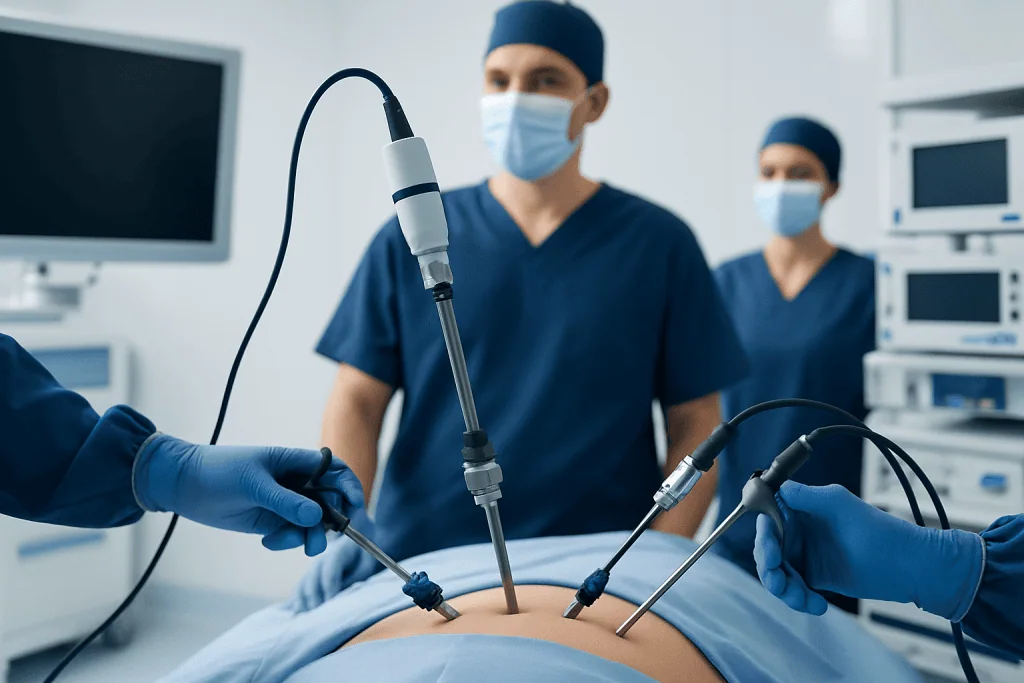
The liver is divided into segments supplied by blood vessels and bile ducts. During a liver resection, the surgeon uses imaging, anatomical landmarks, and sometimes intraoperative ultrasound to identify the target area and plan a safe margin around it when appropriate. The remaining liver tissue is left in place.
In laparoscopic surgery, a camera and fine surgical instruments are inserted through small incisions. The camera provides a magnified view of the liver and surrounding structures. Carbon dioxide gas is used to create working space inside the abdomen, and the surgeon controls bleeding carefully while dividing liver tissue.
Once the planned liver section has been freed, it is placed in a protective bag and removed through a slightly enlarged incision. The operation may be performed entirely laparoscopically, with robotic assistance in some centers, or converted to an open operation if safety requires it. Conversion is a surgical decision intended to protect the patient, not necessarily a complication.
For people who require assessment or treatment for liver tumors, laparoscopic liver resection may be discussed within a multidisciplinary plan that can include hepatobiliary surgeons, medical oncologists, radiologists, hepatologists, anesthesiologists, and specialist nurses.
Who May Be a Candidate?

Suitability for laparoscopic liver resection is individualized. Surgeons consider the reason for surgery, the number and location of liver lesions, the amount of liver that would need to be removed, and whether the remaining liver is healthy enough to function well after surgery. Tumors close to major blood vessels or bile ducts can be more technically complex.
Before surgery, patients commonly have blood tests to assess liver function and clotting, along with CT or MRI scans to map the liver and evaluate the condition being treated. Some people may need additional heart, lung, nutrition, or anesthesia assessments. If cancer is involved, the team also considers whether disease is present outside the liver and whether other treatments should be given before or after surgery.
Conditions such as cirrhosis, significant fatty liver disease, chronic viral hepatitis, previous upper-abdominal operations, bleeding disorders, or serious heart and lung disease do not automatically rule out surgery. However, they may change the recommended approach, timing, or level of monitoring. In some situations, ablation, systemic therapy, transplantation assessment, open surgery, or active surveillance may be more appropriate.
People with suspected or confirmed liver cancer should have their case reviewed by clinicians experienced in liver-directed therapies. This helps ensure that surgery is considered alongside all suitable options.
What Happens Before, During and After the Procedure?
Before the operation, the surgical team explains the planned resection, expected hospital stay, alternatives, and possible risks. Patients are given instructions about eating and drinking before anesthesia, regular medicines, blood-thinning medicines, smoking, alcohol, and arranging support at home after discharge. They should not stop prescribed medicines unless their clinician advises them to do so.
On the day of surgery, general anesthesia is used, so the patient is asleep and feels no pain during the procedure. The duration varies substantially according to the portion of liver being removed, prior surgery, scar tissue, tumor location, and the need for additional procedures. A urinary catheter, intravenous fluids, pain control, and occasionally a temporary drain may be used.
After surgery, recovery begins in a monitored area before transfer to a ward. The team checks blood pressure, oxygen levels, pain, urine output, wound sites, and blood tests. Early walking and breathing exercises are encouraged because they can help reduce the risk of chest complications and blood clots. Eating and drinking are restarted gradually when it is safe to do so.
Before discharge, patients receive guidance about pain medicines, wound care, activity, food and fluids, bowel changes, and follow-up. Pathology results, if tissue was removed for diagnosis or cancer treatment, are reviewed at a later appointment and may guide further care.
How Long Does It Take to Recover from Laparoscopic Liver Resection Surgery?
Recovery from laparoscopic liver resection is gradual. Many patients stay in hospital for several days, although this depends on the extent of surgery, pain control, return of bowel function, mobility, blood-test results, and any complications. Recovery is often shorter than after open liver surgery, but it is still major abdominal surgery.
During the first one to two weeks at home, tiredness, reduced appetite, mild abdominal discomfort, shoulder-tip discomfort from surgical gas, and changes in bowel habits can occur. Short, frequent walks and rest periods are usually more manageable than trying to resume a normal pace immediately. The care team will advise when showering, driving, returning to work, travelling, and lifting heavier items are safe.
Many people make meaningful progress over four to six weeks, while full energy and return to more demanding activities can take six to eight weeks or longer. Recovery may be longer after a major resection, an open operation, complications, chemotherapy, pre-existing liver disease, or other health conditions. The surgeon’s guidance should always take priority over general timelines.
A balanced diet with enough protein and fluids can support healing, but there is no proven “orange juice recovery” regimen that replaces medical advice. Alcohol should be avoided until the surgical team confirms it is safe, particularly because the liver is healing and may be affected by underlying disease or medicines.
Benefits, Risks and Expected Results
When surgery is appropriate, liver resection can remove a localized problem and provide tissue for detailed laboratory examination. Compared with open surgery, a laparoscopic approach may offer smaller scars, less postoperative pain for some patients, earlier mobility, and a shorter hospital stay. These potential benefits depend on the individual procedure and should not be assumed for every case.
The liver has an ability to regenerate after part is removed, but regeneration and recovery are not the same for every person. The outlook depends largely on why surgery was performed, the completeness of removal where relevant, the condition of the remaining liver, and whether additional therapy is needed. Follow-up imaging and blood tests may be recommended, especially after cancer surgery.
Possible complications include bleeding, infection, bile leak, fluid collection, blood clots, pneumonia, injury to nearby structures, delayed return of bowel function, and reactions to anesthesia. Rarely, liver function may worsen after surgery, particularly when the remaining liver is already damaged. The treating team discusses the risks that are most relevant to the planned operation.
Contact with a multidisciplinary liver team is important if new symptoms develop or if follow-up results suggest further treatment. Depending on the diagnosis, care may also involve liver transplantation assessment or non-surgical treatments; the most appropriate plan is based on individual clinical findings.
When to Seek Medical Care
After discharge, patients should follow the hospital’s written instructions and contact their surgical team for concerns that are not improving. It is sensible to ask about symptoms early rather than wait, particularly during the first weeks when recovery needs closer attention.
Urgent medical assessment is needed for fever or chills, increasing rather than improving abdominal pain, repeated vomiting, inability to drink fluids, yellowing of the skin or eyes, new confusion, fainting, chest pain, shortness of breath, leg swelling, heavy bleeding, or redness, swelling, pus, or opening of a wound. These symptoms do not always mean a serious complication, but they require prompt evaluation.
People should also seek timely medical advice before surgery if they develop new jaundice, persistent upper-abdominal pain, unexplained weight loss, swelling of the abdomen, or symptoms that may relate to a known liver condition. Early assessment can help clinicians identify the cause and discuss suitable investigations or treatment.
Acibadem International’s multidisciplinary specialists and JCI-accredited hospitals diagnose and treat liver conditions for international patients, with care plans tailored to clinical needs and follow-up arrangements.
Frequently asked questions
Is Operation Orange an official name for liver surgery?
No. Operation Orange is not a standard medical term used in surgical guidelines. It may be used informally online to refer to laparoscopic liver resection, so patients should confirm the exact operation with their surgeon.
How long does it take to recover from laparoscopic liver resection surgery?
Hospital recovery often takes several days, while improvement at home continues over several weeks. Many people return gradually to usual activities within four to eight weeks, but major resections, open surgery, complications, and underlying liver disease can extend recovery.
Is laparoscopic liver resection safer than open surgery?
Neither approach is automatically best for every patient. Laparoscopic surgery may reduce incision size and support earlier recovery for suitable cases, while open surgery may be safer or more effective for complex lesions or when wider access is needed.
Can the liver grow back after part is removed?
The remaining liver can increase in size and functional capacity after a resection. The degree and speed of recovery depend on the amount removed, the health of the remaining liver, and factors such as cirrhosis or fatty liver disease.
What should a person eat after liver resection?
A person should follow the advice provided by their surgical and nutrition teams. In general, regular meals with adequate protein, fluids, fruits, vegetables, and easily tolerated foods can support healing, while alcohol should be avoided until the care team approves it.
When should someone call the surgeon after liver surgery?
The surgeon should be contacted for worsening pain, fever, repeated vomiting, poor fluid intake, jaundice, wound changes, or concerns about medicines or activity. Emergency care is appropriate for severe breathing difficulty, chest pain, fainting, heavy bleeding, or sudden confusion.
References
- American College of Surgeons
- European Association for the Study of the Liver
- National Cancer Institute
- National Health Service
- American Liver Foundation
This article is for general information only and is not a substitute for professional medical advice. Please consult a qualified doctor about your individual situation.
Explore treatments in Turkey — costs, top hospitals & a free quote
JCI-accredited · board-certified surgeons · reply within 24h
Add us as a Preferred Source to see more of our trusted health content across Google Search, AI Overviews and Discover.