Side Effects of Radiation on Liver: What to Expect and How to Manage
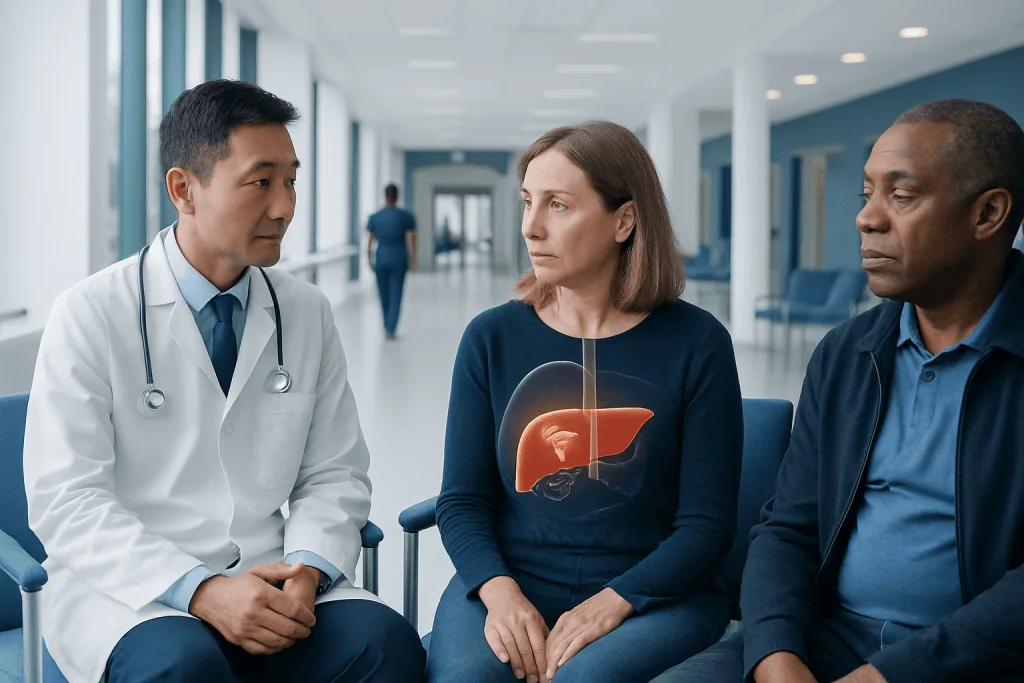
Most people have mild to moderate, temporary side effects from carefully planned liver radiation. Fatigue, nausea, reduced appetite and upper-abdominal discomfort may develop during treatment or in the following weeks.
Key Takeaways
- Most people have mild to moderate, temporary side effects from carefully planned liver radiation.
- Fatigue, nausea, reduced appetite and upper-abdominal discomfort may develop during treatment or in the following weeks.
- A rare but important complication is radiation-induced liver disease, which requires prompt medical assessment.
- The risk of liver injury depends on the radiation technique, treated liver volume, dose and underlying liver health.
- Follow-up blood tests and imaging help the care team assess liver function and treatment response.
- New or worsening jaundice, abdominal swelling, confusion, fever or severe pain should be reported promptly.
Side effects of radiation on liver can include fatigue, nausea, appetite changes and temporary changes in liver blood tests. Modern radiation planning aims to protect healthy liver tissue, and the oncology team monitors symptoms and liver function throughout treatment and recovery.
Overview: side effects of radiation on liver
Side effects of radiation on liver are often temporary and can include tiredness, nausea, appetite loss, mild abdominal discomfort and changes in liver blood tests. Although serious liver injury is uncommon with modern planning techniques, it can occur, particularly when a large liver area needs treatment or when the liver is already affected by cirrhosis, hepatitis or other disease.
Radiation therapy may be used for primary liver cancer, cancers that have spread to the liver, or selected tumors near the liver. The radiation oncology team designs treatment to deliver radiation precisely to the tumor while limiting exposure to healthy liver tissue, stomach, bowel, kidneys and spinal cord.
Liver radiation is not the same as surgery or chemotherapy. It is a local treatment, meaning it targets a defined area. Depending on the cancer type and treatment goal, it may be used alone or alongside systemic therapy, ablation, embolization, surgery or transplant assessment.
How liver radiation works and who may be a candidate
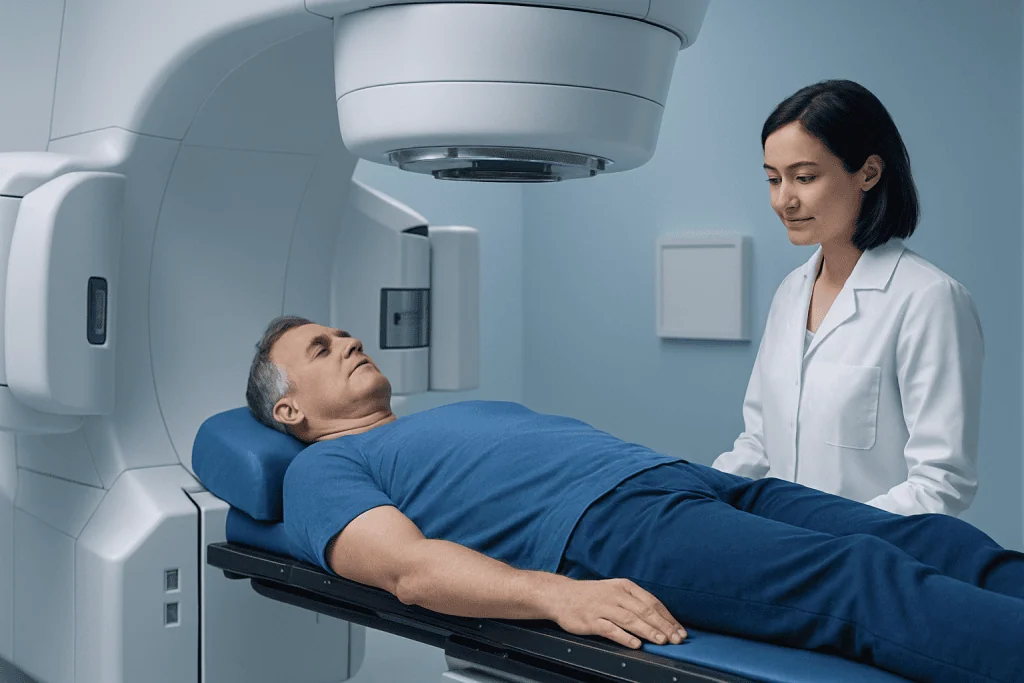
Radiation therapy works by damaging the genetic material inside cancer cells, making it difficult for them to continue dividing. Healthy cells can also be affected, but they are generally better able to repair themselves between treatments. External-beam radiation, including stereotactic body radiation therapy (SBRT), is commonly used to focus high-dose treatment on a small target over a limited number of sessions.
A person may be considered for liver radiation when a tumor cannot be safely removed, when ablation is not suitable, when there are only a limited number of liver tumors, or when local control is needed to relieve symptoms. Candidacy is individualized and considers the size, number and location of tumors, remaining healthy liver volume, prior treatments and overall health.
Existing liver function is especially important. People with cirrhosis, chronic viral hepatitis, fatty liver disease, bile duct obstruction or previous liver-directed therapy may have a higher risk of side effects. The team reviews scans, blood tests and medical history before recommending a plan.
In some cases, radiation is part of a coordinated plan for liver cancer care. Decisions are ideally made with input from radiation oncology, medical oncology, hepatology, surgery, radiology and supportive-care professionals.
Planning and treatment: what happens step by step

Before treatment, the patient has a planning appointment called simulation. This commonly includes a CT scan in the treatment position and may include MRI or PET images. Small skin marks or other positioning methods can help reproduce the same position each day. Because the liver moves with breathing, the team may use breath-hold techniques, motion tracking or imaging during treatment.
Specialized software maps the tumor and nearby organs. The radiation oncologist and medical physics team calculate a plan that balances tumor control with protection of normal liver tissue. This planning process can take several days or longer, especially for complex cases.
During each session, the patient lies still on a treatment table while the machine moves around the body. Treatment itself is painless; radiation cannot usually be felt, seen or smelled. A session may take longer than the actual radiation delivery because careful positioning and imaging checks are required.
Schedules vary. Conventional radiation may be given in smaller daily doses over several weeks, while SBRT may be delivered in a few sessions. The treatment team explains the proposed schedule, expected benefits and possible risks before therapy begins. Patients receiving focused treatment may discuss stereotactic body radiation therapy with their radiation oncologist when it is clinically appropriate.
Common side effects and recovery timeline
Many side effects begin gradually during treatment or in the first few weeks afterward. Fatigue is common and may feel out of proportion to activity. It can be influenced by the radiation itself, travel to appointments, disrupted sleep, reduced food intake, anemia, emotional stress and other cancer treatments.
Digestive symptoms can include nausea, reduced appetite, early fullness, indigestion or mild discomfort in the upper right abdomen. Radiation that is close to the stomach or bowel may occasionally cause more noticeable irritation. The care team can recommend anti-nausea medicine, nutrition support or other measures when needed.
Blood tests may show temporary elevations in liver enzymes or bilirubin. These results do not always cause symptoms, but they help clinicians understand how the liver is responding. Follow-up may include liver function tests, blood counts and imaging at intervals determined by the patient’s cancer and treatment plan.
For many people, acute symptoms improve over several weeks after the last session. Fatigue may take longer to settle, particularly if systemic treatment continues or liver disease was present before radiation. Recovery is individual, so persistent symptoms should be discussed rather than managed alone.
Is radiation therapy hard on the liver?
Radiation therapy can stress the liver because normal liver cells are exposed along with the tumor. However, modern techniques use detailed imaging, motion management and dose limits to reduce the amount of healthy liver receiving radiation. Whether radiation is “hard” on the liver depends largely on how much normal liver must be treated and how well the liver is functioning beforehand.
The most significant delayed complication is radiation-induced liver disease, sometimes called radiation hepatitis. It is uncommon but can lead to worsening fatigue, abdominal swelling, weight gain from fluid retention, jaundice or changes in liver blood tests. It most often develops weeks to a few months after treatment and needs timely evaluation.
Risk may be higher in people with cirrhosis, hepatitis B or C, significant fatty liver disease, poor baseline liver function, previous liver radiation or treatment of a large liver volume. This does not automatically rule out radiation; it means the potential benefits and risks need especially careful discussion.
Prompt reporting and planned monitoring allow the oncology team to distinguish expected effects from complications of cancer, infection, medications or underlying liver disease. No symptom should be assumed to be caused by radiation without medical review.
How successful is radiation on liver cancer?
Radiation can provide effective local control of selected liver tumors, especially when highly focused techniques can safely deliver an adequate dose. Its purpose may be to control a tumor that cannot be removed, reduce the chance of local progression, relieve symptoms or complement other treatments. Success is measured differently depending on the individual goal of care.
Results vary with cancer type, tumor size and number, tumor location, blood vessel involvement, liver function, whether cancer is present elsewhere in the body and the treatments received before or after radiation. For this reason, no single success rate applies to every person with liver cancer.
Radiation treats the targeted tumor area but does not necessarily prevent new tumors from developing elsewhere in the liver or body. Follow-up imaging is essential to assess response, which may appear gradually over time rather than immediately after treatment.
For some patients, radiation is combined with medicines such as immunotherapy or targeted therapy. The medical oncology team reviews whether medical oncology treatment may be useful as part of the broader cancer plan.
What not to do after radiation treatment?
After liver radiation, patients should not ignore new or worsening symptoms, stop prescribed medicines without advice, or start supplements and herbal products without checking with their clinician. Some products can affect the liver, interact with cancer medicines or complicate interpretation of liver blood tests.
Alcohol may further strain a liver that is recovering from treatment or already affected by disease. The appropriate approach depends on the person’s diagnosis and liver function, but avoiding alcohol is often advised unless the treating team says otherwise. Patients should also avoid smoking and recreational drugs, which can affect healing and general health.
There is usually no need for strict bed rest. Gentle movement, such as short walks, can help energy, sleep and mood if the patient feels able. However, strenuous activity should be reduced temporarily if fatigue, dizziness, pain or poor food intake makes exercise unsafe.
It is also wise not to miss follow-up visits, blood tests or scheduled scans. These appointments are part of treatment, not merely administrative checks, because they help identify liver changes and guide next steps.
What I wish I knew before radiation
Many people find it helpful to know that radiation sessions are painless and that the largest part of preparation is planning the treatment accurately. The immobilization equipment and imaging checks can feel unfamiliar, but staff remain in contact through cameras and intercoms during treatment.
It is also useful to expect that tiredness may build gradually rather than appearing on the first day. Planning practical support for transport, meals, work adjustments and household tasks can make the treatment period easier. Keeping a simple record of symptoms, appetite and medicines can help during clinic visits.
Patients may wish to ask how breathing motion will be managed, how much healthy liver is expected to receive radiation, what symptoms should trigger a call, and when blood tests and scans will be repeated. They can also ask whether any current medicines, vitamins or supplements should be paused or adjusted.
Clear communication is important. A patient should tell the team about prior radiation, liver conditions, hepatitis history, alcohol use, new prescriptions and any possibility of pregnancy before treatment begins.
When to seek medical care
Patients should contact their radiation or cancer team promptly for persistent vomiting, inability to drink enough fluids, worsening abdominal pain, a marked decrease in appetite, new fever, severe tiredness that limits basic activity, or side effects that are not controlled by the recommended plan.
Urgent medical assessment is important for yellowing of the skin or eyes, increasing abdominal swelling, rapid weight gain, confusion, unusual sleepiness, black or bloody stools, vomiting blood, chest pain, severe shortness of breath or fainting. These symptoms can have different causes and should not be self-treated.
Acibadem International’s multidisciplinary specialists and JCI-accredited hospitals diagnose and treat liver tumors for international patients, coordinating radiation care with liver, surgical and medical oncology services when appropriate.
Frequently asked questions
Can radiation to the liver cause permanent damage?
Permanent liver damage is uncommon when radiation is carefully planned, but it is possible, especially in people with reduced liver function before treatment. The risk depends on the volume of liver treated, radiation dose, other therapies and underlying liver disease. Regular blood tests and follow-up appointments are important for detecting problems early.
How long do liver radiation side effects last?
Nausea, appetite changes and fatigue may begin during treatment or shortly afterward and often improve over several weeks. Fatigue can last longer, particularly when other cancer treatments are ongoing. Delayed liver effects can occur weeks to months later, which is why follow-up remains important.
Can a person eat normally during liver radiation therapy?
Many people can continue a usual balanced diet, although appetite may decrease or nausea may occur. Small, frequent meals and adequate fluids can be easier to manage than large meals. A dietitian or oncology team can offer individualized guidance, especially for people with cirrhosis, diabetes or weight loss.
Will radiation treatment make a person radioactive?
No. External-beam radiation does not make the patient radioactive, and it is safe to be around family members, children and pregnant people after each session. Internal radiation treatments are different and may involve specific safety instructions, which the care team would explain.
Can radiation be given if someone has cirrhosis?
Sometimes, but cirrhosis requires careful evaluation because the liver may have less reserve to tolerate treatment. The radiation oncologist uses liver function tests and imaging to assess risk and may modify the treatment plan or recommend another approach. The decision should be made by a team experienced in both liver disease and cancer care.
What follow-up is needed after radiation to the liver?
Follow-up commonly includes symptom reviews, liver blood tests and imaging such as CT or MRI. The timing differs by cancer type and treatment plan, and imaging changes may develop gradually. Patients should keep all scheduled appointments and report concerning symptoms between visits.
References
- National Cancer Institute
- American Cancer Society
- American Society for Radiation Oncology
- European Society for Medical Oncology
- American Association for the Study of Liver Diseases
This article is for general information only and is not a substitute for professional medical advice. Please consult a qualified doctor about your individual situation.
Persistent digestive symptoms? Get evaluated in Turkey
JCI-accredited · board-certified surgeons · reply within 24h
Add us as a Preferred Source to see more of our trusted health content across Google Search, AI Overviews and Discover.

More from the Health Library


Related Specialists

Assoc. Prof. Dr. Bedriye Koyuncu Sökmen
Gastrointestinal Oncology Unit Clinical Service
Dr. Bakytbek Kazybaev
Cardiovascular Surgery
Dr. Serdar Özdemir
Internal Medicine
Prof. Dr. Eda Kepenekli
Pediatrics