Men’s Health Clinic Cost: What Patients Really Pay

The total cost of a men's health visit can include consultation, diagnostic tests, treatment, prescriptions, and follow-up monitoring. Testosterone replacement therapy requires confirmed low testosterone and ongoing medical monitoring; it should not be started based on symptoms alone.
Key Takeaways
- The total cost of a men's health visit can include consultation, diagnostic tests, treatment, prescriptions, and follow-up monitoring.
- Testosterone replacement therapy requires confirmed low testosterone and ongoing medical monitoring; it should not be started based on symptoms alone.
- A comprehensive clinic evaluates sexual, urinary, hormonal, fertility, cardiovascular, metabolic, and mental health factors when relevant.
- Patients can compare care plans more clearly by asking for an itemized estimate and checking what insurance or self-pay arrangements cover.
- Persistent urinary changes, erectile difficulties, fertility concerns, breast changes, or symptoms of hormone imbalance deserve medical assessment.
Men's health clinic cost is not one fixed amount: it is shaped by the reason for the visit, clinical assessment, laboratory testing, imaging when needed, treatment type, and follow-up care. A reputable clinic should explain what is medically necessary, what may be optional, and which elements are included in a written estimate before treatment begins.
Overview: What Does a Men's Health Clinic Cost Include?
A men’s health clinic cost usually reflects more than a single appointment. The final amount depends on why a person is seeking care, whether testing is required, the complexity of any diagnosis, the treatment selected, and how often follow-up is needed. Rather than relying on a headline price, patients benefit from asking for a personalized, itemized plan that separates consultation, investigations, procedures, medicines, and monitoring.
Men’s health services may address concerns such as erectile dysfunction, reduced libido, fatigue, urinary symptoms, fertility questions, low testosterone, prostate health, weight changes, sleep problems, and emotional wellbeing. Some concerns can be assessed during one consultation, while others require blood tests, urine tests, imaging, semen analysis, or referral to another specialist.
Cost should never be the only factor when choosing care. A safe clinic bases treatment on a proper medical history, examination, and appropriate testing. This is particularly important for hormone treatment, where symptoms can have many possible causes and ongoing monitoring is part of responsible care.
How Much Is a Consultation Fee at Mens Clinic?
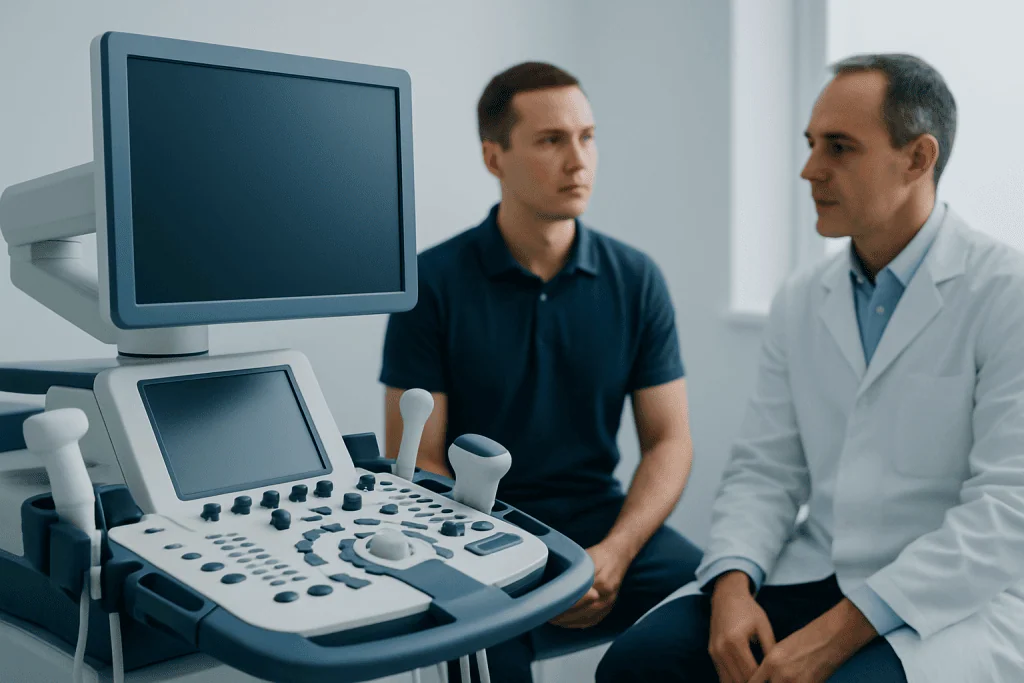
A consultation fee at a men’s clinic varies by country, city, clinic type, specialist experience, appointment length, and whether the visit includes an examination or point-of-care testing. Some clinics quote only the clinician visit, while others offer an initial assessment package. Patients should confirm exactly what the stated fee includes before booking.
Useful questions include whether the consultation covers a detailed health history, physical examination, review of previous results, discussion of treatment choices, and a written care plan. It is also reasonable to ask whether laboratory tests, imaging, prescriptions, injections, procedures, and follow-up appointments are billed separately.
For a meaningful assessment, clinicians may ask about medical conditions, current medicines and supplements, sexual health, fertility plans, sleep, mood, alcohol or tobacco use, and family history. Bringing prior laboratory results and a list of medicines can reduce unnecessary repeat testing, although the clinician may still need updated or specific tests.
How Evaluation and Treatment Planning Work

A good men’s health assessment starts by defining the main concern and its effect on daily life. The clinician reviews symptoms, medical and family history, lifestyle factors, and medicines that may affect sexual function, energy, hormones, fertility, or urinary health. Depending on the concern, the evaluation may involve blood pressure, weight, abdominal or genital examination, and prostate assessment when clinically appropriate.
Testing is selected according to the individual rather than ordered routinely for everyone. For example, erectile dysfunction can be associated with vascular disease, diabetes, medication effects, anxiety, depression, or hormonal conditions. Low libido and tiredness may relate to sleep disorders, thyroid disease, anemia, stress, depression, or low testosterone. Urinary symptoms can arise from prostate enlargement, infection, bladder disorders, or other causes.
After results are reviewed, the clinician discusses likely explanations and reasonable next steps. These may include lifestyle support, treatment for an underlying condition, medication, counseling, pelvic health support, referral to urology, endocrinology, cardiology, fertility medicine, or another specialty. An individualized plan is safer and often more valuable than a one-size-fits-all package.
How Expensive Is TRT Out of Pocket?
Out-of-pocket testosterone replacement therapy, often called TRT, involves more than the price of testosterone itself. Costs may include initial and repeat hormone testing, clinician appointments, the chosen formulation, supplies when relevant, prescription dispensing, and regular monitoring for effectiveness and safety. Coverage and self-pay arrangements vary widely, so a clinic or insurer is the best source for a current personal estimate.
TRT is generally considered only when a person has consistent symptoms and repeatedly low testosterone results collected under appropriate conditions. A single low result does not necessarily confirm testosterone deficiency. The clinician also considers potential causes, including obesity, sleep disorders, chronic illness, some medicines, pituitary conditions, and testicular conditions.
The treatment process usually includes confirming candidacy, discussing fertility plans and contraindications, selecting an appropriate formulation, and arranging follow-up testing. Recovery is not immediate or identical for everyone: some symptoms may improve gradually over weeks to months, while other symptoms may not be caused by testosterone levels. Treatment should be adjusted or stopped only under medical supervision.
Potential benefits for appropriately selected patients may include improvement in sexual symptoms, energy, mood, bone health, or body composition, but outcomes differ. Risks and limitations can include acne, fluid retention, increased red blood cell count, worsening of untreated sleep apnea, breast tenderness, testicular shrinkage, and reduced sperm production. TRT is not suitable for everyone, and it is especially important to discuss it before trying to conceive. For further evaluation, patients can learn about low testosterone.
Is Mens Health Legit?
Men’s health care is a legitimate area of medicine when it is delivered by appropriately qualified clinicians and based on evidence-based assessment. It commonly overlaps with urology, endocrinology, family medicine, internal medicine, cardiology, mental health, sexual medicine, fertility medicine, and preventive care. The quality of care depends on the clinic’s clinical standards, transparency, and willingness to refer when a concern falls outside its expertise.
Patients can look for clear information about clinician qualifications, diagnostic methods, privacy practices, medication prescribing, follow-up arrangements, and emergency guidance. A reputable service should explain why a test or treatment is recommended, discuss alternatives and limitations, and provide enough time for questions. It should not promise guaranteed results or prescribe hormone therapy solely from an online questionnaire or a single test result.
It is also sensible to be cautious about services that make broad claims about reversing aging, curing erectile dysfunction instantly, or providing testosterone without ongoing monitoring. Sexual symptoms and fatigue can sometimes be early signs of cardiovascular, metabolic, psychological, or endocrine conditions. Comprehensive care seeks the cause instead of simply masking symptoms.
What Are the Benefits of Going to a Men's Clinic?
A men’s clinic can provide a focused and confidential setting for concerns that some people find difficult to discuss. It may help connect symptoms that are often treated separately, such as reduced erections, low desire, fatigue, sleep disruption, urinary changes, weight gain, low mood, and fertility concerns. This can support a more complete health review.
Another potential benefit is coordinated access to relevant specialists. Urologists may assess erectile or urinary symptoms; endocrinologists may investigate hormone disorders; fertility specialists can advise on reproductive plans; and cardiology or primary care teams can address blood pressure, diabetes, cholesterol, and other risk factors. Erectile difficulties, for example, can sometimes warrant assessment of cardiovascular health.
Care may include evidence-based options for erectile dysfunction and related concerns, as well as discussion of lifestyle measures that support general health. Depending on the diagnosis, treatment may involve counseling, medication, management of chronic disease, or specialist procedures rather than hormone treatment.
At Acibadem International, multidisciplinary specialists in JCI-accredited hospitals can assess and treat men’s health concerns for international patients, with care tailored to the person’s diagnosis and goals.
When to Seek Medical Care
Medical assessment is advisable for persistent erectile difficulties, new or worsening urinary symptoms, blood in urine or semen, pain or swelling in the testicles, a testicular lump, breast enlargement or discharge, infertility concerns, or symptoms that may suggest a hormonal disorder. A clinician should also review ongoing fatigue, reduced libido, mood changes, or loss of muscle strength when these symptoms affect quality of life.
Urgent medical care is needed for severe testicular pain, especially when it begins suddenly, because prompt evaluation is important. Sudden chest pain, shortness of breath, fainting, weakness on one side of the body, or other possible emergency symptoms require emergency services rather than a routine clinic appointment.
People using testosterone or other hormone treatment should attend scheduled follow-up visits and report troublesome side effects. Anyone who wishes to preserve fertility should discuss this before starting therapy, since external testosterone can reduce sperm production.
Planning Care and Managing Costs Safely
Before committing to a service, patients can request a written estimate that identifies the initial consultation, recommended tests, anticipated follow-up, medicines, and any procedure-related charges. They can ask which parts are essential now, which may be deferred, and how results will change the plan. This approach supports informed choices without delaying medically important care.
For treatments that involve procedures, the plan should cover candidacy, preparation, the step-by-step process, expected recovery timeline, likely benefits, possible risks, and follow-up needs. For example, procedural care for erectile dysfunction may be considered only after a specialist has identified the cause and reviewed less invasive options. Where appropriate, a urology team may discuss erectile dysfunction treatment options.
Insurance requirements differ by policy and region. Patients should check whether referrals, prior authorization, laboratory services, prescriptions, and specialist follow-up are covered. Keeping copies of laboratory results, clinical notes, invoices, and treatment plans can make it easier to coordinate care between providers and understand future costs.
Frequently asked questions
What is included in a men's health clinic cost?
The cost may include an initial consultation, examination, laboratory tests, imaging or other diagnostics, treatment, prescriptions, and follow-up monitoring. The services needed depend on the person's symptoms and diagnosis. Asking for an itemized estimate helps clarify what is included and what may be billed separately.
How much is a consultation fee at Mens clinic?
Consultation fees vary by location, clinic, clinician type, appointment length, and included services. A quoted fee may cover only the visit or may be part of an assessment package. Patients should ask whether testing, prescriptions, and follow-up appointments are separate charges.
How expensive is TRT out of pocket?
TRT costs can include repeat hormone testing, medical visits, the medication formulation, supplies, and continuing safety monitoring. The total differs by treatment choice and local pricing, and insurance coverage varies. A clinician should first confirm that TRT is medically appropriate, as it is not suitable for everyone.
Is Mens Health legit?
Men's health care is legitimate when qualified clinicians use a full medical assessment, appropriate testing, evidence-based treatment, and follow-up monitoring. Patients should be cautious of services that promise guaranteed results or provide hormones without confirming a diagnosis. Clear clinical credentials, transparent costs, and referral pathways are positive signs.
What are the benefits of going to a men's clinic?
A men's clinic can provide focused assessment of sexual, hormonal, urinary, fertility, metabolic, and emotional health concerns. It may coordinate care with urology, endocrinology, cardiology, fertility, and mental health specialists when needed. The main benefit is an individualized plan that addresses possible underlying causes.
Can low testosterone be diagnosed from symptoms alone?
No. Symptoms such as fatigue, low libido, reduced erections, and mood changes can have many causes. Diagnosis generally requires compatible symptoms together with repeat blood tests showing low testosterone, interpreted by a qualified clinician.
References
- American Urological Association
- Endocrine Society
- National Institute of Diabetes and Digestive and Kidney Diseases
- Mayo Clinic
- World Health Organization
This article is for general information only and is not a substitute for professional medical advice. Please consult a qualified doctor about your individual situation.
Explore treatments in Turkey — costs, top hospitals & a free quote
JCI-accredited · board-certified surgeons · reply within 24h
Add us as a Preferred Source to see more of our trusted health content across Google Search, AI Overviews and Discover.
Check your numbers in seconds
BMI, calories, due date, blood pressure and 30+ more clinical calculators — free, instant, doctor-reviewed ranges.

More from the Health Library

Testicular Cancer Treatment Los Angeles: How It Works, Results and What to Expect

Top 10 Hospitals for Bone Marrow Transplant Usa: Procedure, Recovery and Results