Can Chemo Cause Diabetes: How It Works, Results and What to Expect

Cancer treatment can raise blood glucose temporarily or reveal previously unrecognized diabetes. Steroids used to prevent nausea, allergic reactions, or treatment side effects are a common cause of treatment-related high blood sugar.
Key Takeaways
- Cancer treatment can raise blood glucose temporarily or reveal previously unrecognized diabetes.
- Steroids used to prevent nausea, allergic reactions, or treatment side effects are a common cause of treatment-related high blood sugar.
- Some targeted therapies and immunotherapies can also affect insulin production or insulin sensitivity.
- Blood sugar monitoring and early treatment can help people continue cancer therapy safely.
- New thirst, frequent urination, confusion, vomiting, or severe weakness during treatment needs prompt medical assessment.
Yes, chemotherapy can contribute to high blood sugar and may unmask or, less commonly, lead to diabetes in susceptible people. The risk often relates to steroids given with treatment, treatment-related stress, reduced activity, changes in eating, and certain cancer therapies rather than chemotherapy alone.
Can chemo cause diabetes?
Can chemo cause diabetes? Chemotherapy can raise blood sugar, and in some people it may uncover diabetes that was already developing. New diabetes directly caused by chemotherapy is less common, but it can occur in the wider context of cancer treatment, especially when steroids, certain targeted medicines, or immunotherapy are part of the plan.
High blood glucose during treatment is often temporary and improves after steroids or chemotherapy end. However, people with prediabetes, diabetes in the family, higher body weight, pancreatic disease, or previous gestational diabetes may be more likely to have persistent diabetes afterward. Regular monitoring allows the oncology and diabetes teams to respond early and adjust care safely.
High blood sugar should not be viewed as a reason to stop cancer treatment without medical advice. It is usually manageable through individualized monitoring, nutrition support, activity when appropriate, and medicines when needed.
How cancer treatment affects blood sugar
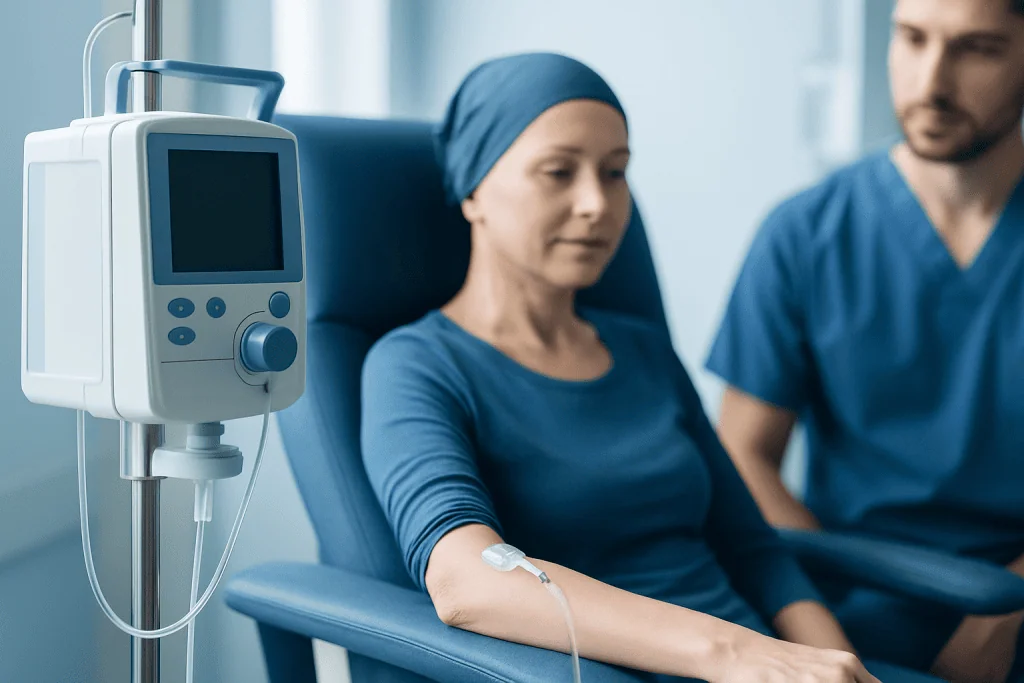
Glucose is the main sugar used by the body for energy. Insulin, a hormone made by the pancreas, helps glucose move from the blood into cells. Cancer treatment can disrupt this balance by increasing the body’s resistance to insulin, increasing glucose release from the liver, reducing insulin production, or making regular meals and activity harder to maintain.
Corticosteroids such as dexamethasone or prednisone are frequently used alongside chemotherapy. They may help prevent nausea, reduce allergic reactions, manage swelling, or improve appetite, but they can also substantially raise blood sugar. Glucose may be highest later in the day or for several days after a steroid dose.
Illness, infection, pain, emotional stress, dehydration, and reduced sleep can all increase stress hormones that raise glucose. Nausea, vomiting, poor appetite, or changes in nutrition may make blood glucose less predictable. In addition, some chemotherapy treatment plans include other medicines that can affect metabolism, so monitoring is tailored to the full treatment plan rather than to one drug alone.
What does chemo do to your blood sugar?

Chemotherapy may cause blood sugar to rise, fall, or fluctuate. High blood sugar is more common, particularly when steroids are given before or after an infusion. It can be temporary, occurring around treatment days, or it may persist if treatment exposes an underlying tendency toward diabetes.
Blood sugar can also fall if a person is eating much less than usual because of nausea, mouth sores, diarrhea, or fatigue while continuing insulin or other glucose-lowering medicine. This is why people who already have diabetes should tell their cancer team about all diabetes medicines, including injections, tablets, and continuous glucose monitors.
Symptoms of high glucose can include increased thirst, frequent urination, blurred vision, fatigue, dry mouth, and recurrent infections. Some people have no symptoms, which is why blood testing may be recommended before treatment and at intervals during treatment. A clinician can interpret results in the context of recent meals, steroid timing, and existing health conditions.
Who is more likely to develop high blood sugar during cancer treatment?
Anyone receiving cancer treatment can develop elevated glucose, but the likelihood is greater in people who already have diabetes or prediabetes. Other relevant factors include a close family history of type 2 diabetes, prior gestational diabetes, overweight or obesity, limited mobility, older age, and a history of pancreatic inflammation or surgery.
The type of treatment also matters. Steroid-containing regimens are a common reason for short-term increases. Certain targeted therapies can interfere with insulin signaling, while immune checkpoint inhibitors may rarely trigger a rapid form of insulin-deficient diabetes by causing immune-related damage to insulin-producing cells.
Cancers that involve or affect the pancreas can change insulin production. Cancer itself can also create inflammation and metabolic stress. The treatment team may check blood glucose before therapy, particularly in people with known risks, and may involve endocrinology when results are repeatedly elevated or difficult to manage.
- Known diabetes or prediabetes
- Regular steroid treatment
- Pancreatic cancer, pancreatic surgery, or pancreatic inflammation
- Targeted therapy or immunotherapy with known glucose-related effects
- Poor oral intake, infection, dehydration, or significant weight change during treatment
What type of cancer causes high blood sugar?
Pancreatic cancer has the clearest association with new or worsening diabetes because the pancreas produces insulin. A pancreatic tumor, inflammation, or surgery affecting the pancreas can reduce insulin production or alter how the body uses glucose. New diabetes in an older adult can sometimes prompt a clinician to consider pancreatic health, although diabetes is common and usually has other causes.
Other cancers may be associated with high glucose indirectly. For example, serious illness, infection, inflammation, reduced physical activity, weight changes, and medicines used during treatment can all increase blood sugar. Some hormone-producing tumors can also raise glucose, although these are uncommon.
A high glucose reading does not diagnose a particular cancer and should not be interpreted alone. Doctors consider symptoms, medical history, medication exposure, repeated blood tests, and imaging or other investigations when clinically appropriate. People with pancreatic conditions may benefit from coordinated oncology and diabetes care, including assessment for pancreatic cancer when it is clinically relevant.
Assessment, monitoring, and treatment during chemotherapy
Before treatment begins, the care team may review diabetes history, current medicines, prior glucose results, and factors such as steroid use. Testing may include a blood glucose measurement and hemoglobin A1C, which reflects average blood glucose over the previous two to three months. Results can be affected by certain medical conditions, so clinicians interpret them individually.
There is no single procedure for treatment-related high blood sugar. Care generally follows a step-by-step approach: identify likely contributors; check glucose at appropriate times; review food intake, hydration, and symptoms; adjust diabetes medicines if needed; and repeat testing as cancer treatment changes. Some people need only temporary monitoring, while others need short-term or longer-term insulin or other medication.
For a person newly starting cancer treatment, the practical timeline often includes baseline testing before therapy, closer monitoring on and after steroid days, reassessment between cycles, and follow-up after treatment has ended. Recovery of normal glucose may happen over days to weeks after a short steroid course, but it may take longer when weight, activity, pancreatic function, or ongoing medication effects are involved.
Good glucose management may reduce dehydration, infections, and treatment interruptions while supporting energy and healing. The aim is not perfect day-to-day numbers at all costs; it is a safe, realistic plan that accounts for the person’s cancer treatment, nutrition, and overall condition.
How to lower blood sugar while on chemo?
People should follow the monitoring and medication plan provided by their oncology team, primary care clinician, or endocrinologist. They should not independently stop steroids, chemotherapy, insulin, or diabetes tablets. Steroids are often important parts of supportive cancer care, and medication adjustments can usually address their glucose effects.
Helpful measures may include eating regular, small meals when possible; choosing protein, vegetables, whole grains, and other high-fiber foods as tolerated; limiting sugary drinks; and maintaining hydration. Severe dietary restriction is not appropriate during cancer treatment if it risks weight loss or malnutrition. A cancer dietitian can adapt advice to nausea, appetite changes, mouth sores, bowel symptoms, and weight goals.
Gentle physical activity, such as short walks, may help blood glucose and fatigue when the medical team considers it safe. Activity should be avoided or modified during fever, severe weakness, significant anemia, dehydration, uncontrolled symptoms, or when infection risk or treatment side effects make it unsafe. Keeping a record of glucose readings, symptoms, food intake, and steroid days can help clinicians make timely adjustments.
Does your body ever fully recover from chemotherapy?
Many chemotherapy effects improve after treatment finishes, but recovery is individual. Blood counts, appetite, taste, energy, and blood sugar changes often begin to improve over weeks to months, depending on the medicines used, treatment duration, other health conditions, and whether additional therapy continues.
Some effects can last longer or become permanent, such as nerve damage from certain chemotherapy medicines, effects on fertility, or organ-specific changes. If chemotherapy or related treatments have unmasked type 2 diabetes, glucose may remain high after treatment and require ongoing care. If high glucose was mainly driven by temporary steroid use, it may resolve once the steroid is reduced or stopped.
Follow-up after cancer treatment is important. It may include repeat glucose or hemoglobin A1C testing, review of medications, nutrition and activity guidance, and referral to an endocrinologist when needed. Persistent symptoms should be assessed rather than assumed to be part of recovery.
When to seek medical care
People receiving cancer treatment should contact their oncology team promptly if they have repeated high blood glucose readings, new excessive thirst, frequent urination, worsening blurred vision, unusual fatigue, or difficulty keeping food and fluids down. The care team can advise whether same-day testing, medication adjustment, or urgent review is needed.
Urgent medical care is important for vomiting, abdominal pain, deep or rapid breathing, confusion, severe drowsiness, signs of marked dehydration, or very high glucose readings according to the person’s care plan. These symptoms can indicate a serious metabolic problem and should not be managed at home alone.
Acibadem International’s multidisciplinary specialists and JCI-accredited hospitals support international patients requiring coordinated cancer and endocrine assessment and treatment. A qualified oncology team can work with diabetes specialists to create a plan that supports both glucose control and cancer care.
Frequently asked questions
Can chemotherapy cause permanent diabetes?
Chemotherapy-related high blood sugar is often temporary, especially when it is linked to steroid medicines used around treatment. However, treatment can reveal pre-existing prediabetes or diabetes, and some therapies can cause longer-lasting changes in glucose control. Follow-up testing after treatment helps determine whether diabetes persists.
Can steroids given with chemotherapy raise blood sugar?
Yes. Steroids are among the most common reasons blood glucose rises during cancer treatment. They may be necessary to prevent or manage treatment side effects, so clinicians usually manage the glucose increase with monitoring, nutrition guidance, and medication adjustments rather than stopping them without a plan.
Should someone with diabetes stop taking insulin during chemotherapy if they are eating less?
No. Insulin or other diabetes medicines should not be stopped or changed without instructions from the treating team. Reduced food intake can lower glucose, while steroids and illness can raise it, so an individualized sick-day and treatment-day plan is important.
Can immunotherapy cause diabetes?
Rarely, immune checkpoint inhibitors can cause immune-related diabetes by damaging insulin-producing cells in the pancreas. This may develop quickly and can require urgent assessment and long-term insulin treatment. New thirst, urination, nausea, vomiting, or unexplained weight loss during immunotherapy should be reported promptly.
How often should blood sugar be checked during chemotherapy?
The right schedule depends on whether the person has diabetes, uses steroids, has symptoms, and which cancer medicines are being used. Some people need testing only at clinic visits, while others may need home checks on treatment days and for several days afterward. The oncology or diabetes team should provide specific targets and timing.
Can high blood sugar affect chemotherapy treatment?
Uncontrolled high blood sugar can increase dehydration and infection risk and may make treatment side effects harder to manage. In most cases, it can be addressed while cancer treatment continues through closer monitoring and individualized diabetes care. Patients should share glucose readings and symptoms with their oncology team early.
References
- American Diabetes Association
- National Cancer Institute
- American Cancer Society
- European Society for Medical Oncology
- National Institute of Diabetes and Digestive and Kidney Diseases
This article is for general information only and is not a substitute for professional medical advice. Please consult a qualified doctor about your individual situation.
Oncology care in Turkey — second opinion and treatment plan
JCI-accredited · board-certified surgeons · reply within 24h
Add us as a Preferred Source to see more of our trusted health content across Google Search, AI Overviews and Discover.

More from the Health Library



Related Specialists

Dr. Semra Kavas
Infectious Diseases & Clinical Microbiology
Dr. Büşra Nur Enez Baş
Acibadem Life Clinical Service
Prof. Dr. Fikret Aksoy
General Surgery
Assoc. Prof. Dr. Lütfiye Uygur
Gynecology & Obstetrics