

Traveling Home with Stitches, Drains, or Dressings

Traveling home with stitches, drains, or dressings after surgery is often possible when your condition is stable and you receive clear instructions on wound care, hygiene, activity, and warning signs. At Acibadem in Turkey, discharge planning includes checking that travel is appropriate, arranging supplies and follow-up guidance, and explaining how to manage dressings or drains safely during the journey and…
Going home after surgery can feel more manageable when you know how to protect your wound, handle dressings, and travel safely with any stitches or drains. This guide helps you prepare for the journey, organize follow-up, and know when to ask for help.
At a glance
- Best for: Patients returning home after surgery with stitches, drains, staples, or dressings
- Main priority: Protecting the wound and keeping follow-up communication clear
- Travel timing: Always confirm your safe-to-travel date with your surgeon
- Carry-on essentials: Medical documents, dressing supplies, medications, and drain instructions
- When to seek help: Fever, increasing pain, heavy bleeding, foul discharge, or drain problems
Before You Leave the Hospital
Before you travel home, make sure you understand exactly what is on your body and what it is for. You may have stitches, staples, adhesive strips, a surgical dressing, compression garment, or one or more drains. Ask your care team to show you the wound area, explain what is normal, and confirm what changes should make you contact a doctor urgently.
At Acibadem International, your discharge conversation can include your surgeon, nursing team, international patient services, and an interpreter if needed. This is the best time to clarify practical details: when you may shower, whether the dressing should stay dry, how to measure drain output, and when stitches or staples should be removed. Do not feel rushed; it is safer to ask the same question twice than to travel unsure.
Before you leave, request written discharge notes in English if available, along with medication instructions, wound care guidance, imaging or lab summaries if relevant, and emergency contact details. Keep digital copies on your phone and paper copies in your hand luggage. If you will see a doctor in your home country, ask what information they will need for follow-up.
Flying or Driving with Stitches and Dressings
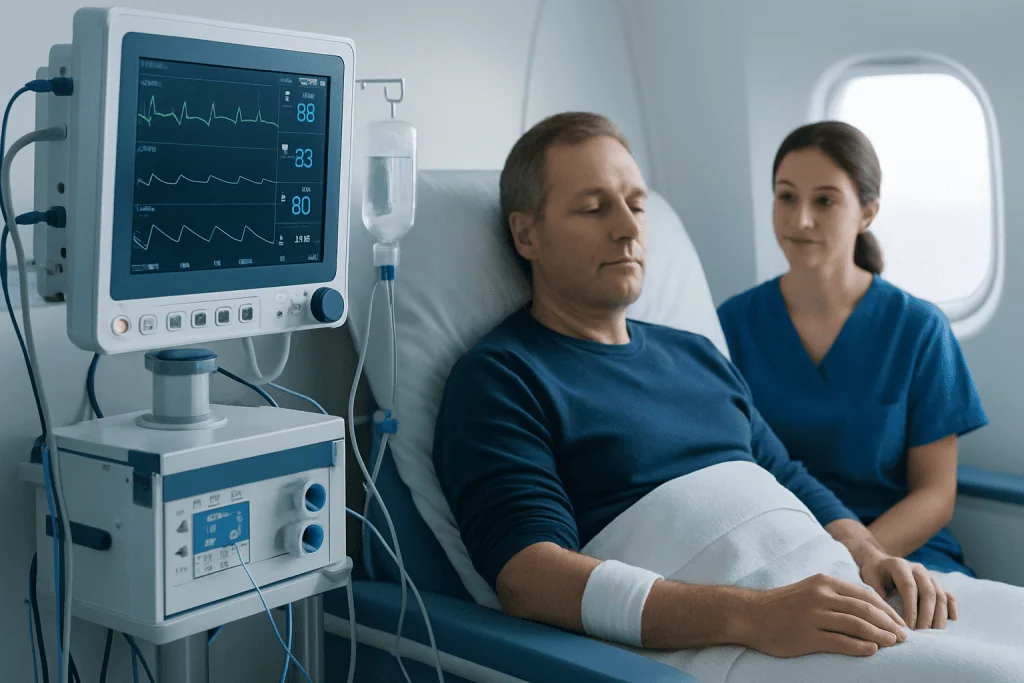
Travel itself does not automatically harm stitches or dressings, but movement, pressure, heat, and long waiting times can make wound care more difficult. Choose loose, soft clothing that does not rub the incision. If your surgery site is on your abdomen, chest, leg, or shoulder, plan your seat position so the area is not compressed by a belt, bag, or armrest.
If you are flying, keep all wound care supplies in your carry-on bag, not checked luggage. Airport security staff may ask questions about dressings, compression garments, or drains. A short medical travel letter can help explain that you recently had surgery and are carrying sterile supplies, medications, or drainage equipment.
For long journeys, plan gentle movement as allowed by your surgeon. Standing briefly, walking the aisle, or doing ankle movements can help circulation, but you should not stretch, lift, or twist in ways that pull on your incision. If you are driving, schedule regular stops and avoid placing heavy bags on your lap or near the surgical area.
Traveling with Surgical Drains
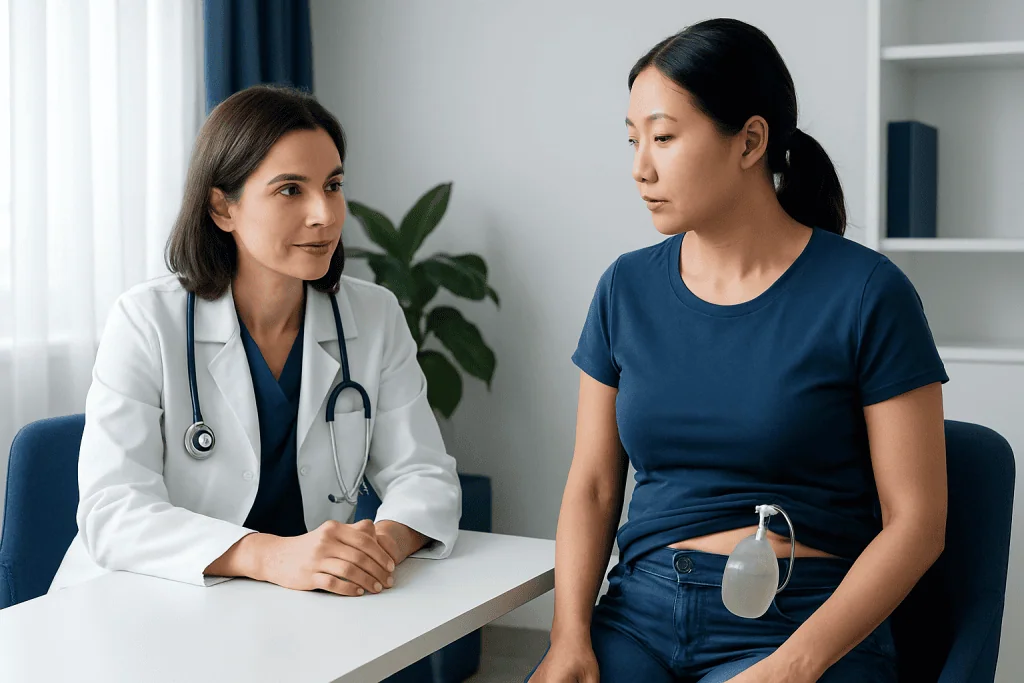
A surgical drain may feel intimidating, especially when you are leaving the hospital environment. Its purpose is usually to collect fluid from the surgical area while healing continues. Before travel, you should know how often to empty it, how to measure and record the amount, what the fluid may look like, and how to secure the tube so it does not pull.
Use a drain belt, clip, small pouch, or clothing with secure pockets if recommended by your team. The drain bulb or container should stay below the wound level when possible, and tubing should not be kinked. During travel, check it discreetly at regular intervals, especially after standing up, using the restroom, or changing position.
Call your care team if the drain suddenly stops collecting fluid, fills very quickly, becomes disconnected, loses suction, or the drainage changes to bright red blood or develops a strong unpleasant smell. Do not remove or shorten a drain yourself. Drain removal should be done by a qualified healthcare professional according to your surgeon’s plan.
Packing Your Wound Care Travel Kit
Your travel kit should be simple, clean, and easy to reach. Pack more supplies than you expect to need, especially if you have connecting flights, a long drive, or possible delays at the airport. Place wound care items in a clean zip bag or pouch inside your carry-on, separate from snacks, electronics, and toiletries.
Ask your nursing team which supplies are appropriate for your specific dressing. In general, your kit may include sterile gauze, approved dressings, medical tape, hand sanitizer, disposable gloves, small waste bags, prescribed ointments if any, and written wound care instructions. Do not add antiseptics, powders, creams, or herbal products unless your surgeon has approved them.
- Keep medications in original packaging with labels visible.
- Bring enough pain medicine and antibiotics, if prescribed, for the full journey and early days at home.
- Carry a thermometer so you can check for fever.
- Keep drain measuring records or a simple notebook with your supplies.
Hygiene, Showering, and Dressing Changes on the Road
Good hygiene during travel is mostly about prevention. Clean your hands before and after touching the dressing, drain, or surgical area. If you are in an airport, hotel, or public restroom, avoid placing supplies directly on counters. Use a clean barrier such as a disposable towel, fresh tissue layer, or clean plastic pouch.
Only change the dressing during travel if your care team told you to do so, or if it becomes wet, loose, or visibly soiled. Some dressings are meant to stay in place until your follow-up appointment, while others need scheduled changes. If the dressing must be changed, follow the written steps exactly and avoid touching the inner sterile surface.
Showering rules vary depending on the surgery, wound closure method, and dressing type. Some patients may shower after a certain time with waterproof protection, while others must keep the area dry. Avoid baths, swimming pools, hot tubs, and sea water until your surgeon confirms that the wound is sealed and safe.
Follow-up After You Arrive Home
Your return home is not the end of care; it is a handover to the next stage of recovery. Before leaving Turkey, confirm your follow-up schedule and whether it will be by video call, phone, secure messaging, or an in-person visit with a local doctor. Ask when photographs of the wound are useful and how they should be taken.
Acibadem International’s patient services can help coordinate post-discharge communication, share medical documents when appropriate, and guide you on contacting the hospital if concerns arise after travel. If you need local wound care, stitch removal, or drain removal in your country, arrange this early rather than waiting until the due date.
When you contact any healthcare professional, describe the issue clearly: your surgery date, type of wound closure, whether you have a drain, your temperature, pain level, drainage color, and any change in swelling or redness. Clear details help the team decide whether reassurance, a routine appointment, or urgent medical assessment is needed.
Step by step
- Confirm that you are fit to travel. Do not rely only on how you feel on the day of discharge. Ask your surgeon to confirm when it is safe for you to fly or drive, especially if you had major surgery, anesthesia, a drain, or a higher risk of swelling or blood clots.
- Review wound care instructions before leaving. Ask a nurse to demonstrate dressing care, drain emptying, and hand hygiene while you are still in the hospital. Repeat the instructions back in your own words so the team can correct anything unclear.
- Prepare your carry-on kit. Pack dressings, medications, drain supplies, hand sanitizer, gloves, waste bags, and documents in your hand luggage. Keep everything organized so you do not need to unpack your suitcase during a delay or emergency.
- Protect the wound during the journey. Wear loose clothing and avoid lifting heavy luggage or twisting suddenly. If a seatbelt crosses the wound area, ask your team whether padding is appropriate, but never place anything that prevents the belt from working safely.
- Monitor for changes. Check your dressing, drain, pain level, and temperature as instructed. Small spotting may be expected for some wounds, but increasing bleeding, spreading redness, fever, or worsening pain should be reported promptly.
- Set up follow-up at home. Before you travel, know who will remove stitches, staples, or drains if needed. Share your discharge documents with your local doctor and keep Acibadem International contact details available for questions related to your treatment.
Your checklist
- Discharge summary and operative notes if provided
- Medical travel letter for airport security or airline questions
- Written wound care and drain care instructions
- Enough prescribed medication for travel and early recovery at home
- Sterile dressings or gauze approved by your care team
- Hand sanitizer, disposable gloves, and small waste bags
- Thermometer and simple drain output record
- Comfortable loose clothing and easy-to-wear shoes
- Emergency contact numbers for your hospital and local doctor
Key takeaways
- Confirm your safe-to-travel date with your surgeon before booking or changing flights.
- Keep dressings, medications, drain supplies, and documents in your carry-on bag.
- Secure drains carefully and never remove or adjust them beyond your written instructions.
- Arrange stitch, staple, dressing, or drain follow-up before you leave Turkey.
- Contact your care team early if you notice fever, increasing pain, heavy bleeding, or unusual drainage.
Frequently asked questions
Can I fly home with stitches or staples?
Many patients can fly with stitches or staples, but timing depends on the type of surgery, anesthesia, wound location, and your overall condition. Your surgeon should confirm when you are fit to travel and whether you need special precautions. Keep your wound protected, avoid heavy lifting, and carry your medical documents with you.
Is it safe to travel with a surgical drain?
It may be safe to travel with a drain if your surgical team has assessed you and given clear instructions. You need to know how to secure it, empty it, measure output, and recognize warning signs. If the drain comes out, loses suction, fills rapidly, or the fluid changes suddenly, seek medical advice promptly.
Should I change my dressing during the journey?
Only change your dressing if your instructions say to do so, or if it becomes wet, loose, or contaminated. Some surgical dressings are designed to stay in place for several days. If you must change it while traveling, wash or sanitize your hands carefully and use only the supplies approved by your care team.
What if airport security asks about my dressings or drain?
Security staff may ask about medical items, especially if you carry liquids, scissors, or visible tubing. A medical travel letter can help explain your recent surgery and the supplies you need. Keep medications in labeled packaging and allow extra time at the airport to reduce stress.
When should stitches or staples be removed?
Removal timing varies by surgery type, wound location, healing progress, and your surgeon’s preference. Before leaving the hospital, confirm the expected date and whether removal should happen at Acibadem, during remote follow-up, or with a local healthcare professional. Do not remove stitches or staples yourself unless a qualified clinician specifically instructs you.
How can I share wound concerns after I return home?
Use the contact method provided in your discharge plan and include clear information: surgery date, symptoms, temperature, pain level, and any change in redness, swelling, bleeding, or drainage. If asked to send photos, take them in good light from the same distance each time. For severe symptoms, contact local emergency services immediately.
Can I shower after traveling home?
Showering depends on your dressing type, incision, drain status, and your surgeon’s instructions. Some patients may shower with precautions, while others must keep the area dry until follow-up. Avoid baths, pools, hot tubs, and swimming until your surgeon confirms that it is safe.
Add us as a Preferred Source to see more of our trusted health content across Google Search, AI Overviews and Discover.
More Patient Guides

At Acibadem, How We Prepare Your Discharge Papers and Medical Records
Discharge papers and medical records at Acibadem are prepared before you leave, with summaries, prescriptions and follow-up documents for your return home…
8 min read
Returning Home with a PICC Line or Port After Treatment in Turkey
Returning home with a PICC line or port after treatment in Turkey means planning dressings, documents, flights, and follow-up before you travel.
9 min read
Flying Home with a Cast, Brace, or Limited Mobility After Treatment in Turkey
Flying home with a cast, brace, or limited mobility after treatment in Turkey is possible with airline clearance, airport support, and a…
9 min read