

Warning Signs After Returning Home from Treatment

After returning home from treatment, warning signs can include fever, worsening pain, unusual swelling, redness, bleeding, shortness of breath, chest pain, or problems with eating, drinking, or passing urine or stool. At Acibadem in Turkey, patients are advised on which symptoms need urgent medical attention and how to contact their care team for follow-up support after discharge.
Returning home after treatment abroad is a positive milestone, but it is also the moment when you need a clear plan for monitoring your recovery. This guide helps you recognize warning signs, contact the right team quickly, and stay organized with follow-up care.
At a glance
- Best for: International patients recovering at home after treatment in Turkey
- First priority: Seek local emergency help for severe or fast-worsening symptoms
- Keep nearby: Discharge report, medication list, doctor contacts, and travel insurance details
- Follow-up support: Remote coordination with your treating hospital and local doctor when appropriate
- Key rule: Do not wait for a scheduled appointment if a warning sign appears
Why the first days at home matter
After you return home from treatment, your body is still adjusting. The flight, change in routine, new time zone, different meals, and reduced access to your hospital team can make the first days feel more uncertain than expected. Most recovery symptoms are manageable when they are anticipated, but some changes need prompt attention.
Your discharge plan should explain what is normal for your situation and what is not. Even so, symptoms can look different once you are away from the hospital environment. You may notice pain more clearly, feel more tired, or have questions about dressings, medicines, mobility, or diet.
If you were treated at Acibadem International, your international patient services team can help you understand how to share updates, send requested documents, and arrange communication with the relevant department. This support is helpful, but it does not replace urgent local care if your symptoms are severe or rapidly worsening.
Emergency warning signs: do not wait
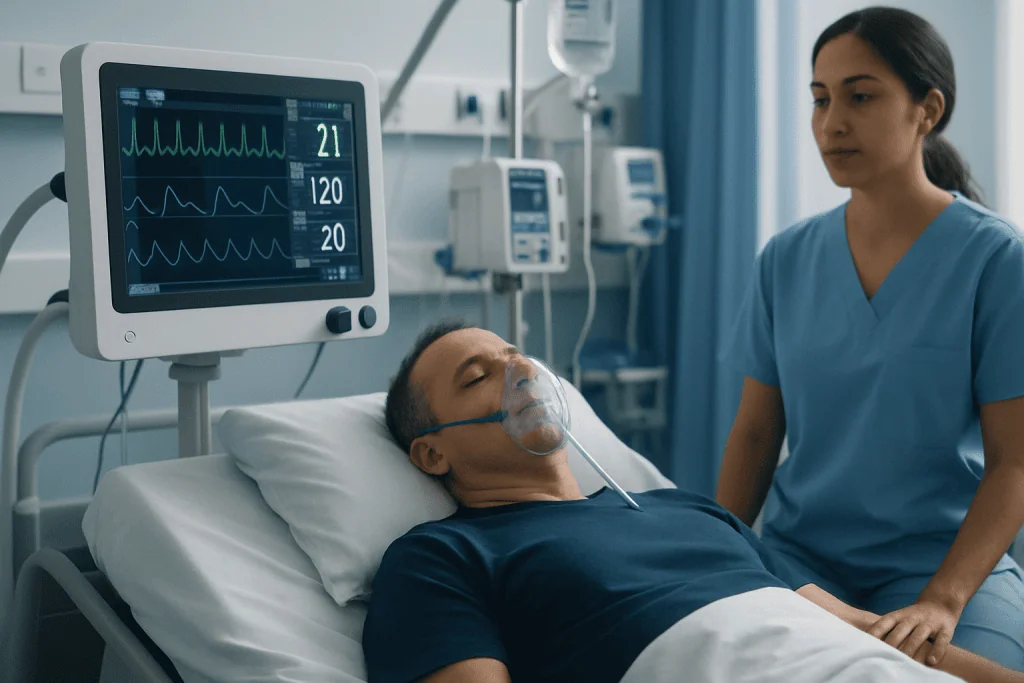
Some symptoms should be treated as urgent no matter where you received care. If you have chest pain, severe shortness of breath, fainting, signs of stroke, heavy bleeding, severe allergic reaction, or sudden confusion, contact your local emergency number or go to the nearest emergency department immediately. Do not wait for an email reply or a scheduled follow-up call.
Other red flags include a high or persistent fever, uncontrollable vomiting, severe dehydration, intense new pain, a swollen painful leg, or sudden worsening at a wound or treatment site. If you feel that something is seriously wrong, it is safer to be assessed promptly.
- Call local emergency services for life-threatening symptoms.
- Take your discharge summary, medication list, and any implant or procedure information with you.
- Ask a family member or companion to help communicate and keep notes.
- After you are safe, inform your treating hospital so your records can be updated and follow-up can be coordinated.
Symptoms that need same-day medical advice
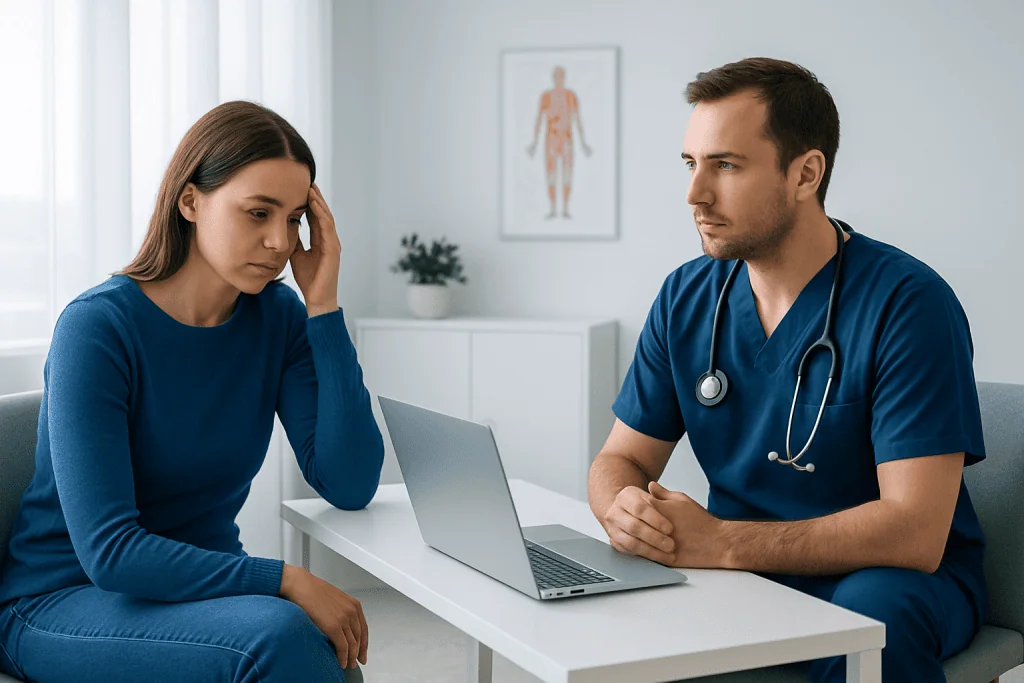
Not every concern is an emergency, but some changes should be discussed the same day with a healthcare professional. These include increasing pain that is not controlled by prescribed medication, new swelling, unusual discharge, persistent fever, worsening redness, dizziness, inability to eat or drink, or new side effects from medication.
If you are unsure whether a symptom is expected, contact your local doctor, the hospital team that treated you, or both. When possible, describe the symptom clearly: when it started, whether it is getting worse, your temperature, your pain score, and any medicines you have taken. Photos may be useful for wound or skin concerns if your care team requests them.
Acibadem International patients are usually advised to keep their discharge documents available in English and, when needed, in their local language. This makes it easier for local clinicians to understand what treatment you had, what medicines were prescribed, and what follow-up was recommended.
Medication, wound, and mobility concerns
Medication problems are one of the most common reasons patients need support after returning home. You should seek advice if you miss important doses, cannot tolerate a medicine, develop a rash or swelling, feel unusually sleepy or confused, or experience bleeding while taking blood thinners. Never stop or change a prescribed medicine without medical guidance unless you are having a severe allergic reaction and need emergency care.
If you have a wound, dressing, catheter, drain, or treatment site, follow the written care instructions you were given. Contact a healthcare professional if you notice spreading redness, warmth, increasing tenderness, pus-like discharge, unpleasant odor, wound opening, or bleeding that does not settle with gentle pressure. Keep the area clean and dry as instructed, and avoid applying creams or home remedies unless approved.
Mobility also matters. New calf pain, one-sided leg swelling, sudden breathlessness, or chest discomfort after travel can be serious and should be assessed urgently. Gentle movement as advised, hydration, and following anticoagulant instructions if prescribed can support safer recovery, but they are not a substitute for medical assessment if warning signs appear.
How to contact the right person quickly
Before leaving Turkey, make sure you know who to contact for routine follow-up, urgent medical questions, administrative documents, and travel insurance paperwork. These may be different teams. Having the correct contact list reduces stress when you are tired or worried.
For a medical concern, start with the urgency of the symptom. If it is severe, use local emergency services first. If it is not an emergency but needs guidance, contact your local doctor and your treating team according to your discharge instructions. International patient coordinators can often help route your message, but clinical advice may need to come from the responsible medical department.
- Use one clear message with your full name, date of birth, hospital number if available, and treatment date.
- Attach your discharge report and recent test results if relevant.
- Include photos only when appropriate and requested, avoiding unnecessary personal images.
- State your current location and preferred contact method.
- Ask what level of care is recommended: home monitoring, clinic visit, urgent care, or emergency department.
Preparing your home follow-up plan
A good follow-up plan is practical, written down, and easy for you and your companion to understand. It should include your medication schedule, wound care instructions, activity limits, diet advice, dates for tests or imaging if needed, and warning signs specific to your treatment. Keep this plan in the same folder as your passport copy, travel insurance documents, and hospital discharge papers.
Arrange a local doctor appointment soon after returning home if your discharge plan recommends it, or if you have a complex condition, ongoing medication, or a procedure that needs monitoring. Your local doctor can check your general recovery, order tests if appropriate, and coordinate urgent care if symptoms change.
Acibadem International’s JCI-accredited hospitals use structured discharge processes, and international patient services can assist with medical records, interpreter coordination, and follow-up communication. Still, your safest recovery depends on combining the treating team’s instructions with timely local medical support when needed.
Step by step
- Review your discharge instructions before you travel. Before leaving the hospital, read your discharge report and ask what symptoms are expected and what symptoms are warning signs. Confirm medication names, doses, timing, and whether any medicines must be continued during the flight.
- Save emergency and hospital contacts in your phone. Store your local emergency number, local doctor, travel insurance assistance line, and the treating hospital contact in one place. Share the same list with your companion or a trusted family member.
- Monitor your symptoms daily. For the first days at home, note your temperature, pain level, appetite, wound appearance if relevant, mobility, and any new symptoms. A short daily record helps doctors understand whether you are improving or worsening.
- Act fast for severe or sudden changes. If you have chest pain, breathing difficulty, stroke-like symptoms, heavy bleeding, fainting, or severe allergic reaction, seek local emergency care immediately. Contact your treating hospital after you are safe and medically assessed.
- Use clear details when asking for advice. When contacting a care team, explain what changed, when it started, how severe it is, and what you have already done. Include your discharge report, current medications, and any recent test results if available.
- Keep your local doctor involved. Your local doctor is important because they can examine you in person and respond quickly if your condition changes. They can also help interpret treatment notes, order follow-up tests, and coordinate with the hospital abroad.
- Do not adjust medicines on your own. If a medicine causes side effects or you cannot find the same brand at home, ask a doctor or pharmacist before changing it. Some medicines have important timing rules, interactions, or stopping instructions.
Your checklist
- Discharge report and treatment summary saved digitally and printed
- Medication list with doses, timing, and duration
- Emergency symptoms list specific to your treatment
- Local emergency number and nearest emergency department location
- Treating hospital and international patient services contact details
- Travel insurance policy and assistance phone number
- Follow-up appointment dates and required tests
- Recent photos or symptom notes if your care team requested monitoring
- Companion or family member briefed on what to do if symptoms worsen
Key takeaways
- Severe symptoms such as chest pain, breathing difficulty, heavy bleeding, fainting, or stroke-like signs require local emergency care immediately.
- Same-day medical advice is appropriate for fever, worsening pain, wound changes, medication problems, dehydration, or new swelling.
- Your discharge report, medication list, and follow-up plan are essential tools for any doctor who sees you at home.
- Acibadem International can help coordinate follow-up communication, but urgent symptoms should be assessed locally without delay.
- A simple daily recovery log can make it easier to recognize changes and explain them clearly.
Frequently asked questions
When should I go to the emergency department after returning home?
Go immediately if you have chest pain, severe shortness of breath, fainting, signs of stroke, heavy bleeding, severe allergic reaction, sudden confusion, or a symptom that is rapidly worsening. It is better to be assessed locally than to wait for remote advice in a potentially serious situation. Take your discharge report and medication list with you.
Should I contact Acibadem International or my local doctor first?
For emergency symptoms, contact local emergency services first. For non-emergency concerns, it is often helpful to involve both your local doctor and the treating hospital, especially if your local doctor needs treatment details. Acibadem International patient services can help route your question and support follow-up communication.
Is fever always a warning sign after treatment?
Fever can happen for different reasons, and its importance depends on your treatment, timing, and other symptoms. A high, persistent, or worsening fever, especially with chills, increasing pain, wound changes, breathing symptoms, or weakness, should be discussed with a healthcare professional promptly. Follow the fever guidance in your discharge plan if it gives specific thresholds.
What should I do if my medication is not available in my country?
Do not substitute or stop a medicine on your own. Contact a local doctor or pharmacist and share the active ingredient, dose, and instructions from your discharge report. If needed, ask your treating hospital for clarification so an appropriate local equivalent can be considered by a qualified professional.
Can I send photos of my wound or treatment area for review?
Photos can be useful if your care team requests them, especially for redness, swelling, discharge, or dressing concerns. Use good lighting, avoid unnecessary personal images, and include the date and a short symptom description. If the wound is bleeding heavily, opening, or you feel very unwell, seek local medical care instead of waiting for photo review.
What if my symptoms appear during a flight or airport transfer?
Tell cabin crew or airport medical staff immediately if you develop chest pain, breathing difficulty, fainting, severe bleeding, or sudden neurological symptoms. Do not try to manage serious symptoms quietly during travel. After you receive urgent help, inform your treating hospital and insurer as soon as practical.
How long should I keep monitoring myself after I return home?
Follow the timeline in your discharge plan, because monitoring needs vary by treatment and medical condition. In general, the first days and weeks are important for noticing fever, pain changes, medication issues, wound concerns, and mobility problems. Continue attending recommended follow-up appointments even if you feel well.
Add us as a Preferred Source to see more of our trusted health content across Google Search, AI Overviews and Discover.
More Patient Guides

At Acibadem, How We Prepare Your Discharge Papers and Medical Records
Discharge papers and medical records at Acibadem are prepared before you leave, with summaries, prescriptions and follow-up documents for your return home…
8 min read
Returning Home with a PICC Line or Port After Treatment in Turkey
Returning home with a PICC line or port after treatment in Turkey means planning dressings, documents, flights, and follow-up before you travel.
9 min read
Flying Home with a Cast, Brace, or Limited Mobility After Treatment in Turkey
Flying home with a cast, brace, or limited mobility after treatment in Turkey is possible with airline clearance, airport support, and a…
9 min read