

Activity and Lifting Limits After Returning Home
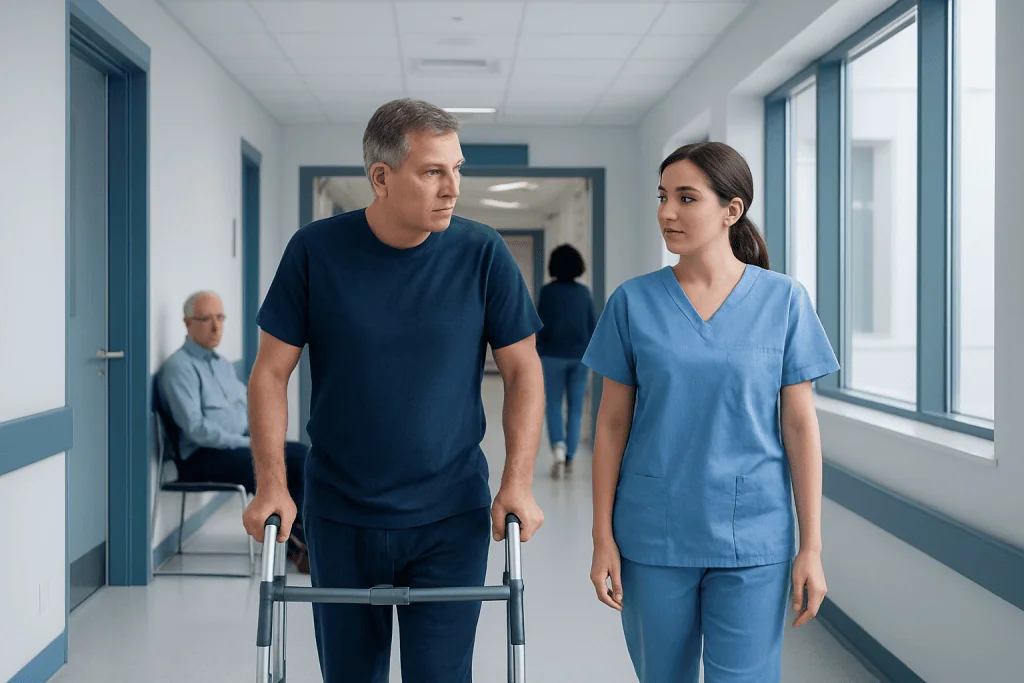
After returning home, activity and lifting limits are temporary precautions used to protect healing tissues, reduce pain, and lower the risk of complications while strength and mobility gradually improve. At Acibadem in Turkey, recovery guidance is tailored to the procedure and the patient’s condition, with clear instructions on walking, daily tasks, lifting, exercise, warning signs, and follow-up after discharge.
Returning home is an important step in recovery, but it can also bring questions about walking, stairs, housework, lifting, travel fatigue, and when to resume daily routines. This guide helps you pace activity safely, follow your discharge plan, and know when to contact your care team.
At a glance
- Main goal: Increase movement gradually while protecting your healing body
- Most important rule: Follow the written discharge instructions given by your medical team
- Lifting guidance: Avoid heavy lifting until your doctor confirms it is safe
- Support at home: Arrange help for shopping, laundry, childcare, pets, and transport
- When to ask for help: Contact your care team if pain, swelling, breathlessness, fever, or wound changes occur
Start with your discharge plan, not your usual routine
After treatment abroad, it is natural to want to return to normal life as soon as you arrive home. The safest starting point is not how active you were before your procedure, but the discharge plan created for your current condition. Your doctor may give specific instructions about walking, stairs, driving, bathing, wound care, medications, compression garments, physiotherapy, and lifting limits.
Keep your discharge documents, medication list, imaging reports, and follow-up recommendations in one easy-to-reach folder. If you were treated at Acibadem International, your international patient services contact can help you understand which documents should be shared with your local doctor and how to ask follow-up questions after you return home. If anything is unclear, ask before guessing, especially about lifting, bending, or returning to work.
Recovery is rarely a straight line. You may feel energetic one day and tired the next, particularly after international travel. Plan your first week at home as a protected transition period, with lighter commitments, help for chores, and time to rest between short periods of activity.
How to pace walking and everyday movement
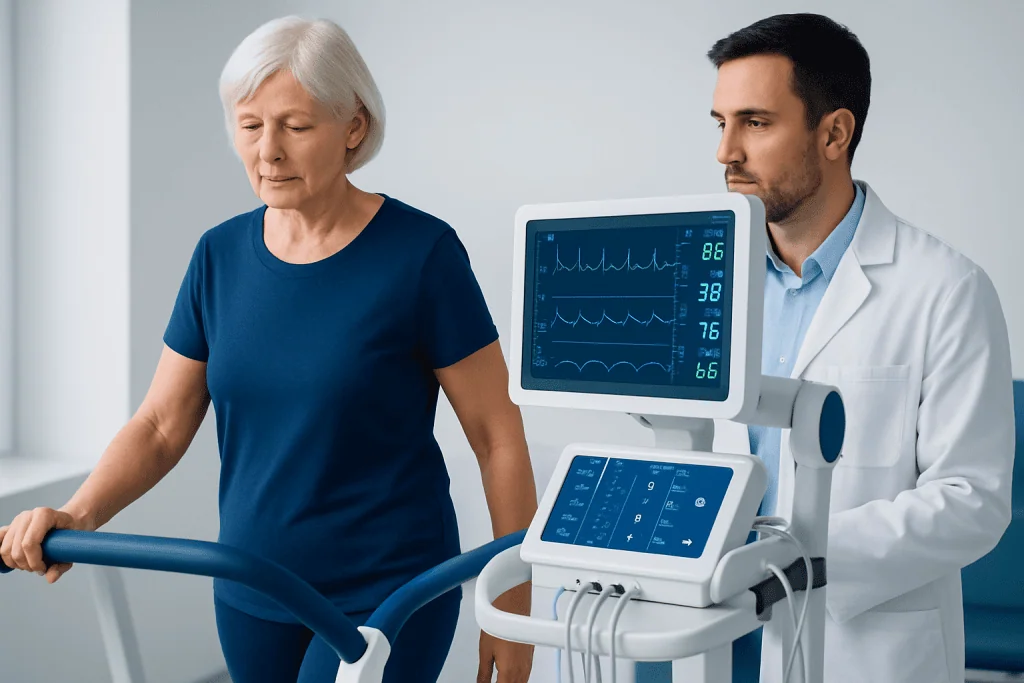
Gentle movement is often part of recovery, but it should be paced. A practical approach is to take short, frequent walks rather than one long walk that leaves you exhausted. Walking inside your home, along a quiet corridor, or on a flat outdoor route can help you rebuild confidence while allowing you to stop quickly if you feel unwell.
Use your symptoms as a guide, but do not rely on willpower alone. If your pain increases sharply, you become dizzy, short of breath, unusually weak, or you feel pressure or pulling around the treated area, stop and rest. If symptoms do not settle, contact your medical team or local healthcare provider.
Stairs are often manageable when taken slowly, but they can be tiring after travel or hospitalization. Hold the handrail, avoid carrying bags on stairs, and pause between flights. If your discharge instructions include specific stair limits, follow them closely until your clinician updates your plan.
Understanding lifting limits after you get home
Lifting restrictions protect healing tissues, reduce strain, and help prevent avoidable setbacks. The exact limit depends on your procedure, incision sites, overall health, and your doctor’s assessment. Some patients are told to avoid anything heavier than a small bag, while others receive different guidance; your own written plan is the authority.
Heavy lifting is not only about gym weights. It can include suitcases, grocery bags, laundry baskets, water bottles, children, pets, vacuum cleaners, and even pushing a heavy door or pulling a stuck drawer. Twisting while holding an object can be more stressful than lifting it straight up, so keep items close to your body and avoid sudden movements.
If you are unsure whether something is too heavy, treat it as too heavy until you confirm. Ask a family member, friend, neighbor, or paid helper to manage tasks that require carrying, bending, pushing, or pulling. It is better to accept temporary help than to risk pain, wound strain, or delayed recovery.
- Split items into smaller loads instead of carrying one heavy bag.
- Use delivery services for groceries, water, and household supplies.
- Keep essentials at waist level to avoid bending or reaching.
- Avoid lifting luggage after your return flight; arrange assistance in advance.
Household tasks, work, driving, and childcare
Many home activities are more physically demanding than they appear. Making a bed, mopping, vacuuming, carrying laundry, changing sheets, and standing to cook a full meal can involve bending, twisting, and repetitive effort. In the first days after returning home, focus on essential self-care and leave non-urgent chores for later.
If you have children or dependents, plan practical support before you travel or as soon as you know your discharge date. You may need help with school runs, bathing children, lifting toddlers, preparing meals, and night-time care. It can be helpful to explain in simple terms that you are healing and cannot lift or play roughly for a while.
Returning to work depends on the type of work you do and the recommendations in your discharge plan. Desk work may still be tiring because sitting for long periods, commuting, and concentrating can drain energy. Jobs involving lifting, long standing, driving, machinery, or physical contact usually require clearer medical clearance before you restart.
Driving should wait until your doctor says it is safe and until you can move comfortably, react quickly, and are not taking medications that affect alertness. You should also feel able to wear a seatbelt without significant discomfort and perform an emergency stop if needed. If in doubt, arrange rides or use local transport support rather than testing yourself on the road.
Managing fatigue after treatment and travel
International patients often underestimate the effect of the journey home. Airports, security lines, luggage handling, time zone changes, dehydration, and disrupted sleep can make you feel more tired than expected. Even if your flight was medically approved, your body may need several days to settle once you are home.
Build your day around recovery blocks: activity, hydration, food, medication, rest, and sleep. Avoid scheduling multiple appointments or social visits in the first few days unless they are medically necessary. A calm routine makes it easier to notice symptoms early and avoid overexertion.
It can help to track your activity in a simple notebook or phone note. Record your walking time, pain level, temperature if advised, medication times, and any symptoms such as swelling or dizziness. This information is useful if you need to update your Acibadem International care coordinator, treating specialist, or local doctor.
When to contact your care team
You should never feel that asking a recovery question is a burden. Contact your care team if you are uncertain about a lifting limit, if you accidentally lifted something heavy, or if you feel a new pulling sensation, increased pain, or unusual swelling. Early advice can often prevent a small concern from becoming a bigger problem.
Seek prompt medical guidance if you develop fever, worsening redness or drainage around a wound, chest pain, severe shortness of breath, fainting, sudden leg swelling, uncontrolled pain, heavy bleeding, confusion, or any symptom your discharge papers list as urgent. If symptoms are severe or rapidly worsening, use local emergency services immediately rather than waiting for an international reply.
For planned follow-up, confirm how your updates should be shared: photos, lab results, imaging, symptom notes, or local doctor reports. Acibadem International’s patient services can help coordinate communication with the relevant hospital team, and interpreter support may be available if language is a concern. Keep time zone differences in mind and use emergency services locally for urgent situations.
Step by step
- Read your discharge instructions again at home. Travel can be tiring, so review your documents once you are settled and rested. Highlight activity limits, lifting restrictions, medication timing, wound care, follow-up dates, and warning signs.
- Set up your recovery space. Place water, medications, phone charger, documents, snacks, and hygiene items within easy reach. Keep commonly used items at waist height so you do not need to bend, stretch, or climb.
- Arrange help for heavy or repetitive tasks. Ask someone else to manage suitcases, groceries, laundry, cleaning, childcare lifting, and pet care. If family support is limited, consider delivery services or temporary home help.
- Walk in short, planned sessions. Begin with the activity level recommended by your doctor and increase only gradually. Stop if you feel dizzy, breathless, faint, or if pain increases significantly.
- Protect your body during daily movements. Move slowly, keep objects close to your body, avoid twisting, and use handrails on stairs. Do not combine activities such as carrying bags while climbing stairs unless your care team has cleared this.
- Track symptoms and questions. Write down pain changes, swelling, temperature if advised, medication issues, and activity tolerance. Sharing clear notes helps your local doctor or Acibadem International team guide you more effectively.
- Confirm before increasing activity. Before returning to gym exercise, heavy work, long driving, or lifting children, ask your medical team if it is safe. Recovery milestones should be based on healing, not on pressure to resume responsibilities.
Your checklist
- Discharge instructions and medical reports saved digitally and printed if possible
- Emergency contact numbers and local healthcare options identified
- Follow-up appointment dates confirmed
- Medication schedule adjusted to your home time zone if advised
- Luggage, groceries, laundry, and cleaning help arranged
- A clear plan for childcare, elder care, or pet care
- Comfortable walking shoes and loose clothing available
- Essential items placed at waist height to avoid bending or stretching
- Questions about lifting, driving, work, and exercise written down
- Interpreter or care coordinator contact details saved if you need support
Key takeaways
- Your written discharge plan should guide activity and lifting decisions after you return home.
- Short, frequent movement is usually safer than sudden bursts of effort, but follow your own medical instructions.
- Everyday items such as luggage, laundry, groceries, children, and pets can exceed safe lifting limits.
- Plan support at home before you need it, especially after international travel.
- Contact your care team or local emergency services promptly if warning symptoms appear.
Frequently asked questions
How much can I lift after returning home?
The safe amount depends on your treatment, healing progress, and your doctor’s instructions. Do not use another patient’s limit as your own. If your discharge papers do not clearly state a limit, contact your care team before lifting anything heavy.
Can I carry my suitcase after my flight home?
It is best to avoid carrying or pulling heavy luggage during early recovery unless your doctor has specifically cleared it. Arrange airport assistance, ask a companion to help, or use porter services where available. This is especially important after a long journey when fatigue can affect balance and judgment.
Is walking safe after I get home?
Walking is commonly encouraged in many recovery plans, but the amount and pace should match your discharge instructions. Start with short, manageable walks and rest between them. Stop and seek advice if you feel chest pain, severe breathlessness, faintness, or a sudden increase in pain.
When can I return to exercise or the gym?
Gym activity, weight training, stretching routines, swimming, and sports should wait until your doctor confirms they are safe. Even light exercise can create strain if it involves twisting, impact, or pressure on healing areas. Ask for a staged plan rather than restarting your full routine at once.
What should I do if I accidentally lift something too heavy?
Stop the activity immediately and rest. Monitor for new pain, swelling, bleeding, wound changes, dizziness, or any symptom listed as urgent in your discharge instructions. If symptoms appear or you are worried, contact your care team or local medical provider promptly.
Can Acibadem International help after I return to my country?
Yes, international patient services can help guide follow-up communication with the relevant hospital team and clarify what information may be needed. You may be asked to share symptom notes, photos, test results, or a local doctor’s report. For urgent or severe symptoms, use local emergency services first.
How do I know if I am doing too much?
Common signs include increasing pain, unusual fatigue, dizziness, swelling, wound discomfort, poor sleep, or needing much longer to recover after simple tasks. Scale back activity and return to the last level you tolerated well. If symptoms persist or worsen, ask your medical team for advice.
Add us as a Preferred Source to see more of our trusted health content across Google Search, AI Overviews and Discover.
More Patient Guides

At Acibadem, How We Prepare Your Discharge Papers and Medical Records
Discharge papers and medical records at Acibadem are prepared before you leave, with summaries, prescriptions and follow-up documents for your return home…
8 min read
Returning Home with a PICC Line or Port After Treatment in Turkey
Returning home with a PICC line or port after treatment in Turkey means planning dressings, documents, flights, and follow-up before you travel.
9 min read
Flying Home with a Cast, Brace, or Limited Mobility After Treatment in Turkey
Flying home with a cast, brace, or limited mobility after treatment in Turkey is possible with airline clearance, airport support, and a…
9 min read