

Rehabilitation Planning After Medical Treatment in Turkey
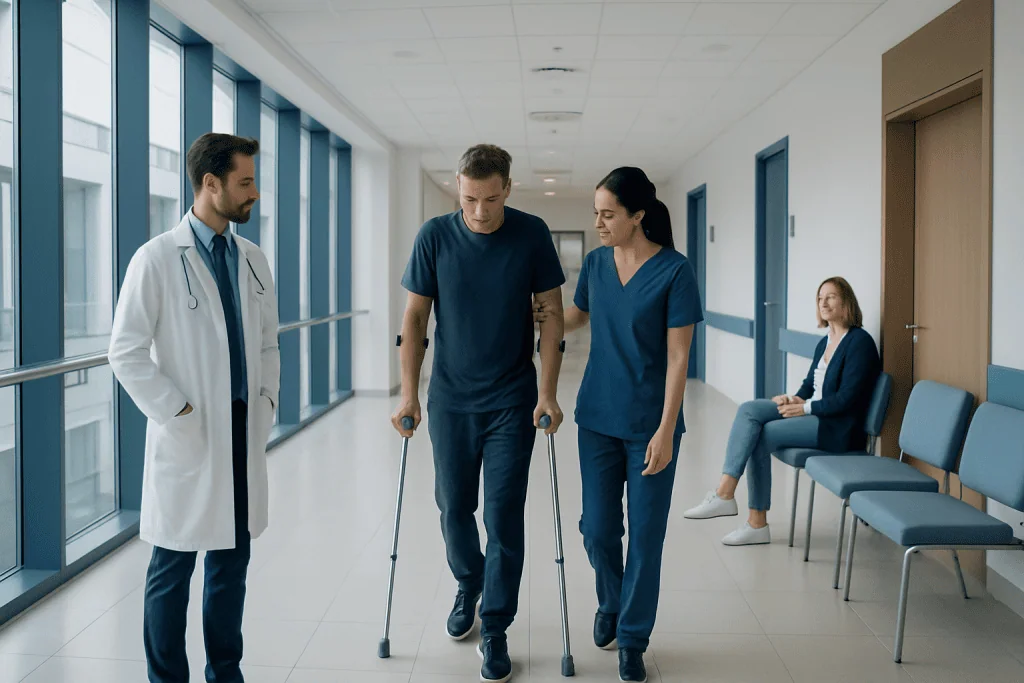
Rehabilitation planning after medical treatment in Turkey is the process of organizing personalized recovery care to restore movement, function, strength, and daily independence after surgery, illness, or injury. At Acibadem, this planning typically combines medical evaluation with physical therapy, rehabilitation goals, and follow-up support, with the program tailored to the patient’s condition, treatment history, and recovery needs.
Rehabilitation planning helps you leave Turkey with a clear recovery roadmap, the right documents, and practical support for continuing care at home. This guide explains how to organize physiotherapy, wound care, medications, follow-up appointments, travel timing, and communication between your Turkish medical team and your local providers.
At a glance
- Best time to start planning: Before discharge, ideally as soon as your treatment plan is confirmed
- Key documents to take home: Discharge summary, imaging, test results, medication list, rehabilitation instructions
- Who coordinates support: Your treating team, international patient services, interpreters, and your local providers
- Main goal: A safe transition from hospital-based care in Turkey to home-based or local rehabilitation
- Travel consideration: Fly only when your doctor confirms you are medically ready and gives travel guidance
Why rehabilitation planning matters before you leave Turkey
Rehabilitation planning is the bridge between your medical treatment in Turkey and your longer recovery at home. Whether you have had surgery, cancer treatment, cardiac care, neurological treatment, orthopedic care, or another major medical service, your progress often depends on what happens after discharge: movement, rest, nutrition, medication use, wound care, therapy sessions, and timely follow-up.
When you are an international patient, this planning has extra layers. You may be changing countries, languages, time zones, healthcare systems, and insurance processes while you are still healing. A written plan helps reduce uncertainty for you and your companion, and it gives your local doctor, physiotherapist, or nurse a reliable starting point when you return.
At Acibadem International, rehabilitation planning is usually shaped by your treating specialist team together with international patient services when needed. The goal is practical: you should understand what to do, what to avoid, whom to contact, and which symptoms require urgent help after you travel home.
What your discharge and rehabilitation plan should include
Before you leave the hospital, ask for a clear discharge summary and recovery instructions in a language you understand. If you need interpretation, request support during the explanation, not only at the document handover. You should be able to repeat back the main points: your diagnosis, what treatment was done, what comes next, and what warning signs matter.
Your rehabilitation plan may include several parts, depending on your condition. It can outline when to walk, how much activity is safe, whether you need physiotherapy, how to protect a surgical area, when to remove stitches if applicable, how to manage drains or dressings if you have them, and when you can bathe, drive, work, or fly. These instructions should always be personalized by your doctor rather than copied from general advice.
It is helpful to leave with a compact recovery folder containing:
- Discharge report and operation or treatment notes, if relevant
- Medication list with dose, timing, and duration
- Recent blood tests, pathology reports, imaging reports, and digital imaging files when available
- Rehabilitation or physiotherapy recommendations
- Follow-up appointment dates or teleconsultation instructions
- Emergency contact guidance and local urgent-care instructions
Coordinating physiotherapy, nursing, and local follow-up at home
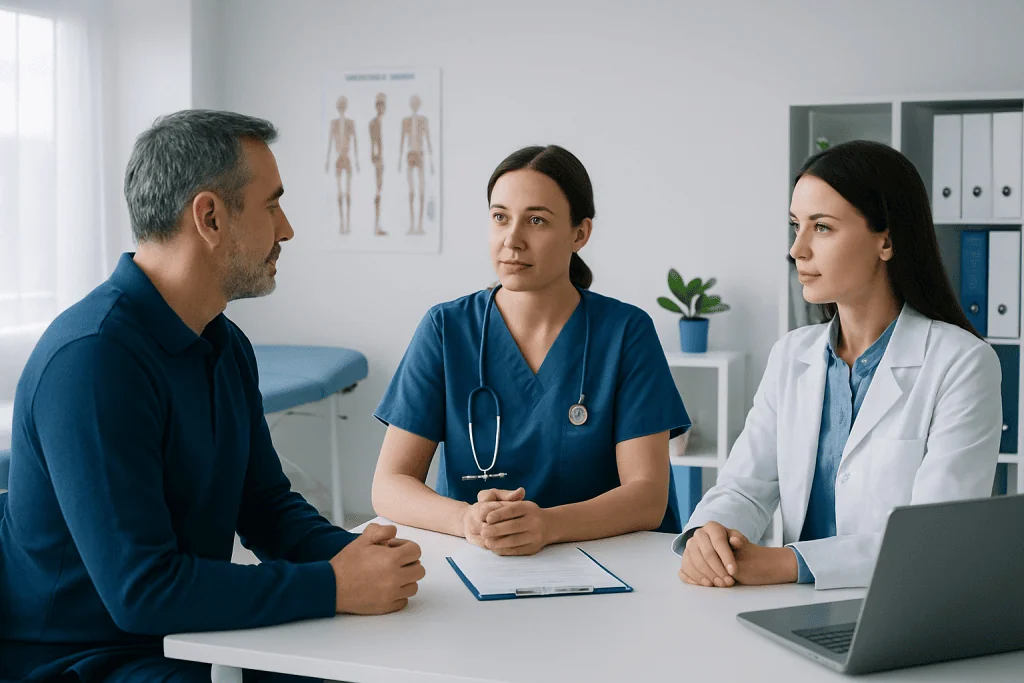
Many patients need support after returning home, but the type and intensity vary widely. Some people only need gentle walking and a follow-up visit, while others may need structured physiotherapy, occupational therapy, respiratory exercises, nutrition support, wound checks, injections, or home nursing. Ask your Turkish medical team which services are recommended and how soon they should begin after arrival.
If you already have a doctor at home, share your discharge documents before you travel or soon after you arrive. This gives your local provider time to decide whether they can continue care directly, refer you to a rehabilitation center, arrange tests, or prescribe medications available in your country. If your local language is different from English or Turkish, ask whether translated summaries are needed.
For patients treated at Acibadem’s JCI-accredited hospitals, international patient teams can often help you understand which documents to request and how to organize communication after discharge. They cannot replace your local emergency system, but they can help clarify medical instructions from your treating team and support continuity where appropriate.
Travel home safely while you are still recovering
Your return flight should be treated as part of your recovery plan, not just a travel booking. Before you fly, confirm with your doctor that you are medically fit to travel and ask whether you need special precautions. These may include walking during the flight, wearing compression stockings if recommended, avoiding heavy luggage, carrying medications in your hand baggage, or requesting airport assistance.
Long journeys can be tiring, especially after anesthesia, surgery, intensive treatment, or a hospital stay. Plan extra time at the airport, choose comfortable clothing, and keep important documents, prescriptions, and contact numbers with you. If you have mobility limits, ask for wheelchair support in advance through the airline or airport, and make sure your companion understands any movement restrictions.
Do not ignore new or worsening symptoms during travel or after arrival. Severe chest pain, shortness of breath, fainting, uncontrolled bleeding, sudden weakness, confusion, high fever, intense calf pain, or rapidly worsening pain should be treated as urgent. Use local emergency services first, then inform your treating team in Turkey when it is safe to do so.
Medication, supplies, and home setup
Medication planning is one of the most important practical steps before leaving Turkey. Ask your medical team to review each medicine with you: what it is for, how often to take it, whether it should be taken with food, what side effects to watch for, and when to stop. If you take long-term medicines from home, confirm whether they should continue alongside any new prescriptions.
Because medicine names and formulations can differ between countries, take a written list using generic names when possible. Carry enough medication for your journey and the first days at home, but avoid making changes without medical advice. If you need injections, dressings, special creams, braces, or mobility aids, check whether you should obtain them in Turkey before departure or arrange them locally.
Your home environment may also need small adjustments. Prepare a clean resting area, keep water and essentials within reach, remove tripping hazards, arrange help with stairs or bathing if needed, and plan meals that match your doctor’s advice. These details can make the first week at home calmer and safer.
Follow-up from abroad and knowing when to ask for help
Follow-up after treatment abroad can happen in several ways: an in-person visit in Turkey, a teleconsultation when appropriate, shared care with your local doctor, or a planned combination. Before you leave, confirm the recommended follow-up schedule and what information should be sent back, such as wound photos, lab results, imaging, rehabilitation reports, or symptom updates.
Keep one clear communication channel for non-urgent questions whenever possible. This helps prevent missed messages and repeated explanations. If you received care through Acibadem International, ask your coordinator how to contact the relevant team after discharge, what response times to expect, and which concerns should go directly to emergency services instead.
Recovery is rarely perfectly linear. Mild fatigue, emotional ups and downs, and gradual changes in mobility can be normal for many patients, but you should not guess about concerning symptoms. When in doubt, contact a qualified healthcare professional and use urgent care promptly for serious symptoms.
Step by step
- Start the rehabilitation conversation early. Ask about rehabilitation before discharge day, especially if your treatment affects mobility, breathing, nutrition, wound care, or daily independence. Early planning gives your team time to prepare instructions, documents, and referrals.
- Confirm your medical readiness to travel. Do not base your flight date only on ticket availability. Ask your doctor when it is safe to fly and whether you need mobility support, compression measures, medication timing guidance, or a companion.
- Collect and check your recovery documents. Before leaving the hospital, review your discharge summary, test results, medication list, and follow-up plan. If anything is unclear, ask for explanation through an interpreter so you can follow the plan confidently at home.
- Arrange local rehabilitation or nursing care. Contact your local doctor, physiotherapist, or home-care provider before you arrive home if possible. Share your medical documents and ask when your first appointment should take place.
- Prepare your journey and first week at home. Pack medicines and medical documents in hand luggage, request airport assistance if needed, and avoid carrying heavy bags. At home, prepare a safe resting area and organize help for shopping, meals, childcare, or personal care.
- Set up follow-up communication. Confirm how and when to contact your team in Turkey for planned follow-up questions. For urgent symptoms, use local emergency services first, then update your Turkish treating team when appropriate.
Your checklist
- Written discharge summary in a language you understand
- Medication list with generic names, doses, timing, and stop dates
- Copies of test results, imaging reports, and digital imaging files if available
- Clear wound care, activity, diet, and bathing instructions
- Doctor’s guidance on when you are fit to fly or travel long distance
- Local physiotherapy, nursing, or follow-up appointment arranged when needed
- Emergency warning signs explained to you and your companion
- Enough medication and supplies for travel and the first days at home
- Contact details for planned follow-up with the hospital team
- Travel assistance, wheelchair support, or companion support arranged if needed
Key takeaways
- Rehabilitation planning should begin before discharge, not after you arrive home.
- A written recovery folder helps your local doctor and rehabilitation team continue care safely.
- Your return flight should be approved by your treating doctor, especially after major treatment.
- Medication names, availability, and follow-up systems vary by country, so plan ahead.
- Use local emergency services for serious symptoms and keep planned follow-up channels for non-urgent questions.
Frequently asked questions
When should I start planning rehabilitation after treatment in Turkey?
Start as soon as your treatment plan and expected discharge timing are clear. This gives your medical team time to explain restrictions, prepare documents, and recommend physiotherapy, nursing, or local follow-up if needed.
Can I fly home immediately after discharge?
Not always. Your ability to fly depends on your treatment, general condition, mobility, pain control, risk factors, and your doctor’s assessment. Always ask your treating doctor to confirm when travel is safe and whether special precautions are needed.
What documents should I give my doctor at home?
Share your discharge summary, treatment or operation notes if relevant, medication list, lab results, imaging reports, pathology results, and rehabilitation instructions. If your local doctor needs a specific format or translation, ask early so you can prepare it before or soon after you leave Turkey.
What if I need physiotherapy after returning home?
Ask your Turkish medical team what type of therapy is recommended, how soon it should begin, and what movements or exercises should be avoided. Then arrange care with a licensed physiotherapist or rehabilitation center in your home country and provide them with your medical instructions.
Can Acibadem International help after I return home?
For planned follow-up questions, Acibadem International patient services can help guide communication with the relevant hospital team when appropriate. They can also help you understand which documents to request before departure, but urgent symptoms should always be handled through your local emergency services first.
How do I manage medicines if the same brand is not available in my country?
Ask for a medication list that includes generic names, doses, and instructions. Your local doctor or pharmacist can then help identify suitable equivalents where appropriate, but you should not substitute or stop medicines without professional guidance.
What symptoms after returning home should be treated as urgent?
Seek urgent medical help for severe chest pain, shortness of breath, fainting, sudden weakness, confusion, uncontrolled bleeding, high fever, rapidly worsening pain, severe swelling, or any symptom your doctor specifically warned you about. Contact local emergency services first, then update your treating team in Turkey when it is safe.
Add us as a Preferred Source to see more of our trusted health content across Google Search, AI Overviews and Discover.
More Patient Guides

At Acibadem, How We Prepare Your Discharge Papers and Medical Records
Discharge papers and medical records at Acibadem are prepared before you leave, with summaries, prescriptions and follow-up documents for your return home…
8 min read
Returning Home with a PICC Line or Port After Treatment in Turkey
Returning home with a PICC line or port after treatment in Turkey means planning dressings, documents, flights, and follow-up before you travel.
9 min read
Flying Home with a Cast, Brace, or Limited Mobility After Treatment in Turkey
Flying home with a cast, brace, or limited mobility after treatment in Turkey is possible with airline clearance, airport support, and a…
9 min read