Can I Take Edibles after Cataract Surgery: Procedure, Recovery and Results
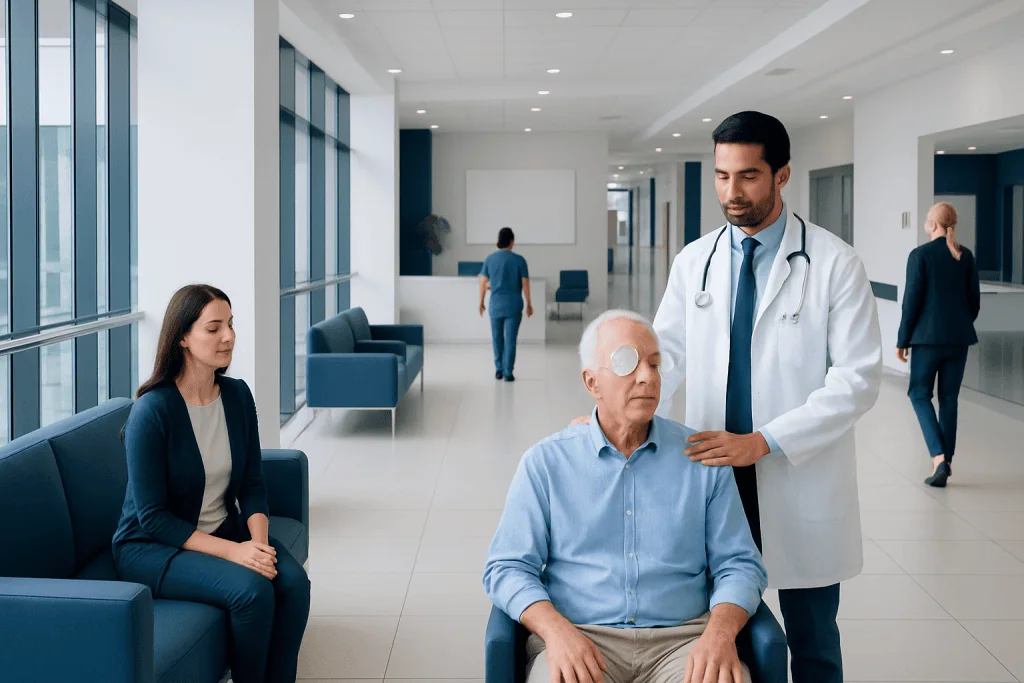
Cataract surgery usually replaces the cloudy natural lens with a clear artificial intraocular lens. Cannabis edibles are generally best avoided during the early recovery period unless approved by the operating eye surgeon.
Key Takeaways
- Cataract surgery usually replaces the cloudy natural lens with a clear artificial intraocular lens.
- Cannabis edibles are generally best avoided during the early recovery period unless approved by the operating eye surgeon.
- Edibles are not a recommended treatment for routine discomfort after cataract surgery.
- Prescribed eye drops, activity restrictions, and follow-up appointments support safe healing.
- Sudden vision loss, worsening pain, increasing redness, or new flashes and floaters need urgent eye assessment.
Most people should avoid cannabis edibles after cataract surgery unless their eye surgeon specifically says they are safe. Edibles can cause drowsiness, dizziness, dry eyes, anxiety, or interactions with medicines, which may make early recovery and the use of prescribed eye drops more difficult.
Can I Take Edibles After Cataract Surgery?
It is usually safest to avoid cannabis edibles after cataract surgery until the operating ophthalmologist confirms that they are appropriate. Although cataract surgery is commonly performed as an outpatient procedure and recovery is often smooth, the first days and weeks require clear vision, careful use of prescribed eye drops, and awareness of symptoms that may need prompt medical attention.
Edibles may have delayed and unpredictable effects compared with inhaled cannabis. They can cause sleepiness, impaired judgment, dizziness, nausea, anxiety, dry mouth, or changes in blood pressure. These effects may increase fall risk, make it harder to follow aftercare instructions, and mask worsening eye symptoms. People should also avoid driving, operating machinery, or making important decisions while recovering from surgery or while affected by cannabis.
There is no universal number of days that is safe for everyone. The right timing depends on the type of anesthesia or sedation used, the person’s medications and medical history, and whether healing is uncomplicated. The safest approach is to tell the eye surgeon honestly about cannabis use, including products used for sleep, pain, anxiety, or nausea, and ask when it can be resumed.
How Cataract Surgery Works and Who May Benefit
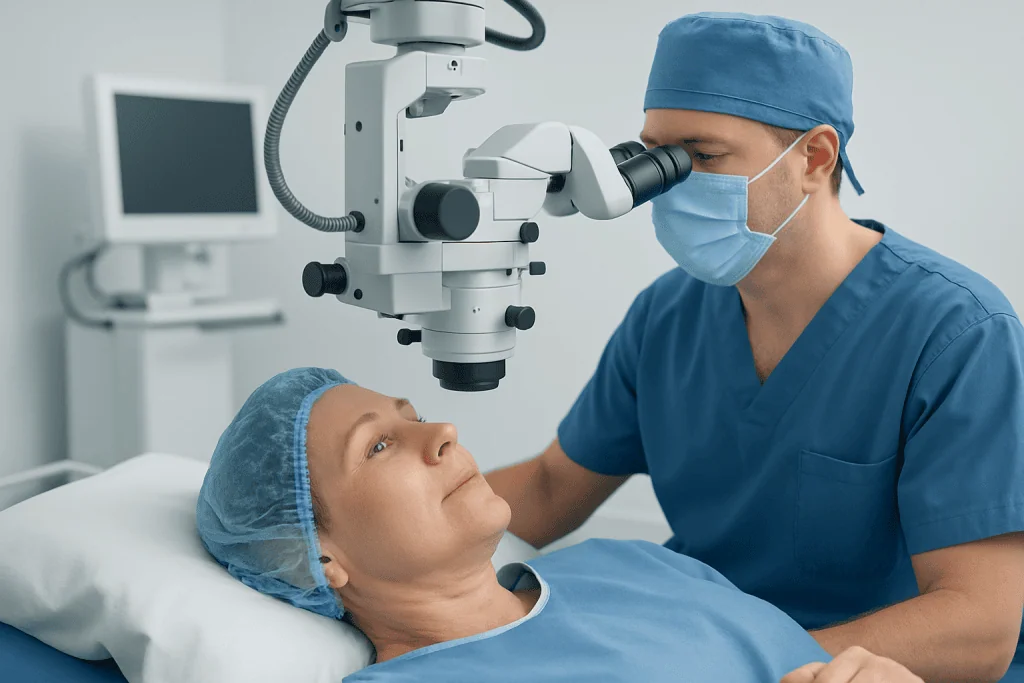
A cataract is a clouding of the eye’s natural lens. It can gradually make vision blurry, faded, dim, or more sensitive to glare. Cataract surgery removes the cloudy lens and replaces it with an artificial intraocular lens, often called an IOL. The goal is to improve visual clarity and reduce the effect of cataract-related vision changes on daily life.
Surgery may be considered when cataracts interfere with reading, driving, working, recognizing faces, or other activities that matter to the individual. The decision is based on symptoms and quality of life rather than cataract appearance alone. An ophthalmologist also considers eye health, general health, medication use, and the person’s visual goals.
Before surgery, the eye team measures the eye to help select an appropriate IOL. Different lens options may address distance vision, astigmatism, or a range of viewing distances. The surgeon explains realistic expectations, as some people may still need glasses for particular tasks after surgery.
People with glaucoma, diabetes, retinal disease, previous eye surgery, or other eye conditions may need additional assessment and individualized planning. These conditions do not always prevent cataract surgery, but they can affect expected visual outcomes and follow-up care.
Cataract Surgery: Step by Step

Cataract surgery is generally performed under local anesthesia with numbing eye drops or an injection around the eye. Some patients also receive sedation to help them relax. This is one reason cannabis and alcohol should be discussed before and after the procedure: both may affect sedation, alertness, blood pressure, and medication safety.
During the procedure, the surgeon makes a very small opening in the eye, breaks up the cloudy lens using ultrasound energy in a technique called phacoemulsification, and removes the lens material. A folded artificial lens is then inserted through the small opening and positioned inside the lens capsule.
The operation often takes less than an hour, though time at the surgical center is longer because of preparation and recovery monitoring. Most patients return home the same day and need another adult to accompany them. Vision may be blurry initially because of dilating drops, mild swelling, and normal early healing.
For people seeking specialist assessment and surgical planning, cataract surgery care involves a detailed eye examination, lens selection discussion, and postoperative monitoring tailored to the individual’s needs.
Recovery Timeline, Lens Settling, Benefits and Risks
Many people notice clearer vision within several days after cataract surgery, but vision can fluctuate early on. The eye surface, incision, and internal tissues need time to heal, and prescribed drops are used to lower the risk of inflammation and infection. Follow-up visits allow the ophthalmologist to check eye pressure, wound healing, lens position, and vision.
How long does it take for the lens to settle after cataract surgery?
The artificial lens is usually positioned securely during the operation, but the eye continues adapting as healing progresses. Vision often stabilizes over several weeks, and full healing may take around four to eight weeks, although timing varies. If vision suddenly worsens, becomes distorted, or remains unexpectedly blurred, the patient should contact the eye surgeon rather than assuming the lens is simply settling.
The main benefits of surgery are clearer vision and improved ability to perform daily activities affected by cataracts. Like all procedures, it has risks, including infection, inflammation, raised eye pressure, retinal swelling, retinal detachment, lens-position problems, and, rarely, serious loss of vision. Careful aftercare and prompt reporting of concerning symptoms help reduce the impact of complications.
- Use prescribed drops exactly as directed and wash hands before applying them.
- Avoid rubbing or pressing on the operated eye.
- Use the protective shield as instructed, especially during sleep.
- Avoid swimming, dusty environments, and strenuous activity until cleared by the surgeon.
Medicines, Alcohol and Edibles During Recovery
What drugs not to take after cataract surgery?
Patients should not stop, start, or change medicines without advice from their ophthalmologist or usual prescriber. The most important medicines to avoid are those the surgical team has specifically instructed the patient to pause, such as certain blood-thinning medicines in selected situations, or products that could interact with prescribed treatment or sedation. In most cases, long-term medicines for blood pressure, diabetes, heart disease, or other conditions are continued, but the care team should confirm this individually.
After surgery, patients should use only the eye drops and pain-relief medicines recommended by their clinician. Some non-prescription medicines, herbal supplements, sleep aids, alcohol, and cannabis products can increase drowsiness, affect blood pressure, worsen dry eye symptoms, or make it harder to recognize problems. Cannabis can also interact with medicines through effects on the central nervous system and liver drug metabolism.
Can I drink beer 3 days after cataract surgery?
Beer is best avoided for at least the early recovery period and until the surgeon confirms it is safe, particularly if the person is using sedating medication, strong pain medicine, or has ongoing blurred vision. Alcohol can contribute to dehydration, dizziness, falls, poor sleep, and missed eye-drop doses. A person who had sedation should not drink alcohol until fully recovered from its effects and should follow the surgical center’s specific instructions.
Will edibles help with pain after surgery?
Edibles are not recommended as routine pain relief after cataract surgery. Most people have little more than mild irritation, grittiness, tearing, or light sensitivity, which is usually managed with the treatment plan provided by the eye surgeon. Increasing or severe pain is not something to self-treat with cannabis; it should be reported promptly because it can signal a complication that needs assessment.
Practical Self-Care After Cataract Surgery
A calm, structured recovery plan can make the early period more comfortable. Patients should arrange transportation home, keep their eye drops accessible, and ask a family member or friend for help if vision is temporarily limited. Rest is reasonable on the day of surgery, but gentle walking and normal light activities are often possible unless the surgeon gives different instructions.
It is helpful to set alarms for eye drops, avoid touching the bottle tip to the eye or eyelashes, and wait several minutes between different drops if instructed to use more than one. Sunglasses may improve comfort outdoors if the eye is sensitive to light. Makeup, face creams near the eye, and contact with unclean water should be avoided until the eye team says they can be resumed.
People who use cannabis regularly should not feel embarrassed about discussing it. Clear information helps the clinician give safer advice about anesthesia, prescribed medicines, sleep, nausea, and recovery. The same applies to tobacco, vaping, alcohol, supplements, and non-prescribed medicines.
Acibadem International’s multidisciplinary specialists and JCI-accredited hospitals provide assessment, cataract surgery, and follow-up care for international patients, with treatment plans guided by each patient’s eye health and overall medical needs.
When to Seek Medical Care
Patients should contact their eye surgeon promptly if they develop increasing pain, worsening redness, a marked decline in vision, significant swelling around the eye, or discharge that is more than mild tearing. These symptoms may require an examination and should not be managed by waiting, using extra drops, alcohol, or cannabis products.
Urgent eye assessment is also needed for flashes of light, a sudden increase in floaters, a shadow or curtain across vision, severe headache with nausea, or persistent vomiting. These symptoms can have several causes, including conditions unrelated to the cataract incision, but they should be evaluated without delay.
Attending scheduled follow-up appointments is important even when vision seems to be improving. The ophthalmologist can identify inflammation, pressure changes, or retinal swelling that may not be obvious to the patient at first. Questions about restarting edibles, alcohol, exercise, driving, or work are appropriate topics for these visits.
Frequently asked questions
Can I take CBD edibles after cataract surgery?
CBD products should also be discussed with the eye surgeon before use. Even products marketed as CBD-only can vary in ingredients and may interact with medicines or cause drowsiness. It is safest to wait until the surgeon confirms that use will not interfere with recovery.
How soon can I drive after cataract surgery?
Driving should wait until vision is adequate and the eye surgeon says it is safe. This may be as soon as the first postoperative review for some people, but it varies with vision, the operated eye, and local driving requirements. Sedation, blurred vision, and cannabis or alcohol use are additional reasons not to drive.
Can cannabis cause problems with cataract surgery recovery?
Cannabis may cause dizziness, sleepiness, anxiety, dry-eye symptoms, or reduced attention to aftercare. It can also make it more difficult to notice or respond to warning symptoms. The clinical team should know about regular or recent cannabis use so they can provide individualized advice.
Is mild discomfort normal after cataract surgery?
Mild scratchiness, tearing, light sensitivity, or a foreign-body sensation can occur during early healing. These symptoms should gradually improve with the prescribed treatment plan. Significant pain, worsening discomfort, or reduced vision should be reported promptly.
When can I exercise after cataract surgery?
Light activity may be possible soon after surgery, but heavy lifting, strenuous exercise, bending, and activities that could expose the eye to sweat, dust, or injury may need to be postponed. The appropriate timeline depends on healing and the surgeon’s instructions. Patients should ask at their follow-up appointment before returning to intense training.
Can I smoke after cataract surgery?
Smoking and vaping are not recommended during recovery because they can irritate the eyes and may affect general healing. Smoke exposure can also worsen dryness and coughing, which can be uncomfortable after eye surgery. The care team can provide support for reducing or stopping tobacco use.
References
- American Academy of Ophthalmology
- National Eye Institute
- U.S. Food and Drug Administration
- Royal College of Ophthalmologists
- American Society of Anesthesiologists
This article is for general information only and is not a substitute for professional medical advice. Please consult a qualified doctor about your individual situation.
Cataract Surgery in Turkey — costs, top hospitals & a free quote
JCI-accredited · board-certified surgeons · reply within 24h
Add us as a Preferred Source to see more of our trusted health content across Google Search, AI Overviews and Discover.
Check your numbers in seconds
BMI, calories, due date, blood pressure and 30+ more clinical calculators — free, instant, doctor-reviewed ranges.

Ophthalmology
Comprehensive eye care from laser vision correction to retina, cornea and cataract surgery.
75 specialists in this unitMore from the Health Library



Related Specialists

Dr. Evren Baca
Ophthalmology
Dr. Adnan Abbasoğlu
Orthopedic Surgery & Traumatology
Prof. Dr. Fatih Dikici
Orthopedic Surgery & Traumatology
Dr. Türker Kundak
Internal Medicine