

Follow-Up Tests After Treatment in Turkey

Follow-up tests after treatment are medical checks used to confirm recovery, monitor healing, and detect any signs that a condition has returned or caused complications. In Turkey, these follow-up evaluations are planned according to the original diagnosis and treatment and may include blood tests, imaging, pathology review, physical examination, and specialist consultation.
Follow-up testing helps your medical team confirm that recovery is progressing as expected after treatment in Turkey. This guide explains how to plan tests, organize records, coordinate with your local doctor, and stay connected with Acibadem International after you return home.
At a glance
- Best time to plan: Before you leave Turkey, with written instructions from your treating team
- Who coordinates: Your Acibadem International care team, international patient services, and your local physician
- Common records needed: Discharge summary, lab results, imaging, medication list, and follow-up schedule
- Where tests can happen: In Turkey, in your home country, or through a coordinated hybrid plan
- When to seek urgent help: If you have worsening symptoms, fever, breathing difficulty, severe pain, or concerning changes
Why follow-up tests matter after treatment abroad
When you receive treatment in Turkey and return home, follow-up tests act as checkpoints. They help your doctors understand how you are healing, whether medicines need adjustment, and whether any additional care is needed. The exact tests depend on your diagnosis, treatment type, age, medical history, and recovery progress.
Follow-up is not only about detecting problems. It is also a way to reassure you, answer questions that arise after travel, and keep your care plan organized across countries. For many international patients, a clear written plan reduces uncertainty once the hospital stay is over.
At Acibadem International, follow-up planning is usually discussed before discharge or before you travel home. Your team can help you understand which tests should be done in Turkey, which may be completed locally, and what information should be sent back for medical review.
Before you leave Turkey: confirm your written plan
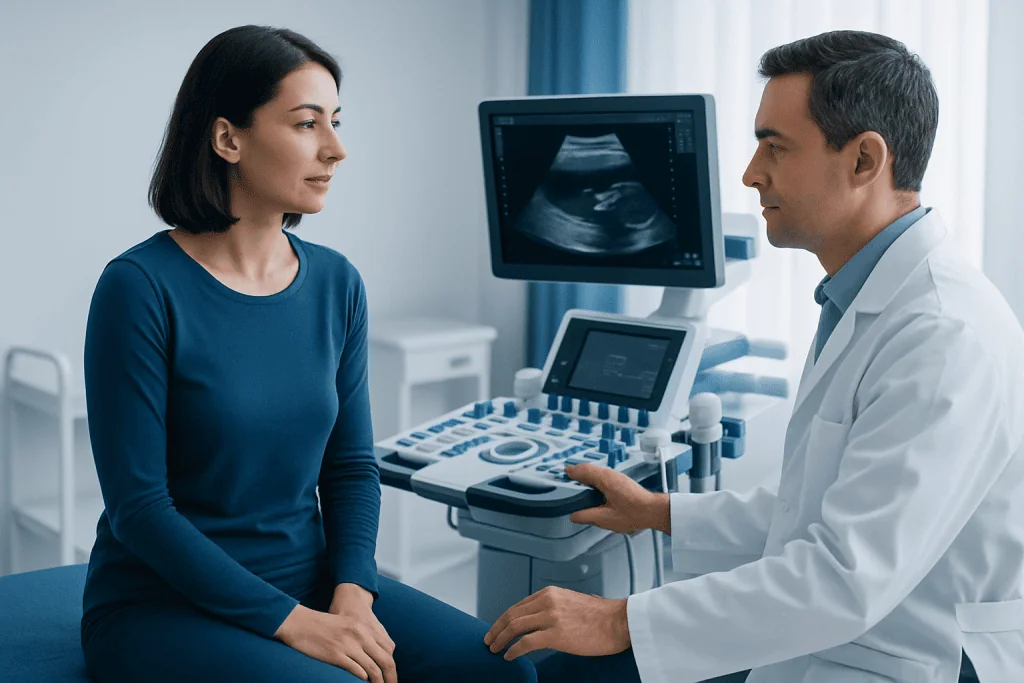
Before your departure, ask for a written follow-up plan in language you understand. This should include the recommended timing of appointments, tests, medication instructions, activity restrictions, warning signs, and who to contact if questions arise. If anything is unclear, ask before leaving the hospital or clinic.
Your plan may mention laboratory tests, imaging, wound checks, physical therapy assessments, medication monitoring, or specialist appointments. You do not need to memorize every detail. What matters is that you have the plan in writing and know how to share results securely with the right team.
International patient services can support practical details such as interpreter assistance, copies of reports, medical record requests, and communication with your care coordinator. If you are flying soon after treatment, also confirm travel-related instructions, including mobility, hydration, compression garments if advised, and medication timing.
Which follow-up tests may be requested
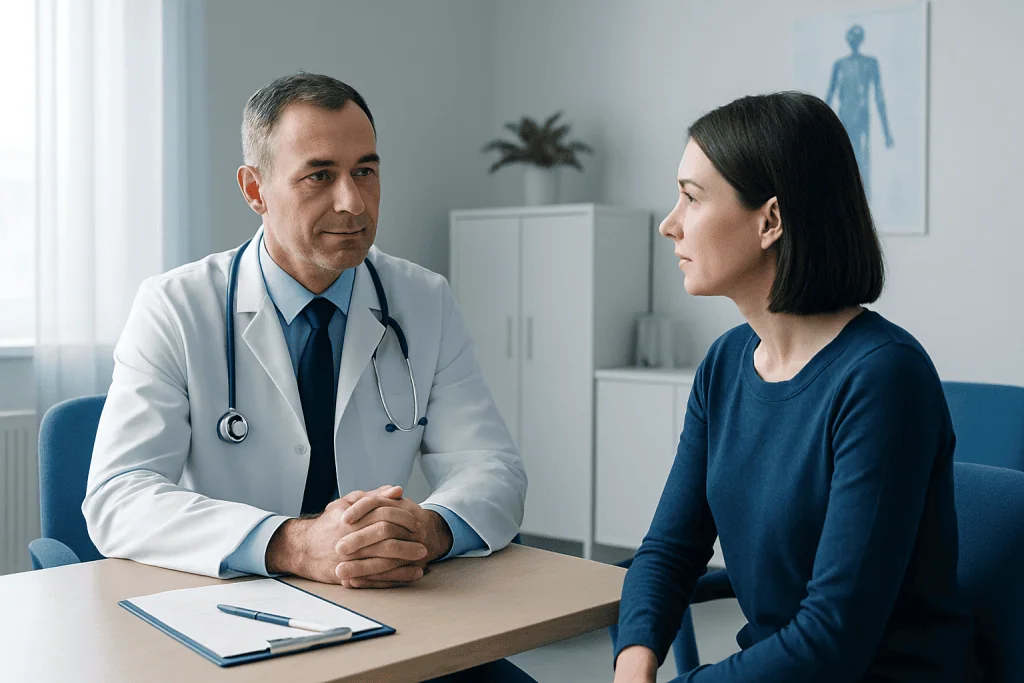
Follow-up tests vary widely. Some patients only need a simple clinical check and basic blood tests, while others need scheduled imaging or specialist monitoring. Your treating doctor will decide what is appropriate based on your individual case, not on a general travel checklist.
Common categories may include blood work to monitor inflammation, blood counts, organ function, medication effects, or nutritional status. Imaging such as ultrasound, X-ray, CT, MRI, or other scans may be requested when your team needs to compare healing or treatment response over time.
You may also be asked to complete functional or symptom-based follow-up, such as mobility evaluation, rehabilitation progress, pain assessment, wound photographs, or medication review. If your local doctor orders tests, make sure the results include units, reference ranges, dates, and the facility name so your Turkish medical team can interpret them correctly.
Coordinating follow-up between Turkey and your home country
A good follow-up plan connects your treating team in Turkey with your healthcare provider at home. This is especially important if you need ongoing medication, wound care, rehabilitation, cancer surveillance, heart monitoring, or chronic disease management. Your local doctor can provide hands-on assessment while your original treating team reviews the treatment context.
Before you travel, identify a local physician or specialist who can receive your discharge summary and perform the requested tests. If you do not yet have one, ask your Acibadem International coordinator what documents are most important to share when arranging an appointment in your country.
When sending test results back to Turkey, include your full name, date of birth, patient number if available, treatment date, and a short explanation of your current symptoms or questions. Clear context helps the medical team respond more efficiently and avoids delays caused by missing information.
Medical records, translations, and secure sharing
Your follow-up depends on accurate records. Keep digital and printed copies of your discharge summary, operation or procedure notes if applicable, pathology reports, imaging reports, prescriptions, allergy list, and follow-up instructions. If you received imaging, ask whether the images are available on a CD, USB, secure link, or digital platform, not only as a written report.
Translations can be very helpful when you return home. If your local doctor does not read the language used in a report, request an English version or a certified translation where needed. Interpreter support at Acibadem International can also help you understand instructions before you leave Turkey.
Use secure channels when sharing medical files. Avoid posting personal medical information in unsecured messaging groups or public platforms. If you are unsure how to send large imaging files or confidential documents, ask your patient coordinator for the safest available method.
When to contact the hospital, your local doctor, or emergency services
Most follow-up questions are routine and can be handled through your coordinator or local doctor. Examples include questions about appointment timing, minor medication clarification, how to send test results, or whether a scheduled test can be done a few days earlier or later.
Some symptoms should be assessed quickly. Contact a healthcare professional promptly if you develop fever, increasing pain, worsening swelling, unusual bleeding, shortness of breath, chest pain, fainting, confusion, severe vomiting, new weakness, or any symptom your discharge instructions list as urgent. If symptoms are severe, use local emergency services rather than waiting for an international reply.
If you are unsure whether a symptom is urgent, it is safer to seek local medical advice. After you are stabilized or assessed, your local doctor can share findings with the Acibadem International team for continuity of care.
Step by step
- Ask for your follow-up schedule before discharge. Confirm which tests are needed, the recommended dates, and whether they must be done at Acibadem or can be done locally. Ask who will review the results and how you should send them.
- Collect complete medical records. Request your discharge summary, test results, imaging reports, prescriptions, and any special instructions. Keep both digital and printed copies in your travel documents.
- Clarify medication and activity instructions. Before flying home, make sure you understand your medicines, doses, duration, and possible side effects. Also confirm what activities to avoid and when normal routines may gradually resume.
- Arrange a local doctor appointment. Book a visit with your family doctor or relevant specialist in your home country as soon as your follow-up plan is clear. Share your Turkish medical records before the appointment if possible.
- Complete tests within the advised window. Try to follow the timing recommended by your treating team, especially for medication monitoring or treatment response checks. If scheduling is difficult, ask whether a small delay is acceptable.
- Send results with context. When you share results, include your current symptoms, medication changes, and any questions. Clear context helps the team understand whether results match your recovery stage.
- Keep a recovery log. Write down symptoms, temperature if relevant, pain levels, wound changes, mobility progress, and questions for your next appointment. This simple habit makes follow-up conversations more useful.
Your checklist
- Written follow-up plan with dates or time windows
- Discharge summary and key medical reports
- Medication list with doses and duration
- Imaging files and written imaging reports, if applicable
- Pathology or laboratory reports, if applicable
- Emergency warning signs explained in your language
- Contact details for your Acibadem International coordinator
- Appointment booked with a local doctor or specialist
- Secure method for sending test results
- Travel insurance and local emergency numbers saved
Key takeaways
- Plan follow-up tests before leaving Turkey, not after you arrive home.
- Your written discharge and follow-up instructions are the main roadmap for safe continuity of care.
- Local doctors can perform many routine tests, but results should be shared clearly with the treating team when requested.
- Use secure channels for medical records, especially imaging, pathology, and personal identification details.
- Seek urgent local care for severe or worsening symptoms rather than waiting for an overseas response.
Frequently asked questions
Can I do my follow-up tests in my home country?
In many cases, yes. Your treating doctor will explain which tests can be completed locally and which may need review at the original hospital. The key is to complete the tests within the recommended time window and send full reports with units, dates, and clinical context.
What if my local doctor recommends a different test?
This can happen because medical systems and protocols vary. Ask your local doctor to explain the reason, then share the recommendation with your treating team in Turkey if it affects your original plan. Your care teams can usually align on a practical approach.
How soon after treatment should follow-up testing happen?
Timing depends on the treatment and your recovery. Some checks may be needed within days, while others are scheduled weeks or months later. Always follow the individualized plan in your discharge documents rather than a general timeline.
Do I need to return to Turkey for every follow-up visit?
Not always. Some patients return for specialist review, while others complete tests locally and share results remotely. Your doctor will advise based on your condition, the complexity of treatment, and whether physical examination or advanced testing is needed.
What documents should I show my doctor at home?
Bring your discharge summary, medication list, recent test results, imaging reports, and follow-up instructions. If you had surgery or a procedure, include the operative or procedure note if available. Translated documents can make the visit smoother.
Who should I contact if I have a question after returning home?
For routine questions, contact your Acibadem International coordinator or the contact listed in your discharge plan. For symptoms that feel urgent or severe, contact your local doctor or emergency services first. International follow-up is important, but urgent care should be local and immediate.
How can I send imaging results from my country?
Ask the imaging center for both the written report and the actual image files in a shareable format. Large files may require a secure upload link or approved transfer method. Your patient coordinator can guide you on the preferred process.
Add us as a Preferred Source to see more of our trusted health content across Google Search, AI Overviews and Discover.
More Patient Guides

At Acibadem, How We Prepare Your Discharge Papers and Medical Records
Discharge papers and medical records at Acibadem are prepared before you leave, with summaries, prescriptions and follow-up documents for your return home…
8 min read
Returning Home with a PICC Line or Port After Treatment in Turkey
Returning home with a PICC line or port after treatment in Turkey means planning dressings, documents, flights, and follow-up before you travel.
9 min read
Flying Home with a Cast, Brace, or Limited Mobility After Treatment in Turkey
Flying home with a cast, brace, or limited mobility after treatment in Turkey is possible with airline clearance, airport support, and a…
9 min read