

How to Help Someone Going Thru Chemo: How It Works, Results and What to Expect
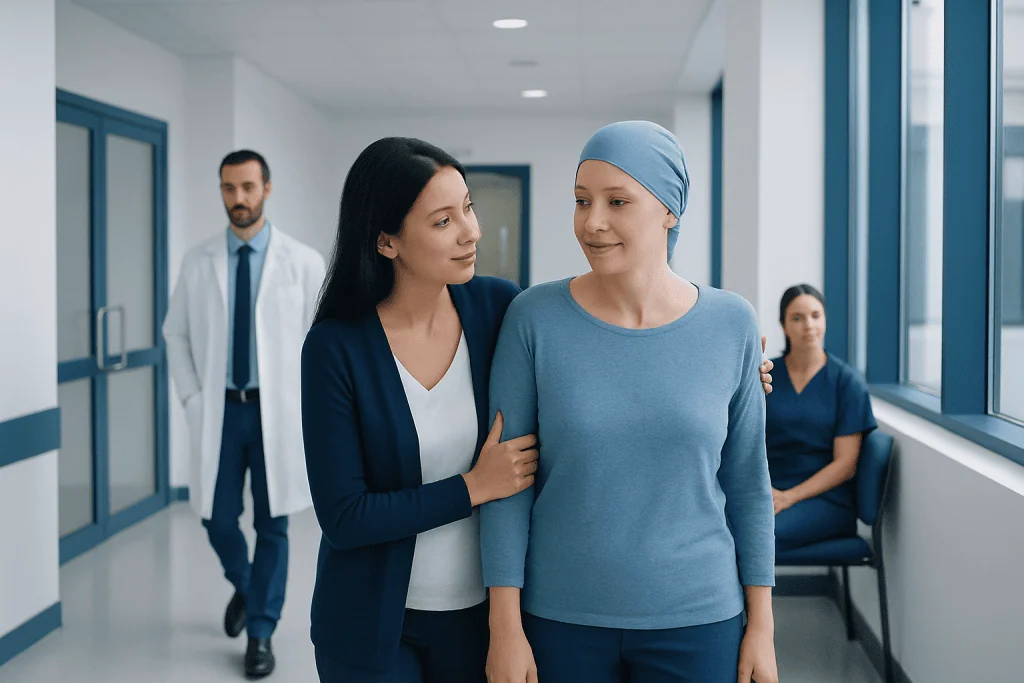
Practical offers, such as rides, meals, errands, or childcare, are often more helpful than asking a general question. Chemotherapy is planned in cycles, with rest periods that allow the body time to recover between treatments.
Key Takeaways
- Practical offers, such as rides, meals, errands, or childcare, are often more helpful than asking a general question.
- Chemotherapy is planned in cycles, with rest periods that allow the body time to recover between treatments.
- Side effects vary by medicine and may change throughout treatment; the oncology team should be told about new or worsening symptoms.
- Caregivers should use sensible hygiene and follow the treatment team’s guidance about body fluids, medicines, food safety, and infection prevention.
- Supportive cancer care includes symptom control, nutrition, emotional support, rehabilitation, and palliative care at any stage of illness.
To help someone going thru chemo, offer specific practical support, listen without pressure, help them follow their cancer team’s instructions, and know when symptoms need urgent medical advice. Chemotherapy affects each person differently, so the most useful support is flexible, respectful, and guided by the patient’s treatment plan.
How to Help Someone Going Thru Chemo
Helping someone during chemotherapy begins with recognizing that treatment can affect energy, appetite, mood, sleep, work, family life, and confidence as well as physical health. The person may want company on some days and quiet on others. Asking what they need is important, but specific offers are usually easier to accept: a ride to an appointment, a grocery delivery, help with school pickup, or a prepared meal that can be frozen.
Emotional support can be simple and meaningful. Listen without trying to fix every concern, avoid making assumptions about how the person feels, and allow them to decide how much they want to discuss cancer. Keep in touch in a low-pressure way, such as sending a message that does not require an immediate reply. If they are comfortable sharing medical information, help them write down questions for appointments and keep track of instructions from the oncology team.
It is also helpful to respect the person’s independence. Chemotherapy does not mean that every decision should be made for them. Ask before visiting, bringing food, posting online, or speaking to others about their diagnosis. Caregivers need support too; sharing responsibilities with family, friends, or community services can make long-term help more sustainable.
How Chemotherapy Works and What Results to Expect
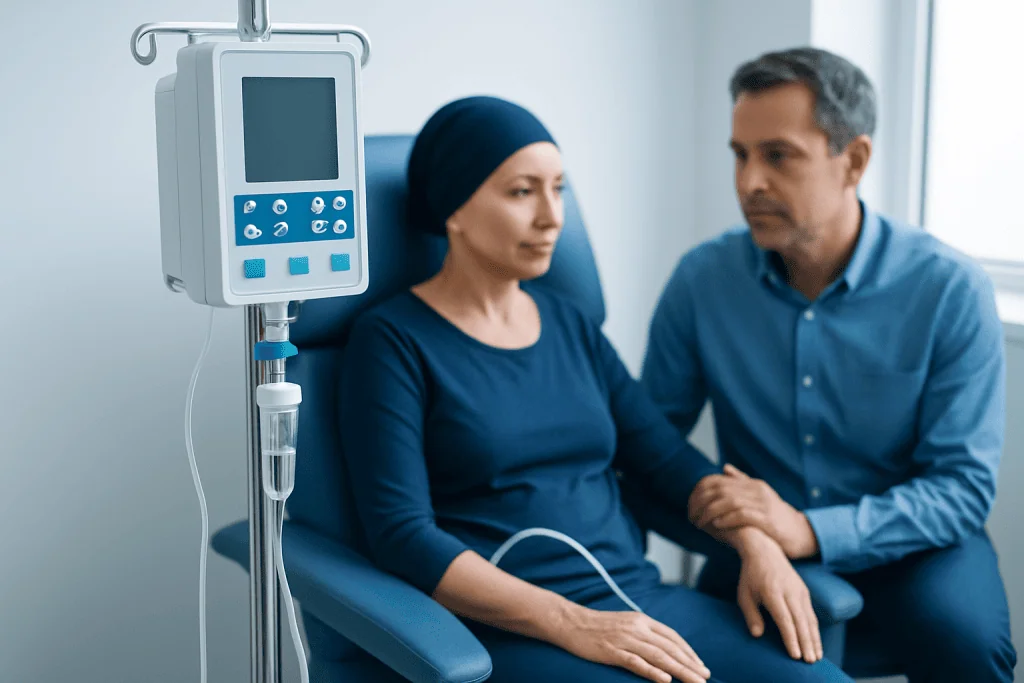
Chemotherapy is a group of medicines that damage or slow the growth of rapidly dividing cells. It may be used to cure some cancers, reduce the chance of cancer returning after surgery, shrink a tumor before another treatment, control cancer growth, or ease cancer-related symptoms. It can be given alone or combined with surgery, radiation therapy, immunotherapy, targeted therapy, or hormone therapy.
The expected result depends on the cancer type, its stage, tumor biology, the treatment goal, and the medicines used. Some people receive chemotherapy through a vein at a clinic or hospital, while others take medicines by mouth at home. Treatment is commonly delivered in cycles, meaning a treatment day or series of days followed by a rest period. This schedule allows normal tissues, including blood-forming cells, time to recover.
Because chemotherapy medicines circulate through the body, they can affect healthy rapidly dividing cells as well as cancer cells. This explains why side effects may involve the digestive tract, hair follicles, skin, or bone marrow. The oncology team monitors treatment response with examinations, blood tests, imaging, and sometimes tumor markers, then adjusts the plan when clinically appropriate.
Who May Receive Chemotherapy and How Treatment Is Planned
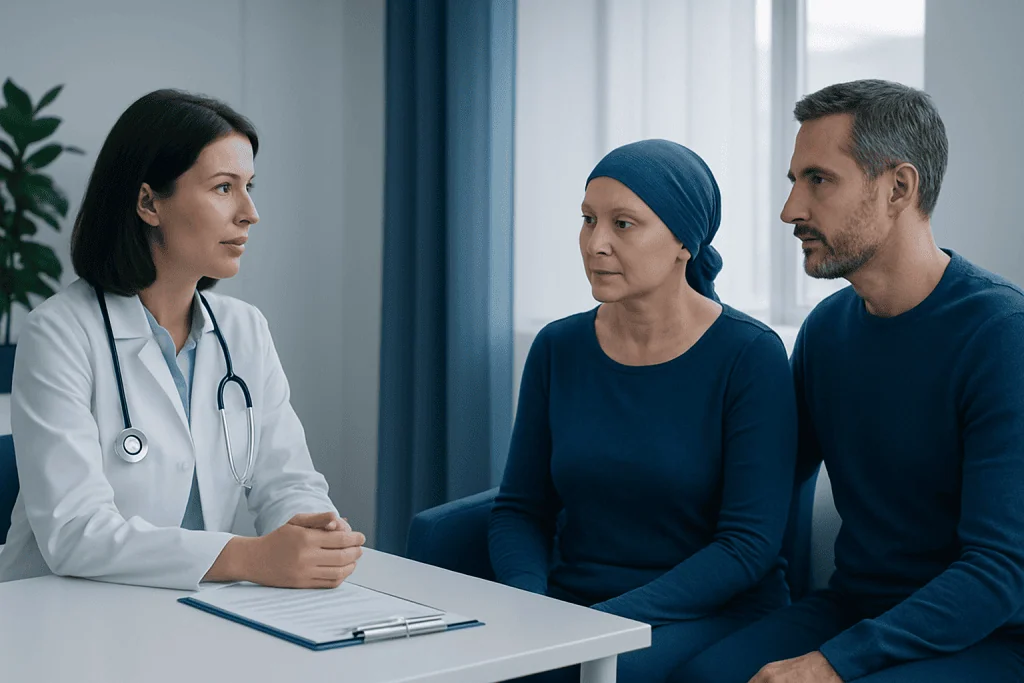
Whether chemotherapy is appropriate is decided by an oncology team after reviewing the diagnosis and the person’s overall health. Important factors include the cancer’s type and extent, pathology findings, genetic or molecular test results when relevant, previous treatments, kidney and liver function, heart health, other medical conditions, and personal treatment goals. Age alone does not determine whether someone can receive chemotherapy.
Before treatment begins, patients may have blood tests, scans, heart assessments, or other tests tailored to the planned medicines. The team explains the purpose of treatment, likely benefits, important risks, appointment schedule, home medicines, and symptoms that should be reported urgently. For some patients, discussions about fertility preservation, contraception, nutrition, dental health, work, or family planning are also appropriate before treatment starts.
A caregiver can help by attending consultations if invited, taking notes, and making sure the patient has a written contact number for the oncology service. It is important not to start vitamins, herbal products, over-the-counter medicines, or alternative treatments without checking with the cancer team, as some products can interfere with chemotherapy or increase bleeding and other risks.
What Happens During a Chemotherapy Cycle
On a treatment day, the patient may first have a review of symptoms, vital signs, and laboratory results. Chemotherapy may be postponed or adjusted if blood counts are low or side effects need attention. Medicines that help prevent nausea, allergic reactions, or other treatment effects may be given before chemotherapy. Intravenous treatment may be administered through a temporary cannula, a central line, or an implanted port, depending on the plan.
The length of an appointment varies widely. Some medicines are given over a short period, while others take longer or require several consecutive days. Oral chemotherapy is usually taken at home exactly as prescribed, and it should not be shared, crushed, or stopped without speaking to the oncology team. The patient may be asked to keep a record of doses and side effects.
After treatment, side effects may begin that day or later in the cycle. Family members can help create a calm recovery space, arrange transport if fatigue is expected, maintain a list of medicines, and remind the patient to drink fluids if their team has not given fluid restrictions. A treatment diary can help identify patterns, such as which days nausea, constipation, diarrhea, pain, or tiredness tend to be most noticeable.
Modern cancer care often combines systemic therapies according to the individual diagnosis. The cancer team can explain whether chemotherapy is being used alongside immunotherapy or other treatments, and why that combination is recommended.
Recovery Timeline, Benefits and Possible Risks
There is no single recovery timeline after chemotherapy. Many people feel tired for several days after a treatment session and gradually improve during the rest period, while others have symptoms that continue between cycles. Blood cell counts often reach their lowest point at a time determined by the specific medicines, which can increase infection risk. The oncology team will explain the expected timing for the individual regimen.
Potential benefits include treating cancer cells throughout the body, improving the chance of cure in selected settings, reducing tumor size, delaying progression, or relieving symptoms. These benefits must be balanced against side effects, which may include fatigue, nausea, vomiting, appetite changes, constipation or diarrhea, mouth soreness, hair loss, skin or nail changes, numbness or tingling, fertility effects, low blood counts, and increased susceptibility to infection. Not everyone experiences the same effects.
Some side effects can be prevented, reduced, or treated with supportive medicines and early communication. Others may require a treatment delay, dose change, or referral to another specialist. Never assume that a new symptom is “just chemo”; the cancer team should assess significant or persistent changes. Most short-term side effects improve after treatment ends, but some, including nerve symptoms or fatigue, can take longer to resolve.
How Long After Chemo Can You Eat Normally?
Many people can eat normally during chemotherapy, but appetite and food preferences may change from day to day. Some people experience nausea, taste changes, mouth sores, swallowing difficulty, constipation, diarrhea, or early fullness that makes usual meals uncomfortable. There is no fixed date when normal eating returns, because recovery depends on the medicines used, the treatment schedule, and the person’s individual symptoms.
Small, frequent meals and snacks are often easier than large meals. Bland or cool foods may be more comfortable during nausea or mouth soreness, while adequate protein and fluids can support strength and recovery. Food safety is particularly important if blood counts are low; the oncology team may advise avoiding particular foods or following extra hygiene measures.
Contact the care team if the patient cannot keep fluids down, eats very little for more than a short period, loses weight unintentionally, has painful mouth sores, or has persistent diarrhea or constipation. A cancer dietitian can provide individualized advice, especially when a person has diabetes, kidney disease, swallowing problems, or other dietary needs.
Is It Safe to Share a Bathroom With a Chemo Patient?
In most households, it is safe to share a bathroom with a person receiving chemotherapy. Chemotherapy itself is not contagious, and cancer cannot be passed from one person to another. However, small amounts of some chemotherapy medicines may leave the body in urine, stool, vomit, sweat, or other body fluids for a limited period after treatment.
The oncology team will provide instructions based on the medicines used. These often include closing the toilet lid before flushing, washing hands carefully, cleaning any spills promptly while wearing disposable gloves, and washing soiled clothing or linens separately if directed. The patient should follow their team’s advice about how long these precautions are needed after each treatment.
Extra care is appropriate for anyone who is pregnant, trying to become pregnant, breastfeeding, or has a weakened immune system. A caregiver should ask the oncology nurse for clear guidance rather than relying on general advice online. Good bathroom hygiene also helps reduce the risk of common infections for the patient and everyone in the household.
How to Feel Better After Chemo and When to Seek Medical Care
After chemotherapy, rest, hydration, gentle movement if approved, and regular small meals can help support recovery. Fatigue is common and is not always relieved by sleep alone, so pacing activities is important. Encourage the patient to prioritize essential tasks, accept help, and discuss ongoing tiredness, sleep problems, pain, low mood, or anxiety with the oncology team. Counseling, rehabilitation, nutrition support, and symptom-management services may all be useful.
Seek urgent medical advice from the cancer team for a fever or chills, sudden shortness of breath, chest pain, confusion, uncontrolled vomiting, severe diarrhea, signs of dehydration, unusual bleeding or bruising, severe pain, or a new rash or swelling after treatment. The team may have a specific temperature threshold and a 24-hour contact pathway; follow that plan. If the person seems acutely unwell or cannot be reached by the cancer service, local emergency services may be needed.
For planned, multidisciplinary support, Acibadem International’s specialists and JCI-accredited hospitals diagnose and treat cancer for international patients. A care plan may coordinate oncology, symptom management, nutrition, psychology, rehabilitation, and other services according to the individual’s needs.
Frequently asked questions
What is the best supportive care for people with cancer?
The best supportive care is individualized and addresses physical symptoms, emotional wellbeing, nutrition, mobility, sleep, practical needs, and family support. It may include symptom-control medicines, dietitian input, mental health care, rehabilitation, social work, and palliative care. Supportive care can be provided alongside treatment intended to cure or control cancer.
What should a caregiver bring to a chemotherapy appointment?
Useful items may include a medication list, insurance or identification documents if needed, water, snacks approved by the care team, a blanket, entertainment, and a notebook for instructions. The patient may also appreciate practical items such as lip balm or a phone charger. It is best to ask the treatment center about visitor policies and any restrictions before arriving.
Can a person on chemotherapy be around children?
Usually, yes. Cancer and chemotherapy are not contagious, and time with children can be emotionally valuable. However, children or adults with fever, cough, vomiting, diarrhea, or another contagious illness should avoid close contact, particularly when the patient’s immune defenses may be low.
How can family members reduce infection risk during chemotherapy?
Everyone in the household should wash hands regularly, avoid visiting when sick, keep vaccinations up to date as advised by their clinicians, and prepare food safely. The patient’s oncology team may recommend additional precautions during periods of low white blood cell counts. Family members should report any exposure to contagious illnesses when instructed to do so.
Should someone receiving chemotherapy exercise?
Gentle, regular activity can help some people manage fatigue, mood changes, sleep difficulties, and loss of strength. The appropriate activity depends on the person’s cancer, treatment, blood counts, balance, pain, and overall fitness. The oncology team should be asked before starting or changing an exercise plan.
What should not be said to someone having chemotherapy?
It is usually best to avoid minimizing statements, unsolicited stories about other people’s cancer experiences, or pressure to stay positive. Comments about appearance, food, or treatment choices can also feel difficult. A supportive alternative is to say that you are available, ask what would be helpful, and listen to the answer.
References
- National Cancer Institute
- American Cancer Society
- American Society of Clinical Oncology
- Centers for Disease Control and Prevention
- World Health Organization
This article is for general information only and is not a substitute for professional medical advice. Please consult a qualified doctor about your individual situation.
Oncology care in Turkey — second opinion and treatment plan
JCI-accredited · board-certified surgeons · reply within 24h
Add us as a Preferred Source to see more of our trusted health content across Google Search, AI Overviews and Discover.

More from the Health Library


Related Specialists

Prof. Dr. Melih Bozkurt
Neurosurgery
Prof. Dr. Aziz Yazar
Medical Oncology
Fzt. Nursena Altınkaya
Physical Medicine & Rehabilitation
Prof. Dr. Kenan Hizel
Infectious Diseases & Clinical Microbiology