Is Pluvicto Radiation: How It Works, Results and What to Expect

Pluvicto is a targeted radioligand therapy containing lutetium-177, used for certain advanced PSMA-positive prostate cancers. It is given through an intravenous infusion, usually as a series of treatment cycles with blood tests and imaging between cycles.
Key Takeaways
- Pluvicto is a targeted radioligand therapy containing lutetium-177, used for certain advanced PSMA-positive prostate cancers.
- It is given through an intravenous infusion, usually as a series of treatment cycles with blood tests and imaging between cycles.
- Response is assessed using symptoms, PSA trends, scans and overall clinical condition rather than one sign alone.
- Potential benefits include delaying cancer progression and relieving symptoms for eligible patients, while side effects can include fatigue, dry mouth and lowered blood counts.
- Regular follow-up is essential because radiation safety guidance and blood-count monitoring are part of treatment.
Yes, Pluvicto is a form of targeted internal radiation treatment, not external-beam radiation. It uses a radioactive medicine that seeks out prostate cancer cells carrying prostate-specific membrane antigen (PSMA) and delivers radiation mainly at those cells.
Overview: Is Pluvicto Radiation?
Yes. Pluvicto is radiation treatment, but it is not the same as external-beam radiation therapy, where a machine directs radiation at a body area from outside. Pluvicto is a targeted radioactive medicine, also called radioligand therapy or radionuclide therapy, given into a vein. It circulates in the bloodstream and carries radiation to cancer cells that express a target called prostate-specific membrane antigen (PSMA).
Pluvicto contains lutetium-177 vipivotide tetraxetan. The targeting part of the medicine attaches to PSMA, a protein commonly found in large amounts on prostate cancer cells. Lutetium-177 then releases short-range beta radiation, intended to damage nearby cancer-cell DNA and slow or stop the cells from growing. Some normal tissues may also receive radiation, which is why careful selection, monitoring and radiation-safety instructions are important.
It is used for selected people with PSMA-positive metastatic castration-resistant prostate cancer. This means the cancer has spread beyond the prostate and continues to grow despite treatment that keeps testosterone at very low levels. A person’s oncology team considers prior treatments, PSMA imaging findings, blood counts, kidney function, symptoms and overall health when deciding whether this therapy is appropriate.
How Pluvicto Works in the Body
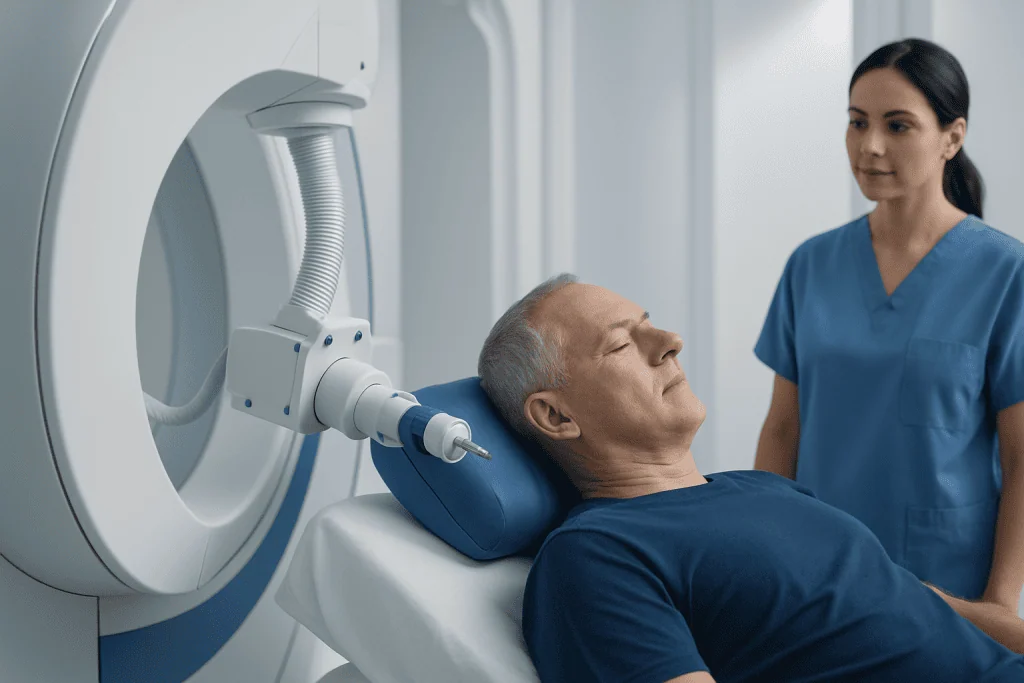
PSMA is present on many prostate cancer cells, particularly in advanced disease. Before Pluvicto is considered, patients generally have a PSMA PET scan. This scan uses a small amount of a different radioactive tracer to show whether the cancer deposits take up the tracer strongly enough. The result helps the team determine whether the cancer is likely to be targetable with PSMA-directed treatment.
After intravenous administration, Pluvicto travels through the bloodstream and binds to PSMA-bearing cells. The radiation from lutetium-177 travels a relatively short distance in tissue. This local effect is designed to limit exposure beyond the target area, although radiation can still affect nearby cells and organs that naturally take up the medicine, including salivary glands, kidneys and bone marrow.
The goal is generally to control disease rather than promise a cure. In appropriate candidates, treatment may shrink or stabilize some cancer sites, lower PSA levels, delay progression and improve cancer-related symptoms. Response varies considerably, so an individual outcome cannot be predicted from imaging or PSA alone before treatment starts.
Who May Be a Candidate for Pluvicto?

Pluvicto is intended for adults with PSMA-positive metastatic castration-resistant prostate cancer who meet the criteria established by their treating cancer team and local regulatory guidance. Patients usually continue androgen-deprivation therapy during treatment because maintaining low testosterone remains an important part of managing castration-resistant prostate cancer.
Candidacy is assessed by a multidisciplinary team that may include medical oncologists, nuclear medicine physicians, radiation oncologists, urologists, radiologists and specialist nurses. The team reviews PSMA PET imaging, prior systemic treatments, the location and pace of cancer spread, symptoms, daily functioning and laboratory results. Bone marrow reserve is especially important because advanced prostate cancer and some prior treatments can both affect blood-cell production.
Pluvicto may not be suitable when PSMA expression is insufficient on imaging, blood counts are too low, organ function is significantly impaired, or a person’s general condition makes treatment unsafe. The care team may discuss other options, including prostate cancer treatment, such as hormone-based therapy, chemotherapy, supportive care or other locally appropriate therapies, depending on the individual situation.
What Happens During Pluvicto Treatment?
Before each cycle, the team usually reviews symptoms, medications and recent test results. Blood tests commonly check red blood cells, white blood cells, platelets, kidney function and liver function. Patients should tell the team about fever, infection symptoms, unusual bleeding, worsening tiredness, new pain or any change in general health before attending treatment.
Pluvicto is administered through an intravenous line in a nuclear medicine setting. The infusion itself is usually brief, but the appointment can take longer because of preparation, checks and post-treatment instructions. The exact number and timing of cycles are determined by the treating team and may be adjusted if side effects, test results or disease changes make this necessary.
After treatment, the body gradually eliminates the radioactive medicine mainly through urine. Patients receive practical, individualized guidance on hydration, toilet hygiene, handwashing, laundering and close contact with others for a short period. These instructions protect household members, especially pregnant people and children, and should be followed exactly because requirements can differ by facility and country.
For international patients, Acibadem International’s multidisciplinary specialists and JCI-accredited hospitals can coordinate assessment, nuclear medicine treatment and oncology follow-up for eligible patients.
Recovery Timeline, Benefits and Possible Risks
Many people return home on the day of treatment. Mild fatigue can occur in the first days after an infusion, and some people notice dry mouth, altered taste, nausea or reduced appetite. The recovery experience differs from person to person and may also reflect the cancer itself, other ongoing treatments and existing health conditions.
Blood counts can decline during or after therapy. This may lead to anemia-related tiredness, a higher risk of infection when white blood cells are low, or easier bruising and bleeding when platelets are low. Regular laboratory monitoring allows the team to identify these changes and decide whether a treatment cycle should proceed, be delayed or require supportive care.
Dry mouth is a common effect because salivary glands can take up PSMA-targeting medicines. Kidney effects are also monitored through blood tests and clinical review. Less commonly, serious bone marrow suppression may occur. The oncology team will explain the potential benefits and risks in the context of the patient’s disease, prior treatments and laboratory results.
- Contact the treatment team promptly for fever, chills or signs of infection.
- Report unusual bruising, bleeding, black stools, severe weakness or shortness of breath.
- Seek advice for persistent vomiting, inability to drink fluids, markedly reduced urination or severe new pain.
How Do You Know if Pluvicto Is Working?
Pluvicto response is evaluated over time, not by one immediate symptom or one test result. The care team combines several sources of information: PSA blood tests, symptoms such as pain or energy level, physical examination, blood counts and follow-up imaging. Each measure provides part of the picture.
A falling PSA may suggest that treatment is affecting the cancer, but PSA can fluctuate and does not always match what scans or symptoms show. Conversely, a PSA value that does not fall quickly does not automatically mean treatment has failed. The treating oncologist interprets trends in the context of when each cycle was given and whether there is evidence of progression elsewhere.
Imaging may be performed after a planned number of cycles or earlier if there are concerning symptoms. A scan can show whether known cancer sites have reduced, remained stable or progressed. People should not stop treatment, change medicines or draw conclusions from a single PSA result without discussing it with their cancer team.
What Is the Success Rate of Pluvicto?
There is no single success rate that applies to everyone receiving Pluvicto. In clinical studies of appropriately selected patients with previously treated PSMA-positive metastatic castration-resistant prostate cancer, Pluvicto improved outcomes such as the time before cancer progression and overall survival compared with standard care alone. Some participants had meaningful PSA reductions and symptom improvement, while others had limited or no response.
Whether treatment is considered successful depends on the person’s goals and clinical situation. Success may mean slowed cancer growth, less pain, improved day-to-day function, a reduction in PSA, stable scans or more time before another treatment is needed. It does not necessarily mean that all cancer disappears.
Doctors use factors such as PSMA PET findings, extent of disease, bone marrow function, prior treatments and overall fitness to estimate likely benefit. These factors can guide decision-making but cannot provide a precise individual prediction. Patients are encouraged to ask their team what treatment response would look like in their own care plan.
What Are the Signs That Radiation Is Working, and How Long Can Pluvicto Extend Life?
For Pluvicto, possible signs of benefit can include less cancer-related pain, reduced need for pain medicine, improved appetite or energy, a downward PSA trend and stable or improved findings on imaging. However, treatment-related fatigue may occur even when the cancer is responding. Because symptoms can have many causes, the team uses formal testing and scans rather than symptoms alone to judge benefit.
How long Pluvicto can extend life varies between individuals. In a major clinical trial involving selected patients with advanced PSMA-positive metastatic castration-resistant prostate cancer who had received prior treatments, adding lutetium-177 PSMA therapy to standard care improved median overall survival by several months compared with standard care alone. A median is a midpoint from a study group, not a forecast for any one person; some people live longer and others shorter than the median.
Continued follow-up helps the team balance potential benefit with safety. If cancer progresses, side effects become substantial or blood tests raise concern, the plan may change. Supportive and palliative care can be provided alongside cancer treatment to help manage pain, fatigue, nutrition, emotional wellbeing and other symptoms at every stage.
When to Seek Medical Care
People receiving Pluvicto should contact their oncology or nuclear medicine team promptly if they develop a temperature or feel feverish, have chills, worsening cough, burning when passing urine, or any other possible sign of infection. Low white blood cell levels can make infections more serious, and early medical advice is important.
Urgent assessment is also needed for unexpected bleeding, widespread bruising, blood in urine or stools, severe breathlessness, chest pain, fainting, confusion, severe dehydration or rapidly worsening weakness. New severe back pain, leg weakness or loss of bladder or bowel control requires emergency medical attention because advanced prostate cancer can sometimes affect the spine.
Routine questions about fatigue, dry mouth, nausea, diet, medications or radiation precautions should be discussed with the treating team before the next cycle. Patients should keep all scheduled blood tests and scan appointments, as these are central to safe treatment and accurate assessment of response.
Frequently asked questions
Is Pluvicto the same as external radiation therapy?
No. External radiation therapy directs radiation from a machine outside the body toward a planned treatment area. Pluvicto is a radioactive medicine given into a vein that targets PSMA-positive prostate cancer cells throughout the body.
How long does a Pluvicto appointment take?
The infusion is usually relatively short, but the full visit includes preparation, safety checks and post-treatment guidance. The exact length varies by treatment center and whether additional blood tests or clinical reviews are needed that day.
Does Pluvicto make a person radioactive?
For a short time after treatment, small amounts of radioactivity leave the body, mainly in urine. The treatment center provides specific hygiene and contact precautions to reduce exposure to other people.
Can PSA rise after Pluvicto treatment?
PSA results can vary during treatment and should be interpreted as a trend rather than a single number. A rise may suggest progression in some circumstances, but the oncology team considers scan results, symptoms and treatment timing before deciding what it means.
What side effects should be reported immediately?
Fever, chills, unusual bleeding or bruising, severe weakness, shortness of breath, persistent vomiting, reduced urination and severe new pain should be reported promptly. These symptoms may need urgent assessment, particularly if blood counts are low.
Can Pluvicto be used before chemotherapy?
Eligibility depends on local approval, clinical evidence and the individual’s previous treatments and health status. A medical oncologist and nuclear medicine team can explain whether Pluvicto is appropriate at a particular point in the treatment pathway.
References
- U.S. Food and Drug Administration
- National Cancer Institute
- European Association of Urology
- American Cancer Society
- Society of Nuclear Medicine and Molecular Imaging
This article is for general information only and is not a substitute for professional medical advice. Please consult a qualified doctor about your individual situation.
Oncology care in Turkey — second opinion and treatment plan
JCI-accredited · board-certified surgeons · reply within 24h
Add us as a Preferred Source to see more of our trusted health content across Google Search, AI Overviews and Discover.