

Decadron with Chemotherapy: How It Works, Results and What to Expect

Decadron is the brand name for dexamethasone, a corticosteroid used for several supportive and cancer-treatment purposes. It is often included in anti-nausea plans and may be given orally or through a vein around chemotherapy sessions.
Key Takeaways
- Decadron is the brand name for dexamethasone, a corticosteroid used for several supportive and cancer-treatment purposes.
- It is often included in anti-nausea plans and may be given orally or through a vein around chemotherapy sessions.
- The appropriate dose and duration depend on the chemotherapy regimen, cancer type, other medicines, and individual health factors.
- Short courses are often well tolerated, but dexamethasone can affect sleep, mood, blood sugar, appetite, stomach comfort, and infection risk.
- Patients should not stop dexamethasone suddenly unless their oncology team advises it, particularly after longer-term use.
Decadron with chemotherapy refers to dexamethasone, a corticosteroid commonly given before, during, or shortly after cancer treatment. It can help prevent delayed nausea and vomiting, reduce allergic-type infusion reactions and inflammation, and support treatment of certain cancers or cancer-related symptoms.
Overview: Decadron With Chemotherapy
Decadron with chemotherapy means using dexamethasone, a steroid medicine, as part of a person’s cancer care plan. It does not replace chemotherapy. Instead, it is often used to make treatment more tolerable by helping prevent nausea and vomiting, reducing inflammation, and lowering the chance of certain infusion-related reactions.
Dexamethasone may also be prescribed because it has direct usefulness in some blood cancers and can reduce swelling caused by tumors in particular situations. The exact reason it is used, how it is given, and how long it is continued vary widely. The oncology team tailors the plan to the treatment regimen, medical history, and symptoms.
For many people, dexamethasone is taken as tablets at home for a short period around chemotherapy. Others receive it intravenously at the infusion center. Patients should follow the written schedule carefully and ask the oncology pharmacist or nurse if any instructions are unclear.
What does decadron do during chemo?
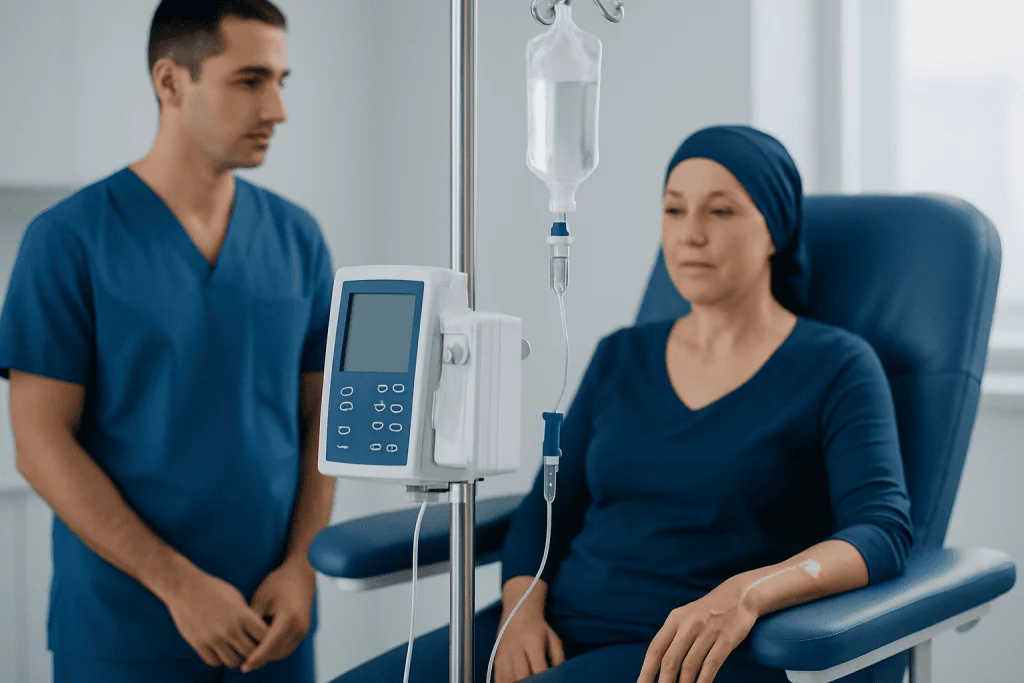
During chemotherapy, Decadron can serve several roles. One of its most common roles is as part of a combination anti-sickness regimen. It can strengthen the effect of other anti-nausea medicines and is especially helpful for preventing nausea that may occur later on the day of treatment or in the days that follow.
It may also reduce inflammation and help prevent or treat hypersensitivity reactions associated with certain chemotherapy drugs or supportive medicines. In selected clinical circumstances, dexamethasone can improve symptoms related to tumor-associated swelling, such as pressure from swelling around the brain or spinal cord. These uses require close medical assessment because symptoms and treatment needs differ between patients.
Some chemotherapy protocols include dexamethasone as an active part of cancer treatment, particularly for certain hematological cancers. In those settings, it may help destroy or slow the growth of malignant cells while also influencing immune and inflammatory pathways. Its role should always be explained in the context of the individual treatment plan.
Why do people with cancer take dexamethasone?

People with cancer may take dexamethasone for supportive care, cancer-directed therapy, or both. Supportive uses include prevention of chemotherapy-related nausea and vomiting, appetite support in selected circumstances, reduction of pain or inflammation, and management of reactions to some medicines. It can also be used to reduce swelling that contributes to symptoms.
For some cancers, especially certain lymphomas, leukemias, and multiple myeloma, dexamethasone may be one component of the treatment regimen itself. Steroids can affect lymphoid cells and may work alongside other anti-cancer medicines. The benefits and risks are considered together, since steroids can also affect blood glucose, bone health, mood, and resistance to infection.
Not every person receiving chemotherapy needs dexamethasone, and not all chemotherapy regimens use it in the same way. The team considers the likelihood of nausea, the type of infusion, previous reactions, diabetes or other medical conditions, and any past difficulty tolerating steroids.
Candidacy and planning before treatment
An oncologist may recommend dexamethasone when the planned chemotherapy has a meaningful risk of nausea or vomiting, when premedication is needed before a specific infusion, or when there is another clear cancer-related reason to use a steroid. The medicine may be given once, over several days, or for longer periods depending on its purpose.
Before prescribing it, the care team reviews current medicines and health conditions. Diabetes, stomach ulcers, glaucoma, high blood pressure, osteoporosis, previous blood clots, mental health conditions, and active or recent infections are important to discuss. Dexamethasone can interact with some medicines, including certain anticoagulants, seizure medicines, and medications that affect blood sugar.
Patients should tell the team about fever, cough, painful urination, mouth sores, black stools, severe heartburn, new visual symptoms, or exposure to contagious illnesses. They should also ask before receiving live vaccines. These precautions do not always prevent dexamethasone use, but they help clinicians select and monitor treatment safely.
What to expect: a step-by-step chemotherapy schedule
Before chemotherapy, a nurse or clinician confirms the treatment plan, recent symptoms, and relevant blood test results. If dexamethasone is being used as premedication, it may be administered through an intravenous line at the treatment center or taken by mouth at a scheduled time before arrival. It is commonly paired with other anti-nausea medicines.
During treatment, the team monitors for infusion reactions and other immediate concerns. For some regimens, dexamethasone is given only on the infusion day. For others, the patient receives a prescription for tablets to take on one or more days afterward, often to help prevent delayed nausea.
After treatment, patients should use the medicine exactly as directed and record any significant side effects. Taking oral doses with food may lessen stomach upset. Dexamethasone can cause alertness or insomnia, so the team may advise taking it earlier in the day when appropriate. A patient should not change the dose, skip multiple doses, or use leftover tablets from an earlier cycle without checking with the oncology team.
- Confirm whether the dose is for nausea prevention, infusion premedication, cancer treatment, or symptom control.
- Ask which days to take tablets and whether a missed dose should be taken later.
- Check whether blood sugar monitoring is needed, particularly for people with diabetes.
- Keep the oncology contact number available in case new or concerning symptoms develop.
How long can a cancer patient take dexamethasone?
How long a cancer patient can take dexamethasone depends on why it is prescribed. For chemotherapy-related nausea, use is often brief, such as a dose before treatment and sometimes a short course afterward. For certain cancers or complications such as significant swelling, treatment may be longer and requires regular medical review.
Longer use can be appropriate when its expected benefits outweigh its risks, but monitoring becomes more important over time. Clinicians may check blood pressure, blood sugar, weight, muscle strength, bone health, eye symptoms, infection risk, and changes in mood or sleep. The goal is generally to use the lowest effective dose for the shortest suitable period, while still providing needed benefit.
After extended treatment or higher doses, dexamethasone may need to be reduced gradually rather than stopped at once. This taper allows the body’s natural steroid system time to recover. Only the prescribing clinician should provide instructions for reducing or stopping the medicine.
Benefits, side effects, and why do I feel so good on dexamethasone?
Potential benefits of dexamethasone include better control of nausea, fewer vomiting episodes, reduced inflammation, improved appetite in selected situations, and relief from symptoms caused by swelling. When it is part of a cancer-treatment regimen, it may also contribute directly to the overall anti-cancer effect. These benefits can make chemotherapy days and the period afterward easier for some patients.
Some people feel unusually energetic, more comfortable, or temporarily more upbeat while taking dexamethasone. This may reflect reduced nausea, pain, or inflammation, as well as the medicine’s direct effects on sleep, energy, and mood. Feeling better can be welcome, but unusually high energy, agitation, racing thoughts, irritability, anxiety, or inability to sleep should be reported to the care team.
Common short-term effects can include increased appetite, indigestion, trouble sleeping, fluid retention, facial flushing, mood changes, and higher blood sugar. Less common but important concerns include serious infection, stomach bleeding, severe mood or behavior changes, muscle weakness, vision changes, and allergic reactions. Risks are influenced by dose, duration, other medicines, and individual health conditions.
Patients should never feel they need to tolerate disruptive side effects alone. The oncology team can often adjust the timing, supportive medicines, monitoring plan, or steroid schedule when medically appropriate.
Recovery, self-care, and when to seek medical care
After a short dexamethasone course, many effects improve within days after the last dose. Sleep and appetite can take a little longer to settle for some people. Staying hydrated, choosing regular balanced meals, limiting caffeine later in the day, and following the prescribed anti-nausea plan may help during the days around chemotherapy.
People with diabetes should follow the team’s instructions for checking blood glucose, as steroid-related elevations may occur even in people whose usual control is good. Patients should also inform all healthcare professionals involved in their care that they are receiving chemotherapy and dexamethasone.
Urgent medical advice is needed for fever or other signs of infection, severe or persistent vomiting, black or bloody stools, severe abdominal pain, shortness of breath, swelling of the face or throat, confusion, extreme mood changes, or new severe headache or visual changes. The oncology team should also be contacted promptly if a patient cannot take prescribed medicines or is unsure whether to take a missed dose.
At Acibadem International, multidisciplinary oncology specialists in JCI-accredited hospitals support international patients with individualized chemotherapy planning, symptom management, and follow-up care.
Frequently asked questions
Is Decadron chemotherapy?
Decadron, or dexamethasone, is not a traditional chemotherapy drug. It is a corticosteroid that may be used to prevent treatment side effects, reduce inflammation, or as part of treatment for certain cancers, particularly some blood cancers. Its role depends on the individual cancer regimen.
Should dexamethasone be taken with food during chemotherapy?
Oral dexamethasone is often taken with food or milk to reduce stomach irritation, unless the oncology team gives different instructions. Patients should follow the specific schedule provided for their chemotherapy regimen. They should ask their pharmacist or nurse if they are uncertain about timing.
Can dexamethasone raise blood sugar?
Yes. Dexamethasone can raise blood glucose, including in people without known diabetes, and the effect may be more noticeable around chemotherapy treatment days. People with diabetes may need an individualized monitoring and medication plan from their cancer and diabetes care teams.
Can Decadron cause insomnia or mood changes?
Yes. Difficulty sleeping, increased energy, irritability, anxiety, and mood changes can occur, particularly at higher doses or when taken later in the day. Significant agitation, depression, confusion, or unusually elevated mood should be reported promptly to the oncology team.
Can a patient stop dexamethasone once nausea improves?
A patient should not stop or change dexamethasone without guidance from the prescribing team. Some short anti-nausea schedules can be completed as written, while longer courses may need gradual dose reduction. Stopping suddenly after prolonged use can be unsafe.
Does everyone receiving chemotherapy need dexamethasone?
No. The need for dexamethasone depends on the chemotherapy medicines used, the risk of nausea or infusion reactions, and the patient’s medical history. Oncology teams select supportive medicines individually and may use alternatives when steroids are unsuitable.
References
- National Cancer Institute
- American Cancer Society
- American Society of Clinical Oncology
- National Health Service
- MedlinePlus
This article is for general information only and is not a substitute for professional medical advice. Please consult a qualified doctor about your individual situation.
Chemotherapy in Turkey — costs, top hospitals & a free quote
JCI-accredited · board-certified surgeons · reply within 24h
Add us as a Preferred Source to see more of our trusted health content across Google Search, AI Overviews and Discover.
Check your numbers in seconds
BMI, calories, due date, blood pressure and 30+ more clinical calculators — free, instant, doctor-reviewed ranges.

Medical Oncology Department
Medical treatment of cancer with chemotherapy, immunotherapy and targeted therapies under a multidisciplinary tumor board.
60 specialists in this unitMore from the Health Library



Related Specialists

Prof. Dr. Seyit Ali Gümüştaş
Orthopedic Surgery & Traumatology
Dr. Evren Baca
Ophthalmology
Dr. Gülşen Küçükdemirbaş
Physical Medicine & Rehabilitation
Dr. Mehmet Tayfun Osmanağaoğlu
Gynecology & Obstetrics