Cast Surgery: Procedure, Recovery and Results

A cast is a protective rigid support used to limit movement while a bone or surgical area heals. The length of time in a cast depends on the injury, the bone involved, age, healing progress and any surgery performed.
Key Takeaways
- A cast is a protective rigid support used to limit movement while a bone or surgical area heals.
- The length of time in a cast depends on the injury, the bone involved, age, healing progress and any surgery performed.
- Keeping a cast dry, avoiding objects inside it and reporting worsening pain or circulation changes can help prevent complications.
- Stiffness, dry skin and temporary weakness are common after cast removal and usually improve with gradual movement and rehabilitation.
- Urgent medical assessment is needed for severe pain, numbness, blue or pale fingers or toes, or a cast that becomes too tight or damaged.
Cast surgery commonly refers to the clinical process of applying a cast after a fracture, injury or operation. A cast holds the affected body part still while bone and surrounding tissues heal, with follow-up care helping clinicians check alignment, comfort and recovery.
Overview: What Is Cast Surgery?
Cast surgery is a common term used for the application of a cast following a fracture, significant soft-tissue injury or an operation involving a bone, joint, tendon or ligament. The cast is not usually an operation itself. Rather, it is a treatment step that protects the repaired or injured area by reducing motion while healing takes place.
Casts may be made from plaster or fiberglass and are shaped around the body part after soft padding is applied. They may be used on an arm, wrist, hand, leg, ankle or foot. In some situations, a splint is used first because swelling is expected; a more complete cast may be fitted later when swelling has settled.
The goal is to support correct alignment, lessen pain caused by movement and allow injured structures to heal safely. The exact plan for cast care and removal after surgery is individualized by an orthopedic clinician according to examination findings and, when needed, imaging.
How Cast Treatment Works and Who May Need It
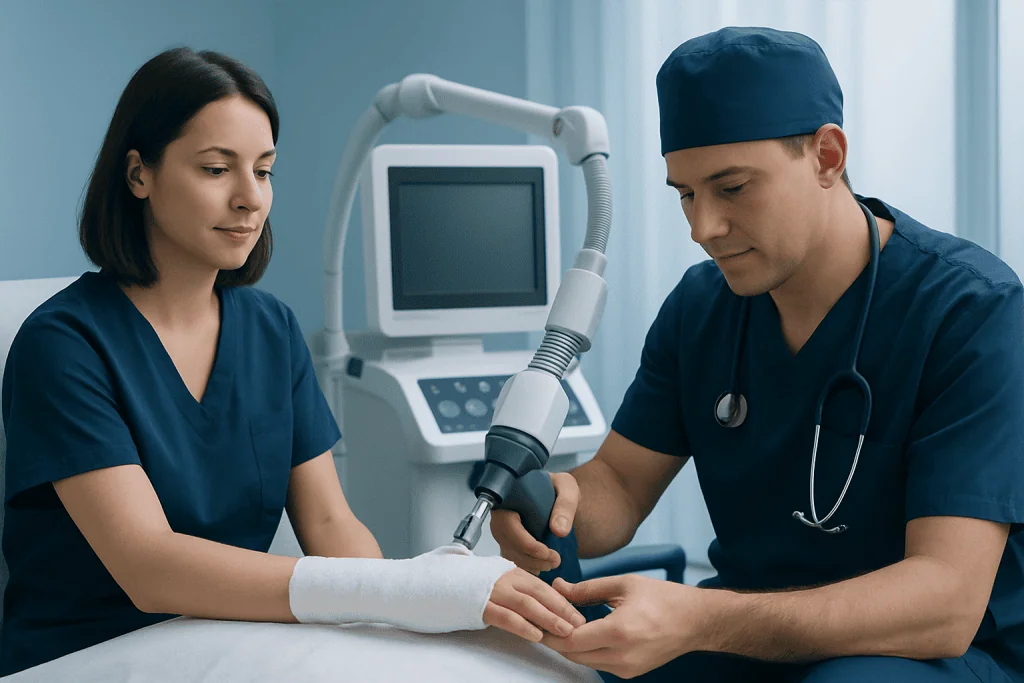
A cast works by immobilizing an injured area. For a broken bone, limiting movement helps the bone ends remain in a suitable position while new bone forms. Following surgery, immobilization can protect surgical repairs and reduce strain on nearby tissues during the early recovery period.
People may need a cast after a fracture that can be managed without surgery, after a bone has been realigned, or after orthopedic surgery. Casts can also be used for selected ligament, tendon and joint injuries. Whether casting is appropriate depends on the location and stability of the injury, swelling, skin condition, circulation, activity needs and the person’s overall health.
Not every fracture requires a full cast. Some injuries are treated with a removable brace, walking boot, sling or splint, while others require surgery and internal fixation. An orthopedic assessment determines the most appropriate approach for the individual injury and healing goals.
The Cast Application Procedure: Step by Step

Before a cast is applied, the clinician examines the injury and checks circulation, sensation and movement below the affected area. X-rays or other imaging may be used to confirm the diagnosis and verify bone position. If a fracture needs realignment, this may be done before casting, with pain control or anesthesia when appropriate.
During the procedure, a soft stockinette and padding are placed against the skin to reduce pressure and protect bony areas. Wet plaster bandages or fiberglass casting material are then wrapped in layers and molded gently. The clinician shapes the cast to provide support while leaving the fingers or toes visible for circulation checks.
Plaster takes longer to fully harden and needs careful protection while it dries. Fiberglass generally becomes firm sooner and is lighter, although it should still be kept dry unless the care team specifically provides a waterproof system. A follow-up appointment is often arranged to check fit, symptoms and healing progress.
A clinical cast removal procedure note typically records the reason for removal, the condition of the skin, the patient’s symptoms and the next recovery plan. Removal is performed with a specialized oscillating cast saw that vibrates through the cast material rather than cutting the skin; spreaders and shears are then used to open the cast safely.
Benefits, Limitations and Risks of Cast Surgery
The main benefit of cast treatment is dependable immobilization. It can support bone healing, protect a surgical repair and help reduce pain from movement. For some stable injuries, casting can avoid or complement an operation and allows healing to be monitored over time.
However, a cast does not guarantee healing on its own. Follow-up reviews are important because a fracture can occasionally shift, swelling can change the fit, or healing may take longer than expected. The care team may repeat imaging and adjust the treatment plan if recovery is not progressing as anticipated.
Possible cast-related complications include skin irritation, pressure sores, itching, stiffness, muscle weakness and reduced joint motion. A cast that becomes too tight can affect blood flow or nerve function. Less commonly, infection, blood clots or delayed bone healing may occur depending on the injury and a person’s health factors.
- Do not insert pens, rulers or other objects inside the cast to scratch an itch.
- Do not trim, break or alter the cast at home.
- Keep weight off a non-weight-bearing cast unless the clinician says otherwise.
- Contact the care team if the cast cracks, softens, becomes wet or has a persistent unpleasant odor.
How Long Does It Take to Recover From a Cast?
Cast recovery time varies widely. The cast may be worn for a few weeks or longer, depending on the type of fracture or surgery, the body part involved and evidence of healing on examination or imaging. The recovery period continues after the cast is removed because joints, muscles and skin need time to readjust.
Many people notice stiffness and weakness immediately after removal. Gentle movement may begin under medical guidance, and some people benefit from physiotherapy or occupational therapy to restore flexibility, strength, balance and everyday function. Return to sport, heavy work or impact activities should wait until a clinician confirms that healing is sufficient.
For a cast recovery fracture plan, it is important to attend follow-up visits even if pain improves. Pain can settle before the bone is strong enough for unrestricted activity. A clinician can advise when it is safe to progress weight-bearing, driving, exercise and work tasks.
Is 3 Weeks in a Cast Enough?
Three weeks in a cast may be enough for certain minor injuries or for a planned early phase of protection, but it is not enough for every fracture or surgical recovery. Healing time differs according to the bone, injury pattern, blood supply, age, smoking status, nutrition, medical conditions and whether the bone was surgically stabilized.
Only the treating clinician can determine whether a cast can safely be removed. This decision is based on symptoms, examination findings and sometimes repeat X-rays. Removing a cast too early can allow an injury to move before it has healed adequately, while prolonged immobilization can contribute to avoidable stiffness and muscle loss.
If a person has questions about the proposed duration, they should ask what signs of healing are being assessed and what activities remain restricted after removal. Clear instructions are especially important when cast removal after surgery is being considered.
What Are Some Common Issues After a Cast Is Removed?
After cast removal, the skin may look dry, flaky, pale or scaly, and the limb may appear smaller because muscles have not been used normally. Mild swelling, tenderness, stiffness and reduced range of motion are also common. These changes are usually temporary and improve as normal movement gradually returns.
The skin should be washed gently with warm water and mild soap, then moisturized if needed. Scrubbing, shaving or forcefully peeling the skin should be avoided at first because it can be sensitive. The limb should be reintroduced to activity gradually according to the clinician’s advice.
Some people require supervised rehabilitation, especially after a complex fracture, surgery, prolonged casting or injury near a joint. Physical therapy may help restore movement and strength safely. Increasing pain, persistent swelling, fever, drainage, new numbness or inability to use the limb should be assessed by a healthcare professional.
What Are the Common Problems With Casts and When to Seek Medical Care?
Common problems with casts include itching, rubbing, minor odor, cracking, loosening and discomfort as swelling changes. These concerns should be discussed with the care team, particularly if the cast is wet, damaged, painful or no longer fits properly. A loose cast may not provide enough protection, while a tight cast can create pressure problems.
Medical care should be sought urgently for severe or increasing pain that is not relieved by prescribed measures, burning or intense pressure under the cast, numbness or tingling, inability to move fingers or toes, or fingers or toes that become cold, blue, very pale or unusually swollen. Prompt assessment is also important for fever, foul-smelling drainage, a wet cast that cannot be dried appropriately, or concern that an injury has been reinjured.
For planned cast treatment, orthopedic teams coordinate assessment, imaging, immobilization and rehabilitation when needed. Acibadem International’s multidisciplinary specialists and JCI-accredited hospitals provide orthopedic evaluation and follow-up care for international patients.
Frequently asked questions
Is cast surgery painful?
Applying a cast is usually not painful, although the underlying injury may be sore. If a bone needs to be realigned before the cast is fitted, the clinical team uses appropriate pain relief or anesthesia when needed. A newly applied cast should feel supportive, not increasingly tight or severely painful.
Can a person walk on a leg cast?
This depends on the injury and the type of cast. Some casts are designed for limited or full weight-bearing, while others must not be walked on at all. A person should follow the orthopedic clinician’s instructions and use crutches, a walker or other support if advised.
Can a cast get wet?
Traditional plaster and fiberglass casts with standard padding should generally be kept dry. Water can weaken the cast and leave padding damp against the skin, which may cause irritation or skin problems. A clinician can explain whether a specific waterproof cast system is suitable.
Why does the limb look smaller after cast removal?
Muscles can lose size and strength when they are not used normally during immobilization. This is common and often improves gradually as the person resumes approved movement and rehabilitation. Recovery may take longer after a major injury or an extended period in a cast.
Does cast removal hurt?
Cast removal is usually not painful. The oscillating cast saw makes a loud sound and can feel warm or vibratory, but it is designed to cut the hard cast material rather than the skin. The area underneath may feel tender, stiff or sensitive after the cast comes off.
When can someone return to sports after a cast?
Return to sport should be guided by the treating clinician, not by the date of cast removal alone. The bone or repaired tissue must be sufficiently healed, and movement, strength and control should be appropriate for the activity. A gradual return plan may reduce the chance of reinjury.
References
- American Academy of Orthopaedic Surgeons
- OrthoInfo by the American Academy of Orthopaedic Surgeons
- National Health Service
- MedlinePlus, U.S. National Library of Medicine
This article is for general information only and is not a substitute for professional medical advice. Please consult a qualified doctor about your individual situation.
Joint and spine care in Turkey — expert assessment & treatment
JCI-accredited · board-certified surgeons · reply within 24h
Add us as a Preferred Source to see more of our trusted health content across Google Search, AI Overviews and Discover.