

What Is Good Treatment for a Stye: How It Works, Results and What to Expect

A stye is a tender eyelid lump caused by blockage and inflammation of an eyelid oil gland, often with bacterial involvement. Warm, clean compresses are the main first-line treatment because they encourage natural drainage.
Key Takeaways
- A stye is a tender eyelid lump caused by blockage and inflammation of an eyelid oil gland, often with bacterial involvement.
- Warm, clean compresses are the main first-line treatment because they encourage natural drainage.
- Styes should not be squeezed, popped, or treated with irritating home substances.
- Antibiotics are not needed for every stye but may be used when infection spreads or a clinician identifies another eyelid condition.
- Urgent assessment is important for vision changes, severe swelling, fever, pain with eye movement, or redness spreading beyond the eyelid.
What is good treatment for a stye? Most styes improve with warm compresses applied several times daily, gentle eyelid hygiene, and avoiding squeezing or eye makeup until the eyelid heals. A clinician may recommend additional treatment or drainage when a stye is large, persistent, recurrent, or affecting vision.
Overview: What Is Good Treatment for a Stye?
A stye, also called a hordeolum, is a small, painful red bump that develops along the eyelid edge or inside the eyelid. Good treatment for a stye usually starts with a warm compress and careful eyelid hygiene. This helps soften blocked oils and allows the bump to drain naturally over time.
Most uncomplicated styes settle without a procedure. The affected person should use a clean warm cloth over the closed eye for about 10 to 15 minutes, several times a day, then gently clean the eyelid margin. It is important not to squeeze, puncture, or attempt to pop the lump, as this can worsen irritation or spread infection.
A stye can resemble other eyelid lumps, including a chalazion. A chalazion is usually less painful and may persist after the initial inflammation has resolved. An eye specialist can distinguish between these conditions and recommend appropriate care, including assessment for a chalazion when a lump does not improve as expected.
How a Stye Treatment Works
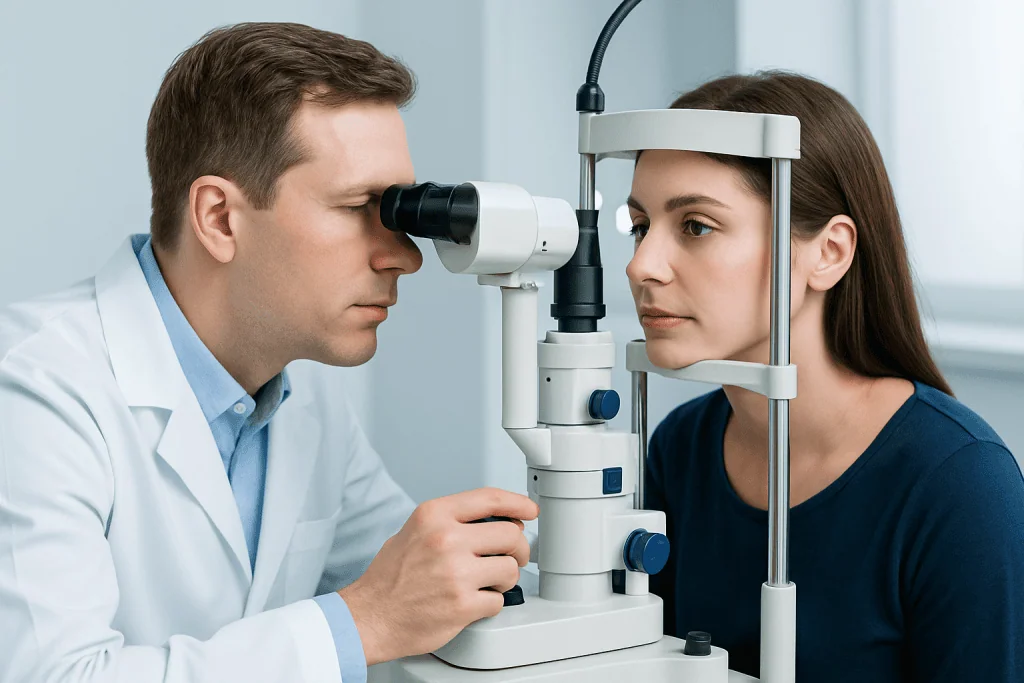
Warm compress treatment works by increasing circulation in the eyelid and loosening thickened oil within a blocked gland. A clean washcloth should be soaked in comfortably warm, not hot, water, wrung out, and placed over the closed eyelid. Rewarming the cloth as needed helps maintain gentle heat throughout the session.
After the compress, gentle massage may be appropriate for some people, but it should only involve light pressure toward the eyelash line and should never cause significant pain. Contact lens wear and eye makeup are best avoided until the stye has resolved, since they can irritate the lid and introduce additional bacteria.
When home measures are not sufficient, an ophthalmologist may assess whether prescription treatment is needed. Antibiotic ointment or drops may be considered if there is drainage, associated eyelid inflammation, or concern about a bacterial infection. Oral antibiotics are generally reserved for more extensive infection, such as cellulitis around the eye.
If a stye remains large or painful despite conservative care, a clinician may recommend professional stye treatment. This may include a minor drainage procedure, performed under local anesthetic when appropriate, to release trapped material safely.
Who May Need Medical or Procedural Treatment?

Many people are good candidates for self-care first, particularly when there is a small, localized, tender eyelid bump and no visual symptoms. Warm compresses and hygiene can be continued for several days while the person monitors whether pain, redness, and swelling are gradually improving.
Medical assessment is particularly useful for a stye that does not begin improving within about one to two weeks, keeps returning, grows larger, or leaves a firm lump behind. Recurrent styes can be associated with chronic eyelid-margin inflammation, known as blepharitis, as well as skin conditions such as rosacea or problems with the eyelid oil glands.
People with diabetes, reduced immune function, severe dry eye, or a history of repeated eyelid infections may benefit from earlier clinical advice. An ophthalmologist can also evaluate persistent eyelid lumps to ensure that another condition is not being mistaken for a routine stye.
Step by Step: What to Expect From Stye Drainage
Drainage is not routinely needed, but it can be helpful for a stye that is persistent, sizeable, or not responding to conservative measures. Before any procedure, the eye specialist examines the eyelid and eye surface, reviews symptoms, and confirms that drainage is suitable. The procedure is generally done as an outpatient treatment.
The eyelid is numbed with local anesthetic. The specialist makes a small opening, often from the inner surface of the eyelid when possible, and removes or releases the blocked material. The area is then cleaned, and the person receives clear aftercare instructions.
Following drainage, temporary tenderness, mild swelling, and slight bruising can occur. The clinician may advise continuing warm compresses and may prescribe an ointment in selected cases. Follow-up is arranged when needed, especially if symptoms persist, recur, or the diagnosis remains uncertain.
Recovery Timeline, Benefits, and Possible Risks
With consistent warm compresses, many styes begin to feel less painful within a few days and improve over one to two weeks. A small residual lump can remain longer, particularly if the stye develops into a chalazion. Recovery varies with the location, size, and degree of inflammation.
The key benefit of conservative care is that it is simple, noninvasive, and often effective. A drainage procedure may provide faster relief for selected persistent styes by removing material that is not draining on its own. It also allows the clinician to inspect the eyelid more closely.
Possible risks of self-treatment mainly arise from using excessive heat, rubbing the eye, or trying to squeeze the stye. Risks after a procedure are uncommon but may include bleeding, bruising, infection, scarring, or recurrence. A person should follow the eye specialist’s instructions and contact the clinic if pain, redness, or swelling increases rather than improves.
What Gets Rid of a Stye the Fastest?
The fastest safe approach is usually frequent warm compresses combined with leaving the stye alone. A clean, comfortably warm compress used for 10 to 15 minutes several times each day supports natural drainage while reducing discomfort. There is no safe shortcut that involves popping, cutting, or squeezing the bump at home.
If symptoms are substantial or the stye is not improving, an eye clinician can determine whether medication or drainage could shorten the course. Antibiotics do not make every stye disappear faster because many styes resolve mainly through drainage of the blocked gland rather than through antibiotic treatment alone.
People should stop using contact lenses and eye makeup temporarily and replace any eye makeup that may have been contaminated. Maintaining gentle daily lid hygiene can help reduce the chance of new styes in people who are prone to them.
What Is the Main Cause of Getting a Stye?
The main cause of a stye is blockage of a small oil gland or eyelash follicle in the eyelid. When oil and debris become trapped, inflammation develops; bacteria commonly found on the skin, especially Staphylococcus species, may contribute to infection. This produces the familiar tender, red, swollen bump.
Risk factors include touching the eyes with unwashed hands, not removing eye makeup thoroughly, using old or contaminated eye cosmetics, and wearing contact lenses without appropriate hygiene. Blepharitis, rosacea, oily skin, and recurring blockage of eyelid glands can also make styes more likely.
A stye is not usually a sign of poor hygiene or a serious eye disease. However, repeated episodes are a reason to discuss preventive eyelid care and possible underlying lid conditions with an eye professional.
What Should I Not Put on a Stye?
A person should not put toothpaste, essential oils, alcohol, hydrogen peroxide, skin creams, or other non-sterile home remedies on a stye. These substances may burn or irritate the eyelid and eye surface. It is also best not to use leftover prescription eye drops or ointments without medical advice.
Eye makeup, false eyelashes, and contact lenses should be avoided while the eyelid is inflamed. Makeup can worsen blockage and may carry bacteria, while contact lenses can increase irritation and should not be worn until the eye is comfortable and the stye has healed.
The stye should never be pierced with a needle, squeezed, or forcibly drained. If a lump needs drainage, this should be done by a qualified eye specialist using sterile equipment and appropriate anesthesia.
How Do You Know When Your Stye Is Getting Better?
A stye is usually getting better when pain and tenderness decrease first, followed by less redness and swelling. The bump may become smaller, soften, or release a small amount of drainage on its own. Vision should remain normal, and the eyelid should become progressively more comfortable.
Some people notice a painless, firm remnant after the acute tenderness improves. This can occur when the initial stye leaves behind a chalazion-like blockage. It is not usually an emergency, but an eye examination is sensible if the lump persists, enlarges, or repeatedly returns in the same place.
Symptoms that worsen after initially improving, spreading redness, increasing pain, or a new effect on vision warrant prompt medical advice. These features may indicate that the problem needs treatment beyond routine home care.
When to Seek Medical Care
Medical care should be sought promptly if there are vision changes, severe eye pain, fever, pain when moving the eye, marked swelling around the eye, or redness spreading into the cheek or surrounding facial skin. These symptoms are not typical of a simple stye and need timely professional assessment.
A non-urgent eye appointment is advisable for a stye that has not improved after one to two weeks of appropriate home care, recurs often, is very large, or continues to interfere with daily activities. Children, people with immune suppression, and those with significant medical conditions should seek advice sooner if symptoms are concerning.
Acibadem International’s multidisciplinary specialists and JCI-accredited hospitals can assess and treat eyelid conditions for international patients when specialist care is required. The appropriate approach depends on the eyelid examination, symptom pattern, and the person’s overall health.
Frequently asked questions
Can a stye go away on its own?
Yes. Most uncomplicated styes improve on their own with warm compresses and gentle eyelid hygiene. They commonly become less painful over several days and resolve within one to two weeks, although a small lump can sometimes remain longer.
How often should a warm compress be used for a stye?
A clean, comfortably warm compress can generally be used for 10 to 15 minutes several times a day. The cloth should be warm rather than hot to avoid burning the sensitive eyelid skin. Clean hands and a clean cloth are important.
Should a stye be popped?
No. Popping or squeezing a stye can injure the eyelid, spread infection, and delay healing. If drainage is needed, an ophthalmologist can perform it safely under sterile conditions.
Do antibiotics cure a stye?
Antibiotics are not necessary for every stye and do not replace warm compresses. A clinician may prescribe antibiotic treatment when there is drainage, significant eyelid inflammation, or concern that infection has spread. The choice depends on the examination findings.
Can I wear contact lenses with a stye?
It is best to avoid contact lenses until the stye has healed and the eye is comfortable. Lenses can increase irritation and may become contaminated. A person should follow their eye clinician's advice before resuming lens wear.
Why do I keep getting styes?
Repeated styes may be linked to blepharitis, rosacea, blocked eyelid oil glands, eye makeup practices, or contact lens hygiene. Regular lid hygiene may help, but frequent recurrences should be assessed by an eye professional to identify contributing factors.
References
- American Academy of Ophthalmology
- National Eye Institute
- Mayo Clinic
- Merck Manual Consumer Version
This article is for general information only and is not a substitute for professional medical advice. Please consult a qualified doctor about your individual situation.
Explore treatments in Turkey — costs, top hospitals & a free quote
JCI-accredited · board-certified surgeons · reply within 24h
Add us as a Preferred Source to see more of our trusted health content across Google Search, AI Overviews and Discover.

More from the Health Library



Related Specialists
Dr. Ertuğrul Yaltı
General Surgery
Dr. Sevim Buzkan Ertuğrul
Acibadem Life Clinical Service
Dr. Bengü Kasım
Physical Medicine & Rehabilitation
Prof. Dr. Cem Aygün
Gastroenterology