Urinary Diversion Surgery: Procedure, Recovery and Results

Urinary diversion surgery reroutes urine through a stoma, a catheterizable pouch or a reconstructed bladder. An ileal conduit, often called a urostomy, is the most common type of urinary diversion.
Key Takeaways
- Urinary diversion surgery reroutes urine through a stoma, a catheterizable pouch or a reconstructed bladder.
- An ileal conduit, often called a urostomy, is the most common type of urinary diversion.
- Recovery after major diversion surgery usually requires a hospital stay followed by several weeks of gradual healing at home.
- Stoma or catheter care is an important part of recovery and is taught by specialist nurses.
- Possible complications include infection, bowel problems, blood clots, urine leakage and longer-term metabolic or kidney concerns.
- Ongoing follow-up helps protect kidney health and address practical or emotional adjustment needs.
Urinary diversion surgery creates a new route for urine to leave the body when the bladder has been removed or can no longer store or drain urine safely. The type of diversion, recovery experience and long-term care needs depend on the reason for surgery, overall health and the reconstruction selected with the urology team.
Overview: What Is Urinary Diversion Surgery?
Urinary diversion surgery is an operation that creates a new way for urine to leave the body when the bladder cannot be used safely. It may be needed after bladder removal, called cystectomy, or when the bladder or urinary outlet has been seriously affected by cancer, injury, birth differences, severe urinary dysfunction or other conditions. The goal is to protect the kidneys, allow reliable urine drainage and support daily life.
During the operation, a surgeon uses part of the bowel to make a new pathway, reservoir or reconstructed bladder. Urine continues to travel from the kidneys through the ureters, but it is directed into the new urinary system rather than the original bladder. The surgery is individualized, and a person may have an external collection bag, empty an internal pouch with a catheter, or pass urine through the urethra after reconstruction.
Urinary diversion is often considered as part of treatment for bladder cancer, although it is not limited to cancer care. Decisions are made jointly by the patient and a multidisciplinary team, considering medical needs, kidney function, bowel health, mobility, hand function, preferences and plans for recovery.
How Urinary Diversion Works and Who May Be a Candidate
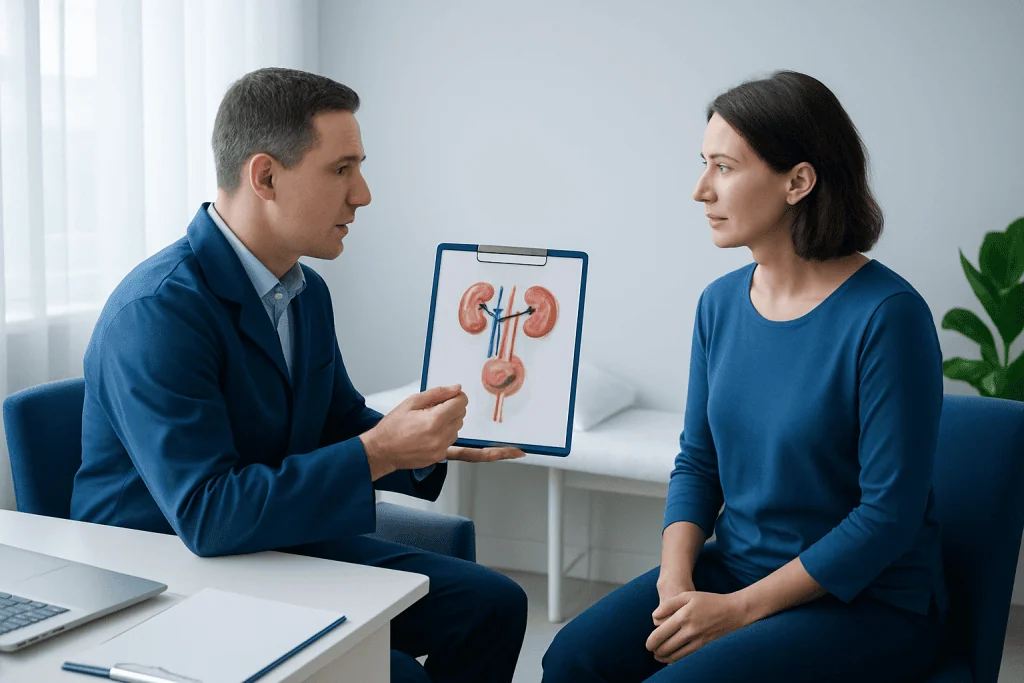
The main types of urinary diversion are incontinent and continent diversions. With an incontinent diversion, urine drains continuously through an opening on the abdomen called a stoma into a flat, discreet pouch attached to the skin. With a continent diversion, urine is stored internally and is emptied either by passing a small catheter through a stoma or by urinating through the urethra after a neobladder reconstruction.
An ileal conduit is the most common urinary diversion procedure. The surgeon uses a short segment of small intestine, connects the ureters to it and brings one end to the abdominal wall as a stoma. The bowel segment carries urine into an external bag. It is generally a reliable option and does not require a person to catheterize an internal pouch.
Suitable options vary. A continent pouch or neobladder may not be appropriate for everyone, particularly when kidney or liver function is substantially reduced, bowel disease is present, prior radiation has affected tissues, cancer involves the urethra, or regular self-catheterization would be difficult. A urologist reviews imaging, laboratory tests, previous operations and personal goals before recommending an approach.
- Ileal conduit: urine drains continuously into a stoma bag.
- Continent cutaneous reservoir: urine is stored internally and drained by catheter through a small stoma.
- Orthotopic neobladder: a bowel reservoir is connected to the urethra, allowing urine to be passed by a learned emptying technique.
How the Procedure Is Performed
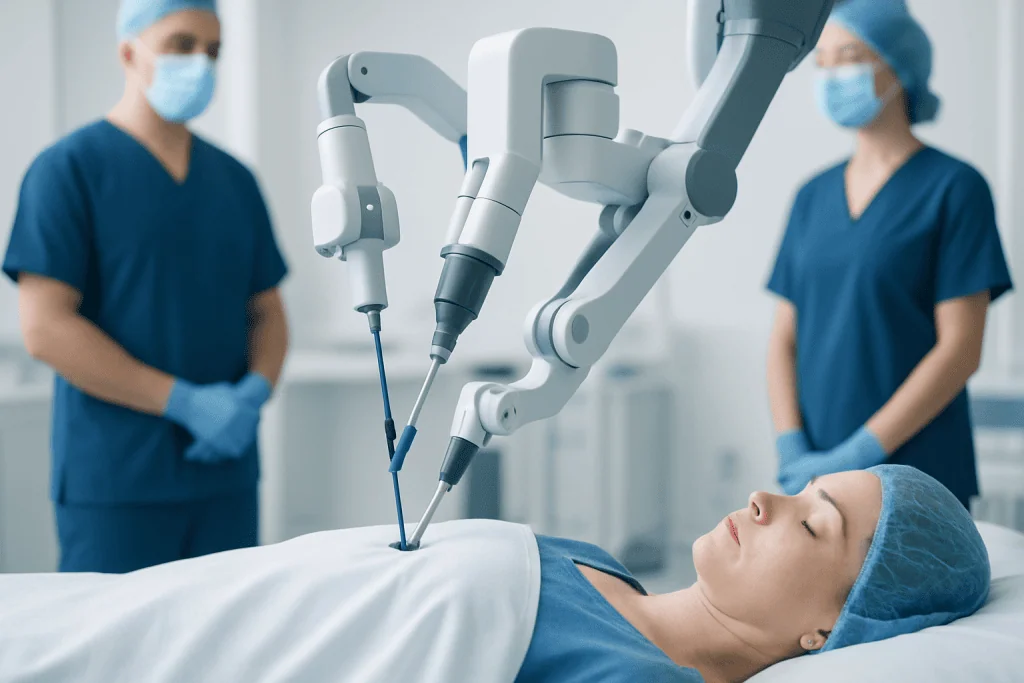
Urinary diversion surgery is performed under general anesthesia. It may be carried out through an open incision or, in selected cases, with minimally invasive or robot-assisted techniques. If the bladder needs to be removed, the diversion is usually built during the same operation. The exact length and complexity depend on the type of reconstruction, whether other organs or lymph nodes require treatment, and a person’s surgical history.
First, the surgeon separates a short piece of bowel while preserving normal bowel continuity. The ureters are then connected to the selected bowel segment or reservoir. For an ileal conduit, the conduit is brought through the abdominal wall to create a stoma. For a neobladder, the bowel is reshaped into a reservoir and connected to the urethra when this is medically appropriate.
Temporary tubes and drains are commonly used after surgery. These may include ureteral stents, a catheter, abdominal drains and, for a urostomy, a pouching system over the stoma. Before discharge, the team explains how to care for these devices and when they will be removed. Patients considering this operation can discuss the process through urinary diversion surgery services with a qualified urology team.
Benefits, Risks and Expected Results
The principal benefit of urinary diversion is dependable urine drainage when the native bladder cannot serve this function. It can prevent harmful urine blockage, relieve symptoms related to a nonfunctioning bladder and enable necessary treatment such as bladder cancer surgery. Many people return to work, travel, exercise and social activities after learning their new routine.
Because this is major abdominal and urinary tract surgery, risks should be discussed carefully. Early complications can include bleeding, infection, blood clots, pneumonia, bowel slowdown or blockage, wound concerns, urine leakage and problems where the ureters are connected. Some people need further procedures if a narrowing, leak or stoma complication develops.
Long-term monitoring is important because bowel segments used in the urinary tract can alter fluid, salt and acid-base balance. Kidney function, vitamin levels and imaging may be checked periodically. Stoma irritation, hernia around the stoma, recurrent urinary infections, stones, mucus in the urine or difficulty emptying a continent pouch can also occur. Regular follow-up allows concerns to be recognized and treated early.
Results are not defined only by the surgical reconstruction. Comfort with self-care, access to stoma supplies, emotional adjustment and rehabilitation all influence quality of life. Specialist stoma nurses, dietitians, physiotherapists and mental health professionals can provide practical support throughout recovery.
Recovery Timeline After Urinary Diversion Surgery
Recovery begins in hospital, where clinicians monitor pain control, bowel function, urine output, wound healing and mobility. Patients are encouraged to begin moving as safely as possible, often with help from the care team, because early movement supports circulation and bowel recovery. Food and fluids are reintroduced gradually as the bowel begins working again.
The hospital stay varies according to the operation, recovery progress and whether complications occur. Before going home, patients and caregivers are taught how to empty and change a urostomy pouch or how to manage catheterization if they have a continent reservoir. It is normal for these tasks to feel unfamiliar at first; confidence usually improves with instruction and practice.
At home, fatigue is common for several weeks. Walking is generally encouraged, but lifting, driving, strenuous exercise and return to work should follow the surgeon’s individual advice. Follow-up appointments assess stoma or incision healing, remove temporary devices where needed and review blood tests. A gradual return to usual activities often occurs over several weeks to a few months.
Nutrition and hydration are especially important. Unless a clinician advises fluid restriction, regular fluid intake helps maintain urine flow. People with an ileal conduit may notice mucus in the urine or pouch because bowel tissue naturally produces mucus; this is usually expected, but new changes in output, pain or fever should be reported.
How Long Does It Take to Recover From Urostomy Surgery?
Recovery from urostomy surgery differs between individuals, but many people need about six to eight weeks for initial healing after returning home. Full recovery can take several months, especially if the urostomy is created as part of bladder removal or another extensive cancer operation. Age, nutritional status, pre-existing health conditions, surgical approach and postoperative complications can all affect the timeline.
During the first weeks, tiredness, reduced appetite and changes in bowel habits are common. The stoma may look swollen soon after surgery and then gradually become smaller as healing progresses. A stoma nurse helps patients find an appliance system that fits well and protects the surrounding skin.
Recovery does not mean every day feels the same. A person should contact their surgical team for worsening pain, persistent vomiting, fever, increasing redness around the wound, no urine drainage, heavy bleeding, chest symptoms or sudden shortness of breath. Individual discharge instructions always take priority over general guidance.
Can Urinary Diversion Be Reversed?
Whether urinary diversion can be reversed depends on why it was created and which type was performed. Some diversions are intended to be permanent, particularly after the bladder has been removed for cancer or severe disease. An ileal conduit made after radical cystectomy is generally not reversible because there is no bladder to reconnect.
A temporary diversion may occasionally be reversed or revised if the underlying problem heals and the urinary tract can function safely again. This is more likely in selected reconstructive situations than after bladder-removal surgery. Reversal is another major operation and requires careful evaluation of kidney function, urinary anatomy, cancer status where relevant and overall surgical risk.
Even when reversal is not feasible, adjustments can sometimes improve comfort or function. These may include changes in stoma appliances, treatment of a narrowing or hernia, medication for symptoms, or reconstructive procedures in carefully selected circumstances. A urologist can explain the realistic options for an individual case.
Is Urostomy a Major Surgery and When to Seek Medical Care?
Yes, urostomy is major surgery because it involves anesthesia, abdominal surgery, reconstruction of the urinary tract and usually a hospital recovery period. It is often performed together with bladder removal, which adds to its complexity. However, surgical teams prepare patients carefully and use structured recovery plans to support safe healing and independence with stoma care.
Urgent medical advice is important after surgery if there is fever, chills, worsening abdominal pain, persistent nausea or vomiting, no urine entering the pouch, a sudden major drop in urine output, severe dehydration, heavy bleeding, a dark or pale stoma, spreading skin redness, chest pain or difficulty breathing. These symptoms do not always indicate a serious problem, but prompt assessment is important.
Routine follow-up is also essential even when a person feels well. The urology team monitors kidney health, hydration, electrolytes, vitamin status and the function of the diversion. Acibadem International’s multidisciplinary specialists and JCI-accredited hospitals diagnose and treat urinary conditions for international patients, with care coordinated around surgical and recovery needs.
Frequently asked questions
What is the most common urinary diversion procedure?
The ileal conduit is the most common urinary diversion procedure. It uses a short section of small intestine to direct urine from the ureters to a stoma on the abdomen, where urine drains into an external pouch. It is widely used because it is a dependable reconstruction and does not require self-catheterization.
How long does it take to recover from urostomy surgery?
Initial recovery commonly takes around six to eight weeks, while full recovery may take several months. Recovery can be longer when the procedure is combined with bladder removal or when other health conditions are present. The surgical team provides the most appropriate activity and follow-up plan for each patient.
Can urinary diversion be reversed?
Some temporary urinary diversions may be reversed or changed, depending on the original reason for surgery and the condition of the urinary tract. Diversions created after bladder removal are usually permanent because the original bladder is no longer present. A urologist can assess whether revision or reversal is medically possible.
Is urostomy a major surgery?
Yes. Urostomy creation is major abdominal and urinary reconstructive surgery, performed under general anesthesia and followed by a period of hospital-based and home recovery. Many patients adapt well with education from urology and stoma-care specialists.
Can a person live a normal life with a urostomy?
Many people with a urostomy resume everyday activities, including work, exercise, travel and relationships. It takes time to learn pouch care and identify supplies that fit comfortably. Ongoing support from a stoma nurse can make the adjustment easier.
What should a person avoid after urinary diversion surgery?
In the early recovery period, people usually need to avoid heavy lifting, strenuous activity and driving until their surgeon says these are safe. They should also follow guidance on hydration, wound care and diet. Restrictions vary by procedure and healing progress, so individual instructions are important.
References
- American Urological Association
- European Association of Urology
- National Cancer Institute
- Urology Care Foundation
- American Cancer Society
This article is for general information only and is not a substitute for professional medical advice. Please consult a qualified doctor about your individual situation.
Oncology care in Turkey — second opinion and treatment plan
JCI-accredited · board-certified surgeons · reply within 24h
Add us as a Preferred Source to see more of our trusted health content across Google Search, AI Overviews and Discover.

More from the Health Library



Related Specialists

Prof. Dr. Züleyha Akkan Çetinkaya
Gastroenterology
Dr. Gülşah Güven
Pediatrics
Assoc. Prof. Dr. Kayahan Karaytuğ
Orthopedic Surgery & Traumatology
Prof. Dr. Mehmet Ufuk Abacıoğlu
Radiation Oncology