Sublobar Resection: Procedure, Recovery and Results

Sublobar resection removes a lung segment or a small wedge of tissue rather than an entire lobe. For appropriately selected small, early-stage non-small cell lung cancers, it can provide an effective surgical option while preserving more lung tissue.
Key Takeaways
- Sublobar resection removes a lung segment or a small wedge of tissue rather than an entire lobe.
- For appropriately selected small, early-stage non-small cell lung cancers, it can provide an effective surgical option while preserving more lung tissue.
- The choice between sublobar resection and lobectomy depends on tumor features, lymph nodes, overall health and breathing reserve.
- Recovery commonly involves pain control, breathing exercises, gradual walking and follow-up imaging.
- All lung surgery has risks, including air leak, infection, bleeding, blood clots and changes in breathing capacity.
Sublobar resection is lung surgery that removes less than a full lung lobe, usually as a wedge resection or segmentectomy. It may be considered for carefully selected people with small, early lung cancers or when preserving lung tissue is especially important.
Sublobar Resection Overview
Sublobar resection is a type of lung operation in which a surgeon removes less than one complete lobe of the lung. It is most often used to remove a suspicious lung nodule or selected early-stage non-small cell lung cancers. The goal is to remove the abnormal tissue with an appropriate margin while retaining as much healthy lung as possible.
The term includes two main operations. A wedge resection removes the nodule and a small, wedge-shaped amount of surrounding lung tissue. A segmentectomy removes one or more anatomical segments of a lobe, including their blood vessels and airways, and is generally a more structured cancer operation than a wedge resection.
Sublobar resections are not suitable for every lung tumor. A multidisciplinary team typically considers imaging, biopsy findings when available, lung function, the patient’s ability to tolerate surgery and whether lymph nodes appear involved. Surgery may be performed through minimally invasive techniques or, when necessary, an open chest incision.
How Sublobar Resection Works and Who May Be a Candidate

Sublobar resection meaning is simply removal of part of a lung lobe rather than the entire lobe. During cancer surgery, the surgeon aims to remove the tumor completely with a rim of normal tissue around it. Nearby lymph nodes are usually sampled or removed to help determine whether cancer has spread beyond the lung.
Potential candidates may include people with a small, localized peripheral lung cancer, particularly when imaging and clinical assessment suggest no lymph-node spread. It may also be considered for people with limited lung reserve, other significant health conditions, more than one lung lesion, or a non-cancerous nodule that requires diagnosis or treatment.
Tumor size, location and biology matter. Some tumors are better treated with lobectomy because removing the whole lobe may offer stronger local disease control. For others, especially selected small tumors, segmentectomy can preserve lung tissue without compromising the surgical goal. The decision should be individualized after review by thoracic surgery, pulmonology, oncology, radiology and pathology specialists.
- Wedge resection: removes a small non-anatomical piece of lung around a lesion.
- Segmentectomy: removes a defined bronchopulmonary segment and is often preferred when an anatomical sublobar cancer resection is appropriate.
- Lobectomy: removes an entire lobe and remains appropriate for many resectable lung cancers.
Sublobar Resection Versus Lobectomy
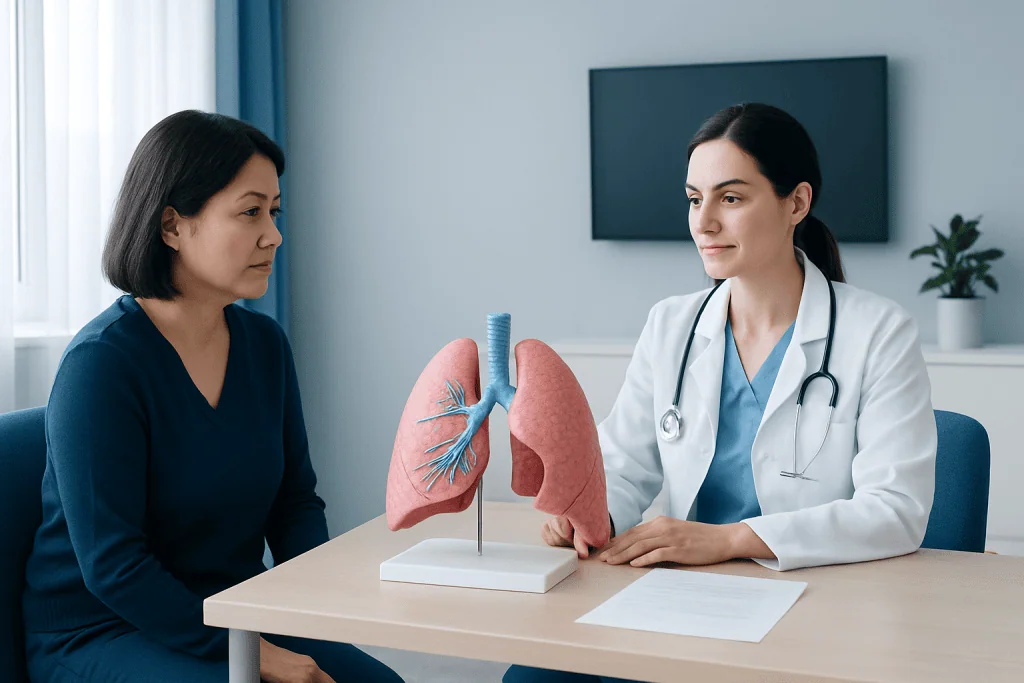
In a sublobar resection versus lobectomy comparison, the central difference is how much lung is removed. Lobectomy removes a complete lobe, while sublobar surgery removes a smaller portion. Preserving more tissue may be valuable for people with reduced lung function or for those who may need future lung treatment.
However, removing less lung is not automatically the best choice. A lobectomy may be recommended when a tumor is larger, centrally located, close to important structures, has concerning features, or when there is a greater risk of disease elsewhere in the lobe. A surgeon also needs to be confident that adequate margins and lymph-node assessment can be achieved.
For selected patients with small peripheral non-small cell lung cancers, modern evidence supports segmentectomy as an option in appropriate circumstances. Wedge resection may be used for selected very small or noninvasive-appearing lesions, diagnostic purposes, or when a more extensive operation would not be safe. The pathology report after surgery helps guide whether additional treatment or monitoring is needed.
What Happens During the Procedure
Before surgery, patients commonly have chest imaging, breathing tests, blood tests and an anesthesia assessment. Depending on the situation, the team may also arrange cardiac evaluation, a biopsy, PET imaging or brain imaging. Smoking cessation, if relevant, is strongly encouraged because it supports wound healing and lowers pulmonary complications.
Sublobar resection is performed under general anesthesia. Many procedures use video-assisted thoracoscopic surgery or robotic-assisted surgery, which involve several small incisions and a camera. In some cases, an open thoracotomy, involving a larger incision between the ribs, is the safest approach.
The surgeon identifies the lesion, removes the planned wedge or segment, and checks the surgical margin. Lymph nodes in and around the lung are assessed. A chest tube is usually placed temporarily to drain fluid and air while the lung re-expands. Removed tissue is examined by a pathologist to confirm the diagnosis, margins and, where relevant, cancer stage.
Thoracic surgeons, anesthesiologists, respiratory therapists, nurses, pathologists and oncology specialists all contribute to safe care. Acibadem International’s multidisciplinary specialists and JCI-accredited hospitals diagnose and treat lung conditions for international patients.
Sublobar Resection Recovery Timeline
Sublobar resection recovery varies according to the surgical approach, the amount of lung removed, pre-existing lung disease and overall fitness. After surgery, patients are monitored for breathing, oxygen levels, pain, chest tube drainage and signs of complications. Hospital stay is often shorter after minimally invasive surgery than after open surgery, but timing should be determined by clinical recovery rather than a fixed schedule.
In the first days, pain relief, coughing, deep-breathing exercises and getting out of bed are important. These measures help expand the lungs, clear mucus and lower the chance of chest infection or blood clots. Tiredness, reduced appetite, mild breathlessness with activity and discomfort around the incision are common early experiences.
Over the following weeks, activity is increased gradually. Many people can return to light daily tasks first, while heavier lifting, strenuous exercise and driving may need to wait until the surgical team confirms it is safe. Full energy and comfort can take several weeks or longer, especially after an open operation. Follow-up appointments review wound healing, pathology results and the need for further care.
Benefits, Risks and When to Seek Medical Care
A potential benefit of sublobar surgery is removal of a lesion while preserving more functioning lung than a lobectomy. It may provide a curative surgical approach for selected early cancers and can establish a diagnosis when imaging cannot determine whether a nodule is cancerous. Minimally invasive approaches may also reduce incision-related discomfort and support earlier mobility for some patients.
Like all chest surgery, sublobar resection has risks. These include bleeding, infection, pneumonia, an air leak that lasts longer than expected, fluid around the lung, irregular heartbeat, blood clots, reactions to anesthesia and the need for another procedure. Some people notice ongoing numbness, nerve-related discomfort, fatigue or a change in exercise tolerance. The surgical team discusses personal risks before surgery.
When to seek medical care: After discharge, patients should contact their surgical team promptly for fever, worsening redness or drainage from the wound, increasing shortness of breath, chest pain, persistent vomiting, uncontrolled pain or swelling in a leg. Emergency medical care is needed for severe difficulty breathing, coughing blood, fainting, sudden severe chest pain or symptoms that may suggest a stroke or serious allergic reaction.
Living Well After Lung Surgery
Recovery is supported by following discharge instructions, taking prescribed medicines as directed and attending all scheduled visits. Breathing exercises, gentle movement, balanced meals and adequate hydration can help. People who smoke should seek support to stop, as avoiding tobacco is one of the most important steps for lung health and for reducing future cancer risk.
Surveillance after surgery is individualized. For lung cancer, periodic chest imaging is commonly used to look for recurrence or a new lung cancer. The follow-up plan may also include oncology consultations, pulmonary rehabilitation or treatment such as chemotherapy, targeted therapy, immunotherapy or radiation when pathology and stage indicate that it is appropriate.
Emotional recovery also deserves attention. Concern about pathology results, recurrence or reduced stamina is understandable. Patients may benefit from discussing these concerns with their healthcare team, family, a counselor or a cancer support service. New or persistent cough, unexplained weight loss, increasing breathlessness or coughing blood should always be assessed rather than attributed to recovery alone.
Frequently asked questions
How painful is recovery from a lobectomy?
Pain after a lobectomy can range from mild to significant, particularly during the first days after surgery and with coughing, deep breathing or movement. Minimally invasive surgery often causes less incision-related pain than open thoracotomy, but every person’s experience differs. The care team uses a tailored pain-management plan because good pain control helps patients breathe deeply and walk safely.
Are you cancer free after a lobectomy?
A lobectomy can remove all visible cancer and may be curative when lung cancer is localized and fully removed. Whether a person is considered free of cancer depends on the final pathology, lymph-node findings, margins and follow-up imaging. Ongoing surveillance remains important because recurrence or a new lung cancer can occur even after successful surgery.
How far should I walk after a lobectomy?
Walking usually begins with short, frequent walks as soon as the surgical team says it is safe. Rather than aiming for a set distance immediately, patients should increase gradually based on breathlessness, pain, fatigue and their clinician’s instructions. Several brief walks each day are often more manageable than one long walk during early recovery.
What is life like after lobectomy surgery?
Many people return to independent daily activities after lobectomy and adapt well over time. Some notice temporary fatigue, breathlessness during exertion or reduced exercise capacity, especially if they had lung disease before surgery. Lung rehabilitation, regular physical activity and avoiding smoking can support recovery and long-term function.
Is a segmentectomy the same as a wedge resection?
No. Both are sublobar resections, but a segmentectomy removes a defined anatomical segment of the lung along with its associated airway and blood vessels. A wedge resection removes a smaller, non-anatomical piece of tissue around a lesion. The most suitable operation depends on the lesion and the person’s health.
How long does it take to recover from sublobar resection?
Initial recovery may take several weeks, while return of full energy can take longer. Recovery is often faster after minimally invasive surgery than after an open incision, but lung function, age, fitness and complications can affect the timeline. The surgeon can provide the most relevant guidance based on the operation performed and the patient’s progress.
References
- American Cancer Society
- National Cancer Institute
- National Comprehensive Cancer Network
- Society of Thoracic Surgeons
- American Lung Association
This article is for general information only and is not a substitute for professional medical advice. Please consult a qualified doctor about your individual situation.
Explore treatments in Turkey — costs, top hospitals & a free quote
JCI-accredited · board-certified surgeons · reply within 24h
Add us as a Preferred Source to see more of our trusted health content across Google Search, AI Overviews and Discover.