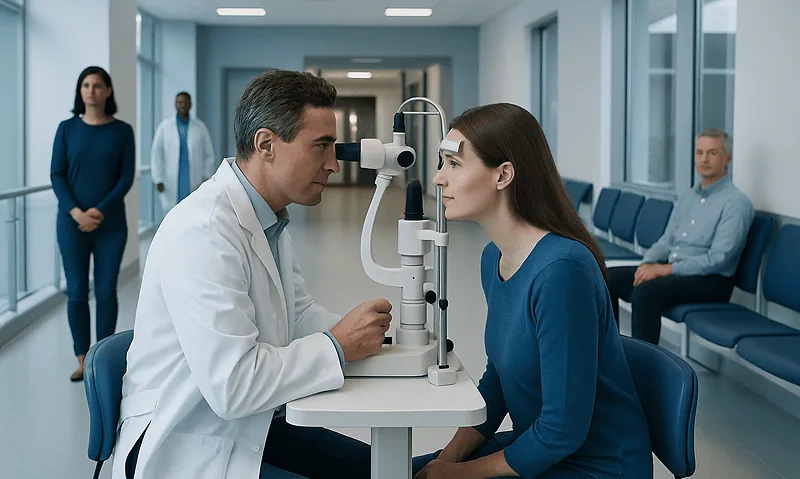
Hemihyperplasia Treatment: How It Works, Results and What to Expect

Hemihyperplasia means one side or part of the body has grown more than the matching area on the other side. Many children need observation and monitoring rather than an immediate procedure.
Key Takeaways
- Hemihyperplasia means one side or part of the body has grown more than the matching area on the other side.
- Many children need observation and monitoring rather than an immediate procedure.
- Orthopedic treatment can address a significant limb-length difference or functional difficulty as a child grows.
- Children with isolated hemihyperplasia may need scheduled abdominal ultrasound and laboratory screening during early childhood because of an increased risk of certain embryonal tumors.
- A pediatric team may include genetics, pediatrics, orthopedics, rehabilitation specialists, radiology and oncology, depending on the child’s needs.
Hemihyperplasia treatment is individualized and may include regular tumor screening, measurement of limb differences, physical therapy, shoe lifts, and orthopedic surgery when asymmetry affects function. The best plan depends on the child’s growth, the body areas involved, associated genetic findings, and whether there is a meaningful difference in limb length or size.
Hemihyperplasia treatment: how it works
Hemihyperplasia treatment aims to protect a child’s health, monitor growth differences, support comfortable movement, and manage any associated medical risks. Hemihyperplasia, also called hemihypertrophy in some settings, describes asymmetric overgrowth: one side of the body, a limb, or a localized area is larger than its counterpart. It can occur alone, known as isolated hemihyperplasia, or as part of a genetic overgrowth syndrome.
There is no single treatment that is right for every child. A mild difference in size may require only regular clinical follow-up. If one leg becomes longer than the other, options may include a shoe lift, physical therapy, or carefully timed orthopedic treatment. The care plan also commonly includes age-appropriate screening for certain childhood tumors, particularly in children with isolated hemihyperplasia or syndromes linked with overgrowth.
Treatment is therefore a combination of surveillance and practical management rather than one procedure. The child’s comfort, walking pattern, spine and hip alignment, expected future growth, and family preferences are considered throughout care.
Assessment, diagnosis and candidacy for treatment
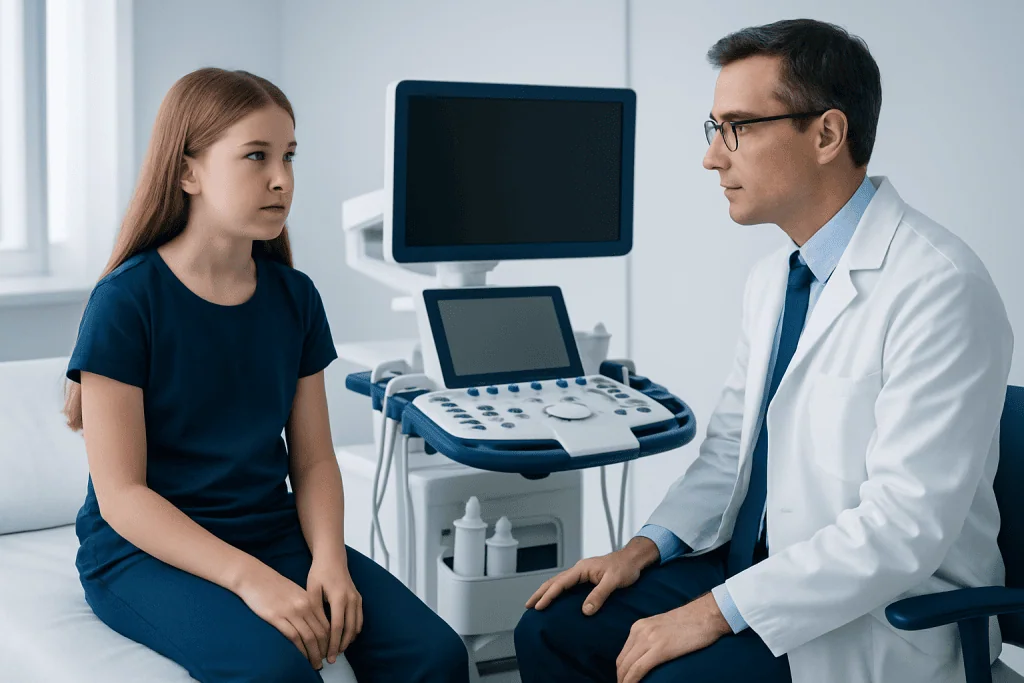
Diagnosis begins with a detailed medical history and physical examination. A clinician compares the size and length of paired body areas, such as the arms, legs, hands, feet, face, or trunk. Measurements are repeated over time because a difference that appears small in infancy may change as the child grows.
Doctors may use standing limb-length X-rays or other imaging to measure the bones accurately when a leg-length difference is suspected. A referral to a clinical geneticist can help determine whether hemihyperplasia is isolated or connected with a recognized condition. Genetic testing may be recommended, but a normal result does not always exclude an overgrowth condition because some genetic changes are present only in a portion of the body’s cells.
A child is considered for active orthopedic treatment when the asymmetry is likely to affect walking, balance, footwear, joint loading, posture, or daily activities. The estimated difference at skeletal maturity matters more than a single measurement. Specialists generally avoid unnecessary procedures and reassess the plan as the child’s growth pattern becomes clearer.
Screening recommendations should be individualized with a pediatrician, geneticist, or pediatric oncology team. In many care pathways, children with isolated hemihyperplasia undergo abdominal ultrasound and blood testing at defined intervals during the years when embryonal tumors are most likely to occur.
Treatment options and the step-by-step care pathway

For mild or stable asymmetry, the first approach may be observation. The care team records limb measurements, reviews mobility, and monitors the child’s overall development at scheduled visits. Families may be asked to report a new lump, abdominal swelling, unexplained pain, blood in the urine, or a noticeable change in the child’s gait between appointments.
If a leg-length difference causes a limp or uneven loading, a shoe insert or external shoe lift can improve comfort and walking mechanics. Physical therapy may help children maintain strength, balance, coordination, flexibility, and confidence in activity. Therapy does not stop overgrowth, but it can support function and address secondary movement patterns.
When the projected limb-length difference is substantial, an orthopedic surgeon may discuss surgery. The usual process includes repeated measurements, imaging, prediction of remaining growth, discussion of timing, preoperative assessment, the procedure itself, pain management, and structured follow-up. Depending on the individual situation, surgery may slow growth in the longer limb, lengthen the shorter limb, or correct an associated bone alignment concern. These decisions require specialized planning because timing is important in a growing child.
Some children have hemihyperplasia as part of a broader syndrome that needs additional care, such as management of low blood sugar in infancy, kidney monitoring, developmental support, or treatment of an identified tumor. Coordinated care allows each concern to be addressed without assuming that every child will need every intervention.
Recovery timeline, benefits and possible risks
Recovery depends on the type of treatment. Observation, screening appointments, shoe modifications, and outpatient therapy generally have little effect on day-to-day routines. After orthopedic surgery, recovery may involve a hospital stay, temporary limits on weight-bearing, mobility aids, pain control, wound care, and rehabilitation. The surgeon provides individualized guidance about school, bathing, sport, and return to normal activity.
Children usually need several follow-up visits after a limb procedure. X-rays and physical examinations help confirm bone healing, limb alignment, and the effect on length difference. Because growth continues, even a successful operation may be followed by further monitoring until skeletal maturity.
The potential benefits of treatment include improved walking comfort, reduced limping, better alignment, and easier participation in age-appropriate activities. The goal is functional improvement and healthy development, not necessarily complete visual symmetry.
Potential surgical risks include infection, bleeding, blood clots, anesthesia-related complications, nerve or blood-vessel injury, stiffness, delayed bone healing, overcorrection or undercorrection, and a need for additional procedures. These risks vary by procedure and health history. Families should discuss expected benefits, alternatives, and recovery demands with a pediatric orthopedic surgeon before making a decision.
Is hemihypertrophy a disability?
Hemihypertrophy is not automatically a disability. The impact varies widely: some children have a mild size difference with no limitation, while others develop a leg-length discrepancy, altered gait, pain, difficulty finding comfortable footwear, or concerns related to appearance. Whether it meets a legal or educational definition of disability depends on the child’s functional needs and the rules in the relevant country or school system.
Support should be based on function rather than a label. A child who has trouble walking long distances, using stairs, participating in physical education, or managing self-care may benefit from rehabilitation, adaptive equipment, school accommodations, or an individualized activity plan. Emotional wellbeing also matters, especially if a child feels self-conscious about visible asymmetry.
Early assessment and practical support can help children take part in school, play, and family life. Families can ask the care team for documentation if accommodations are needed.
Can you grow out of hemihypertrophy?
Children generally do not simply grow out of hemihypertrophy. The underlying asymmetry may remain as the child grows, although its appearance and functional effect can change over time. In some children, the difference stays mild and does not require corrective treatment.
Growth can make a limb-length difference more noticeable, particularly during periods of rapid development. For this reason, regular measurements are useful even when a child is doing well. Specialists use these measurements to estimate how the discrepancy may develop by adulthood and whether treatment is likely to be helpful.
The tumor-screening component of care is time-limited rather than lifelong in many cases. The schedule depends on the suspected diagnosis, genetic findings, and local pediatric surveillance guidance. A clinician should confirm when screening can safely stop for an individual child.
How rare is hemihyperplasia?
Hemihyperplasia is considered uncommon, but its exact frequency is uncertain. Cases may be missed when the asymmetry is subtle, and reported rates vary because studies use different definitions and may include isolated hemihyperplasia together with genetic overgrowth syndromes.
The condition can be present at birth or become more apparent during infancy and childhood. It is not caused by anything a parent did during pregnancy or routine childhood care. When a child has asymmetric growth, a medical assessment is important because clinicians need to distinguish hemihyperplasia from other causes of limb or body asymmetry.
Although the condition is rare, experienced pediatric and genetic teams can guide evaluation, screening, and long-term planning. Care should focus on the child’s individual findings rather than on estimates from population studies.
What is the most common cause of hemihypertrophy in children?
In many children, hemihypertrophy results from a change in growth regulation that occurs after conception and affects only some cells in the body. This pattern is called mosaicism. It can cause one side or region to grow differently from the other, and the genetic change may not be detectable in a blood sample.
Hemihyperplasia may also occur as part of genetic overgrowth conditions, including Beckwith-Wiedemann spectrum and other less common syndromes. In some cases, no specific cause is identified despite appropriate evaluation. This does not mean the asymmetry is not real or that a child does not need follow-up.
A clinical geneticist can help assess family history, physical findings, and the usefulness of genetic testing. Most cases are not inherited in a straightforward way, but genetic counseling can clarify what is known and discuss whether testing of parents or siblings is appropriate.
When to seek medical care
Parents or caregivers should arrange a pediatric assessment if they notice that one side of a child’s body, arm, leg, hand, foot, or face appears persistently larger or longer than the other. An assessment is also appropriate for limping, frequent tripping, uneven shoe wear, new back or hip discomfort, or a change in the way the child walks.
Children with known hemihyperplasia should attend recommended screening and growth-monitoring appointments. Prompt medical advice is needed for abdominal swelling or a new abdominal mass, blood in the urine, persistent unexplained fever, unusual tiredness, ongoing vomiting, unexplained weight loss, or other concerning changes. These symptoms often have causes unrelated to cancer, but they should not be ignored in a child with an overgrowth condition.
Care is most effective when it is coordinated. Acibadem International’s multidisciplinary specialists and JCI-accredited hospitals can assess hemihyperplasia and organize pediatric, genetic, orthopedic, rehabilitation, imaging, and oncology input for international patients when needed.
Frequently asked questions
What is hemihyperplasia treatment?
Hemihyperplasia treatment is an individualized plan that may include regular measurements, tumor surveillance in early childhood, physical therapy, shoe lifts, and orthopedic care. The aim is to support healthy movement and identify associated health concerns early. Not every child needs surgery.
Does every child with hemihyperplasia need surgery?
No. Surgery is generally considered only when a limb-length difference or alignment problem is expected to affect function, comfort, or mobility. Mild differences may be managed with observation, footwear adjustments, and therapy.
Why are children with isolated hemihyperplasia screened for tumors?
Isolated hemihyperplasia is associated with a higher risk of certain embryonal tumors during childhood. Scheduled screening can help identify these tumors early, before they cause symptoms. The exact testing schedule should be determined by the child’s specialist team.
Can hemihyperplasia affect only one leg or arm?
Yes. Hemihyperplasia may affect one limb, one side of the body, or a more localized region such as a hand, foot, or part of the face. The pattern and severity can differ from child to child.
Is hemihyperplasia inherited?
Many cases are related to mosaic genetic changes that occur after conception and are not inherited from a parent. Some cases occur in association with genetic syndromes, so a genetics evaluation may be helpful. Genetic counseling can explain the likely cause and implications for the family.
What specialist treats hemihyperplasia?
A pediatrician often coordinates initial care, with input from a clinical geneticist and pediatric orthopedic surgeon when appropriate. Depending on the child’s findings, the team may also include pediatric oncology, radiology, rehabilitation, nephrology, and other specialists. Multidisciplinary follow-up helps address both growth and screening needs.
References
- American Academy of Pediatrics
- American Association for Cancer Research
- GeneReviews
- National Cancer Institute
- Children's Oncology Group
This article is for general information only and is not a substitute for professional medical advice. Please consult a qualified doctor about your individual situation.
Joint and spine care in Turkey — expert assessment & treatment
JCI-accredited · board-certified surgeons · reply within 24h
Add us as a Preferred Source to see more of our trusted health content across Google Search, AI Overviews and Discover.