Stem Cell Transplant Stories: Procedure, Recovery and Results
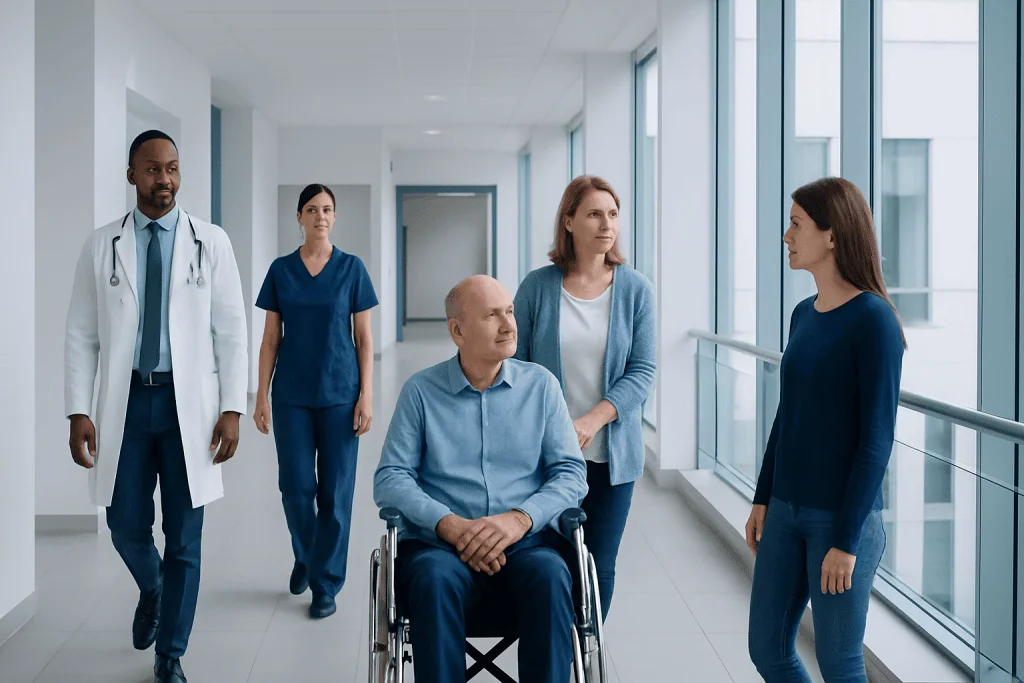
A stem cell transplant replaces damaged or diseased blood-forming cells with healthy stem cells. Autologous transplants use a person’s own collected cells, while allogeneic transplants use donor cells.
Key Takeaways
- A stem cell transplant replaces damaged or diseased blood-forming cells with healthy stem cells.
- Autologous transplants use a person’s own collected cells, while allogeneic transplants use donor cells.
- The most difficult period is often during the first few weeks, when blood counts are low and infection risk is highest.
- Recovery commonly takes months, and immune recovery may take a year or longer depending on transplant type and treatment.
- Long-term outcomes depend on the underlying disease, age, overall health, transplant type and possible complications.
- Regular follow-up remains essential after leaving hospital, including monitoring for infection, graft-versus-host disease and disease recurrence.
Stem cell transplant stories can help people understand what the treatment journey may involve, from preparation and hospital care to recovery at home. Experiences differ widely, but most include a period of low immunity, close follow-up and gradual rebuilding of strength over months.
Overview: What Stem Cell Transplant Stories Can Teach
Stem cell transplant stories often describe a demanding but carefully planned treatment used for certain blood cancers, bone marrow disorders and immune system conditions. The transplant does not involve surgery to replace an organ. Instead, healthy blood-forming stem cells are given through a vein, much like a blood transfusion, so they can travel to the bone marrow and begin making new blood and immune cells.
Individual experiences can be very different. Some people have an autologous transplant using their own previously collected stem cells, while others have an allogeneic transplant using cells from a matched donor. The underlying condition, treatment received before transplant, donor match, age and general health all influence the course of treatment and recovery.
Personal accounts can provide emotional context, but they cannot predict an individual outcome. The transplant team is the best source of advice about what a particular person may experience, including expected benefits, possible complications and the support needed at each stage.
How a Stem Cell Transplant Works and Who May Be a Candidate
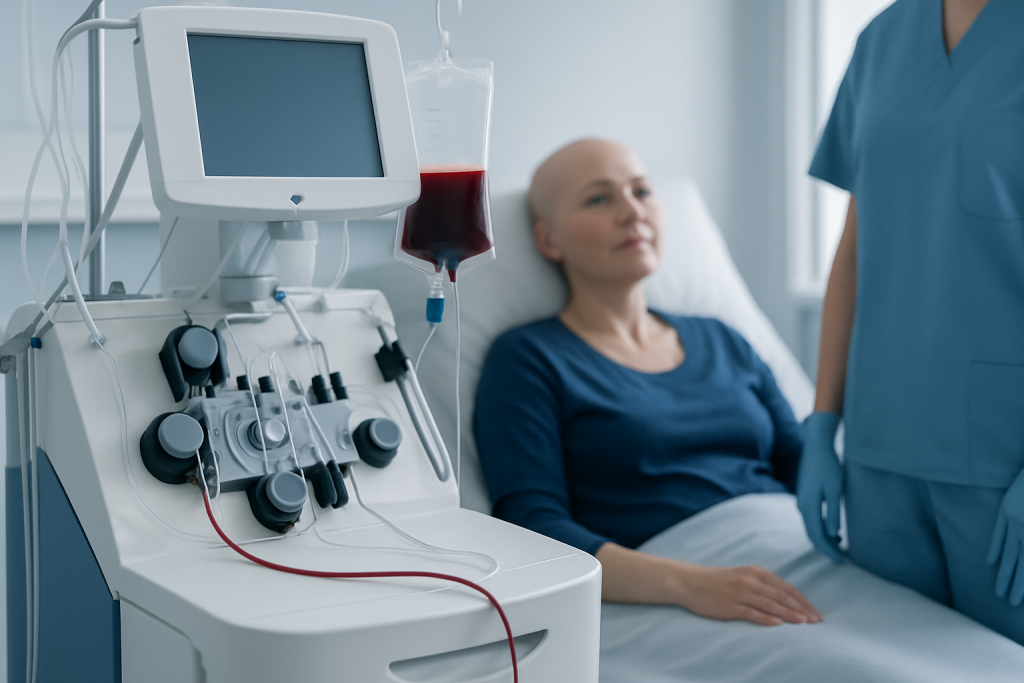
Blood-forming stem cells live mainly in the bone marrow. They develop into red blood cells, white blood cells and platelets. High-dose chemotherapy, and sometimes radiation therapy, may be used before transplant to destroy cancer cells, suppress an overactive immune system or make space in the marrow for donor cells.
An autologous transplant returns the person’s own stem cells after intensive treatment. It is used for selected cancers, including some lymphomas and multiple myeloma. An allogeneic transplant uses cells from another person, such as a related donor, an unrelated volunteer donor or, in some circumstances, cord blood. It may be considered for conditions including leukemia, myelodysplastic syndromes, aplastic anemia and some inherited blood disorders.
Candidacy is assessed individually. The team considers the diagnosis, disease status, previous therapies, organ function, infection history, functional ability, emotional support and availability of an appropriate donor when needed. A transplant may offer an important treatment option, but it is not suitable or necessary for everyone.
Assessment usually involves blood tests, heart and lung evaluation, infection screening, imaging when appropriate and discussions with hematology, oncology, infectious disease, nutrition and supportive-care professionals. This planning helps identify risks early and tailor care safely.
Stem Cell Transplant Procedure: Step by Step

The process usually begins with pre-transplant testing and education. For an autologous transplant, stem cells are commonly collected from the bloodstream in advance and frozen. For an allogeneic transplant, donor testing, tissue matching and collection are arranged before the recipient starts conditioning treatment.
Next comes conditioning, which may involve chemotherapy alone or chemotherapy combined with radiation. This stage can last several days and aims to treat the disease and prepare the bone marrow. The intensity of conditioning varies; reduced-intensity approaches may be used for some people who are older or have health conditions that make very intensive therapy less suitable.
On transplant day, the stem cells are infused through a central venous catheter. The infusion itself is generally not painful, although staff monitor closely for reactions. Afterward, the central focus is waiting for engraftment, when the infused cells begin producing new blood cells.
During the low-count period, patients may need protective infection measures, blood or platelet transfusions, medicines to prevent or treat infections, nutritional support and management of side effects such as nausea, mouth soreness, fatigue or diarrhea. Comprehensive stem cell transplantation care includes planning before treatment and structured follow-up afterward.
Recovery Timeline: What to Expect in the First 100 Days
Recovery does not follow one fixed schedule. In the first two to four weeks, blood counts are commonly very low. Engraftment often begins within weeks, although timing depends on the cell source, transplant type and each person’s clinical circumstances. Hospital stay may be needed throughout this early phase, particularly after an allogeneic transplant.
After discharge, frequent outpatient visits remain important. Fatigue, reduced appetite, altered taste, weakness and emotional ups and downs are common during early recovery. Infection precautions, medication schedules and nutrition recommendations should be followed closely, even when a person starts feeling stronger.
The first 100 days are often described as a major early recovery milestone, especially after an allogeneic transplant. The immune system is still rebuilding during this time, and complications such as infections, medication effects and graft-versus-host disease require active monitoring. Vaccinations are usually restarted later according to the transplant team’s schedule, because prior immune protection may no longer be reliable.
For people traveling for care, follow-up planning should be arranged before returning home. Acibadem International’s multidisciplinary specialists and JCI-accredited hospitals support diagnosis and treatment planning for international patients undergoing complex hematology and transplant care.
What Are the Worst Days After a Stem Cell Transplant?
For many people, the most difficult days occur after conditioning treatment and before engraftment, often during the first two to three weeks after transplant. At this point, white blood cells, red blood cells and platelets may be at very low levels. This can bring severe fatigue, increased infection risk, bleeding risk and a need for transfusions or close hospital monitoring.
Side effects from conditioning may also peak during this period. These can include nausea, vomiting, diarrhea, mouth and throat inflammation, pain, skin changes and loss of appetite. Supportive medicines and specialist care can reduce symptoms, and patients should report discomfort promptly rather than trying to manage severe symptoms alone.
For an allogeneic transplant, complications can also arise later, including acute graft-versus-host disease, in which donor immune cells react against the recipient’s tissues. The timing and severity are highly variable. Not every person experiences the same symptoms or has a prolonged hospital course.
What Happens After 100 Days After a Stem Cell Transplant?
After 100 days, many people have moved beyond the most intensive early phase, but recovery is still ongoing. Follow-up visits may become less frequent if blood counts are stable and there are no major complications. The care team continues to monitor blood tests, organ function, medication effects, nutritional status and signs that the original disease has returned or remains controlled.
People who receive donor cells may continue immunosuppressive medication for months or longer. The team watches for chronic graft-versus-host disease, which can affect the skin, mouth, eyes, lungs, liver, digestive system or other organs. Early reporting of new symptoms helps doctors investigate and treat problems promptly.
Gradual return to daily activities is common, but energy and concentration may take time to improve. Infection prevention remains important, including food safety, hand hygiene and avoiding exposures recommended by the transplant team. Work, school, travel and exercise should be resumed according to individual medical advice.
For some patients, ongoing treatment may also be part of the long-term plan, such as maintenance therapy or disease monitoring for conditions like multiple myeloma. The transplant team coordinates this care with the person’s local hematologist or oncologist where possible.
Can You Live a Long Life After a Stem Cell Transplant?
Many people live for years after a stem cell transplant, and some achieve long-term disease control or cure. However, no single survival estimate applies to everyone. Long-term outlook depends on the disease being treated, whether it is in remission at transplant, the type of transplant, donor compatibility, response to treatment and the development of complications.
Autologous and allogeneic transplants have different goals and risk profiles. An autologous transplant avoids graft-versus-host disease because the cells come from the patient, but it may not provide the donor immune effect that can help control some cancers. An allogeneic transplant can offer this immune benefit, but also carries risks including graft-versus-host disease and more prolonged immune suppression.
Long-term survivors benefit from regular medical care. This may include screening for late effects of treatment, attention to bone, heart and hormonal health, cancer surveillance when relevant, vaccination review, mental health support and healthy lifestyle guidance. The care plan should be individualized and shared with primary care and specialist clinicians.
How Long After a Stem Cell Transplant Do You Feel Better?
Some symptoms begin to improve once engraftment occurs and blood counts recover, often within several weeks. However, feeling substantially stronger usually takes longer. Many people describe gradual improvement over several months, while full physical conditioning and immune recovery can take a year or more, particularly after a donor transplant.
Fatigue may persist even when laboratory results are improving. Sleep disruption, reduced muscle strength, medication side effects, nutritional changes, anemia, anxiety and the emotional impact of treatment can all contribute. Gentle activity, rehabilitation when advised, adequate protein and fluids, and planned rest can support recovery.
Progress is rarely perfectly linear. A person may have good days and difficult days, especially during medication adjustments or minor infections. The transplant team should assess new or worsening fatigue, shortness of breath, fever, poor intake, pain or other changes rather than assuming they are simply part of recovery.
When to Seek Medical Care
Anyone recovering from a stem cell transplant should follow the transplant team’s instructions about urgent symptoms. A fever, chills, new cough, shortness of breath, chest pain, unusual bleeding, severe headache, confusion, persistent vomiting, severe diarrhea, inability to drink fluids or sudden worsening weakness should be reported immediately. These symptoms can signal infection, bleeding, dehydration, medication complications or other problems requiring prompt assessment.
New rash, yellowing of the skin or eyes, mouth sores, eye dryness or irritation, abdominal pain, ongoing diarrhea and unexplained weight loss should also be discussed quickly, especially after an allogeneic transplant. They may have many causes, including graft-versus-host disease, and should not be self-diagnosed.
People should not stop anti-rejection, infection-prevention or other prescribed medicines without medical guidance. Questions about food, contact with pets, travel, work and vaccination should be directed to the transplant team, since recommendations vary by immune status and stage of recovery.
Frequently asked questions
Is a stem cell transplant the same as a bone marrow transplant?
These terms are often used interchangeably because both replace blood-forming stem cells. Stem cells may be collected from bone marrow, circulating blood or cord blood. Today, many transplants use stem cells collected from the bloodstream.
How long is the hospital stay for a stem cell transplant?
Hospital stay varies by transplant type, conditioning regimen, local practice and complications. Some people require several weeks in hospital, while others may receive portions of treatment as outpatients with very close monitoring. The transplant center can explain the expected plan for an individual case.
What is engraftment after a stem cell transplant?
Engraftment is the process in which transplanted stem cells settle in the bone marrow and begin producing new blood cells. Rising white blood cell counts are often an early sign. The transplant team follows blood tests closely to assess progress.
Can family members visit someone after a stem cell transplant?
Visitors may be allowed, but infection-prevention rules are important because the recipient’s immune defenses are weak. People who are unwell or have recently been exposed to contagious infections should not visit. The transplant unit will provide specific visitor guidance.
What foods should be avoided after a stem cell transplant?
Food safety is particularly important while the immune system is weak. The team may advise avoiding undercooked meat, eggs or seafood, unpasteurized products and foods prepared or stored unsafely. Recommendations vary by country, transplant phase and individual health needs.
Can stem cell transplant patients travel after treatment?
Travel may be possible after recovery, but timing should be decided with the transplant team. Early travel can be challenging because appointments are frequent and infection risk may remain high. International travel may require additional planning for medical access, medication supplies and vaccination advice.
References
- National Cancer Institute
- American Society of Hematology
- Centers for Disease Control and Prevention
- European Society for Blood and Marrow Transplantation
- National Marrow Donor Program
This article is for general information only and is not a substitute for professional medical advice. Please consult a qualified doctor about your individual situation.
Stem Cell Transplant in Turkey — costs, top hospitals & a free quote
JCI-accredited · board-certified surgeons · reply within 24h
Add us as a Preferred Source to see more of our trusted health content across Google Search, AI Overviews and Discover.

Organ Transplantation
Kidney, liver and bone-marrow transplantation programs with dedicated coordination.
4 specialists in this unit