DBS Treatment Orange County: How It Works, Results and What to Expect

Deep brain stimulation is a symptom-management treatment, not a cure for the underlying neurological condition. DBS may reduce tremor, stiffness, slowness, involuntary movements, or medication fluctuations in carefully selected patients.
Key Takeaways
- Deep brain stimulation is a symptom-management treatment, not a cure for the underlying neurological condition.
- DBS may reduce tremor, stiffness, slowness, involuntary movements, or medication fluctuations in carefully selected patients.
- The procedure involves brain leads, a pulse generator placed under the chest skin, and follow-up visits to adjust stimulation settings.
- Benefits and risks vary by diagnosis, symptom pattern, overall health, surgical target, and the experience of the care team.
- DBS does not replace regular neurological care, rehabilitation, medication review, or device follow-up.
DBS treatment Orange County searches commonly relate to deep brain stimulation, a procedure that uses a small implanted device to deliver carefully controlled electrical signals to specific brain areas. It may help selected people with Parkinson’s disease, essential tremor, or dystonia whose symptoms remain difficult to manage with medication, but it requires detailed assessment, surgery, and ongoing programming.
Overview: How DBS Treatment Works
Deep brain stimulation (DBS) is an established neurosurgical treatment that can improve certain movement-related symptoms when medicines are no longer giving reliable control or are causing troublesome side effects. For people looking for DBS treatment Orange County, the most important consideration is not location alone but assessment by an experienced movement-disorder and neurosurgery team to determine whether DBS is appropriate.
During DBS, thin electrodes are placed in carefully selected areas deep within the brain. The electrodes connect through wires under the skin to a battery-powered pulse generator, usually implanted below the collarbone. The generator sends adjustable electrical impulses that modify abnormal brain-circuit activity; it does not destroy brain tissue or permanently alter the brain.
DBS is used most often for Parkinson’s disease, essential tremor, and dystonia. It may improve symptoms such as tremor, stiffness, slowed movement, motor fluctuations, dyskinesia, or sustained involuntary muscle contractions. It generally does not stop disease progression, and it does not improve every symptom. A person with Parkinson’s disease can also learn more about Parkinson’s disease and its broader care needs.
Who May Be a Candidate for DBS?
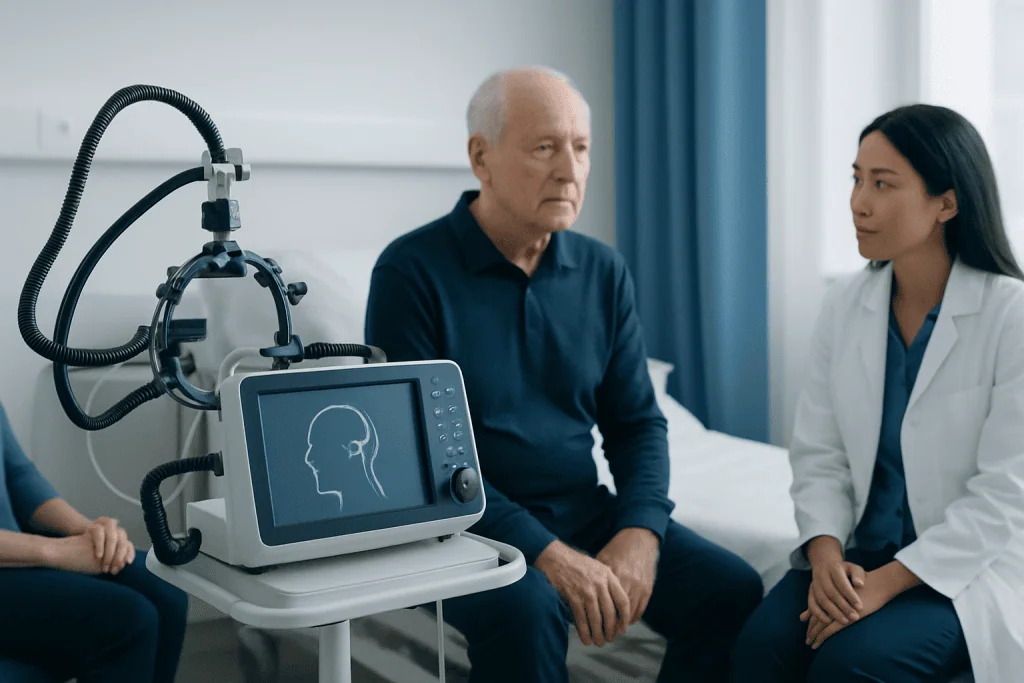
DBS is considered when symptoms significantly affect daily life despite well-managed medication and when the person has a condition known to respond to stimulation. In Parkinson’s disease, candidates often have a clear response to levodopa but experience wearing-off periods, dyskinesia, or medication-resistant tremor. In essential tremor, DBS may be considered when tremor makes eating, drinking, writing, working, or self-care difficult despite appropriate medicines.
Assessment is individualized. A multidisciplinary team typically reviews the diagnosis, symptom history, medication response, brain imaging, physical health, thinking and memory, mood, expectations, and practical ability to attend follow-up programming visits. Neuropsychological testing may be part of the process because memory, attention, mood, and decision-making can affect the expected outcome and safety of treatment.
DBS is not suitable for everyone. Significant uncontrolled depression or anxiety, severe cognitive impairment, untreated medical conditions that increase surgical risk, or symptoms unlikely to respond to stimulation may change the balance of benefits and risks. A careful evaluation helps distinguish symptoms that DBS can address from those that may need other treatments, rehabilitation, or supportive care.
- Typical goals include improving troublesome motor symptoms and increasing predictable “on” time.
- Realistic goals focus on function and quality of life rather than complete symptom removal.
- Family or caregiver involvement can be helpful, especially during recovery and programming.
DBS Procedure: Step by Step
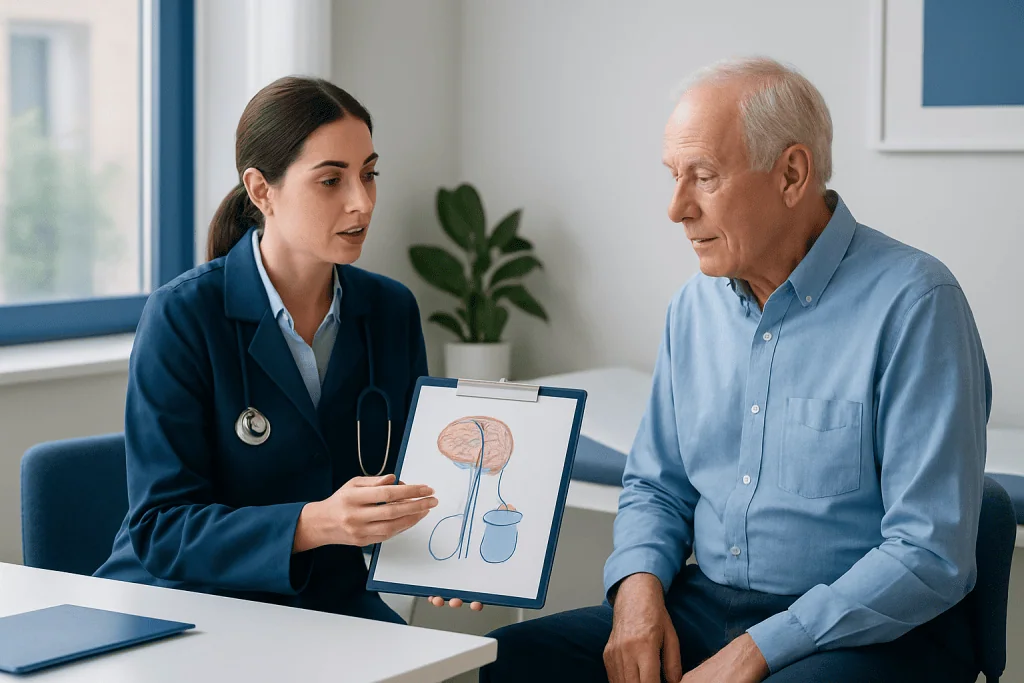
Planning begins with detailed brain imaging, usually magnetic resonance imaging (MRI) and sometimes computed tomography (CT), to map the target area and plan a safe electrode path. The team also reviews medications and gives individualized instructions about which medicines to take or pause before surgery. The exact sequence varies by hospital, diagnosis, and surgical technique.
In the lead-placement stage, a neurosurgeon places one or two electrodes through small openings in the skull. Some procedures are performed while the person is awake for portions of the operation so the team can assess symptom response and possible side effects. Others use general anesthesia with image-guided techniques. The approach is selected to support accuracy, comfort, and safety.
In the same operation or a later procedure, the surgeon implants the pulse generator beneath the skin of the upper chest and tunnels extension wires under the skin to connect it with the brain leads. After healing, a neurologist or DBS specialist activates and programs the device. The settings are adjusted over several visits, often alongside medication changes. Deep brain stimulation treatment should be viewed as a continuing care process rather than a one-time operation.
Recovery Timeline, Benefits and Limits
Recovery differs from person to person. Hospital stay may be brief, depending on the procedure and individual health needs. Mild scalp or chest discomfort, swelling, fatigue, and temporary activity restrictions are common after surgery. Incisions need time to heal, and the care team will provide specific wound-care, bathing, driving, work, and exercise instructions.
The device may be activated after the surgical areas have healed. Programming is gradual: clinicians adjust the electrical settings to seek symptom improvement while minimizing side effects. For Parkinson’s disease, medication may also be reduced or changed carefully, but many people continue to use medication after DBS. It can take weeks to months and several appointments to establish settings that work well in day-to-day life.
Potential benefits include reduced tremor, smoother movement, fewer medication-related involuntary movements, and improved ability to perform selected daily activities. The degree of improvement is variable. Speech, balance, thinking changes, swallowing difficulties, and non-motor symptoms may not improve and can sometimes worsen because of the condition itself or treatment effects. Rehabilitation may support mobility, speech, and independence after surgery.
What Is the Downside of DBS Surgery?
The main downside of DBS surgery is that it is an invasive treatment with surgical, device-related, and adjustment-related risks. Possible surgical complications include bleeding in the brain, stroke, seizure, infection, headache, confusion, and anesthesia-related problems. Although serious complications are uncommon in experienced centers, they are important to discuss before making a decision.
The implanted system can also cause practical challenges. Leads or other device components can rarely shift, break, or malfunction, and an infection may require removal of part or all of the system. Battery replacement is eventually needed for non-rechargeable devices; rechargeable systems require regular charging and appropriate device care.
Stimulation can cause side effects if settings are not optimal, such as tingling, muscle tightening, speech changes, balance difficulty, mood changes, or visual sensations. Many stimulation-related effects improve after reprogramming, but not every concern can be eliminated. DBS also requires long-term follow-up and attention to device information before some scans, medical procedures, and security screening.
What Is the Success Rate of DBS?
There is no single success rate for DBS because “success” depends on the condition treated, the symptom targeted, the surgical target, and the outcome being measured. In appropriately selected people, DBS can provide meaningful improvement in medication-responsive Parkinson’s motor symptoms, disabling essential tremor, and certain forms of dystonia. It is most useful when the expected symptom benefit matches the person’s main treatment goal.
For example, a person whose tremor responds poorly to medication may experience significant tremor reduction, while someone with Parkinson’s disease may have less off-time or fewer dyskinesias. However, DBS does not reliably treat all symptoms. Falls, freezing of gait, speech difficulties, memory problems, and autonomic symptoms may have limited improvement and may continue to progress with the underlying disease.
A neurologist can offer a more personal estimate after evaluating diagnosis, medication response, imaging, cognitive health, and functional goals. The best outcome measures are practical: whether a person can eat, write, dress, walk, communicate, sleep, work, or participate in valued activities more comfortably and safely.
What Can I Expect in My Life After DBS Surgery?
Life after DBS usually includes a period of adjustment. Early follow-up visits focus on incision healing, device activation, programming, and medication review. The person may need several programming sessions, especially during the first months, and should keep track of symptoms, medication timing, benefits, and possible side effects to help the team make precise adjustments.
Many people return gradually to everyday routines, work, social activities, and exercise when cleared by their surgeon. Improvement in a target symptom may make activities easier, but DBS does not remove the need for healthy movement, physical therapy when indicated, sleep care, emotional support, and regular neurological visits. Individuals should continue fall-prevention strategies if balance remains affected.
Long-term care includes checking the device, monitoring battery status, and planning replacement or recharging as needed. It is important to carry device identification and tell all healthcare professionals about the implant. MRI and other procedures may be possible under specific device conditions, but only the treating team and imaging facility can confirm safety for an individual device.
What Should I Avoid After Deep Brain Stimulation?
Immediately after surgery, people should avoid strenuous activity, heavy lifting, swimming, and any activity that could pull on the chest or scalp incisions until the surgical team confirms that healing is adequate. They should not scratch, soak, or apply unapproved products to incision areas. Driving, returning to work, and restarting exercise should follow individualized medical advice.
After recovery, people should avoid changing DBS settings, stopping medication, or turning the device off without guidance from their treating clinician. They should also avoid unapproved exposure to strong electromagnetic fields and inform clinicians about the DBS system before MRI, surgery, dental procedures involving certain equipment, or other treatments that may interact with the device.
Falls, contact injuries to the head or chest, and activities with a substantial risk of damaging the implanted system warrant particular caution. A care team can explain device-specific precautions because recommendations vary by model. For people traveling internationally for assessment or follow-up, Acibadem International’s multidisciplinary specialists and JCI-accredited hospitals provide neurological and neurosurgical care for appropriate patients.
When to Seek Medical Care
Anyone considering DBS should seek evaluation from a qualified movement-disorder neurologist when tremor, stiffness, slowness, involuntary movements, or dystonia are interfering with independence despite treatment. Earlier review is also appropriate if medication side effects, wearing-off periods, or unpredictable symptom control are becoming difficult to manage.
After DBS surgery, urgent medical assessment is needed for fever, increasing redness, warmth, drainage, or swelling at an incision; severe or sudden headache; new weakness; new confusion; seizure; chest pain; shortness of breath; or a sudden major change in neurological symptoms. These signs do not always indicate a serious complication, but they should not be ignored.
Contact the DBS team promptly if symptoms return suddenly, stimulation causes new persistent side effects, the device gives an alert, or there is concern about a fall or injury over the implant. Regular specialist follow-up is the safest way to maintain benefit and address changing needs over time.
Frequently asked questions
Is DBS a cure for Parkinson’s disease or essential tremor?
No. DBS does not cure Parkinson’s disease, essential tremor, dystonia, or other underlying neurological conditions. It can help control selected symptoms, but the condition may continue to change over time and ongoing neurological care remains important.
How long does a DBS battery last?
Battery life depends on the device type and the stimulation settings needed. Rechargeable systems may last longer but require regular charging, while non-rechargeable generators are replaced with a minor surgical procedure when the battery runs low.
Will I still need medication after DBS?
Many people continue taking medication after DBS, although the type or amount may change. Medication adjustments should be made only by the treating neurologist because reducing medicines too quickly can worsen symptoms or cause other problems.
Can DBS affect personality or memory?
Changes in mood, behavior, thinking, or impulse control can occur in some people, although they may also relate to the underlying condition or medication changes. Preoperative cognitive and mental-health assessment, plus careful follow-up, helps identify and manage these concerns.
Can I have an MRI after DBS surgery?
Some DBS systems are MRI-conditional, meaning MRI may be performed only under specific conditions. A person should never schedule an MRI without informing the imaging center and checking the exact device guidance with the DBS team.
How soon will DBS start working?
Some symptom changes may be noticed when stimulation is activated, but achieving the best balance of benefit and side effects often takes repeated programming visits. The overall adjustment period can extend over weeks or months, particularly when medications are also being changed.
References
- National Institute of Neurological Disorders and Stroke
- Parkinson's Foundation
- International Parkinson and Movement Disorder Society
- American Association of Neurological Surgeons
- U.S. Food and Drug Administration
This article is for general information only and is not a substitute for professional medical advice. Please consult a qualified doctor about your individual situation.
Explore treatments in Turkey — costs, top hospitals & a free quote
JCI-accredited · board-certified surgeons · reply within 24h
Add us as a Preferred Source to see more of our trusted health content across Google Search, AI Overviews and Discover.