After Endometriosis Surgery Can I Get Pregnant: Procedure, Recovery and Results
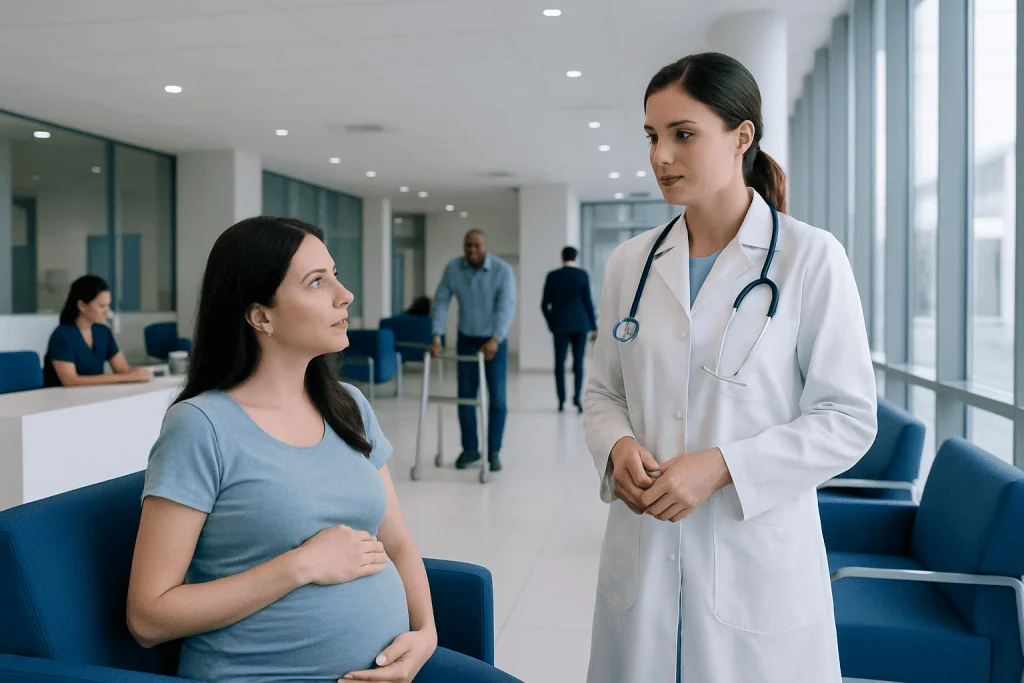
Pregnancy can occur naturally after endometriosis surgery, but surgery cannot guarantee conception. Laparoscopic surgery may remove endometriosis, release adhesions, and improve access to the ovaries and fallopian tubes.
Key Takeaways
- Pregnancy can occur naturally after endometriosis surgery, but surgery cannot guarantee conception.
- Laparoscopic surgery may remove endometriosis, release adhesions, and improve access to the ovaries and fallopian tubes.
- Fertility outcomes depend on individual factors, including age, ovarian reserve, endometriosis severity, and sperm or tubal factors.
- Recovery time varies by procedure; many patients resume usual light activities within days to weeks after laparoscopy.
- A fertility specialist can help decide whether trying naturally, using assisted reproduction, or combining approaches is most appropriate.
After endometriosis surgery, pregnancy is possible for many people, particularly when surgery improves pelvic anatomy or removes endometriosis that may be affecting the ovaries, fallopian tubes, or uterus. However, results vary, and a fertility plan should consider age, ovarian reserve, partner factors, tubal health, and the extent of endometriosis.
Overview: Can Pregnancy Happen After Endometriosis Surgery?
After endometriosis surgery, can I get pregnant? Yes, many people can become pregnant after surgery, either naturally or with fertility treatment. Surgery may improve fertility when endometriosis, scar tissue, ovarian cysts, or distorted pelvic anatomy is making it harder for the egg, sperm, and fallopian tubes to function together.
Endometriosis is a condition in which tissue similar to the lining of the uterus grows outside the uterus. It can cause pelvic pain, painful periods, pain during sex, bowel or bladder symptoms, and difficulty becoming pregnant. Not everyone with endometriosis has infertility, and not everyone who has surgery needs fertility treatment afterward.
The likelihood of pregnancy after surgery is individual. It is influenced by age, how long pregnancy has been attempted, egg supply and quality, semen factors, whether the fallopian tubes are open, and the location and severity of endometriosis. Surgery is one part of a personalized fertility plan rather than a guaranteed solution.
How Endometriosis Surgery May Support Fertility
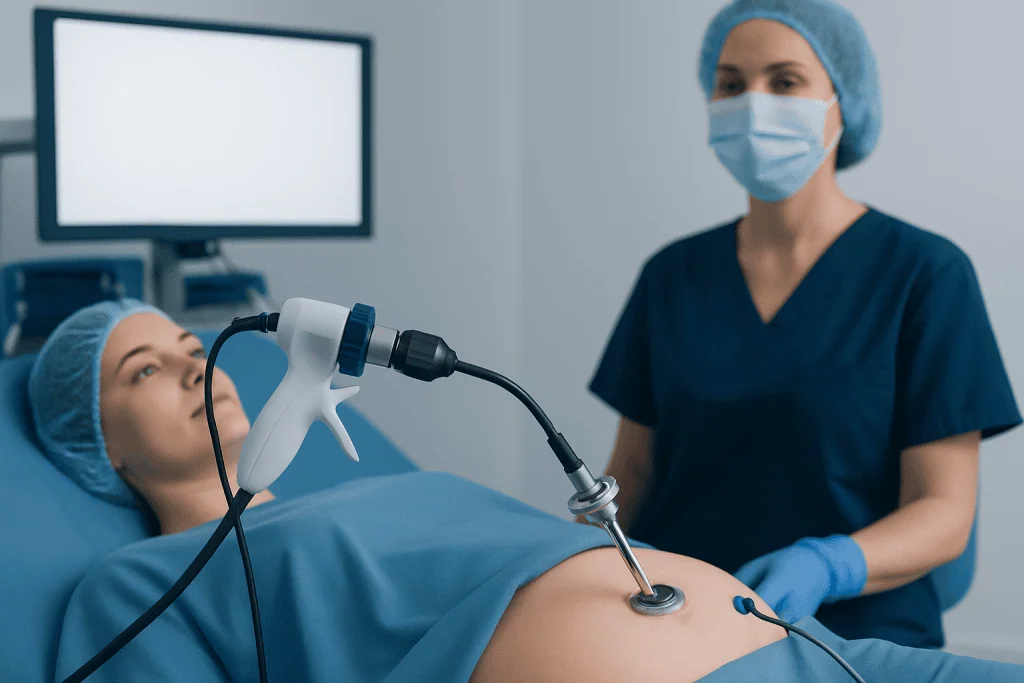
The most common approach is laparoscopic surgery, also called keyhole surgery. Through small abdominal incisions, the surgeon inserts a camera and fine instruments to inspect the pelvis and treat visible endometriosis. Depending on the findings, the surgeon may remove lesions, divide adhesions, restore normal relationships between pelvic organs, or treat an endometrioma, a cyst related to endometriosis on an ovary.
When endometriosis affects fertility, its effects may be mechanical, inflammatory, or both. Adhesions can pull the ovaries and fallopian tubes out of their usual position, while inflammation may interfere with egg release, fertilization, or implantation. Treating disease and scar tissue may improve pelvic function, although surgery cannot correct every possible cause of infertility.
For some patients, surgery is especially useful when there is significant pain, a large or suspicious ovarian cyst, deep endometriosis affecting organs, or anatomy that appears distorted. In other situations, especially when time is important because of age or low ovarian reserve, assisted reproduction such as in vitro fertilization (IVF) may be discussed sooner. A fertility assessment helps guide this choice.
Who May Be a Candidate for Surgery Before Pregnancy
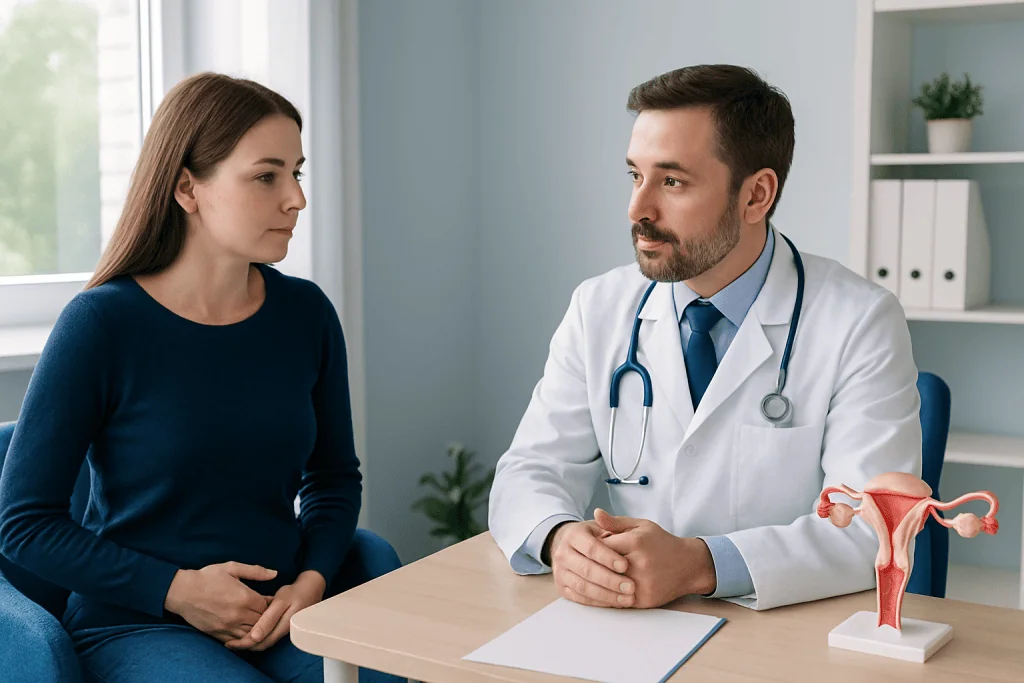
A gynecologist or reproductive specialist considers surgery based on symptoms, examination findings, imaging, fertility goals, and previous treatment. Surgery may be considered for persistent pelvic pain, an endometrioma, suspected adhesions, deep endometriosis, or when a diagnosis is needed and other causes of infertility have been assessed.
Before an operation, the care team may review ultrasound or MRI findings, evaluate ovarian reserve with blood tests and ultrasound, and consider a semen analysis for the partner where relevant. Testing to assess whether the fallopian tubes are open may also be helpful. This broader assessment is important because endometriosis may not be the only factor affecting pregnancy chances.
Not every person with endometriosis-related infertility benefits equally from surgery. Operating on an ovarian endometrioma can sometimes reduce healthy ovarian tissue and affect ovarian reserve, particularly after repeated ovarian surgery. The potential benefit of treatment should therefore be balanced carefully against possible effects on future egg supply and the option of fertility preservation or IVF.
- People with mild disease and no major anatomical changes may be advised to try naturally for a defined period.
- Those with severe tubal damage, reduced ovarian reserve, or additional infertility factors may benefit from early fertility-specialist input.
- People with complex or deep disease may need coordinated care involving gynecology, fertility, colorectal, or urology specialists.
What Happens During the Procedure
Before surgery, the patient has a pre-operative assessment and receives instructions about eating, drinking, regular medicines, and arrangements for going home. Laparoscopy is usually performed under general anesthesia, meaning the patient is asleep and feels no pain during the procedure.
The surgeon typically makes a small incision near the navel to insert a camera and uses carbon dioxide gas to gently create space in the abdomen. Additional small incisions may be made for surgical instruments. The surgeon examines the uterus, ovaries, fallopian tubes, pelvic lining, and surrounding structures, then removes or destroys endometriosis lesions and releases adhesions when appropriate.
Excision removes endometriosis tissue and may allow it to be examined in a laboratory. The exact technique depends on the location and depth of disease. If endometriosis involves the bowel, bladder, ureters, or other complex areas, other surgical specialists may join the operation. The goal is to treat disease safely while preserving reproductive organs and healthy tissue whenever possible.
Some procedures are diagnostic only, while others involve more extensive treatment. The surgeon should explain the anticipated plan, alternatives, possible need for additional procedures, and how the findings may influence the next steps toward pregnancy.
Recovery Timeline, Benefits, and Possible Risks
After uncomplicated laparoscopic surgery, many patients go home the same day or after an overnight stay. Temporary tiredness, abdominal soreness, mild vaginal spotting, bloating, and shoulder-tip discomfort from the surgical gas are common. Recovery varies with the extent of surgery, and more complex procedures may require a longer hospital stay and recovery period.
Light walking is usually encouraged soon after surgery, while heavy lifting, strenuous exercise, driving, and sexual activity should be resumed according to the surgical team’s advice. Many people return to desk-based work within one to two weeks after a straightforward laparoscopy, but recovery can take several weeks or longer after extensive surgery.
Potential benefits include less pain, removal of cysts or lesions, improved anatomy, and an opportunity to clarify the extent of disease. Possible risks include bleeding, infection, blood clots, reactions to anesthesia, injury to nearby organs, adhesions, recurrence of endometriosis, and reduced ovarian reserve after ovarian surgery. Serious complications are uncommon but should be discussed before giving consent.
A follow-up appointment allows the team to review pathology results if tissue was tested, discuss operative findings, and agree on a fertility timeline. If pregnancy is the immediate goal, hormonal suppression is generally not used while actively trying to conceive, because it prevents ovulation; the right plan depends on the individual situation.
Planning for Pregnancy After Surgery
There is no single waiting period that suits everyone. After minor laparoscopic treatment, a clinician may allow attempts once healing is complete and the patient feels ready, often after the next normal menstrual cycle. Following extensive surgery, the surgeon may recommend more time for healing. Individual instructions should always take priority.
For those planning natural conception, clinicians may suggest trying for a limited period before reassessment. The appropriate length of time depends particularly on age, ovarian reserve, endometriosis severity, and other fertility findings. Earlier review is often sensible for people aged 35 or older, those with known low ovarian reserve, or those who have already been trying for a long time.
If pregnancy does not occur, treatment may include ovulation monitoring, intrauterine insemination in selected cases, or IVF. IVF does not remove endometriosis, but it can bypass some problems caused by damaged tubes or altered pelvic anatomy. A reproductive endocrinologist can explain the likely role of each option based on the surgical findings.
Endometriosis can recur, even after well-performed surgery. When pregnancy is not being attempted, hormonal treatment may help control symptoms and reduce recurrence risk for some people. For those trying to conceive, the emphasis is usually on a time-sensitive fertility plan rather than long-term hormonal suppression.
When to Seek Medical Care
After surgery, urgent medical advice is needed for worsening or severe abdominal pain, heavy vaginal bleeding, fever, repeated vomiting, fainting, shortness of breath, chest pain, increasing redness or drainage from an incision, or difficulty passing urine. These symptoms do not always indicate a serious complication, but they should be assessed promptly.
Before or after surgery, a gynecologist or fertility specialist should be consulted for severe pelvic pain, a rapidly enlarging abdomen, unexplained weight loss, bowel or urinary symptoms that worsen around periods, or difficulty becoming pregnant. People under 35 are commonly advised to seek fertility evaluation after 12 months of unprotected intercourse without pregnancy; those aged 35 or older may benefit from evaluation after 6 months, and earlier assessment is appropriate when there are known fertility concerns.
Acibadem International’s multidisciplinary specialists and JCI-accredited hospitals support international patients with endometriosis assessment, surgery, and fertility planning. A consultation can help patients understand their operative findings and choose an evidence-based next step that fits their reproductive goals.
Frequently asked questions
How soon can I try to get pregnant after endometriosis surgery?
The timing depends on the type and extent of surgery, healing, and the surgeon's recommendations. After an uncomplicated laparoscopy, some people may be able to try after they have recovered and had a normal menstrual period. More extensive surgery may require a longer recovery period.
Does endometriosis surgery guarantee pregnancy?
No. Surgery may improve fertility for some people, but it cannot guarantee pregnancy. Age, egg quality and quantity, fallopian tube function, sperm factors, and the severity of endometriosis all influence the outcome.
Is IVF better than surgery for endometriosis infertility?
Neither option is automatically best for every patient. IVF may be preferred when there are blocked tubes, low ovarian reserve, male-factor infertility, or limited time to conceive, while surgery may be useful for pain, endometriomas, or distorted anatomy. A fertility specialist can help compare the likely benefits and risks.
Can endometriosis return after surgery?
Yes, symptoms and endometriosis lesions can return after surgery. Recurrence risk varies and may be influenced by the extent of disease and whether hormonal treatment is used when pregnancy is not being attempted. Follow-up is helpful if symptoms return or change.
Will removing an ovarian endometrioma improve fertility?
It may help in selected situations, particularly if the cyst causes pain, is large, has concerning features, or interferes with access to follicles during fertility treatment. However, ovarian surgery can also reduce ovarian reserve, so the decision should be individualized and discussed carefully with an experienced specialist.
When should I see a fertility specialist after surgery?
It is reasonable to seek specialist guidance soon after surgery if the operative findings were severe, the fallopian tubes are affected, ovarian reserve is low, or the patient is 35 or older. A consultation is also appropriate if pregnancy has not occurred within the time frame recommended by the treating clinician.
References
- American College of Obstetricians and Gynecologists
- European Society of Human Reproduction and Embryology
- National Institute for Health and Care Excellence
- World Health Organization
This article is for general information only and is not a substitute for professional medical advice. Please consult a qualified doctor about your individual situation.
Endometriosis in Turkey — costs, top hospitals & a free quote
JCI-accredited · board-certified surgeons · reply within 24h
Add us as a Preferred Source to see more of our trusted health content across Google Search, AI Overviews and Discover.

Gynecology & Obstetrics
Women’s health across pregnancy, gynecologic surgery and high-risk pregnancy care.
187 specialists in this unit