

Yale CT Surgery: Procedure, Recovery and Results

Cardiothoracic surgery includes operations on the heart, lungs, chest structures and selected major blood vessels. Open-heart surgery commonly requires a breastbone incision, while some procedures can be performed through smaller incisions.
Key Takeaways
- Cardiothoracic surgery includes operations on the heart, lungs, chest structures and selected major blood vessels.
- Open-heart surgery commonly requires a breastbone incision, while some procedures can be performed through smaller incisions.
- Recovery is gradual and includes wound care, pain control, breathing exercises, walking and cardiac or pulmonary rehabilitation when appropriate.
- The benefits and risks vary by procedure, underlying condition, age, heart and lung function, and other health factors.
- New chest pain, severe shortness of breath, fainting, fever or wound changes after surgery need prompt medical advice.
Yale CT surgery is a search term often used for cardiothoracic surgery, a specialty that treats conditions involving the heart, lungs, chest and major blood vessels. The right procedure, recovery plan and expected outcome depend on the diagnosis, overall health and whether surgery is performed through an open or minimally invasive approach.
Overview: What Does Yale CT Surgery Mean?
Yale CT surgery is commonly used in online searches to describe cardiothoracic surgery, also called cardiothoracic or cardiothoracic vascular surgery. This surgical field addresses diseases of the heart, heart valves, coronary arteries, lungs, esophagus, chest wall and parts of the major blood vessels. It is not one single procedure; it is a broad specialty in which the operation is selected according to a person’s diagnosis and clinical needs.
Examples include coronary artery bypass grafting (CABG), valve repair or replacement, surgery for certain aortic conditions, lung cancer surgery, treatment of collapsed lung or pleural disease, and operations for selected congenital heart conditions in adults. Some operations require opening the chest through the breastbone, while others may use smaller incisions with video-assisted, robotic or catheter-based techniques.
People researching terms such as yale ct surgery residency or yale ct surgery fellowship may be looking for information about specialist training. Cardiothoracic surgeons complete extensive surgical education and then advanced training in heart and/or chest surgery. For a patient, the most important next step is an individualized assessment by an appropriately trained cardiac or thoracic surgical team.
How Cardiothoracic Surgery Works
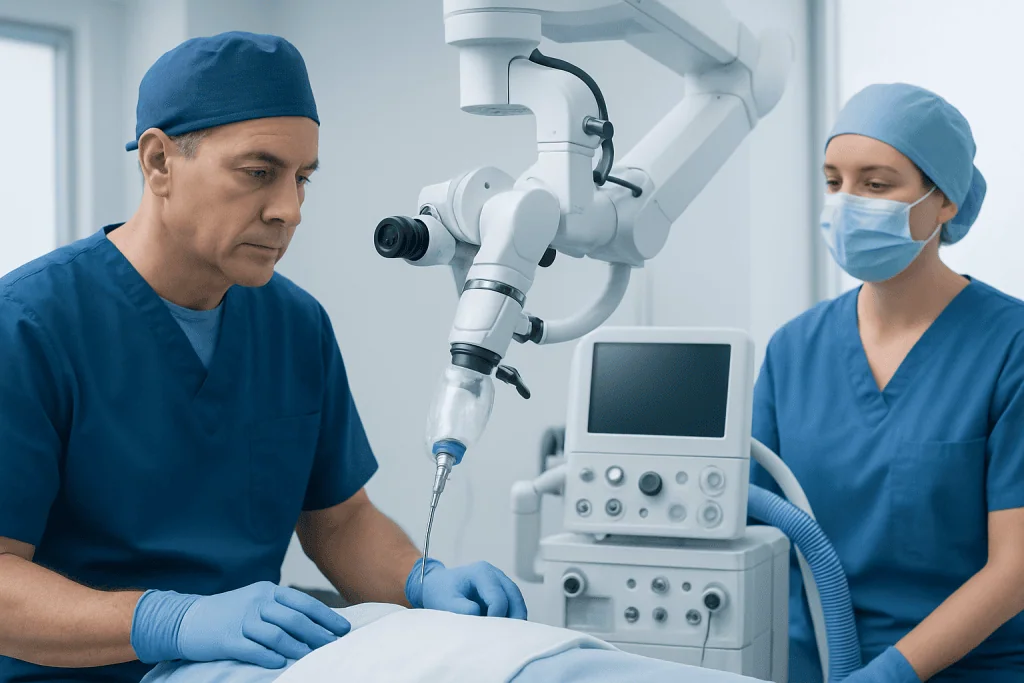
Before recommending surgery, the care team confirms the diagnosis and considers whether medicines, lifestyle treatment, monitoring, catheter procedures or surgery offer the best balance of benefit and risk. Evaluation can include blood tests, electrocardiography, echocardiography, CT or MRI scanning, lung-function tests, cardiac catheterization and coronary angiography. The tests used depend on the suspected condition.
In open-heart surgery, a surgeon may make an incision through the sternum, or breastbone, to access the heart. For some operations, a heart-lung machine temporarily circulates and oxygenates the blood while the heart is safely still. Other procedures can be performed while the heart continues beating. The technique is chosen for medical reasons rather than convenience alone.
Thoracic surgery focuses on the lungs and other chest structures. It may be done by thoracotomy, which uses a larger incision between the ribs, or through minimally invasive approaches such as video-assisted thoracoscopic surgery. The operation can involve removing a lung nodule, a section of lung, a whole lobe, or treating another chest condition. Heart bypass surgery is one example of a cardiac operation used to improve blood flow when coronary arteries are significantly narrowed or blocked.
Who May Be a Candidate for CT Surgery?

Candidacy depends on the specific condition, its severity, symptoms, test results and the person’s overall health. Surgery may be considered when symptoms are limiting daily life, when a condition creates a meaningful future risk, or when less invasive treatments are unlikely to provide adequate benefit. In urgent settings, such as certain acute aortic or cardiac problems, surgery may be needed quickly.
For coronary artery disease, bypass surgery may be advised when several coronary arteries are affected, when the left main coronary artery is involved, when heart pumping function is reduced, or when anatomy is not well suited to stenting. For valve disease, repair or replacement may be considered when valve narrowing or leakage is severe or begins affecting heart function. Patients with coronary artery disease benefit from a discussion of all appropriate treatment options.
Age alone does not determine whether surgery is appropriate. The team also reviews kidney function, lung disease, diabetes, frailty, previous operations, nutritional status, medicines and personal goals. Smoking cessation, diabetes management, dental assessment when indicated, physical conditioning and medication review can help prepare a person for surgery and recovery.
- Questions about benefits, alternatives and expected recovery should be discussed before consenting to surgery.
- Family or caregiver support is helpful because assistance may be needed at home during early recovery.
- Patients should tell the team about all prescribed medicines, supplements, allergies and previous reactions to anesthesia.
What Happens Step by Step During the Procedure?
On the day of surgery, the patient meets the anesthesia and surgical teams, and safety checks are completed. General anesthesia is used for most cardiothoracic operations, so the patient is asleep and does not feel the procedure. Monitoring equipment tracks the heart rhythm, blood pressure, oxygen level, urine output and other important measures throughout surgery.
The surgeon then uses the planned approach: a sternotomy for many open-heart procedures, an incision between the ribs for thoracic surgery, or smaller incisions for minimally invasive techniques. In coronary bypass surgery, a healthy blood vessel from the chest, arm or leg may be used to create a new route around a narrowed coronary artery. In valve surgery, the surgeon may repair the native valve or replace it with a biological or mechanical valve.
After the procedure, the incision is closed and the patient is transferred to an intensive care or high-dependency area for close observation. Breathing support is usually temporary. Tubes and monitoring lines are removed as the person stabilizes. The operation length and hospital stay vary considerably, so the surgical team is the best source of procedure-specific information.
Recovery Timeline, Benefits and Possible Risks
Recovery begins in hospital with careful monitoring, pain control, breathing exercises and gentle movement. Sitting up, standing and walking with assistance are encouraged as soon as medically safe because they support lung function, circulation and strength. After open-heart surgery, many people stay in hospital for several days, although the exact timing varies with the procedure and any complications.
At home, energy often returns gradually over weeks rather than days. People recovering from a sternotomy may need to follow precautions on lifting, pushing and pulling until the breastbone heals. Cardiac rehabilitation can provide supervised exercise, education and support after many heart procedures. Pulmonary rehabilitation or breathing-focused physiotherapy may be useful after selected lung operations. Cardiac rehabilitation can help patients rebuild confidence and safely return to daily activity.
Potential benefits include improved blood flow to the heart, relief of symptoms, better valve function, removal of diseased lung tissue or prevention of progression in selected conditions. Risks differ by operation but can include bleeding, infection, abnormal heart rhythms, blood clots, stroke, kidney problems, breathing complications, wound healing problems and reactions to anesthesia. A surgeon explains the risks most relevant to the individual patient before surgery.
Follow-up appointments are important for reviewing healing, medicines, heart rhythm, blood pressure, lung function and rehabilitation progress. Long-term outcomes are also influenced by controlling cholesterol, blood pressure and diabetes, avoiding tobacco, following a heart-healthy eating pattern and taking prescribed medicines consistently.
What Is the Hardest Part of Open-Heart Surgery Recovery?
For many people, the hardest part of open-heart surgery recovery is that improvement can feel slower and less predictable than expected. Fatigue, interrupted sleep, discomfort when moving or coughing, and temporary emotional changes can all affect day-to-day life. The body is healing from a major operation, and strength usually returns in stages.
Healing of the breastbone also requires patience. Activities involving heavy lifting, forceful pushing or pulling may be restricted for a period recommended by the surgical team. Walking, prescribed breathing exercises, adequate protein and fluid intake, medication adherence and participation in rehabilitation can support a steady recovery.
Low mood, worry and changes in sleep can occur after major surgery and should be shared with the care team rather than managed alone. Support from family, rehabilitation professionals and mental health clinicians can be valuable. Persistent or worsening symptoms deserve medical review because they may sometimes signal a treatable complication.
How Hard Is CT Surgery? What Happens to the Ribs?
CT surgery can be physically demanding because it involves major organs and often requires general anesthesia, a hospital stay and a structured recovery period. However, the degree of difficulty differs substantially between procedures. A minimally invasive operation for a small lung lesion is not the same as complex open-heart, aortic or combined heart-lung surgery.
In a standard open-heart operation, surgeons usually divide the sternum rather than the ribs. The breastbone is closed with strong surgical wires and heals over time, much like a bone fracture. Patients may feel chest stiffness, clicking sensations or muscular soreness during early recovery, but concerning movement, increasing pain, redness or drainage at the incision should be reported promptly.
For thoracotomy, the incision is made between the ribs, and muscles and tissues in that area are moved to create access to the chest. The ribs are generally not removed, although rib spreading can cause temporary soreness or altered sensation. Minimally invasive thoracic approaches may reduce incision size, but they still require recovery and pain management tailored to the individual.
What Can You Never Eat Again After a Heart Bypass?
There is usually no single food that every person must never eat again after heart bypass surgery. The goal is a sustainable eating pattern that supports heart and blood vessel health, rather than a rigid list of forbidden foods. Individual advice may differ for people with diabetes, kidney disease, swallowing difficulties, fluid restrictions or other medical needs.
Most cardiac teams encourage a pattern rich in vegetables, fruits, whole grains, legumes, nuts when suitable, fish and other lean protein sources. Foods high in saturated fat, trans fat, salt and added sugars are best limited because they can contribute to high cholesterol, high blood pressure and weight gain. Highly processed meats, deep-fried foods and frequent sugary drinks are examples to reduce rather than rely on.
After bypass surgery, diet is only one part of prevention. Taking cholesterol-lowering and other prescribed medicines, attending follow-up care, remaining physically active within medical guidance and avoiding tobacco are equally important. A registered dietitian can help create an eating plan that is culturally appropriate, realistic and compatible with other health conditions.
When to Seek Medical Care
Anyone with new or worsening chest pressure, severe shortness of breath, fainting, sudden weakness, a fast or irregular heartbeat with symptoms, or coughing up blood should seek urgent medical assessment. These symptoms can have several causes and should not be self-diagnosed. Emergency services should be used for severe or rapidly worsening symptoms.
After cardiothoracic surgery, patients should contact their clinical team promptly for fever, increasing redness or discharge from the incision, worsening swelling, persistent vomiting, new confusion, uncontrolled pain, or a noticeable decline in breathing or exercise tolerance. Sudden chest pain, severe breathlessness or signs of stroke require emergency care.
Questions about yale surgery scheduling are best directed to the relevant hospital or surgeon’s administrative team, as appointment processes vary. Acibadem International’s multidisciplinary specialists and JCI-accredited hospitals assess and treat heart and chest conditions for international patients, with care plans based on the person’s diagnosis and needs. Heart valve surgery and lung cancer surgery are examples of procedures that may require coordinated evaluation across specialties.
Frequently asked questions
Is Yale CT surgery the same as cardiothoracic surgery?
In common use, Yale CT surgery refers to cardiothoracic surgical care. Cardiothoracic surgery includes operations involving the heart, lungs, chest and related blood vessels, but the precise service structure can differ between hospitals.
How long does it take to recover from open-heart surgery?
Recovery varies by operation, age, overall health and whether complications occur. Many people need several weeks before they feel more comfortable with daily activities, while full recovery and return to unrestricted activity may take longer. The surgical team provides individualized guidance about work, driving, exercise and lifting.
Can open-heart surgery be performed without opening the breastbone?
Some heart procedures can be performed through smaller incisions, depending on the condition and a patient’s anatomy. However, a sternotomy remains the safest and most appropriate approach for many operations. The surgeon will explain which technique is suitable and why.
Are the ribs broken during open-heart surgery?
Usually, no. Standard open-heart surgery generally involves dividing the breastbone, not breaking the ribs. Thoracic surgery performed through an incision between ribs may cause rib-area soreness because tissues are moved or separated to access the chest.
What is cardiac rehabilitation after bypass surgery?
Cardiac rehabilitation is a medically supervised program that combines exercise training, education, risk-factor management and emotional support. It can help patients regain physical function and develop habits that protect long-term heart health. Participation is recommended when clinically appropriate.
When can a person drive after heart surgery?
Driving should resume only after approval from the surgical or cardiac team. Timing depends on the operation, healing of the chest incision, pain medicines, reaction time and ability to perform an emergency stop comfortably. Patients should also check local legal and insurance requirements.
References
- American Heart Association
- American College of Cardiology
- Society of Thoracic Surgeons
- National Heart, Lung, and Blood Institute
- National Health Service
This article is for general information only and is not a substitute for professional medical advice. Please consult a qualified doctor about your individual situation.
Explore treatments in Turkey — costs, top hospitals & a free quote
JCI-accredited · board-certified surgeons · reply within 24h
Add us as a Preferred Source to see more of our trusted health content across Google Search, AI Overviews and Discover.

More from the Health Library



Related Specialists
Dr. Mehmet Kesikminare
Pediatrics
Dr. Nalyan Shener Gulagiz
Emergency Service
Assoc. Prof. Dr. Serdar Baylançiçek
Otorhinolaryngology
Fzt. Türkü Düzel
Physical Medicine & Rehabilitation