Double Switch Operation: Procedure, Recovery and Results

A double switch operation combines two repairs to correct the circulation in selected people with ccTGA. The procedure is usually considered before the systemic right ventricle develops significant weakness or valve leakage.
Key Takeaways
- A double switch operation combines two repairs to correct the circulation in selected people with ccTGA.
- The procedure is usually considered before the systemic right ventricle develops significant weakness or valve leakage.
- Recovery involves intensive monitoring in hospital followed by months of gradual return to activities and lifelong congenital heart follow-up.
- Risks include rhythm problems, valve dysfunction, obstruction of repaired pathways and the possible need for future procedures.
- Long-term outcomes can be favorable in experienced congenital heart centers, but follow-up remains essential throughout life.
A double switch operation is a specialized congenital heart surgery used mainly for congenitally corrected transposition of the great arteries (ccTGA). It redirects blood flow and may help place the stronger left ventricle in the role of pumping blood to the body, but suitability and long-term outlook depend on each person’s heart anatomy and function.
Overview: what is a double switch heart surgery?
A double switch operation is a complex open-heart operation for selected people with a congenital heart difference called congenitally corrected transposition of the great arteries (ccTGA). In ccTGA, the heart’s lower chambers and major arteries are connected in an unusual way. Because there are two “switches” in the circulation, blood can still move to the lungs and body in the correct overall direction, but the right ventricle may be left doing the demanding work of pumping blood to the body.
The double switch procedure aims to restore a more efficient arrangement by directing the left ventricle to pump blood to the body. It combines an atrial switch, which reroutes blood returning to the heart, with an arterial switch or, in some anatomical situations, a procedure that connects the left ventricle to the pulmonary artery. The exact surgical plan is individualized after detailed congenital heart assessment.
This is not the same as “double bypass surgery,” a term commonly used for coronary artery bypass surgery in adults with narrowed heart arteries. A double switch repair treats a congenital structural heart condition and is typically performed by a pediatric or adult congenital cardiac surgery team.
How the double switch procedure works
In a typical circulation, the right ventricle sends blood to the lungs, while the left ventricle pumps oxygen-rich blood to the body. In ccTGA, the right ventricle may act as the body’s main pumping chamber. Although it can work well for many years, it is not naturally designed to sustain the higher pressure of the body’s circulation over a lifetime.
The first component, the atrial switch, creates internal pathways, often called baffles, within the upper chambers of the heart. These pathways redirect oxygen-poor blood toward the left ventricle and lungs, and oxygen-rich blood toward the right side of the circulation.
The second component is commonly an arterial switch operation. The surgeon reconnects the great arteries so the left ventricle can pump blood into the aorta and out to the body. The coronary arteries, which supply blood to the heart muscle, must also be carefully transferred. For patients with additional narrowing below or at the pulmonary valve, a different second-stage repair may be used, such as a Rastelli-type connection, depending on the anatomy.
Who may be a candidate for double switch repair?

A double switch procedure for corrected transposition is considered only after a careful review by a congenital heart team. Candidates may include infants, children or, less commonly, adults with ccTGA whose left ventricle is able to support the body’s circulation or can be prepared to do so. Timing is important because progressive weakness of the systemic right ventricle or worsening leakage of the tricuspid valve can affect treatment choices.
Doctors evaluate the heart’s chambers, valves, rhythm and blood vessels with echocardiography, cardiac magnetic resonance imaging, electrocardiography and sometimes cardiac catheterization. They also assess associated findings, such as a ventricular septal defect, pulmonary narrowing, abnormal valve structure or prior heart surgery.
Not every person with ccTGA needs or benefits from this operation. Some people are better managed with monitoring, medicines, treatment for a valve problem, a pacemaker for heart block, or another form of congenital heart surgery. The decision balances current symptoms, anatomy, ventricular performance, age, prior procedures and the anticipated long-term benefit.
Step by step: what happens during surgery?
Before surgery, the team performs imaging and routine preoperative testing and discusses the planned repair, possible alternatives and expected recovery. The operation is performed under general anesthesia. The surgeon opens the chest through the breastbone and uses a heart-lung machine to maintain circulation while the repair is carried out.
During the atrial switch portion, the surgeon creates carefully shaped channels that guide blood to the appropriate ventricle. During an arterial switch, the great arteries are divided and reattached in their intended positions. The coronary arteries are moved to the new aorta so the heart muscle continues to receive blood. If the anatomy requires a different approach, the surgeon may construct a pathway, sometimes using a conduit, between the left ventricle and pulmonary artery.
After the repair, the heart is restarted and the team checks blood flow, valve function and pressures with intraoperative imaging. Temporary pacing wires and chest drains may be placed. Because this is a highly individualized operation, the exact steps and duration vary considerably from one patient to another.
How long does an arterial switch procedure take?
An arterial switch procedure often takes several hours, but there is no single standard duration. The total operating-room time includes anesthesia, preparation, cardiopulmonary bypass, the repair itself and the period needed to ensure the heart is functioning safely after surgery.
When an arterial switch is part of a double switch operation, surgery may take longer than an isolated arterial switch because the atrial rerouting and any associated repairs add complexity. Operations can also take longer when there are coronary artery variations, valve problems, a ventricular septal defect or previous chest surgery.
The surgical team can provide the most meaningful estimate after reviewing imaging and the proposed operation. Families are also usually told that the length of surgery does not by itself predict recovery; the heart’s response after the procedure and any associated conditions are equally important.
Recovery timeline and expected results
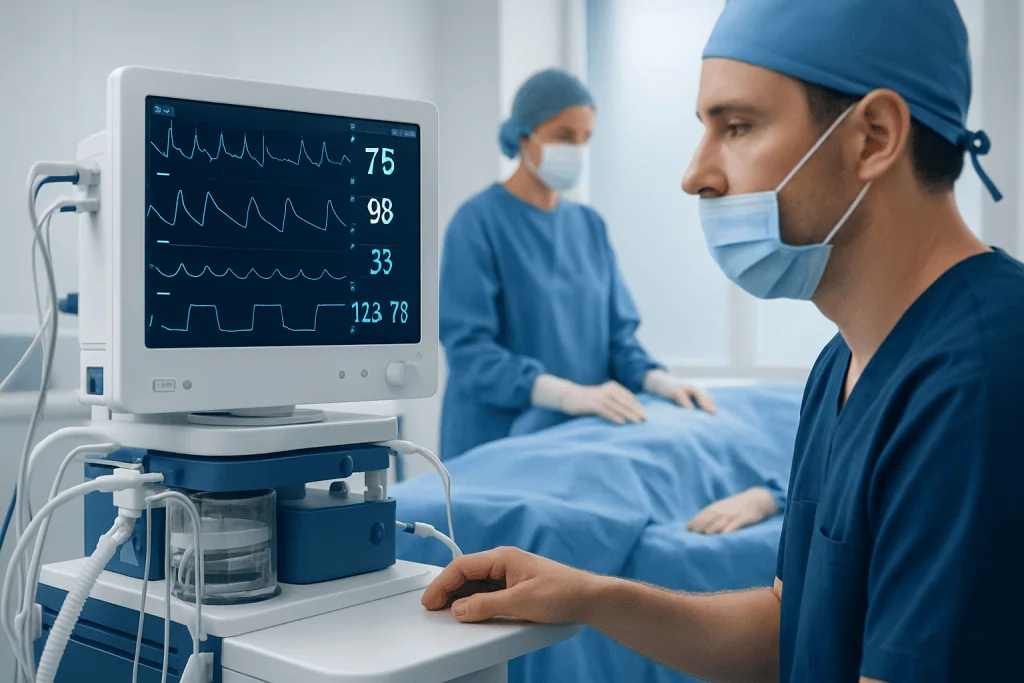
After a double switch operation, patients recover first in a cardiac intensive care unit. They may need a breathing tube and medicines to support heart function for a short time, followed by close monitoring of heart rhythm, blood pressure, oxygen levels and fluid balance. The hospital stay varies, but it commonly includes intensive care followed by recovery on a cardiac ward.
In the weeks after discharge, tiredness, reduced appetite, discomfort around the incision and gradual rebuilding of stamina are common. Children may need several weeks away from school, while adults may need a longer period before resuming work or driving. Follow-up visits assess healing, rhythm, heart function and the repaired circulation.
How long does it take to feel normal after double bypass surgery? This question usually refers to coronary bypass surgery rather than a double switch operation. After either type of open-heart surgery, many people notice meaningful improvement over six to twelve weeks, but recovery from a double switch repair is highly individual and may take several months. A clinician should guide activity progression, especially for infants, children and adults with congenital heart disease.
The intended result is to have the left ventricle support the body’s circulation, potentially reducing the long-term strain on the right ventricle. Even after a successful repair, lifelong follow-up with a congenital cardiology team is necessary because changes in rhythm, valves, baffles, coronary arteries or ventricular function can occur over time.
Benefits, risks and long-term outlook
A potential benefit of the double switch operation is that it places the left ventricle, which is built to handle higher pressure, in the systemic pumping role. For appropriately selected patients, this may offer a more favorable physiological arrangement than leaving the right ventricle to pump to the body indefinitely.
Like all major heart surgery, the operation has risks. These may include bleeding, infection, blood clots, stroke, temporary or persistent heart rhythm problems, heart block requiring a pacemaker, reduced heart function and complications related to anesthesia or the heart-lung machine. Specific longer-term concerns include narrowing or leakage in the atrial baffles, problems with coronary artery blood flow, valve leakage, obstruction in reconstructed pathways and the need for later catheter-based or surgical treatment.
What is the average life expectancy after an arterial switch operation? There is no reliable single average that applies to every person. Many people who have an arterial switch operation in infancy live into adulthood, and long-term survival in experienced centers is generally very good. However, life expectancy depends on the original heart anatomy, coronary artery pattern, associated defects, surgical history and later complications; ongoing specialist follow-up is needed to support the best possible long-term health.
Results after a double switch procedure are also influenced by when surgery occurs and the condition of the heart before repair. Regular imaging and rhythm monitoring help identify concerns early, often before they cause obvious symptoms.
When to seek medical care
Anyone with ccTGA or a history of double switch repair should keep scheduled appointments with a congenital cardiologist, even when feeling well. New symptoms should be discussed promptly, especially reduced exercise tolerance, unusual tiredness, palpitations, fainting, chest discomfort, increasing swelling of the legs or abdomen, breathing difficulty, or a noticeable change in a child’s feeding, growth or activity level.
Urgent medical assessment is appropriate for severe or persistent chest pain, marked shortness of breath, fainting, blue or gray discoloration of the lips or skin, or a fast or irregular heartbeat associated with dizziness or weakness. Parents and caregivers should seek urgent help if an infant or child has significant breathing difficulty, poor feeding with sweating, extreme sleepiness or bluish color.
Acibadem International’s multidisciplinary congenital heart specialists and JCI-accredited hospitals evaluate and treat complex heart conditions for international patients. A qualified cardiac team can explain whether a double switch operation or another approach is appropriate for an individual anatomy and stage of life.
Frequently asked questions
What is a double switch heart surgery?
A double switch heart surgery is a congenital heart operation used mainly for selected patients with congenitally corrected transposition of the great arteries. It combines atrial rerouting of blood flow with an arterial switch or another tailored reconstruction, helping the left ventricle become the main pump to the body.
Is a double switch operation the same as double bypass surgery?
No. Double bypass surgery usually means coronary artery bypass grafting to treat narrowed coronary arteries in adults. A double switch operation corrects an abnormal arrangement of heart chambers and great arteries present from birth.
How long does an arterial switch procedure take?
The operation generally takes several hours, including anesthesia, cardiopulmonary bypass and postoperative checks in the operating room. A double switch repair can take longer because it includes additional rerouting and may involve other congenital heart repairs.
How long does it take to feel normal after double bypass surgery?
After coronary bypass surgery, many people gradually regain energy over six to twelve weeks, although full recovery can take longer. A double switch operation has a different purpose and recovery course, and the timeline depends on age, heart function, associated repairs and any complications.
What is the average life expectancy after an arterial switch operation?
A single average life expectancy cannot accurately describe everyone after an arterial switch operation. Many patients have good long-term survival into adulthood, but their outlook depends on anatomy, associated heart differences, surgical details and lifelong follow-up findings.
Will a person need follow-up after a double switch procedure?
Yes. Lifelong care with a congenital cardiology team is important after double switch surgery, even if the person has no symptoms. Follow-up may include examinations, echocardiograms, rhythm testing and other imaging to monitor the heart and repaired pathways.
References
- American Heart Association
- American College of Cardiology
- European Society of Cardiology
- Centers for Disease Control and Prevention
- Society of Thoracic Surgeons
This article is for general information only and is not a substitute for professional medical advice. Please consult a qualified doctor about your individual situation.
Explore treatments in Turkey — costs, top hospitals & a free quote
JCI-accredited · board-certified surgeons · reply within 24h
Add us as a Preferred Source to see more of our trusted health content across Google Search, AI Overviews and Discover.