

How Your Medical History Is Reviewed Before Treatment Approval

Before treatment approval, your medical history is reviewed to confirm the diagnosis, assess overall health, and identify any risks that could affect the planned procedure or therapy. At Acibadem in Turkey, this process typically includes evaluating previous diagnoses, medications, test results, allergies, and past surgeries so the care team can decide whether treatment is appropriate and what additional examinations or…
Before a treatment plan can be confirmed, your medical history is carefully reviewed so the team can understand your diagnosis, risks, previous care, and travel readiness. This guide explains what happens behind the scenes and how you can help the process move smoothly.
At a glance
- Main purpose: To check whether the requested treatment is appropriate, safe, and realistically planned for you
- Documents needed: Recent reports, imaging, pathology, lab results, prescriptions, and a summary of previous treatment
- Who reviews it: Relevant specialist physicians, supported by international patient coordinators and interpreters when needed
- What you receive: Guidance on next steps, possible appointments, additional tests, and whether in-person assessment is needed
- Important note: Final treatment decisions are made after clinical evaluation and may change after examination or new test results
Why your medical history is reviewed first
Your medical history review is the first practical step in planning treatment abroad. Before you travel, the care team needs to understand what has already happened: your diagnosis, symptoms, test results, medications, allergies, surgeries, and any complications. This helps avoid repeating unnecessary steps and helps identify which specialist or department should be involved.
For international patients, this review is also a safety checkpoint. A treatment that sounds suitable in general may not be appropriate for you if you have heart disease, kidney problems, blood clotting risks, active infection, uncontrolled diabetes, pregnancy, or other medical factors. Reviewing your records in advance helps the team decide whether you may need extra tests, anesthesia clearance, a different treatment sequence, or a longer stay.
At Acibadem International, your submitted information is directed through international patient services to the relevant medical specialty. The goal is not to make a final promise from a distance, but to prepare a responsible pathway: which doctor should see you, what records are missing, what tests may be repeated, and whether your expectations match what can be safely assessed after arrival.
What records are most useful to send
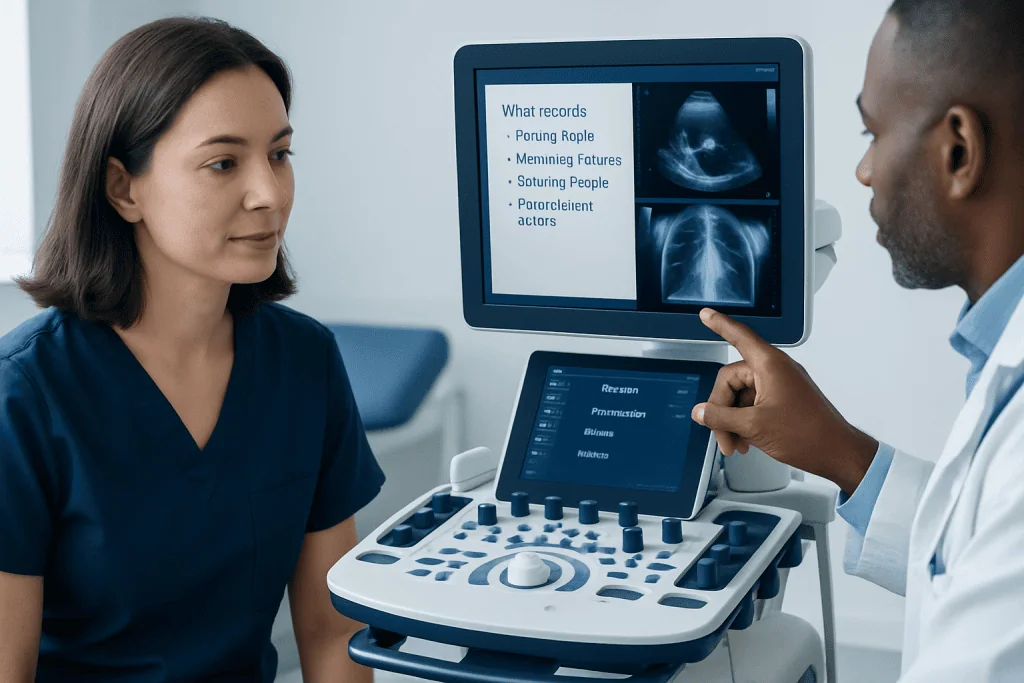
The most useful records are clear, dated, and directly related to your current condition. A one-page summary can be very helpful, but it should not replace official reports. If you have many years of documents, try to send the most recent and important records first, especially anything that changed your diagnosis or treatment plan.
In many cases, the review team will ask for imaging files, not only written imaging reports. For example, MRI, CT, PET-CT, ultrasound, angiography, or X-ray reports are helpful, but the original images on CD, USB, secure link, or DICOM format may be needed for a specialist to review details. For cancer care, pathology reports and, when available, pathology slides or blocks may be important for confirming the diagnosis.
Commonly requested documents include:
- Diagnosis reports, discharge summaries, and previous consultation notes
- Recent laboratory results and blood tests
- Imaging reports and original image files when available
- Pathology, biopsy, genetic, or molecular test reports if relevant
- Medication list with doses, including blood thinners, insulin, pain medicine, supplements, and allergy history
- Records of previous surgery, chemotherapy, radiotherapy, rehabilitation, or implanted devices
How the review process usually works

After you contact Acibadem International, a patient coordinator usually helps collect your basic information and medical documents. If your records are not in English or Turkish, the team may advise which documents require translation or help clarify key details. You may also be asked about your preferred travel dates, current symptoms, mobility level, and whether you will come with a companion.
Your file is then shared with the appropriate medical department or specialist team. Depending on your condition, more than one specialty may be involved. For example, a patient with a tumor may need input from oncology, surgery, radiology, pathology, and sometimes cardiology or anesthesia. A patient seeking orthopedic surgery may need imaging review, medical clearance considerations, and rehabilitation planning.
The response you receive may include a recommended consultation, preliminary treatment direction, additional records needed, or advice to complete urgent care locally before travel. In some cases, the team may explain that treatment approval cannot be given remotely and that an in-person examination is required before any procedure can be scheduled. This is a normal part of safe medical planning, not a delay for its own sake.
What doctors look for before approving treatment
Doctors review your history to answer several practical questions. Is the diagnosis clear? Is the requested treatment medically appropriate? Are there warning signs that need urgent attention? Are there health conditions that could increase the risk of anesthesia, surgery, medication, or travel? The review also helps decide whether your case is straightforward or requires a multidisciplinary discussion.
They also look at timing. Some treatments cannot safely wait, while others require preparation before they can begin. If you recently had a heart attack, stroke, infection, blood clot, major surgery, or certain medications, the team may need additional clearance. If your condition is progressive, the doctor may ask for updated imaging or blood tests because older results may no longer reflect your current situation.
Another key point is whether your treatment goals are realistic. A remote file review can help guide expectations, but it cannot replace examination, new testing, and a face-to-face medical discussion. Treatment approval is therefore often step-by-step: first, your records are accepted for planning; then you are scheduled for consultation and tests; finally, the treatment plan is confirmed after the clinical team has complete information.
Why additional tests may be requested after arrival
It can feel frustrating if you already sent many records and are still asked to repeat tests. However, repeat or updated tests are often requested for safety and accuracy. Some results may be too old, incomplete, taken with different technical standards, or not detailed enough for the planned treatment. In other cases, the doctor needs a current baseline before starting medication, surgery, chemotherapy, radiotherapy, or another intervention.
Hospitals may also need tests that meet their internal safety protocols. These can include blood work, infection screening, cardiac evaluation, anesthesia assessment, imaging, or specialist consultation. In JCI-accredited hospitals such as Acibadem’s network, standardized patient safety processes help the team confirm identity, diagnosis, risks, and readiness before treatment begins.
Additional testing does not always mean your previous doctors were wrong. It often means the team is taking responsibility for the treatment they will provide. If a new result changes the plan, your doctor should explain why and discuss the next safest option with you.
How to make your review smoother and faster
You can help the review move more efficiently by sending organized records and being honest about your full medical background. Include conditions that may seem unrelated, such as high blood pressure, asthma, kidney disease, hepatitis, sleep apnea, previous blood clots, or reactions to anesthesia. Also include current symptoms, recent hospitalizations, and any changes since your last report.
Use clear file names when possible, such as “MRI brain report March 2026” or “Medication list current.” If you are sending images through a link, make sure the link works internationally and does not expire too quickly. If a family member is helping, confirm that they have the latest documents and your permission to communicate on your behalf.
It is also helpful to prepare a short timeline of your condition. Note when symptoms began, when you were diagnosed, what treatments you received, whether they helped, and why you are now seeking care in Turkey. This gives the medical team context and helps your coordinator ask more precise follow-up questions.
What treatment approval does and does not mean
Preliminary treatment approval means your case appears suitable for further assessment or planned care based on the information available. It may allow the international patient team to arrange appointments, estimate the likely hospital pathway, and advise on travel timing. It is an important step, but it is not a guarantee that a specific procedure will definitely happen on a specific date.
Final approval depends on your in-person examination, updated results, anesthesia assessment if needed, and the doctor’s clinical judgment. If new information appears after arrival, the plan may change. For example, a surgery may be postponed for infection control, a different treatment may be recommended after imaging, or a specialist may advise managing another health issue first.
This careful approach protects you. A responsible team will not rush into treatment simply because you traveled a long distance. Acibadem International’s role is to coordinate the logistics around this medical decision-making process, including interpreter support, appointment planning, and guidance for your companion, while the clinical team focuses on safety and appropriateness.
Step by step
- Share your basic request. Start by explaining your diagnosis or main symptoms, the treatment you are considering, and your preferred timing. If you are unsure which department you need, the international patient team can help direct your file to the appropriate specialty.
- Send your key medical records. Provide recent reports, imaging, lab results, pathology documents, medication lists, and discharge summaries. Clear, dated documents help the medical team understand your case more quickly.
- Answer follow-up questions. Your coordinator or medical team may ask about allergies, previous operations, current symptoms, mobility, or other health conditions. These questions are part of the safety review and help avoid surprises after arrival.
- Wait for specialist review. Your file is shared with the relevant doctor or multidisciplinary team when needed. The response may include a preliminary opinion, a request for more documents, or a recommendation for in-person consultation.
- Review the proposed next steps. You may receive guidance about appointments, possible tests, estimated hospital flow, and whether a companion is recommended. Read this carefully and ask for clarification before booking travel.
- Plan travel only after practical guidance. Do not assume treatment can begin immediately on arrival unless the team has confirmed the expected pathway. Leave flexibility in your schedule in case additional tests or consultations are needed.
- Confirm the plan after arrival. Final medical decisions are made after examination and updated assessments. Your doctor will explain the confirmed treatment plan, alternatives, risks, and any changes from the preliminary review.
Your checklist
- Passport copy and correct contact details
- Short written timeline of your illness or symptoms
- Most recent consultation notes and diagnosis reports
- Imaging reports plus original image files if available
- Pathology, biopsy, or genetic test reports when relevant
- Current medication list with doses and allergy information
- Discharge summaries from previous hospital stays or surgeries
- Information about implanted devices, pacemakers, stents, or prostheses
- Details of current mobility needs, oxygen use, dialysis, or special assistance
- Questions you want the doctor or coordinator to answer before travel
Key takeaways
- Your medical history is reviewed to match you with the right specialist and assess whether treatment can be planned safely.
- The most useful files are recent, dated, complete, and include original imaging when available.
- Preliminary treatment approval is not the same as final approval; final decisions depend on in-person assessment.
- Additional tests after arrival are common and are often needed for safety, accuracy, and hospital protocols.
- Acibadem International can help coordinate records, interpreters, appointments, and travel-related support around your clinical review.
Frequently asked questions
Can treatment be approved before I travel to Turkey?
In some cases, doctors can give preliminary guidance based on your records, and this may be enough to start planning appointments. However, final treatment approval usually depends on examination, updated tests, and the doctor’s assessment after you arrive. You should treat any remote review as a planning step rather than a guaranteed final decision.
What if my medical records are not in English or Turkish?
Send what you have first and tell your coordinator which language the documents are in. The team may advise which reports are most important to translate, especially diagnosis, pathology, imaging conclusions, and discharge summaries. Clear translation helps prevent misunderstandings and supports faster review.
Do I need to send all my records from many years ago?
Not always. Start with the most recent and most relevant records, plus any document that explains your original diagnosis, major surgery, complication, or change in treatment. If older information is needed, the medical team will ask for it.
Why might the doctor ask for imaging files if I already sent the report?
A written report summarizes findings, but the specialist may need to inspect the actual images for details that affect treatment planning. This is especially common for surgery, oncology, neurology, orthopedics, cardiology, and complex diagnostic cases. If possible, send DICOM files or a secure image link.
Can my treatment plan change after I arrive?
Yes. New test results, examination findings, anesthesia assessment, or specialist discussion may lead to a different plan. This is part of safe care, and your doctor should explain the reason for any change before proceeding.
How does Acibadem International support the review process?
Acibadem International helps international patients organize communication, submit medical records, arrange appointments, and access interpreter support when needed. The clinical review is performed by relevant medical specialists, while the international patient team supports the practical steps around your care journey.
Should I stop or change medications before my review?
Do not stop or change prescribed medications unless your treating doctor tells you to do so. Instead, share a complete medication list, including blood thinners, diabetes medicines, heart medicines, supplements, and allergy history. If changes are needed before a procedure, the medical team will guide you safely.
Add us as a Preferred Source to see more of our trusted health content across Google Search, AI Overviews and Discover.
More Patient Guides

Need More Than One Specialist in Turkey? How Multidisciplinary Care Is Coordinated
Multidisciplinary care in Turkey means your specialists coordinate tests, opinions and treatment plans so you can move through care with fewer delays.
9 min read
How to Compare Hospitals in Turkey for Complex Treatment
Compare hospitals in Turkey for complex treatment by checking accreditation, specialist teams, ICU support, coordination, and follow-up.
9 min read
At Acibadem, How We Explain Surgical Risks and Safety Checks Before You Travel
Surgical risks and safety checks before travel means understanding your personal risk, required tests, and travel timing before coming to Turkey.
9 min read