

How to Decide If Treatment in Turkey Is Right for You

Treatment in Turkey may be right for you if you want specialist care, a clear treatment plan, and coordinated support for travel, diagnosis, treatment, and follow-up in one process. At Acibadem, international patients are guided through medical evaluation, doctor selection, scheduling, and practical arrangements so they can compare their options and make an informed decision.
Choosing treatment abroad is a personal decision that combines medical needs, trust, timing, travel comfort, and aftercare planning. This guide helps you decide whether treatment in Turkey is a practical and safe fit for you.
At a glance
- Best for: Patients seeking specialist review, coordinated hospital care, and international support
- Key decision factors: Diagnosis, treatment urgency, safety standards, costs, travel readiness, and follow-up needs
- Support to ask about: Medical record review, interpreters, airport transfers, accommodation, and care coordination
- Important documents: Recent reports, scans, medication list, diagnosis notes, passport, and insurance information
- Main caution: Do not travel until your medical team confirms you are fit to fly and have a follow-up plan
Start with the reason you are considering treatment abroad
Before comparing hospitals, flights, or hotel options, take a quiet look at your main reason for considering treatment in Turkey. You may be looking for a second opinion, faster access to a specialist, a coordinated plan for a complex condition, or treatment that is difficult to arrange at home. Being clear about your purpose helps you ask better questions and avoid being overwhelmed by information.
A helpful first step is to write down what you already know about your diagnosis, what your doctors have recommended, and what you still need to understand. If you are comparing more than one destination or hospital, use the same questions for each provider so your comparison is fair. Focus on practical facts: who will review your case, what tests may be needed, how long you may need to stay, and what follow-up will look like after you return home.
Turkey can be a suitable option for many international patients because it has large multidisciplinary hospitals, experienced specialist teams, and established international patient pathways. At Acibadem International, for example, patient coordinators can help collect medical records, arrange interpreter support, and guide you through the non-medical parts of your visit. This support can be especially helpful if you are planning care in a country where you do not speak the language.
Check whether your medical situation is suitable for travel
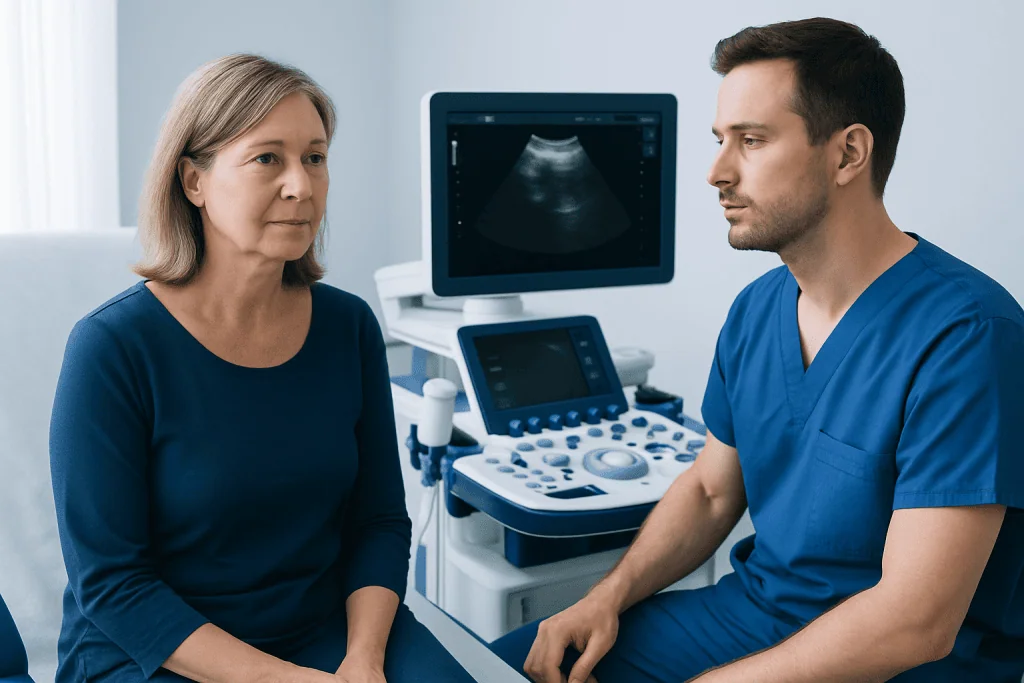
Not every medical condition is suitable for travel, even when the treatment option itself is appropriate. Your fitness to fly depends on your diagnosis, current symptoms, recent procedures, medications, mobility, infection risk, and the urgency of care. If you have a heart, lung, neurological, or blood clotting condition, or if you have recently had surgery, you should ask your doctor whether air travel is safe before making bookings.
You should also consider whether your condition may worsen during the journey or require urgent support. Long flights, airport walking distances, time zone changes, and waiting times can be tiring. If you need oxygen, wheelchair assistance, refrigerated medication, injections, or help with personal care, these details should be planned in advance with your airline and patient coordinator.
When you contact a hospital abroad, send your most recent and complete medical records. These may include blood tests, imaging scans, pathology reports, operation notes, discharge summaries, and current prescriptions. A specialist team can only give meaningful guidance when they understand your full medical picture; missing records may lead to delays or the need to repeat tests after arrival.
Look closely at hospital quality and safety standards

When you are choosing treatment abroad, hospital quality should be one of your first checks. Look for internationally recognized accreditation, structured patient safety systems, qualified specialists, modern diagnostic capacity, and clear communication before and after treatment. Accreditation does not replace your own questions, but it can show that a hospital follows external standards for safety, quality improvement, infection control, and patient rights.
Acibadem hospitals serving international patients include JCI-accredited facilities, which means they are evaluated against international healthcare quality and safety standards. For you as a patient, this can provide reassurance that there are formal systems behind the care journey, from admission and medication safety to infection prevention and discharge planning. You can also ask how your case will be discussed, whether more than one specialist will be involved, and who will be your main medical contact.
For complex diagnoses, multidisciplinary care can be important. This means that different specialists may review your case together or coordinate around a shared treatment plan. It is reasonable to ask whether your records will be reviewed before travel, whether your diagnosis needs confirmation, and whether there are alternative options. A trustworthy provider should be comfortable explaining uncertainties, possible risks, and why a proposed plan is suitable for your situation.
Understand the full cost picture before you commit
Cost is often one reason patients consider medical travel, but the safest decision is based on the full picture rather than a single headline figure. A medical quote may include the main treatment, hospital stay, standard tests, doctor fees, or routine medications, but details vary depending on the case. Ask for a written explanation of what is included, what is not included, and what may change if your condition requires extra tests or a longer stay.
It is also important to budget for non-medical expenses. These may include flights, hotel accommodation before or after admission, meals for your companion, local transport, visa costs, travel insurance, translation of documents, and time away from work. If you need a companion for mobility, emotional support, or post-treatment care, include their travel and accommodation costs from the beginning.
A careful hospital will not promise a final cost without enough medical information. Your plan may change after in-person examination, updated imaging, or specialist consultation. International patient services can help you understand likely logistics and payment steps, but medical decisions should always remain based on safety and clinical need, not only budget.
Plan the journey, stay, and support you will need
Medical travel is not only about the hospital appointment. You also need to think about how you will arrive, where you will stay, how you will move around, and who will help you if you feel tired or anxious. Turkey is well connected by international flights, but your comfort will depend on the city, distance from the airport, traffic, hotel location, and whether you need accessible transport.
International patient teams can reduce much of this stress by helping with airport transfers, appointment scheduling, interpreter coordination, and accommodation guidance. At Acibadem International, support teams regularly work with patients and companions who are visiting Turkey for the first time. They can help you understand what will happen on arrival and what documents to bring to each appointment.
Think realistically about your personal needs. If you are traveling alone, ask who you can contact after hours, how you will get meals, and whether you should arrange a companion. If you are traveling with family, ask about hospital visiting rules, nearby hotels, and how long your companion may need to stay. Good planning makes the medical journey feel less uncertain and allows you to focus your energy on care and recovery.
Make aftercare part of the decision from the beginning
One of the most important questions is what happens after you leave Turkey. Some treatments require wound care, medication monitoring, rehabilitation, imaging, blood tests, or visits with a doctor in your home country. Even if the treatment itself is completed during your stay, recovery often continues after you return home.
Before traveling, ask the hospital what follow-up information you will receive. This may include a discharge summary, medication list, test results, imaging copies, pathology reports, and instructions for warning signs. You should also ask when it may be safe to fly home, what activities to avoid, and what symptoms should lead you to seek urgent care locally.
If possible, speak with your doctor at home before you travel and ask whether they can assist with follow-up after your return. This is especially important for chronic conditions, cancer care, heart conditions, orthopedic rehabilitation, or any situation where long-term monitoring may be needed. A well-planned handover between the treating hospital and your local medical team helps protect continuity of care.
Step by step
- Collect your medical records. Gather your diagnosis reports, recent test results, imaging files, discharge summaries, current medications, and allergy list. Complete records help the specialist team understand your case before you travel and reduce avoidable delays.
- Request a specialist review. Share your documents with the hospital’s international patient team and ask what additional information is needed. A preliminary review can help you understand whether travel is reasonable and what appointments may be required after arrival.
- Ask about safety, accreditation, and care coordination. Confirm the hospital’s quality standards, whether your case may involve more than one specialist, and who will coordinate your care. If you are considering Acibadem International, you can ask about JCI-accredited facilities, interpreter support, and the pathway for international patients.
- Clarify expected stay and recovery needs. Ask how long you may need to remain in Turkey before treatment, during treatment, and after discharge. Include possible recovery time, follow-up appointments, and any restrictions on flying home.
- Review costs and what is included. Request written information about the expected medical costs and likely non-medical expenses. Ask what could increase the cost, such as extra tests, longer admission, additional consultations, or changes in your treatment plan.
- Plan travel support and accommodation. Arrange flights only after you understand the likely appointment schedule and medical fitness requirements. Consider airport assistance, transfers, hotel distance from the hospital, accessibility needs, and whether a companion should travel with you.
- Prepare your aftercare plan. Before you leave home, identify who will support you after you return and which local doctor can help if needed. Ask the treating hospital for discharge documents and clear instructions for medications, warning signs, and follow-up.
Your checklist
- Recent medical reports, test results, scans, and diagnosis notes are ready to share
- Your current doctor has advised whether you are fit to travel
- You understand why treatment in Turkey may be useful for your situation
- You have asked about hospital accreditation, safety systems, and specialist coordination
- You have a written outline of expected medical costs and possible extra expenses
- You know how long you may need to stay in Turkey before and after treatment
- Interpreter, airport transfer, accommodation, and accessibility needs have been discussed
- A trusted companion is arranged if you may need practical or emotional support
- You have a plan for follow-up care after returning home
- You know whom to contact in Turkey and at home if symptoms or concerns arise
Key takeaways
- Treatment in Turkey may be a good fit when your medical need, travel readiness, budget, and aftercare plan align.
- International accreditation, multidisciplinary review, and clear communication are important safety signals when choosing a hospital.
- Do not rely only on price; include travel, accommodation, companion needs, recovery time, and possible changes to the treatment plan.
- Send complete medical records before travel so the hospital can give more meaningful guidance.
- Aftercare should be planned before you leave home, especially if your recovery or monitoring will continue after you return.
Frequently asked questions
How do I know if treatment in Turkey is right for me?
Start by clarifying your medical goal and asking whether travel is safe for your condition. Treatment in Turkey may be suitable if you can access the specialist care you need, understand the expected plan, and have practical support for travel and aftercare. A review of your medical records by the hospital is an important early step.
What should I check before choosing a hospital in Turkey?
Look at accreditation, specialist experience, hospital safety systems, communication quality, and international patient support. Ask whether your case will be reviewed before travel and whether more than one specialist may be involved. You should also confirm interpreter availability, documentation, payment steps, and discharge planning.
Can I get a treatment plan before traveling?
In many cases, a hospital can provide preliminary guidance after reviewing your medical records. However, the final plan may depend on in-person examination, updated tests, or additional imaging after you arrive. Be cautious of any provider that guarantees a fixed outcome or final plan without enough medical information.
Will language be a problem during my care?
Language support is an important part of safe medical travel. International patient departments, including those at Acibadem International, can help arrange interpreters for appointments and hospital processes. You should still bring written medical records and ask for discharge instructions in a language you understand whenever possible.
Should I travel alone or bring a companion?
This depends on your condition, mobility, emotional comfort, and expected recovery. A companion can help with airport travel, medication reminders, communication, meals, and decision-making support. If you travel alone, ask the hospital what support is available outside appointment times and how to get help if you feel unwell.
How long should I stay in Turkey after treatment?
The recommended stay varies by diagnosis, treatment type, recovery speed, and risk of complications. Ask your medical team when it may be safe to fly and whether you need follow-up checks before leaving Turkey. Avoid booking inflexible return flights until you understand the likely timeline.
What happens if my treatment plan changes after I arrive?
Plans can change if new tests show different findings or if your medical team recommends a safer approach. Before you commit, ask how changes will be explained, approved, and reflected in cost and schedule. You should feel comfortable asking for time to understand your options.
How can Acibadem International help with the non-medical parts of the trip?
Acibadem International’s patient services can help coordinate appointments, interpreters, airport transfers, and accommodation guidance for international patients. The team can also explain what documents to bring and how the hospital journey usually works. This support is designed to make logistics clearer while your medical decisions remain guided by the specialist team.
Add us as a Preferred Source to see more of our trusted health content across Google Search, AI Overviews and Discover.
More Patient Guides

Need More Than One Specialist in Turkey? How Multidisciplinary Care Is Coordinated
Multidisciplinary care in Turkey means your specialists coordinate tests, opinions and treatment plans so you can move through care with fewer delays.
9 min read
How to Compare Hospitals in Turkey for Complex Treatment
Compare hospitals in Turkey for complex treatment by checking accreditation, specialist teams, ICU support, coordination, and follow-up.
9 min read
At Acibadem, How We Explain Surgical Risks and Safety Checks Before You Travel
Surgical risks and safety checks before travel means understanding your personal risk, required tests, and travel timing before coming to Turkey.
9 min read