

Quick answer
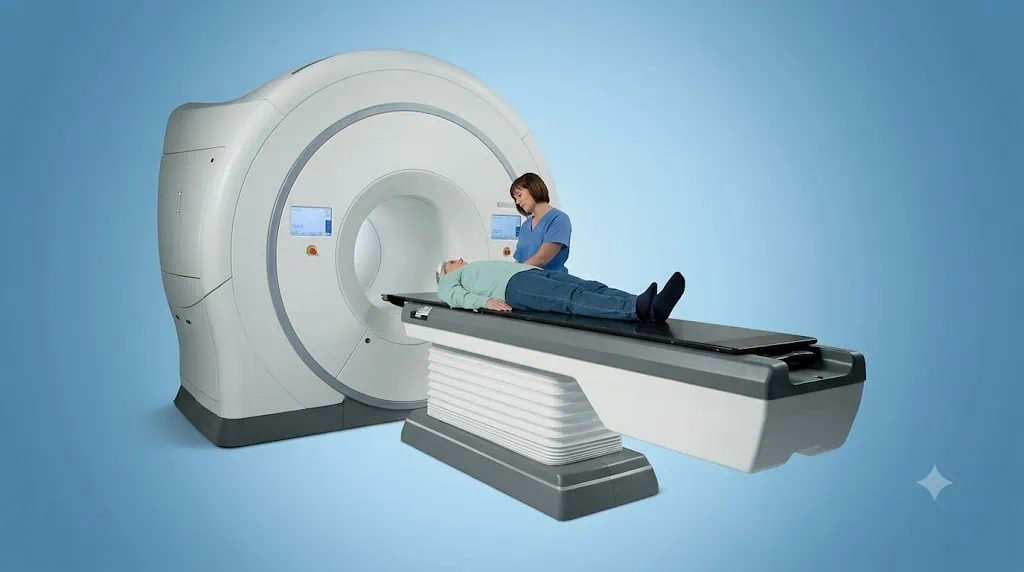
TrueBeam is a radiation therapy platform that delivers precisely targeted external beam treatment using advanced imaging and treatment planning. At Acibadem in Turkey, radiation oncology teams use TrueBeam for conventional radiotherapy and, when appropriate, stereotactic treatments tailored to the patient’s diagnosis and clinical needs.
TrueBeam: Precision Image-Guided Radiotherapy and Radiosurgery
TrueBeam is an advanced linear accelerator platform used in radiation oncology to deliver highly precise external beam radiotherapy. It helps specialists direct radiation to a tumor or treatment target while working to protect surrounding healthy tissues as much as possible.
For many patients, radiotherapy is an important part of cancer treatment. It may be used as a primary treatment, before or after surgery, alongside systemic treatments, or to help control symptoms. TrueBeam supports a range of modern radiotherapy approaches, including image-guided radiotherapy, stereotactic radiosurgery and stereotactic body radiotherapy when clinically appropriate.
At Acibadem International, TrueBeam treatment is planned individually by experienced Radiation Oncology teams in collaboration with other relevant specialists. Your diagnosis, tumor location, previous treatments, overall health and treatment goals all guide the decision-making process.
For international patients, our dedicated coordination teams help organize medical review, appointments, treatment scheduling, documentation, interpretation and travel-related planning. Before treatment begins, you receive clear information in a language you understand, so you can make informed decisions with confidence.
What Is TrueBeam?
TrueBeam is a sophisticated radiation delivery system known as a linear accelerator. It produces carefully controlled, high-energy radiation beams that can be shaped and directed toward a defined treatment area.
Unlike surgery, external beam radiotherapy does not require an incision. The treatment is delivered from outside the body while the patient lies still on a treatment couch. The machine rotates around the body as needed, allowing the medical team to deliver radiation from planned angles.
TrueBeam can support treatments ranging from conventional daily radiotherapy courses to highly focused stereotactic procedures. These focused approaches may deliver treatment in fewer sessions for selected patients, but they are not suitable for every diagnosis. Your Radiation Oncology specialist will explain whether this approach is appropriate in your case.
The technology is designed to integrate imaging, positioning and radiation delivery in one treatment workflow. This helps the team confirm the treatment target’s position immediately before, and in some cases during, treatment.
How TrueBeam Works
TrueBeam treatment begins long before the first radiation session. Every treatment plan is based on detailed imaging and careful clinical review. The goal is to create a plan that delivers the prescribed dose to the intended target while reducing exposure to nearby normal structures whenever possible.
Planning and simulation
Before treatment, you attend a planning appointment often called simulation. A CT scan is commonly performed in the treatment position. Depending on the area being treated, your team may also use MRI, PET/CT or other imaging to define the target more precisely.
To help you remain in the same position at every appointment, the team may prepare a customized immobilization device. For example, a molded mask may be used for treatment involving the brain, head or neck. A body support or positioning cushion may be used for chest, abdominal, pelvic or spinal treatment.
Individual treatment design
Your Radiation Oncology team, medical physicists and dosimetrists work together to develop a personalized plan. They identify the treatment target and the nearby organs that need protection. Advanced planning software calculates beam angles, beam shapes and dose distribution.
Before treatment starts, the plan undergoes detailed quality assurance checks. This is an essential part of safe radiotherapy delivery and helps confirm that the planned treatment can be delivered accurately.
Image guidance and beam delivery
At each session, imaging is used to verify your position and the location of the treatment area. This is particularly important because internal organs and tumors can move slightly due to breathing, digestion or normal daily changes in body position.
Once positioning is confirmed, the TrueBeam system delivers radiation according to the approved plan. The treatment itself is painless. You may hear the equipment moving or notice sounds from the machine, but you will not feel the radiation beam.
For certain tumors that move with breathing, the team may use motion-management techniques. These can include breath-hold instructions, respiratory monitoring or other methods selected according to the treatment site and your ability to cooperate comfortably.
Clinical Applications
TrueBeam may be used for a wide range of cancer and non-cancerous conditions that can benefit from external beam radiotherapy or radiosurgery. The exact technique depends on the diagnosis, size and location of the target, prior treatment history and the treatment objective.
| Clinical applications | How TrueBeam may support treatment |
|---|---|
| Brain tumors and selected intracranial lesions | May support highly focused stereotactic radiosurgery or fractionated stereotactic radiotherapy for selected patients. |
| Head and neck cancers | Can help shape radiation around complex anatomy while aiming to limit dose to nearby healthy structures where possible. |
| Lung tumors | May be used for conventional radiotherapy, image-guided treatment or stereotactic body radiotherapy in carefully selected cases. |
| Breast cancer | Can support individualized external beam radiotherapy planning after surgery or as part of a broader treatment strategy. |
| Prostate and pelvic cancers | Image guidance can help support consistent positioning for treatment of prostate, bladder, gynecological and other pelvic cancers. |
| Liver, pancreas and abdominal tumors | May support precise planning and motion-management approaches when suitable for the location and clinical objective. |
| Spine and bone metastases | Can be used to provide focused radiation for selected spinal or bone lesions, including treatment intended to relieve symptoms. |
| Other localized tumors | May be considered for selected tumors throughout the body, including recurrence or limited metastatic disease, following specialist review. |
Not every patient requires stereotactic treatment, and not every tumor can be treated with the same technique. In some cases, surgery, systemic therapy, another type of radiotherapy or a combined approach may be more appropriate. Your multidisciplinary team will recommend the option that best matches your medical needs.
Benefits and Advantages for Patients
TrueBeam combines high-quality imaging, sophisticated treatment planning and efficient beam delivery. These features can support accurate treatment for patients with complex or difficult-to-reach targets.
Precision does not mean that treatment is automatically simple or risk-free. Every radiotherapy plan is carefully balanced to achieve the intended therapeutic benefit while considering possible effects on normal tissues. Your team will discuss the expected benefits, limitations and side effects in relation to your individual diagnosis.
| Patient benefits at a glance | What this may mean for your care |
|---|---|
| Image-guided precision | Imaging before treatment helps the team verify positioning and align radiation delivery with the planned target. |
| Highly shaped radiation beams | Advanced beam shaping can help conform treatment to the target and reduce radiation exposure to nearby healthy tissues where possible. |
| Support for stereotactic techniques | Selected patients may be candidates for highly focused radiosurgery or body radiotherapy, sometimes delivered in fewer sessions. |
| Non-invasive treatment | External beam radiotherapy does not involve a surgical incision, although it may be used before, after or instead of surgery depending on the case. |
| Efficient treatment delivery | TrueBeam is designed for efficient delivery, which may reduce the time spent on the treatment couch compared with some traditional workflows. |
| Personalized planning | Your plan is based on your imaging, diagnosis, anatomy, previous treatment and clinical priorities rather than a standard template. |
| Multidisciplinary support | Radiation oncologists work with medical physicists, dosimetrists, radiologists, surgeons and other specialists when needed. |
What to Expect During TrueBeam Treatment
Before you travel
If you are traveling to Türkiye for treatment, our international patient team can help coordinate a preliminary review of your medical information. You may be asked to share recent imaging, pathology reports, treatment summaries, laboratory results and details of any previous surgery, chemotherapy, immunotherapy or radiotherapy.
After review, the appropriate specialist can advise whether an in-person consultation and further assessment are recommended. If TrueBeam is suitable, your team will explain the anticipated treatment pathway, expected appointment schedule and any additional tests that may be needed.
Your first consultation
During your Radiation Oncology consultation, the specialist reviews your diagnosis, current symptoms, medical history and treatment goals. You will have the opportunity to ask questions about the recommended technique, number of sessions, possible side effects and follow-up care.
Some patients require further imaging or consultations with other departments before a final recommendation is made. This coordinated approach is especially valuable for complex cancers and cases involving previous treatment.
Simulation and preparation
Simulation is a preparation appointment rather than a treatment session. The team obtains the imaging needed for planning and prepares any positioning support that will help you remain comfortable and reproducible throughout your course of treatment.
For certain treatment areas, you may receive instructions regarding food, fluid intake, bladder preparation or breathing practice. Following these instructions helps support consistent positioning and accurate treatment delivery.
During each treatment session
You will be positioned on the treatment couch by radiation therapists. The team leaves the room while the machine delivers radiation, but they remain in close contact through cameras and an intercom system. You can communicate with them at any time if you feel uncomfortable.
The machine may move around you, but it does not touch you during radiation delivery. It is important to remain as still as possible. Depending on your treatment plan, the total appointment may include setup and imaging time, while the radiation delivery itself can be relatively brief.
After treatment
Most patients can return to their accommodation, daily activities or work after a session, depending on how they feel and their overall treatment plan. Radiotherapy does not make you radioactive, so you can generally be around family members and other people after external beam treatment.
Side effects vary according to the body area treated, dose, number of sessions and individual health factors. Some effects may appear gradually during treatment or after it has finished. Your team monitors your progress and provides practical guidance for managing symptoms.
Safety, Quality Assurance and Accreditation
Radiotherapy requires careful planning, technology checks and clinical oversight. At Acibadem International, TrueBeam treatment is delivered by trained Radiation Oncology professionals working within established safety and quality processes.
Each plan is reviewed before treatment begins, and technical verification is performed to ensure the planned radiation dose can be delivered as intended. During treatment, imaging and positioning protocols help support accurate alignment.
Acibadem hospitals serving international patients follow recognized quality standards, including JCI accreditation at designated hospitals. Accreditation reflects a commitment to patient safety, quality improvement, clinical governance and coordinated care. Your care team can explain the standards and procedures relevant to the hospital where your treatment is planned.
As with every medical treatment, radiotherapy has possible risks and side effects. The level of risk depends on the treatment area and the individual plan. Your Radiation Oncology specialist will discuss potential short-term and longer-term effects, available supportive care and the signs that should prompt you to contact the team.
Why TrueBeam Matters for International Patients
Traveling abroad for cancer care can feel complex, particularly when you are managing a new diagnosis or continuing treatment after care in another country. TrueBeam technology is most effective when it is part of a well-coordinated treatment pathway, not simply a standalone machine.
At Acibadem International, international patient coordinators help connect you with the appropriate Radiation Oncology team and support communication throughout your journey. Language assistance can be arranged to help you understand consultations, treatment instructions and follow-up recommendations.
Your coordination plan may include help with reviewing medical records before travel, scheduling consultations and imaging, organizing treatment appointments and preparing documentation for your home physician. If you need input from more than one specialty, the team can facilitate a multidisciplinary evaluation.
For patients receiving several weeks of radiotherapy, predictable scheduling and clear communication are especially important. Our teams work to help make the process as organized and comfortable as possible, while keeping medical decisions centered on your safety and individual needs.
Frequently Asked Questions
Is TrueBeam safe?
TrueBeam is used routinely in modern radiation oncology. Safety depends on appropriate patient selection, careful planning, technical quality assurance and experienced clinical delivery. Your team will explain the benefits and specific risks related to your diagnosis and treatment area.
Is TrueBeam the same as surgery?
No. TrueBeam delivers external beam radiation from outside the body and does not involve an incision. In selected situations, stereotactic radiosurgery may be described as “radiosurgery” because it is highly focused, but it is still radiation treatment rather than conventional surgery.
Will I need only one treatment session?
That depends on your condition and treatment objective. Some stereotactic procedures may be completed in one or a small number of sessions, while conventional radiotherapy may involve a longer course. Your Radiation Oncology specialist will recommend the most appropriate schedule.
Can I receive TrueBeam treatment if I have had radiotherapy before?
In some cases, further radiation treatment may be possible, but previous radiotherapy requires particularly detailed review. Your team will need prior treatment records, dose information and imaging to evaluate safety and suitability.
Will my insurance cover treatment?
Coverage depends on your insurance policy, diagnosis, hospital network and authorization requirements. Our international patient team can help you understand the documentation needed and clarify available options before treatment whenever possible.
How do I get started?
You can submit your medical reports and imaging for a specialist review through an international consultation request. After assessing your information, the team can advise whether TrueBeam may be appropriate and outline the next steps for consultation, planning and treatment coordination in Türkiye.
Our Specialists Explain
 TrueBeam STx Radiotherapy at Acibadem | Prof. Dr. Meriç Şengöz
Related Medical Units
Available at these Hospitals










Related Treatments
Speak with our medical team
Find out how this technology could support your diagnosis or treatment.