Osteoporosis Fractures: Hip, Wrist, and Spine Injury Prevention

Osteoporosis can weaken bones silently until a fracture occurs, most often in the hip, wrist or spine. A bone density test, medical history and fracture risk assessment help doctors diagnose osteoporosis and guide treatment.
Key Takeaways
- Osteoporosis can weaken bones silently until a fracture occurs, most often in the hip, wrist or spine.
- A bone density test, medical history and fracture risk assessment help doctors diagnose osteoporosis and guide treatment.
- Prevention combines adequate calcium and vitamin D, weight-bearing exercise, fall-risk reduction and, when appropriate, prescription medication.
- Hip and spine fractures need prompt medical attention because they can affect mobility, posture, pain and overall health.
- People with a previous low-trauma fracture should ask a doctor about osteoporosis evaluation and secondary fracture prevention.
Osteoporosis fractures often occur after a minor fall or everyday movement because bones have become fragile. Understanding risks, diagnosis and prevention can help people protect the hip, wrist and spine and maintain independence.
Overview
Osteoporosis is a condition in which bones lose strength and become more likely to break. The word means “porous bone,” but the change is not usually felt from the outside. Many people do not know they have osteoporosis until a fracture happens after a low-impact event, such as a fall from standing height, a sudden twist, or sometimes even lifting or bending.
Osteoporosis fractures most commonly affect the hip, wrist and spine. These areas are vulnerable because they carry body weight, absorb force during falls, or contain bone structures that can collapse when weakened. A fracture in any of these locations can cause pain and limit daily activities, but early recognition and proper treatment can support recovery and help prevent future injuries.
Bone health is influenced by age, hormones, nutrition, physical activity, medications and other medical conditions. The good news is that osteoporosis can often be diagnosed with a simple bone density test, and fracture risk can be reduced through a combination of lifestyle measures, fall prevention and medical treatment when needed.
Hip, Wrist and Spine Fractures: What Makes Them Different?
A hip fracture is one of the most serious osteoporosis-related injuries because it usually affects walking and independence. It often occurs after a sideways fall onto the hip. People may have severe groin or thigh pain, difficulty standing, an outward-turned leg, or inability to put weight on the affected side. Hip fractures usually require urgent hospital assessment and, in many cases, surgery followed by rehabilitation.
A wrist fracture commonly happens when a person falls forward and tries to break the fall with an outstretched hand. This is often called a distal radius fracture. Symptoms may include pain, swelling, bruising, tenderness, deformity, or difficulty moving the wrist and fingers. Treatment depends on the position and stability of the fracture and may include a splint, cast, realignment or surgery.
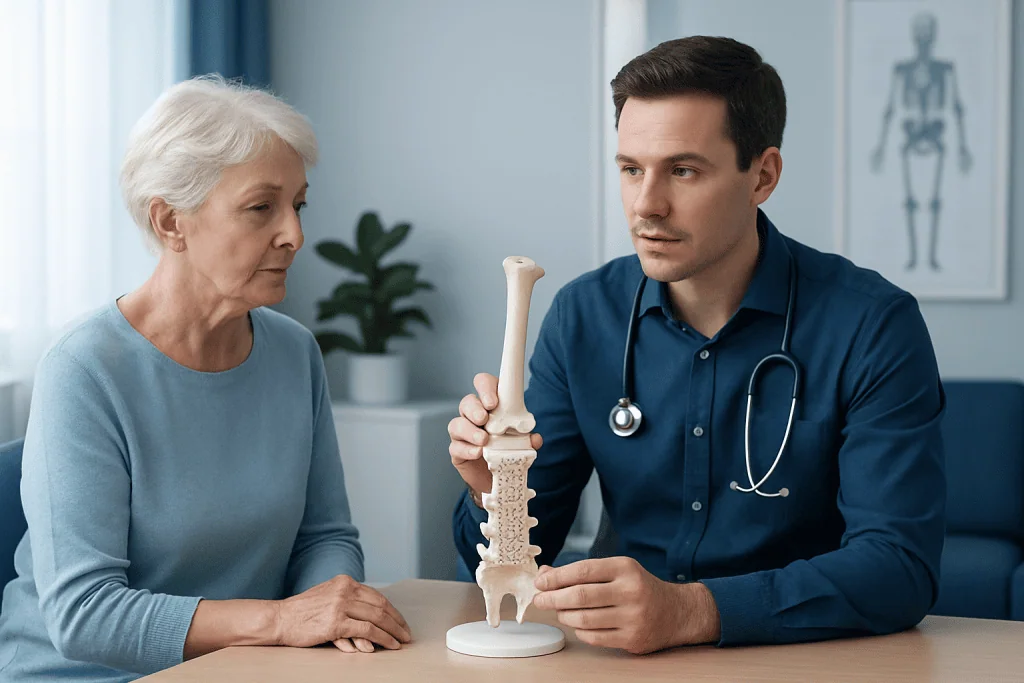
Spine fractures related to osteoporosis are usually vertebral compression fractures. They occur when one of the bones of the spine partially collapses. Some cause sudden back pain after a simple movement, while others develop gradually and may be noticed as height loss, a curved upper back, or ongoing back discomfort. Spine fractures are important because one fracture increases the risk of additional fractures unless bone health is assessed and treated.
Symptoms and Warning Signs
Osteoporosis itself usually does not cause symptoms before a fracture. This is why it is sometimes called a “silent” condition. Warning signs often appear only after bone strength has already decreased. A low-trauma fracture in adulthood, especially after age 50, should prompt a discussion with a doctor about bone density and fracture risk.
Symptoms depend on the fracture site. Hip fractures often cause immediate pain and an inability to walk. Wrist fractures usually cause pain and swelling after a fall. Spine compression fractures may cause sudden back pain, pain that worsens when standing or walking, reduced height, a forward-bent posture, or pain that improves when lying down. However, some spine fractures are found incidentally on X-rays or scans performed for another reason.
Medical care is important when pain follows a fall, when a limb looks deformed, when walking becomes difficult, or when back pain is new, persistent or associated with height loss. Even if symptoms improve, a fracture can still be present. Timely diagnosis helps guide safe movement, pain control and treatment to reduce the risk of another injury.
Causes and Risk Factors
Bone is living tissue that is constantly renewed. Osteoporosis develops when bone breakdown outpaces bone formation, leading to reduced bone mass and changes in bone structure. This process becomes more common with aging, particularly after menopause when estrogen levels fall. Men can also develop osteoporosis, especially later in life or when risk factors are present.
Common risk factors include a previous fragility fracture, family history of hip fracture, low body weight, smoking, heavy alcohol use, low calcium or vitamin D intake, limited physical activity, and long-term use of certain medicines such as glucocorticoids. Medical conditions such as rheumatoid arthritis, thyroid or parathyroid disorders, chronic kidney disease, malabsorption, inflammatory bowel disease and some hormonal disorders may also contribute.
Falls are a major trigger for hip and wrist fractures, so fracture prevention is not only about bone density. Balance problems, poor vision, unsafe footwear, muscle weakness, certain sedating medicines, cluttered home environments and slippery surfaces can all increase fall risk. A complete prevention plan considers both bone strength and the likelihood of falling.
- Age over 50 with a low-trauma fracture
- Menopause, early menopause or low sex hormone levels
- Long-term steroid medication use
- Low vitamin D, poor nutrition or low body weight
- Balance problems, frequent falls or reduced mobility
Diagnosis and Bone Health Assessment
Diagnosis begins with a medical history, physical examination and review of fracture events, medications and risk factors. Doctors may ask about previous fractures, height loss, family history, diet, exercise, smoking, alcohol use and conditions that affect bone metabolism. For a suspected fracture, imaging such as X-ray is often the first step. CT or MRI may be used when more detail is needed, especially for complex hip, wrist or spine injuries.
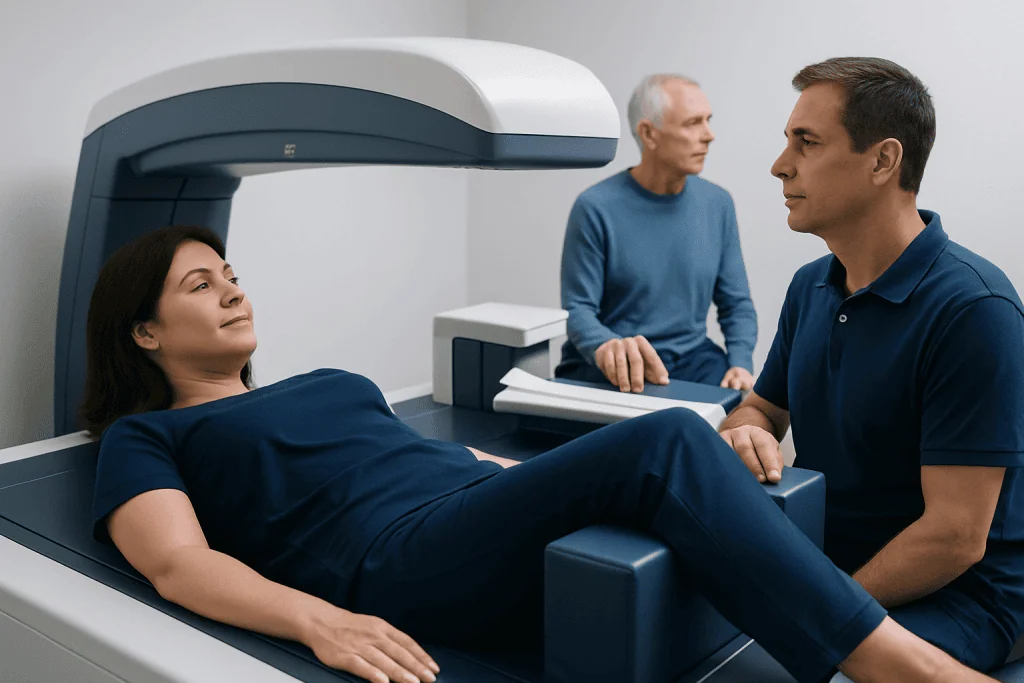
The standard test for osteoporosis is a dual-energy X-ray absorptiometry scan, commonly called a DXA or DEXA scan. It measures bone mineral density, usually at the hip and spine. Results are reported as a T-score, which helps classify normal bone density, low bone mass or osteoporosis. A DXA scan is painless, low-radiation and typically takes only a short time.
Doctors may also use fracture risk assessment tools that combine bone density with clinical risk factors. Blood and urine tests can help identify treatable causes of bone loss, such as vitamin D deficiency, thyroid problems, kidney disease or calcium imbalance. After any fragility fracture, the goal is not only to treat the broken bone but also to identify why it happened and how to reduce the chance of another fracture.
Treatment Options
Treatment has two connected goals: healing the fracture and improving bone strength. For hip fractures, surgery is often recommended to stabilize or replace the damaged part of the hip, followed by rehabilitation to restore walking and function. Wrist fractures may be treated with casting or surgery depending on alignment, stability and the patient’s activity needs. Spine compression fractures are often treated with pain control, careful activity modification, physical therapy and, in selected cases, procedures to stabilize the vertebra.
Osteoporosis treatment may include prescription medicines that reduce bone breakdown or stimulate bone formation. The choice depends on fracture history, bone density results, kidney function, other medical conditions, age, sex and individual risk level. Common medicine groups include bisphosphonates, denosumab, selective estrogen receptor modulators, parathyroid hormone-related therapies and other bone-forming agents. A doctor can explain benefits, possible side effects and the recommended duration of treatment.
Nutrition and supplementation are also part of care. Many people need to improve calcium intake through food, supplements or both, and vitamin D may be recommended if levels are low or sun exposure is limited. Protein is important for healing and muscle strength. Patients should avoid starting high-dose supplements or changing medications without medical guidance, especially if they have kidney disease, a history of kidney stones or other chronic conditions.
Rehabilitation is essential after many fractures. Physiotherapists help patients regain strength, balance, joint movement and safe walking patterns. Occupational therapists may suggest techniques and tools for safer bathing, dressing, cooking and stair use. Recovery plans are individualized, and progress may be gradual, particularly after hip or spine fractures.
Prevention and Self-Care
Osteoporosis fracture prevention works best when it begins before a fracture occurs, but it is valuable at any stage. Regular weight-bearing activity, such as walking, stair climbing or low-impact aerobics, helps maintain bone strength. Resistance training supports muscles that protect joints and improve stability. Balance exercises, such as tai chi or supervised balance training, may reduce fall risk. Exercise should be matched to the person’s fitness level and medical condition.
Daily habits matter. A bone-supportive diet includes enough calcium-rich foods such as dairy products, fortified alternatives, leafy greens and certain fish with edible bones. Vitamin D supports calcium absorption and muscle function. Avoiding smoking and limiting alcohol are important for bone and overall health. People who are frail, underweight or recovering from fracture may benefit from nutritional assessment.
Home safety can reduce the risk of falls that lead to hip and wrist fractures. Practical steps include removing loose rugs, improving lighting, using handrails, keeping walkways clear, installing grab bars in bathrooms, wearing supportive shoes and checking vision regularly. Medicines that cause dizziness or drowsiness should be reviewed by a clinician, especially if falls have occurred.
- Ask about DXA screening if risk factors are present.
- Practice strength and balance exercises regularly and safely.
- Make the home easier to move through, especially at night.
- Use walking aids if recommended by a healthcare professional.
- Follow prescribed osteoporosis treatment consistently and attend follow-up visits.
When to See a Doctor
A doctor should evaluate any suspected fracture, especially after a fall or sudden pain in the hip, wrist or back. Urgent care is needed if a person cannot stand or walk after a fall, has severe hip or groin pain, has a visibly deformed wrist, develops numbness or weakness, or has severe back pain after minor strain. Early assessment helps prevent complications and supports safer recovery.
People should also seek medical advice if they have lost height, developed a curved upper back, had a previous low-trauma fracture, used steroid medicines for a long period, or have conditions associated with bone loss. Women after menopause and older men with risk factors may benefit from osteoporosis screening even before a fracture occurs.
International patients can access evaluation and treatment for osteoporosis-related fractures through multidisciplinary orthopedic, endocrinology, radiology and rehabilitation teams. Acibadem International’s JCI-accredited hospitals provide diagnosis and care pathways for conditions such as hip, wrist and spine fractures, with treatment plans tailored by qualified specialists. Patients should always discuss individual risks and options with their own doctor.
Frequently asked questions
Can osteoporosis cause fractures without a major fall?
Yes. When bones are significantly weakened, a fracture may occur after a fall from standing height or even during a routine movement such as bending, lifting or twisting. Any low-trauma fracture in an adult, especially after age 50, should be discussed with a doctor.
Which osteoporosis fracture is most serious?
Hip fractures are often considered the most serious because they usually affect walking, independence and general health, and they commonly require surgery. Spine fractures can also have major effects, including pain, height loss and posture changes. All fragility fractures are important because they signal a higher risk of future fractures.
How is osteoporosis diagnosed after a fracture?
Doctors usually assess the fracture with imaging and then evaluate bone health with a DXA bone density scan. They may also review medications, medical conditions, nutrition and fall history. Blood tests can help identify vitamin D deficiency or other causes of bone loss.
Can exercise help prevent hip, wrist and spine fractures?
Exercise can help by improving bone strength, muscle strength, balance and coordination. Weight-bearing, resistance and balance exercises are commonly recommended, but the safest program depends on the person’s age, fracture history and overall health. People with osteoporosis or recent fractures should ask a clinician or physiotherapist for guidance.
Do all people with osteoporosis need medication?
Not everyone with low bone density needs prescription medicine, but many people at high fracture risk do benefit from it. A doctor considers bone density results, previous fractures, age and other risk factors before recommending treatment. Lifestyle measures remain important whether or not medication is prescribed.
What can be done at home to reduce fall risk?
Helpful steps include removing loose rugs, improving lighting, using non-slip mats, installing grab bars, keeping stairs clear and wearing supportive shoes. Vision checks and medication reviews are also important because poor vision and dizziness can increase fall risk. A physiotherapist may recommend balance training or a walking aid if needed.
References
- World Health Organization
- International Osteoporosis Foundation
- National Osteoporosis Foundation
- American Academy of Orthopaedic Surgeons
- Endocrine Society
This article is for general information only and is not a substitute for professional medical advice. Please consult a qualified doctor about your individual situation.
Fractures in Turkey — costs, top hospitals & a free quote
JCI-accredited · board-certified surgeons · reply within 24h
Add us as a Preferred Source to see more of our trusted health content across Google Search, AI Overviews and Discover.

Orthopedics & Spine
Care for bones, joints and the musculoskeletal system, including joint replacement, sports injuries and trauma.
125 specialists in this unitMore from the Health Library



Related Specialists

Prof. Dr. Ali Bülent Antmen
Pediatrics
Dr. Serhat Süzan
Urology
Dr. Alper Koçak
Gynecology & Obstetrics
Prof. Dr. Mehmet Serdar Binnet
Orthopedic Surgery & Traumatology