Bladder Outlet Obstruction
Bladder Outlet Obstruction causes urinary blockage. Learn symptoms, diagnosis, treatment options and when to see a urologist.

Quick answer
Bladder outlet obstruction is a blockage at the base of the bladder or in the urethra that makes it difficult for urine to flow normally and can lead to urinary retention, infections, or kidney-related complications. Treatment depends on the cause and may include medication, catheter-based drainage, or surgery, with evaluation typically based on symptoms, examination, and imaging or urodynamic tests.
Bladder Outlet Obstruction is a condition in which urine cannot flow normally from the bladder through the urethra because the outlet is narrowed, blocked or not opening properly. It can cause difficulty urinating, frequent urination, urinary retention and, if untreated, pressure on the kidneys.
Overview
Bladder Outlet Obstruction is a blockage or narrowing at the point where urine leaves the bladder, making it difficult for the bladder to empty through the urethra. The obstruction may be physical, such as an enlarged prostate, scar tissue or a stone, or functional, meaning the muscles and nerves that coordinate urination are not working smoothly.
When the bladder outlet is obstructed, the bladder must work harder to push urine out. Over time, this may lead to a thickened bladder wall, incomplete emptying, urinary tract infections, bladder stones or urine backing up toward the kidneys. The condition can develop gradually over months or years, but it can also appear suddenly as acute urinary retention.
Bladder Outlet Obstruction can affect men, women and children, although the causes differ by age and sex. In adult men, enlargement of the prostate is a common reason. In women, causes may include pelvic organ prolapse, urethral narrowing, previous pelvic surgery or functional bladder neck problems. In children, congenital narrowing or valves in the urinary tract may be involved.
The condition is treatable, and the best approach depends on the cause, the severity of symptoms, bladder function, kidney health and the person’s overall medical situation. A urologist can assess whether the problem requires monitoring, medicines, a catheter, a minimally invasive procedure or surgery.
Symptoms
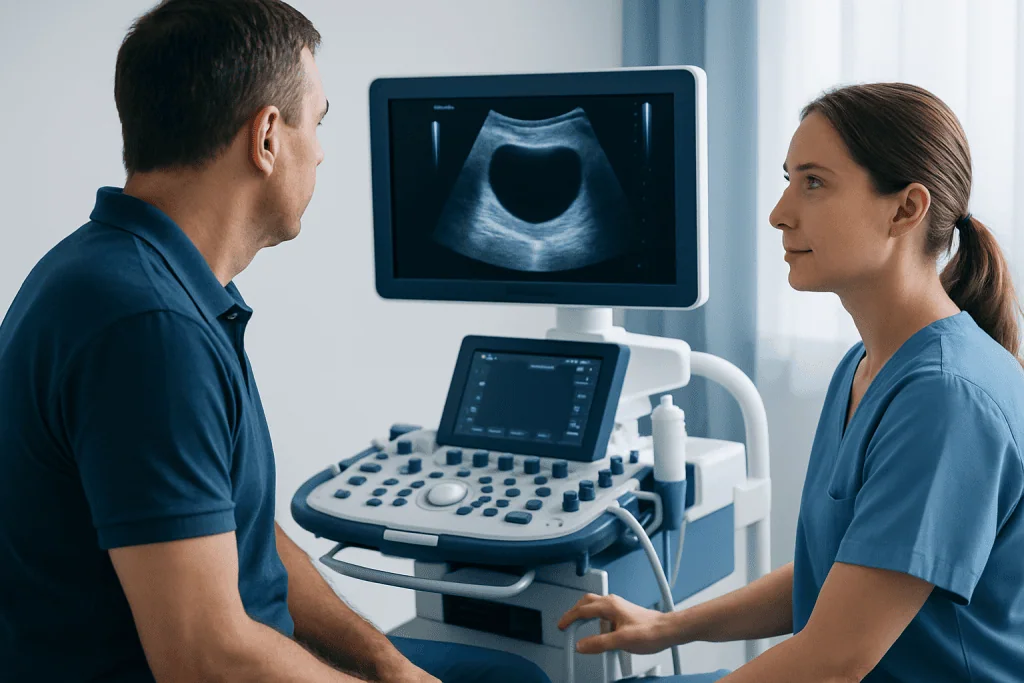
Bladder Outlet Obstruction symptoms usually reflect the bladder’s difficulty in starting and maintaining urine flow. Symptoms may be mild at first and become more noticeable over time, especially when the bladder does not empty completely.
Common symptoms include:
- Difficulty starting urination or a delay before urine begins
- A weak, slow or interrupted urine stream
- Straining to pass urine
- A feeling that the bladder is not fully empty
- Frequent urination, especially at night
- Urgency or a sudden need to urinate
- Dribbling after urination or leakage
- Pain or discomfort in the lower abdomen when the bladder is full
Some people develop complications related to retained urine. These may include repeated urinary tract infections, cloudy or foul-smelling urine, bladder stones, blood in the urine or worsening urinary leakage. If pressure affects the upper urinary tract, a person may have flank pain, nausea, swelling or abnormal kidney function tests, although kidney involvement can sometimes occur without obvious symptoms.
Acute urinary retention is a more urgent form of the condition. It means the bladder is full, but the person cannot pass urine or can pass only a few drops. This can be painful and requires prompt medical assessment to drain the bladder and identify the cause.
Causes & Risk Factors
Bladder Outlet Obstruction has many possible causes. A common cause in men is benign enlargement of the prostate, which can compress the urethra as it passes through the prostate. Prostate inflammation, scarring after prostate treatment or, less commonly, prostate cancer may also narrow the urinary channel.
Other physical causes include urethral stricture, which is scar-related narrowing of the urethra, bladder stones, tumors in the bladder or urethra, a narrowed bladder neck, foreign bodies, or scarring after pelvic surgery or radiation treatment. In women, pelvic organ prolapse can change the position of the bladder and urethra, making emptying more difficult. Urethral narrowing and previous incontinence surgery can also contribute.
Functional causes occur when the outlet does not relax properly during urination or when bladder muscle contraction is poorly coordinated with the sphincter. This may happen with certain neurological conditions, spinal cord problems, diabetes-related nerve changes or after pelvic injury. Some medicines that affect bladder muscle contraction or sphincter tone may worsen urinary retention in susceptible people.
Risk factors include older age, a history of prostate problems, previous urethral catheterization or urinary tract procedures, pelvic surgery, pelvic radiation, recurrent urinary infections, urinary stones, neurological disease and congenital urinary tract abnormalities. The presence of a risk factor does not mean a person will develop obstruction, but it may guide a doctor’s evaluation.
Diagnosis
Diagnosis begins with a careful medical history and physical examination. The clinician asks about urinary symptoms, their duration, fluid intake, medicines, infections, previous operations, prostate or gynecological history, neurological symptoms and any episodes of urinary retention. A physical examination may include abdominal examination, assessment for bladder fullness, prostate examination in men and pelvic examination in women when appropriate.
Urine and blood tests are often used to look for infection, blood in the urine, kidney function changes and other contributing conditions. A urine culture may be requested if infection is suspected. Blood tests can help determine whether urine retention is affecting the kidneys or whether another medical issue is contributing to symptoms.
Imaging and functional tests help define the obstruction and its effects. Ultrasound can measure how much urine remains after urination and can evaluate the kidneys and bladder. Uroflowmetry measures the speed and pattern of urine flow. In selected cases, urodynamic testing assesses bladder pressure and muscle function during filling and emptying.
Cystoscopy may be recommended when the specialist needs to look directly inside the urethra and bladder using a thin camera. This can help identify strictures, bladder neck narrowing, stones, tumors or prostate-related compression. Additional imaging, such as specialized urinary tract scans, may be used if anatomy, stones, tumors or kidney drainage need further evaluation.
Treatment Options
Bladder Outlet Obstruction treatment is individualized. The right approach is decided by a urologist or an appropriate specialist after assessment of the cause, symptom severity, urine retention, bladder function, infection risk, kidney health and the person’s overall medical condition. Treatment aims to relieve obstruction, protect the kidneys, improve bladder emptying and reduce complications.
For mild or stable symptoms, careful monitoring and lifestyle adjustments may be sufficient. These may include reviewing fluid timing, limiting bladder irritants when relevant, managing constipation, and reassessing medicines that may worsen retention. Any medication changes should be made only with a qualified doctor, especially for people with other health conditions.
Medicines may be used when the obstruction is related to prostate enlargement, bladder neck dysfunction or inflammation, or when bladder symptoms need control. Medication categories may include treatments that relax the urinary outlet, reduce prostate-related obstruction over time, or address associated bladder overactivity. The choice depends on diagnosis, side-effect profile and individual risk factors.
If urine cannot drain or kidney function is at risk, bladder drainage with a catheter may be needed temporarily or, in some cases, for longer-term management. Minimally invasive procedures or surgery may be recommended for significant prostate obstruction, urethral stricture, bladder neck narrowing, stones, tumors or prolapse. Options vary widely and may include endoscopic procedures through the urethra, reconstruction, stone removal, prostate procedures or pelvic repair, depending on the underlying cause.
Living With / Prognosis
The outlook for Bladder Outlet Obstruction is generally better when the cause is identified early and treated appropriately. Many people experience improved urinary flow and fewer symptoms after targeted treatment. If obstruction has been present for a long time, the bladder muscle may remain weak or overactive, so ongoing follow-up may be needed even after the blockage is relieved.
Living with the condition often involves monitoring urinary habits and recognizing changes. Keeping track of urine frequency, night-time urination, infections, pain, leakage or the feeling of incomplete emptying can help the medical team adjust care. People with chronic retention, catheter use, kidney impairment or neurological bladder problems may need regular urology and nephrology follow-up.
General measures that support urinary health include drinking fluids in a balanced way, avoiding prolonged delays in urination, treating constipation, following diabetes or neurological care plans where relevant, and seeking treatment for urinary infections. These steps do not replace medical treatment for obstruction, but they may reduce irritation and help prevent complications.
For international patients seeking coordinated evaluation, Acibadem International’s multidisciplinary specialists and JCI-accredited hospitals diagnose and treat Bladder Outlet Obstruction using urology, nephrology, imaging and surgical expertise when needed. Care decisions should always be based on an individual specialist assessment.
When to See a Doctor
A person should see a doctor if urinary symptoms are persistent, worsening or affecting daily life. Difficulty starting urination, a weak stream, straining, frequent night-time urination, repeated infections or a constant feeling of incomplete emptying are all reasons to request medical evaluation.
Prompt medical attention is needed if a person cannot pass urine, has severe lower abdominal pain, fever, chills, vomiting, flank pain, visible blood in the urine, or symptoms with known kidney disease. These signs may indicate acute retention, infection or pressure on the kidneys and should not be ignored.
People with prostate enlargement, previous pelvic surgery, urethral stricture, neurological conditions, urinary stones or recurrent urinary tract infections should mention these history details when seeking care. They can help the clinician choose the most appropriate tests and avoid delays in diagnosis.
Bladder Outlet Obstruction can have several causes that feel similar to the patient but require different treatments. A qualified doctor can distinguish obstruction from bladder overactivity, infection, kidney problems or medication-related symptoms and guide safe management.
Frequently asked questions
What is Bladder Outlet Obstruction?
Bladder Outlet Obstruction is a blockage or narrowing that prevents urine from leaving the bladder normally. It may occur at the bladder neck, prostate or urethra. The condition can cause weak urine flow, straining, frequent urination and incomplete bladder emptying.
Is Bladder Outlet Obstruction the same as an enlarged prostate?
No. An enlarged prostate is a common cause of Bladder Outlet Obstruction in men, but it is not the only cause. Strictures, stones, tumors, bladder neck narrowing, pelvic organ prolapse and nerve-related bladder problems can also obstruct urine flow.
Can Bladder Outlet Obstruction damage the kidneys?
Yes, untreated or severe obstruction can sometimes cause urine to back up and increase pressure on the upper urinary tract. This may affect kidney function, especially if the obstruction is long-standing or associated with infection. Early diagnosis and follow-up help reduce this risk.
How is Bladder Outlet Obstruction diagnosed?
Diagnosis usually includes a medical history, physical examination, urine tests and assessment of how well the bladder empties. Ultrasound, urine flow testing, urodynamic studies or cystoscopy may be used depending on the suspected cause. The specialist selects tests based on symptoms and clinical findings.
What treatments are available for Bladder Outlet Obstruction?
Treatment may include monitoring, lifestyle measures, medicines, temporary catheter drainage, minimally invasive procedures or surgery. The correct option depends on the cause of obstruction, the degree of retention, bladder function and kidney health. A urologist should decide the safest approach after assessment.
When is Bladder Outlet Obstruction an emergency?
It may be urgent if a person cannot pass urine, has severe lower abdominal pain, fever, chills, flank pain, vomiting or visible blood in the urine. These symptoms can indicate acute retention, infection or kidney involvement. Prompt medical care is recommended in these situations.
References
- European Association of Urology
- American Urological Association
- National Institute of Diabetes and Digestive and Kidney Diseases
- Mayo Clinic
- Merck Manual Professional Edition
This article is for general information only and is not a substitute for professional medical advice. Please consult a qualified doctor about your individual situation.