

End-Stage Renal Disease
End-Stage Renal Disease is advanced kidney failure. Learn about symptoms, causes, diagnosis, dialysis, transplant and specialist care.

Quick answer
End-stage renal disease is the final stage of chronic kidney failure, in which the kidneys can no longer filter waste and excess fluid effectively and long-term renal replacement therapy is required. Treatment focuses on dialysis or kidney transplantation, with evaluation, preparation, and ongoing multidisciplinary care tailored to the patient’s overall condition.
End-Stage Renal Disease is the final stage of chronic kidney disease, when the kidneys can no longer remove enough waste, fluid and toxins to keep the body healthy without kidney replacement therapy or carefully planned supportive care. Treatment may include dialysis, kidney transplantation, medications, nutrition support and management by a nephrology team.
Overview
End-Stage Renal Disease, also called ESRD or kidney failure, is the most advanced stage of chronic kidney disease. It occurs when the kidneys have lost most of their ability to filter the blood, balance fluids and minerals, remove waste products, and support important body functions such as blood pressure control and red blood cell production.
The kidneys normally work continuously to keep the internal environment stable. When kidney function becomes severely reduced, waste products and excess fluid can build up in the body. This may affect the heart, lungs, bones, blood, nerves, digestion, skin and energy levels. ESRD does not always develop suddenly; in many people it follows months or years of chronic kidney damage.
End-stage kidney disease is serious, but it is treatable and manageable with modern nephrology care. The main treatment pathways are dialysis, kidney transplantation, or conservative kidney management focused on symptom control and quality of life. The best approach depends on the person’s overall health, kidney test results, other medical conditions, treatment goals and personal preferences.
Symptoms
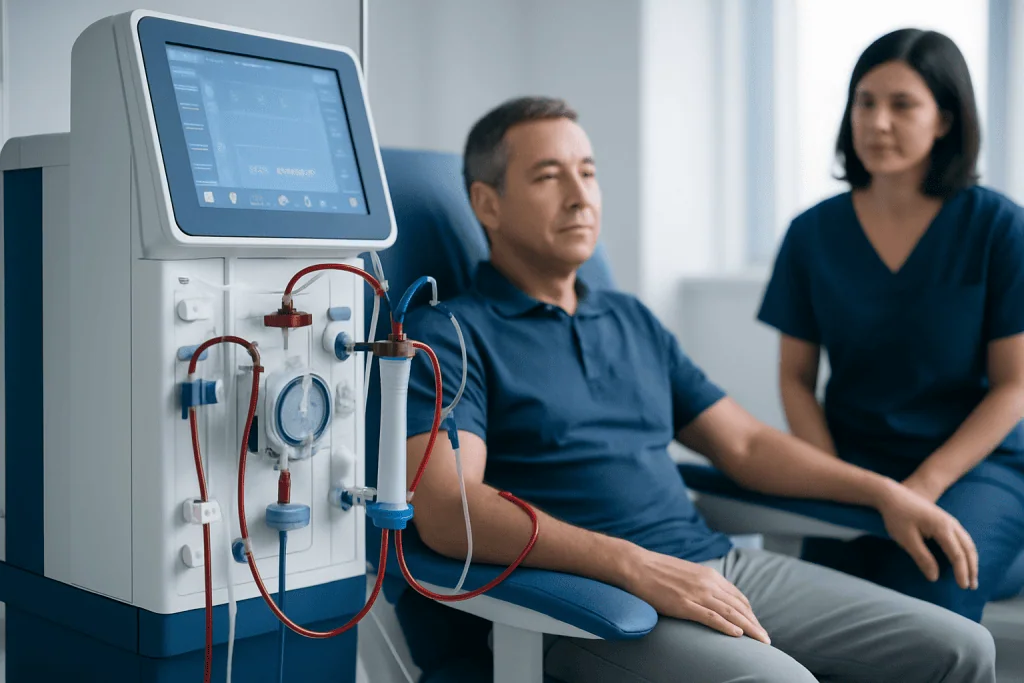
End-Stage Renal Disease symptoms can vary widely. Some people feel unwell only gradually, while others notice a clear change in energy, breathing, swelling or appetite. Symptoms are caused by the build-up of waste products, excess fluid, changes in minerals such as potassium and phosphate, anemia, and the effects of kidney disease on hormones and blood pressure.
Possible symptoms of ESRD include:
- Persistent tiredness, weakness or reduced exercise tolerance
- Swelling in the feet, ankles, legs, hands or face
- Shortness of breath, especially when lying flat or with activity
- Nausea, vomiting, poor appetite or unintentional weight change
- Itching, dry skin or changes in skin color
- Muscle cramps, restless legs or sleep problems
- Difficulty concentrating, headaches or feeling generally unwell
- Changes in urination, such as passing very little urine, urinating more at night or foamy urine
- High blood pressure that is difficult to control
These symptoms can also be caused by other conditions, so testing is needed to confirm the cause. In some people, especially those who have had long-term diabetes or high blood pressure, kidney function may decline significantly before obvious symptoms appear. This is why regular blood and urine tests are important for people at risk of kidney disease.
Causes & Risk Factors
End-Stage Renal Disease usually develops after chronic kidney disease has progressively worsened. The most common underlying causes worldwide include long-term diabetes and high blood pressure. Both conditions can damage the small blood vessels and filtering units of the kidneys over time, especially when they are not well controlled or are present for many years.
Other causes include glomerulonephritis, polycystic kidney disease, repeated kidney infections, long-term blockage of urine flow, autoimmune diseases affecting the kidneys, congenital kidney abnormalities, and certain inherited conditions. Some medicines, toxins or severe episodes of acute kidney injury can also contribute to long-term kidney damage, particularly in people who already have reduced kidney function.
Risk factors for ESRD include older age, family history of kidney disease, diabetes, hypertension, cardiovascular disease, obesity, smoking, recurrent urinary tract problems, and previous kidney injury. People from some ethnic backgrounds may also have a higher risk of chronic kidney disease. Risk does not mean ESRD is inevitable; early detection and consistent management of the underlying condition can slow kidney decline in many cases.
Diagnosis
End-Stage Renal Disease is diagnosed through a combination of symptoms, medical history, physical examination and laboratory testing. A nephrologist assesses how well the kidneys are filtering blood, whether waste products and fluid are accumulating, and whether complications of kidney failure are present. Diagnosis also includes looking for the underlying cause and deciding which treatment options are appropriate.
Common tests include blood tests to measure creatinine, urea, electrolytes, acid-base balance, hemoglobin, calcium, phosphate and other markers. The estimated glomerular filtration rate, or eGFR, is calculated from blood creatinine and gives an estimate of kidney filtering capacity. Urine tests may check for protein, blood, infection or other abnormalities. Imaging such as kidney ultrasound can show kidney size, structure, cysts, obstruction or other anatomical changes.
In selected cases, additional tests may be needed, such as immunology tests, vascular assessment, heart evaluation, or a kidney biopsy if the cause of kidney disease is unclear and biopsy is safe and useful. For people approaching ESRD, the diagnostic process also includes preparation for treatment, such as education about dialysis types, transplant evaluation, medication review, vaccination planning and nutrition assessment.
Treatment Options
End-Stage Renal Disease treatment is individualized. The right approach is decided by a nephrologist and multidisciplinary team after assessment of kidney function, symptoms, test results, heart and vascular health, other medical conditions, lifestyle, treatment goals and patient preferences. Treatment is not only about replacing kidney function; it also involves controlling symptoms, protecting the heart and bones, preventing complications and supporting daily life.
Kidney replacement therapy may include hemodialysis, peritoneal dialysis or kidney transplantation. Hemodialysis filters the blood through a dialysis machine, usually using access created in a blood vessel. Peritoneal dialysis uses the lining of the abdomen as a natural filter and is performed through a soft catheter placed in the abdomen. Kidney transplantation replaces failed kidney function with a donated kidney when a person is medically suitable and a donor organ is available. Each option has benefits, practical requirements and possible risks that should be discussed carefully with the care team.
Medical management may include treatment for high blood pressure, anemia, fluid overload, mineral and bone disorders, acid imbalance, itching, nausea and other symptoms. Nutrition support is often important and may involve guidance on salt, fluid, potassium, phosphate and protein intake. Medication doses may need adjustment because many medicines are cleared by the kidneys. Patients should not stop, start or change medicines without professional advice.
Some people choose or are advised to follow conservative kidney management rather than dialysis or transplantation. This approach focuses on symptom control, comfort, advance care planning and maintaining quality of life, usually with nephrology and palliative care support. In all treatment pathways, shared decision-making helps ensure that care is medically appropriate and aligned with the person’s values.
Living With / Prognosis
Living with End-Stage Renal Disease often requires regular appointments, blood tests, medication review and practical planning. Many people continue to work, travel, spend time with family and maintain meaningful routines, although adjustments may be needed. Education about fluid balance, diet, infection prevention, access care and warning signs can make treatment safer and help patients feel more confident.
Prognosis varies from person to person. It depends on age, the cause of kidney failure, heart health, diabetes control, nutritional status, infections, response to dialysis if used, transplant suitability and other medical conditions. Rather than focusing only on kidney numbers, the care team monitors symptoms, blood pressure, laboratory results, dialysis adequacy where relevant, and overall well-being.
Emotional health is also important. ESRD can affect mood, sleep, family roles, finances and independence. Support from kidney nurses, dietitians, social workers, psychologists, physiotherapists and patient education programs may be helpful. Family members and caregivers can also benefit from learning about the condition and the treatment routine.
For international patients, Acibadem International can coordinate evaluation and care through multidisciplinary nephrology, urology, transplantation and supportive care teams in JCI-accredited hospitals. Any treatment decision should be based on a full specialist assessment and clear discussion of benefits, limitations and alternatives.
When to See a Doctor
A doctor should be consulted promptly if a person has symptoms that may suggest worsening kidney function, such as increasing swelling, shortness of breath, severe tiredness, persistent nausea, confusion, chest discomfort, very high blood pressure, very little urine, or sudden weight gain from fluid retention. People already known to have chronic kidney disease should seek advice if symptoms change or if blood test results are worsening.
People with diabetes, hypertension, family history of kidney disease, recurrent urinary problems or previous acute kidney injury should have regular kidney checks even if they feel well. Simple blood and urine tests can detect kidney damage before symptoms become obvious. Early referral to a nephrologist is especially important when kidney function is declining, because it allows time to prepare for dialysis access, transplant evaluation or conservative care planning if needed.
Emergency care may be needed for severe shortness of breath, fainting, chest pain, seizures, sudden confusion, severe weakness, or signs of dangerous fluid or electrolyte imbalance. These symptoms do not always mean ESRD, but they require urgent medical evaluation. Anyone with concerns about kidney health should speak with a qualified healthcare professional rather than relying on symptoms alone.
Frequently asked questions
What is End-Stage Renal Disease?
End-Stage Renal Disease is the final stage of chronic kidney disease, when the kidneys can no longer filter the blood well enough to meet the body’s needs. Waste products, fluid and mineral imbalances can build up. Treatment usually involves dialysis, kidney transplantation or conservative kidney management under specialist care.
Is End-Stage Renal Disease the same as kidney failure?
Yes, End-Stage Renal Disease is often called kidney failure or end-stage kidney disease. It means kidney function is severely reduced and long-term planning is needed. A nephrologist can explain the stage of disease and the most suitable treatment options.
What are the most common symptoms of ESRD?
Common symptoms include fatigue, swelling, shortness of breath, nausea, poor appetite, itching, sleep problems, muscle cramps and changes in urination. Some people have few symptoms until kidney disease is advanced. Blood and urine tests are the most reliable way to assess kidney function.
Can End-Stage Renal Disease be cured?
The damaged kidneys usually cannot recover normal function once chronic disease has reached the end stage. However, ESRD can be treated with dialysis or kidney transplantation, and symptoms can often be managed. The most appropriate approach depends on the person’s overall health and specialist evaluation.
How is dialysis chosen for End-Stage Renal Disease?
Dialysis choice depends on medical suitability, blood vessel or abdominal access, lifestyle, home support, other illnesses and patient preference. Hemodialysis and peritoneal dialysis work in different ways, and both require training and monitoring. A nephrology team helps the patient compare options safely.
Who may be considered for a kidney transplant?
A kidney transplant may be considered for people with ESRD who are medically suitable for surgery and long-term transplant medicines. Evaluation usually includes heart testing, infection screening, cancer screening, immunology tests and review of overall health. Suitability is decided by a transplant team.
What can patients do to live better with ESRD?
Patients can benefit from attending regular follow-ups, taking medicines as prescribed, following individualized diet and fluid advice, caring for dialysis access if present, and reporting new symptoms early. Staying active within safe limits and seeking emotional support can also help. All lifestyle changes should be discussed with the healthcare team.
References
- National Kidney Foundation
- Kidney Disease: Improving Global Outcomes
- National Institute of Diabetes and Digestive and Kidney Diseases
- European Renal Association
- American Society of Nephrology
This article is for general information only and is not a substitute for professional medical advice. Please consult a qualified doctor about your individual situation.
Treatments for This Condition
Doctors Who Treat This Condition

Prof. Dr. Ahmet Keskinoğlu
Pediatric Nephrology
Prof. Dr. Hüseyin Töz
Nephrology
Prof. Dr. Rezan Topaloğlu
Pediatric Nephrology
Prof. Dr. Ülkem Çakır
Nephrology
Assoc. Prof. Dr. Burcu Bulum Akbulut
Pediatric Nephrology
Assoc. Prof. Dr. Ebru Sevinç Ok
Nephrology
Assoc. Prof. Dr. Çağlar Ruhi
Nephrology
Dr. Bilal Görçin
Nephrology
Dr. Hüseyin Çelik
Nephrology
Dyt. Begüm Bengi
Nutrition & Diet
Dyt. Bensu Enyüksek
Nutrition & Diet