Nasal Fracture
Nasal Fracture is a broken nose bone or cartilage injury. Learn symptoms, causes, diagnosis, treatment options and when to seek care.

Quick answer
A nasal fracture is a break or crack in the bones or cartilage of the nose, usually caused by trauma, and it can lead to pain, swelling, bruising, bleeding, and changes in breathing or appearance. At Acibadem in Turkey, evaluation includes physical examination and imaging when needed, and treatment may range from symptom control and monitoring to closed reduction or…
A nasal fracture is a break or crack in the bones of the nose, often with injury to the surrounding cartilage and soft tissues. It is commonly caused by trauma such as a fall, sports injury, accident or direct blow to the face.
Overview
A nasal fracture is a break in one or more of the nasal bones, the small bones that form the bridge of the nose. The injury may also affect the nasal septum, which is the wall of cartilage and bone that divides the two nostrils, as well as the surrounding skin, blood vessels and soft tissues. Many people refer to this injury as a broken nose.
The nose is the most protruding part of the face, so it is vulnerable to direct impact. Nasal fractures can occur during sports, falls, traffic accidents, work injuries, physical assault or any blow to the face. Some fractures are minor and do not change the position of the bones, while others cause the nose to shift, flatten, bend or become blocked.
Although a broken nose is common, it should not be dismissed as only a cosmetic issue. The main goals of assessment are to check breathing, identify deformity, look for bleeding or internal swelling, and rule out associated injuries to the face, eyes, teeth, jaw or head. Early evaluation is especially important because swelling can make the nose look different from its true underlying alignment.
Symptoms
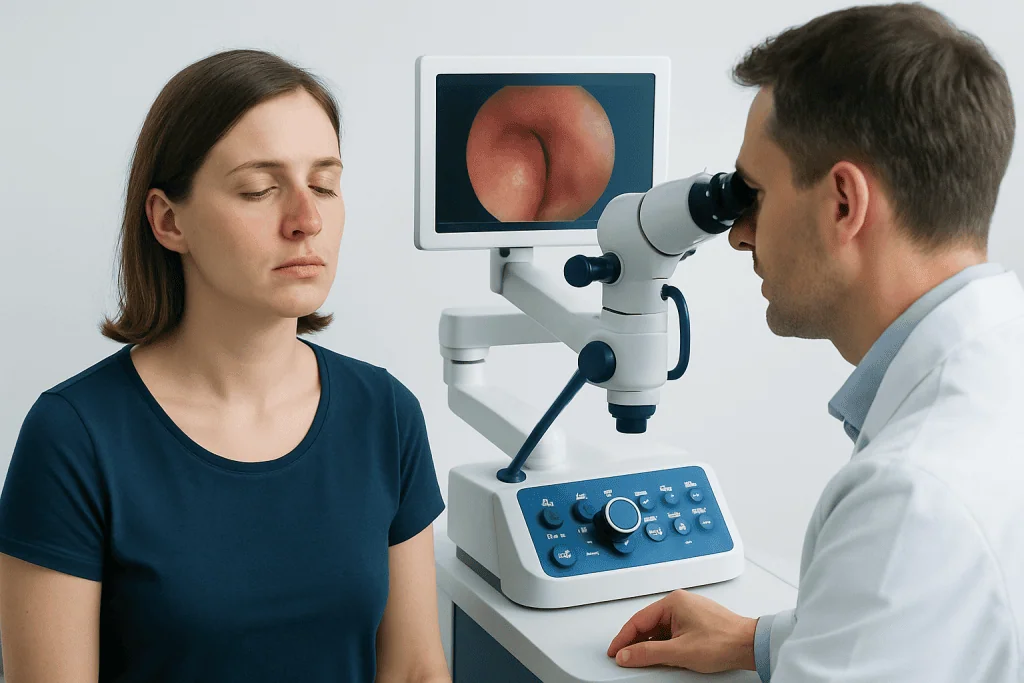
Nasal fracture symptoms can appear immediately after the injury, but swelling and bruising may increase over the next one to two days. The nose may feel tender to touch, look crooked or wider than usual, or make a grating sensation if the bones are unstable. Some people notice that one side of the nose is harder to breathe through.
Common symptoms of a nasal fracture include:
- Pain, tenderness or throbbing around the bridge of the nose
- Swelling of the nose and nearby cheeks or eyelids
- Bruising around the nose or under the eyes
- Nosebleed at the time of injury or afterward
- A crooked, flattened or changed nose shape
- Nasal blockage or noisy breathing through the nose
- Clear or bloody nasal discharge after trauma
Some symptoms suggest a more significant injury and need urgent medical assessment. These include persistent heavy bleeding, severe headache, vomiting, confusion, fainting, vision changes, double vision, pain with eye movement, numbness of the face, loose teeth, jaw pain or clear watery fluid draining from the nose. A soft, swollen area inside the nose on both sides of the septum may indicate a septal hematoma, which requires prompt treatment to protect the cartilage.
Causes & Risk Factors
The direct cause of a nasal fracture is usually blunt trauma to the nose or midface. The force may come from the front, side or below, and the direction of the impact can influence whether the nose becomes bent, depressed or shifted. A strong impact may also injure the septum or nearby facial bones.
Common situations linked with nasal fractures include contact sports, cycling, skiing, skating, falls, motor vehicle collisions, workplace accidents and interpersonal violence. Children and older adults may be at higher risk during falls, while athletes may be at higher risk during activities involving balls, sticks, elbows or collisions. Not wearing protective equipment during high-risk sports can increase the chance of injury.
Risk is also influenced by the shape and previous history of the nose. A person who has had earlier nasal trauma, nasal surgery or a deviated septum may experience more noticeable breathing problems after a new injury. However, even a person with a previously healthy nose can develop a fracture from a relatively brief but forceful impact.
Diagnosis
Diagnosis of a nasal fracture usually begins with a medical history and physical examination. The doctor asks how the injury happened, when it occurred, whether there was bleeding or loss of consciousness, and whether breathing through the nose has changed. The face, eyes, mouth, teeth and jaw may also be examined to look for associated injuries.
The nose is checked from the outside and inside. The clinician may look for swelling, bruising, cuts, deformity, tenderness, unstable bone movement, septal deviation and signs of a septal hematoma. Because touching the nose can be uncomfortable soon after injury, the examination is performed as gently as possible, and local measures may be used when appropriate.
Imaging is not always required for an uncomplicated suspected nasal fracture because treatment decisions often depend on appearance, nasal airflow and physical findings. X-rays may miss some nasal injuries and may not change management. Computed tomography may be considered when the injury is more complex, when there is concern about other facial fractures, or when symptoms suggest eye, skull base or significant midface involvement.
Timing matters. Very early examination can identify urgent problems, while a follow-up review after swelling decreases may help determine whether the nose is displaced and whether reduction is needed. Patients should follow the specialist’s recommended schedule because delayed assessment can reduce the options for simple correction.
Treatment Options
Treatment for a nasal fracture depends on the severity of the injury, the degree of bone displacement, breathing symptoms, the condition of the septum, the patient’s age and the time since injury. The right approach is decided by an ENT specialist, facial trauma surgeon or plastic and reconstructive surgeon after assessment. The aim is to restore safe nasal breathing, support healing and, when possible, return the nose to its previous appearance.
For minor fractures without displacement or breathing difficulty, conservative care may be enough. This can include rest, head elevation, cold compresses in the early period, avoiding further trauma, and using doctor-approved pain relief. If there are cuts, infection risk, significant bleeding or other concerns, the doctor may add wound care or medication according to the individual situation.
If the bones are displaced, a procedure called reduction may be considered. Closed reduction means the bones are repositioned without external incisions, usually within a limited time window after the injury, before the bones begin to heal firmly. A splint may be placed on the outside of the nose, and internal support may be used in selected cases. The timing and technique depend on swelling, fracture pattern and patient factors.
More complex injuries may require surgery, especially when there is severe deformity, major septal injury, persistent nasal obstruction, open wounds, multiple facial fractures or delayed presentation. Surgical options may involve septal repair, fracture fixation or later reconstructive procedures if the nose heals with functional or cosmetic problems. Rehabilitation is usually simple but important: patients are advised to protect the nose, avoid contact sports until cleared, attend follow-up visits and report worsening symptoms.
Living With / Prognosis
Most uncomplicated nasal fractures heal well, especially when they are assessed early and protected during recovery. Swelling and bruising usually improve gradually, while tenderness may take longer to settle. The exact healing time varies according to the fracture, the person’s general health and whether treatment such as reduction or surgery was needed.
During recovery, patients are usually advised to avoid bumping the nose, strenuous contact activities and pressure from glasses or masks unless approved by the doctor. Sleeping with the head elevated and following aftercare instructions can help comfort. Smoking may slow tissue healing, and patients who smoke should discuss support for stopping or reducing exposure during recovery.
Possible longer-term issues include persistent nasal blockage, a deviated septum, changes in nose shape, recurrent nosebleeds, reduced sense of smell or sinus-related symptoms. These do not occur in every case, but they should be discussed if they persist after the initial healing period. A specialist can assess whether further medical treatment, nasal endoscopy, septal surgery or reconstructive correction is appropriate.
For international patients who need coordinated evaluation, Acibadem International’s multidisciplinary ENT, radiology, anesthesiology and reconstructive surgery teams in JCI-accredited hospitals can diagnose and treat nasal fractures according to the patient’s individual needs. As with all facial injuries, outcomes depend on the injury pattern, timing of care and overall health.
When to See a Doctor
A person should seek medical care after a significant blow to the nose, especially if there is swelling, pain, bleeding, a visible change in shape or difficulty breathing through the nose. Even when the nose does not look very crooked at first, swelling can hide a fracture, and internal injuries may not be obvious without examination.
Urgent medical attention is recommended if there is heavy or ongoing bleeding, trouble breathing, a large cut, suspected foreign body, clear watery drainage from the nose, severe headache, vomiting, confusion, drowsiness or loss of consciousness. Emergency care is also needed for vision changes, double vision, eye swelling that limits movement, facial numbness, suspected jaw or dental injury, or a major accident involving the head, neck or face.
Children should be assessed promptly because their nasal bones and cartilage are still developing, and injuries can be harder to evaluate. Adults should also arrange follow-up if pain, blockage or deformity persists after the first swelling settles. A qualified doctor can determine whether observation, reduction, imaging or referral to a specialist is needed.
Frequently asked questions
What is a nasal fracture?
A nasal fracture is a break or crack in the bones of the nose, often with injury to the nearby cartilage and soft tissues. It is commonly called a broken nose. It usually happens after a direct blow to the face from a fall, sport, accident or assault.
How can someone tell if their nose is broken?
Possible signs include pain, swelling, bruising, nosebleed, a crooked or flattened appearance, and difficulty breathing through the nose. However, swelling can make it difficult to judge the true shape of the nose. A medical examination is the safest way to confirm the injury and check for internal problems.
Does every nasal fracture need surgery?
No. Many minor nasal fractures that are not displaced and do not affect breathing can heal with conservative care and follow-up. If the bones are shifted or the septum is injured, a specialist may recommend reduction or surgery depending on the examination findings.
When should a broken nose be treated?
It is best to be assessed soon after the injury, especially if there is bleeding, deformity or nasal blockage. Some corrective procedures must be considered within a limited time before the bones begin to heal firmly. A doctor can advise the correct timing after examining the nose and the amount of swelling.
Is an X-ray needed for a nasal fracture?
Not always. Many uncomplicated nasal fractures are diagnosed by history and physical examination, and an X-ray may not change treatment. CT imaging may be used if there is concern about other facial fractures, eye injury, skull base injury or a complex trauma pattern.
What is a septal hematoma and why is it important?
A septal hematoma is a collection of blood inside the nasal septum after injury. It can block blood supply to the cartilage and may lead to complications if not treated promptly. Any increasing blockage, severe internal swelling or pain inside the nose after trauma should be checked urgently.
Will the nose look the same after a nasal fracture heals?
Many uncomplicated fractures heal with little or no lasting change, especially when they are treated at the right time. More severe fractures may leave a change in shape or breathing that requires further assessment. If cosmetic or functional concerns remain after healing, an ENT or reconstructive specialist can discuss appropriate options.
References
- American Academy of Otolaryngology–Head and Neck Surgery
- Mayo Clinic
- Cleveland Clinic
- Merck Manual Professional Edition
- National Health Service
This article is for general information only and is not a substitute for professional medical advice. Please consult a qualified doctor about your individual situation.
Treatments for This Condition
Doctors Who Treat This Condition

Assoc. Prof. Dr. Mustafa Taş
Gynecology & Obstetrics
Dr. Baris Chousein
Neurosurgery
Dr. Mustafa Bozkurt
Medical Oncology
Dt. Elif Ceren Güzeler
Oral & Dental Health
Fzt. Sena Durmaz
Physical Medicine and RehabilitationRelated Articles

Dizziness With Hearing Loss: When Neurotology Evaluation Is Needed

Vestibular Neuritis: Sudden Vertigo, Balance Problems, and Recovery

Neuro-Otology Tests for Dizziness: What Happens at Your Visit?

Persistent Dizziness After a Viral Illness: When Neuro-Otology Can Help

Tonsillectomy Recovery: What to Expect Each Day After Surgery

Ear Tubes Recovery: How Long Healing Takes and How to Care for the Ear

Common Cold or Sinus Infection: When ENT Assessment Is Needed

ESS vs FESS: Which Sinus Surgery Is Right for You?

When Dizziness Needs a Neurotology Second Opinion

How Ear Tubes Drain Fluid and Relieve Repeated Ear Infections

FESS Surgery for Nasal Polyps: Who May Benefit and What to Expect