FESS Surgery for Nasal Polyps: Who May Benefit and What to Expect

FESS is usually considered when nasal polyps continue to cause symptoms despite appropriate medicines. The procedure is done through the nostrils, without external facial cuts, using a camera and fine instruments.
Key Takeaways
- FESS is usually considered when nasal polyps continue to cause symptoms despite appropriate medicines.
- The procedure is done through the nostrils, without external facial cuts, using a camera and fine instruments.
- Its goals are to improve airflow, restore sinus drainage, reduce infections, and help nasal medications work better.
- Recovery is often gradual over several days to weeks, with follow-up nasal care and doctor visits playing an important role.
- Nasal polyps can return over time, so long-term treatment and monitoring are often needed.
FESS surgery for nasal polyps is a minimally invasive procedure that removes polyps and opens blocked sinus passages using a small endoscope through the nose. It may help people with ongoing nasal blockage, poor sinus drainage, and recurring symptoms that do not improve enough with medical treatment.
Overview: What FESS Surgery for Nasal Polyps Means
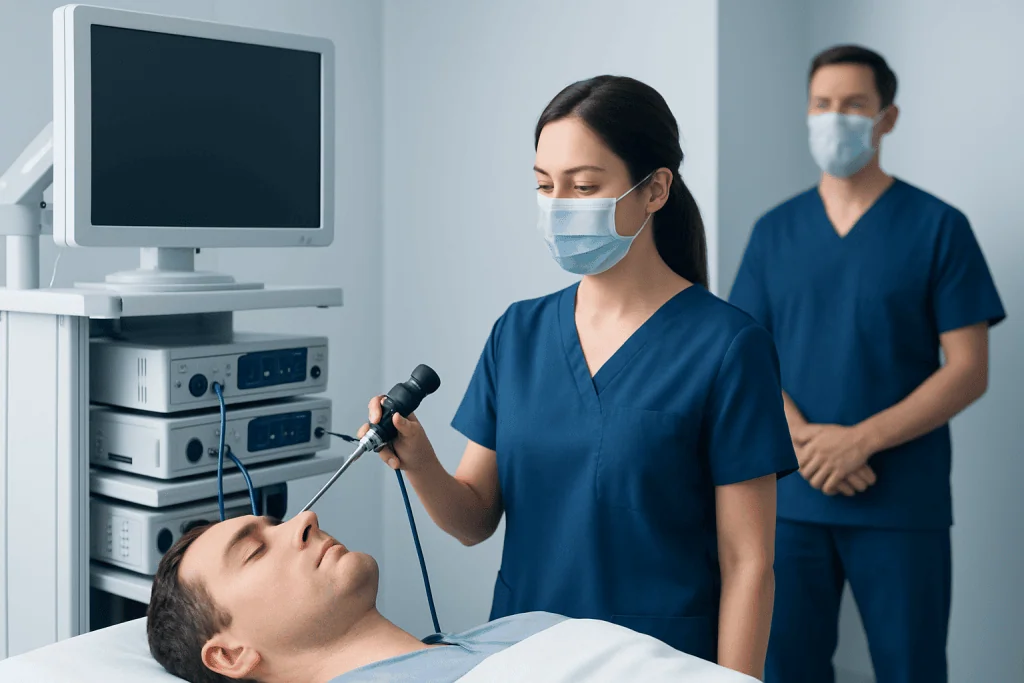
FESS stands for functional endoscopic sinus surgery. It is a commonly used procedure to treat nasal polyps and blocked sinus pathways. During FESS, an ear, nose, and throat specialist uses a thin camera called an endoscope and delicate instruments to work through the nostrils. This allows the surgeon to remove polyp tissue and widen the natural drainage openings of the sinuses without making cuts on the outside of the face.
Nasal polyps are soft, noncancerous growths that develop from the lining of the nose or sinuses, often in people with long-standing inflammation. They may be linked with allergies, asthma, aspirin sensitivity, or chronic sinus disease. When polyps become large or numerous, they can block airflow and mucus drainage, leading to persistent stuffiness, pressure, poor sleep, and reduced sense of smell. Readers looking for a broader condition overview may find nasal polyps helpful.
FESS does not cure the underlying tendency toward inflammation, but it can create more space inside the nose and sinuses and improve access for sprays or rinses afterward. For many patients, surgery is part of a larger treatment plan rather than a stand-alone fix. In suitable candidates, FESS can improve breathing, reduce sinus flare-ups, and support better daily comfort.
Who May Benefit From FESS
FESS is usually considered for people whose symptoms remain troublesome even after appropriate medical treatment. This may include regular use of saline rinses, corticosteroid nasal sprays, short courses of oral medicines when needed, and treatment of contributing conditions such as allergies or asthma. If these measures do not provide enough relief, surgery may be discussed.
Patients may benefit when polyps are causing ongoing nasal blockage, recurrent or chronic sinus infections, facial pressure, mouth breathing, snoring, or a noticeably reduced sense of smell. It may also be considered when imaging shows blocked sinus passages or when polyp size makes it difficult for nasal medicines to reach the affected areas.
Another reason to consider surgery is repeated relapse after prior treatment. Some people experience temporary improvement with medicines, only for symptoms to return again and again. In those cases, surgery may help remove obstructing tissue and restore the normal function of the sinuses. It can be especially relevant in people with chronic sinusitis related to ongoing inflammation.
FESS is not the right choice for every person with polyps. The decision depends on symptom severity, examination findings, scan results, overall health, and whether less invasive treatment has been fully tried. A personalized ENT evaluation helps clarify whether the likely benefits outweigh the risks.
Symptoms and Conditions That Often Lead to Surgery
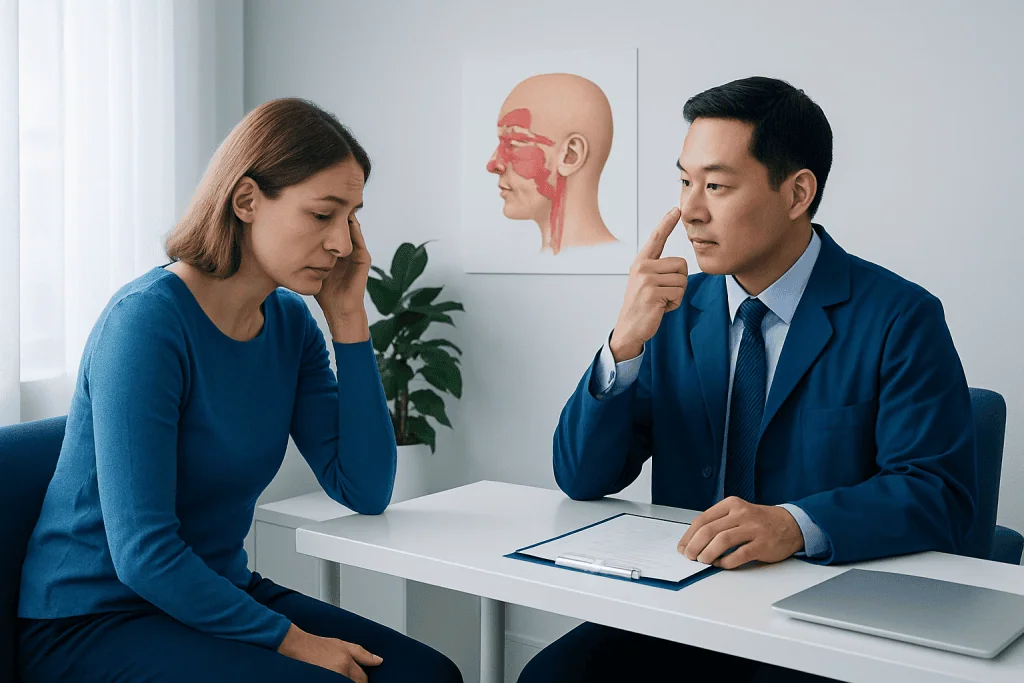
Nasal polyps can cause a range of symptoms, and the pattern often develops slowly. Many people describe constant nasal congestion on one or both sides, a need to breathe through the mouth, thick drainage, or a sensation that the nose is always blocked. A reduced or lost sense of smell is also common and can affect taste and appetite.
Sinus-related symptoms may include pressure around the cheeks, forehead, or eyes, frequent headaches, postnasal drip, coughing, and recurrent infections. Sleep may also suffer because nasal blockage can increase snoring or fragmented rest. In some cases, people have repeated antibiotic treatments or repeated periods of missed work or poor concentration because symptoms keep returning.
FESS may be part of the care plan when polyp-related blockage exists alongside other ENT problems, such as a deviated septum or enlarged adenoids, although not everyone needs additional procedures. Depending on the anatomy and symptoms, an ENT specialist may discuss related approaches such as endoscopic sinus surgery more broadly, treatment for allergic rhinitis, or septal surgery like septal reduction procedures if these are contributing to obstruction.
- Persistent blocked nose despite treatment
- Reduced or absent sense of smell
- Repeated sinus infections or long-lasting sinus inflammation
- Facial pressure, thick drainage, or postnasal drip
- Sleep disturbance related to poor nasal airflow
How Doctors Diagnose Nasal Polyps and Plan FESS
Diagnosis begins with a medical history and physical examination. The doctor asks about the duration of symptoms, previous treatments, allergies, asthma, medication sensitivities, prior sinus infections, and how breathing or sleep have been affected. This helps identify both the degree of nasal obstruction and any underlying inflammatory triggers.
An endoscopic nasal examination is often the key office test. Using a small flexible or rigid scope, the ENT specialist can look inside the nose for polyp tissue, swelling, mucus, and structural problems. This examination provides much more detail than a simple flashlight exam and helps guide treatment decisions.
A CT scan of the sinuses is commonly used before surgery. It shows which sinus spaces are blocked and gives the surgeon a map of each person’s anatomy. This is important because the sinuses sit close to the eyes and the base of the skull. Imaging also helps rule out other causes of symptoms and supports careful surgical planning.
Doctors may also assess related conditions such as asthma, aspirin-exacerbated respiratory disease, or allergies. In some cases, blood tests or allergy testing may be useful. The goal is not only to confirm the presence of polyps but to build a long-term plan that reduces the chance of symptoms returning after surgery.
What to Expect Before, During, and Right After FESS
Before surgery, patients usually receive instructions about medicines, eating and drinking, and recovery planning. Some medications, especially those that affect bleeding, may need to be adjusted under medical guidance. The surgeon may also recommend nasal rinses or a short course of medicine to reduce inflammation before the operation. Asking questions in advance can help patients feel more prepared and confident.
FESS is generally performed under general anesthesia, although the exact approach can vary. During the procedure, the surgeon works through the nostrils using an endoscope and fine instruments to remove polyp tissue and enlarge the sinus openings. Because there are no external cuts, visible scarring is not expected. The main aim is to improve ventilation and drainage while preserving as much healthy tissue as possible.
After surgery, it is normal to have some congestion, mild bleeding or blood-tinged drainage, crusting, and a feeling of pressure in the nose. Pain is often manageable, but individual experiences differ. Patients are usually advised to avoid nose blowing, heavy lifting, and strenuous activity for a period recommended by the surgeon.
Recovery also includes follow-up visits so the doctor can examine the nasal passages and, if needed, gently clean crusts or debris. These appointments are important because they support healing and help prevent re-blockage. If treatment is being coordinated for international patients, Acibadem International’s multidisciplinary specialists in JCI-accredited hospitals diagnose and treat nasal and sinus conditions with individualized planning.
Treatment Results, Risks, and Long-Term Care
For many people, FESS improves nasal breathing, reduces sinus pressure, lowers the frequency of infections, and helps restore smell at least partly. Another important benefit is that it can make ongoing treatments, such as saline rinses and steroid sprays, reach the sinus lining more effectively. This is one reason surgery is often paired with continued medical therapy afterward.
As with any operation, there are risks. Possible complications include bleeding, infection, scar tissue, persistent symptoms, or the need for revision surgery later. Because the sinuses are near the eyes and skull base, uncommon but more serious complications are also possible, which is why careful planning and specialist experience are important. Most patients do not experience major problems, but informed consent should include a balanced discussion of these possibilities.
It is also important to understand that nasal polyps can come back. Surgery removes existing obstructive tissue, but it does not eliminate the inflammatory process that caused the polyps to form. Long-term care may include saline irrigation, nasal steroid sprays, allergy management, asthma control, and in selected cases newer biologic medications prescribed by specialists.
People with recurrent symptoms after surgery should not assume the procedure has failed. The nose and sinuses can change over time, and additional medical treatment may still help. Ongoing follow-up allows doctors to detect early recurrence and adjust therapy before symptoms become severe again.
Prevention, Self-Care, and When to See a Doctor
While nasal polyps cannot always be prevented, daily self-care can reduce irritation and support sinus health. Saline rinses may help clear mucus and crusts, while prescribed nasal steroid sprays can reduce inflammation when used regularly and correctly. Managing allergies, avoiding smoke and environmental irritants, and following asthma treatment plans can also make a difference.
Good hydration, humidified air when appropriate, and prompt care for lingering sinus symptoms may be helpful. It is important not to overuse over-the-counter decongestant sprays, as they can worsen congestion if used for too long. Anyone with recurrent blockage should seek advice rather than relying on temporary self-treatment alone.
A doctor should be consulted if nasal obstruction lasts for weeks, the sense of smell is decreasing, sinus infections keep returning, or breathing during sleep becomes more difficult. Medical review is also important for one-sided blockage, recurrent nosebleeds, eye swelling, severe facial pain, or symptoms that worsen despite treatment. These signs do not always mean something serious, but they deserve proper assessment.
Early ENT evaluation can often identify whether symptoms are due to polyps, sinusitis, allergy, a structural problem, or another condition. Timely treatment may reduce the need for more extensive intervention and help people return to more comfortable breathing and better day-to-day function.
Frequently asked questions
Is FESS surgery painful?
FESS is performed with anesthesia, so the patient does not feel pain during the procedure. Afterward, discomfort is usually described as congestion, pressure, or mild soreness rather than severe pain, and the surgeon provides guidance on symptom relief.
How long does recovery from FESS for nasal polyps take?
Many people feel better gradually over several days to a few weeks, but full internal healing can take longer. Follow-up visits, saline rinses, and careful adherence to aftercare instructions are important parts of recovery.
Can nasal polyps come back after surgery?
Yes, nasal polyps can recur because surgery removes the existing polyps but does not cure the underlying inflammation. Ongoing medical treatment and regular review can help reduce the chance of recurrence and catch it early if it happens.
Will FESS restore the sense of smell?
Some patients notice improvement in smell after surgery, especially if polyps were blocking airflow to the smell area. However, results vary, and recovery of smell depends on factors such as the degree and duration of inflammation.
Is FESS the same as septoplasty?
No. FESS focuses on the sinuses and polyp removal using an endoscope, while septoplasty corrects a deviated nasal septum. In some people, both issues contribute to symptoms and may be addressed together if appropriate.
How do doctors decide if surgery is needed?
The decision is based on symptoms, nasal endoscopy findings, CT scan results, response to medicines, and the overall effect on quality of life. Surgery is usually considered when well-managed medical treatment has not provided enough improvement.
References
- American Academy of Otolaryngology–Head and Neck Surgery
- National Health Service
- National Institute of Allergy and Infectious Diseases
- Mayo Clinic
- European Position Paper on Rhinosinusitis and Nasal Polyps
This article is for general information only and is not a substitute for professional medical advice. Please consult a qualified doctor about your individual situation.
FESS in Turkey — costs, top hospitals & a free quote
JCI-accredited · board-certified surgeons · reply within 24h
Add us as a Preferred Source to see more of our trusted health content across Google Search, AI Overviews and Discover.

Related Treatments
Related Conditions
More from the Health Library



Related Specialists

Prof. Dr. Nazim Korkut
Otorhinolaryngology
Prof. Dr. Hasan M. Tanyeri
Ear Nose & Throat
Prof. Dr. Güler Berkiten
Otorhinolaryngology
Assoc. Prof. Dr. A. Erdem Kilavuz
Ear Nose & Throat