When Dizziness Needs a Neurotology Second Opinion
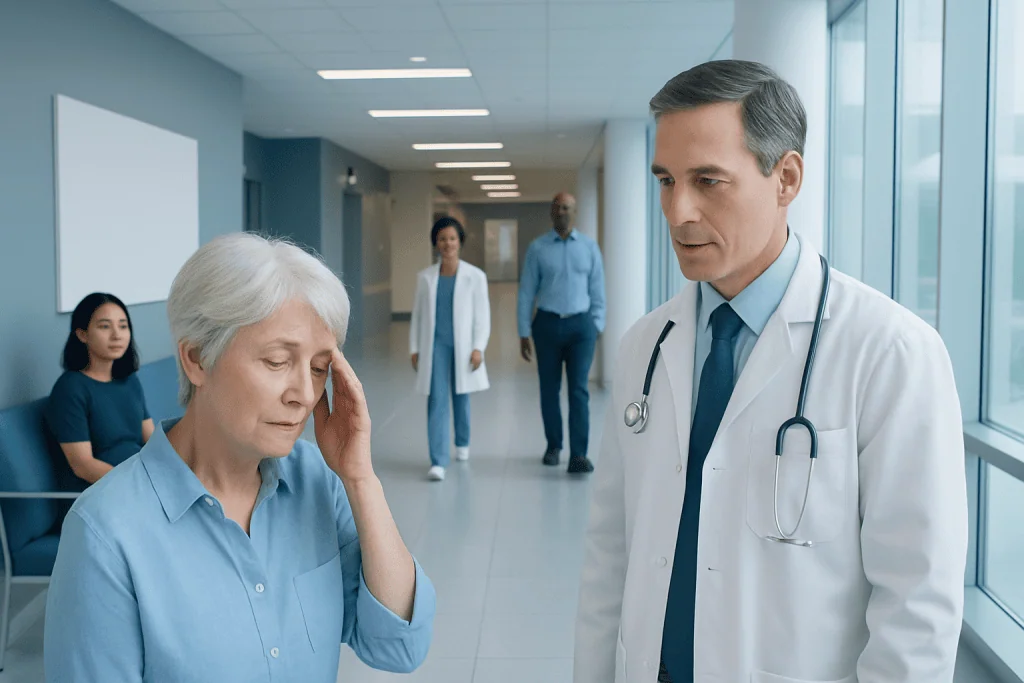
Dizziness is a symptom, not a diagnosis, and it can have inner-ear, neurologic, cardiovascular, medication-related, or metabolic causes. A neurotology second opinion is often useful for persistent, recurrent, or unexplained dizziness, especially when hearing symptoms are also present.
Key Takeaways
- Dizziness is a symptom, not a diagnosis, and it can have inner-ear, neurologic, cardiovascular, medication-related, or metabolic causes.
- A neurotology second opinion is often useful for persistent, recurrent, or unexplained dizziness, especially when hearing symptoms are also present.
- Careful history, hearing tests, balance testing, and selected imaging or lab tests can help identify the cause.
- Many common inner-ear causes, including positional vertigo, can improve with targeted treatment rather than general medications alone.
- Urgent medical attention is needed for dizziness with stroke-like symptoms, chest pain, fainting, or sudden hearing loss.
A dizziness second opinion may be helpful when symptoms keep returning, diagnosis is uncertain, or treatment has not improved daily life. Neurotology focuses on disorders of the inner ear and related nerve pathways, helping clarify whether dizziness is coming from the balance system or another cause.
Overview: Why a Second Opinion for Dizziness Can Matter
Dizziness is a common complaint, but it does not mean the same thing for every person. Some people describe spinning or motion, others feel unsteady, lightheaded, off-balance, or as if they might faint. Because these sensations can come from different body systems, finding the exact cause is not always simple.
A neurotology second opinion may be helpful when dizziness has lasted longer than expected, returns repeatedly, or has not responded to initial treatment. Neurotology is a subspecialty focused on the inner ear, hearing, balance pathways, and related nerve problems. This can be especially important when dizziness occurs together with hearing changes, ear fullness, nausea, imbalance, or ringing in the ears.
In many cases, dizziness is not dangerous, but it can affect confidence, mobility, work, and quality of life. A second opinion does not mean prior care was wrong. Instead, it can provide a fresh review of symptoms, test results, and possible diagnoses, helping confirm a treatment plan or identify another explanation.
Symptoms That Suggest a Specialist Review

Not all dizziness requires a specialist, but some patterns make a neurotology review more useful. Symptoms that are persistent, severe, or difficult to explain deserve closer attention. This is particularly true if dizziness is linked to specific head positions, hearing symptoms, migraine features, or recent ear disease.
People may benefit from a second opinion if they have repeated attacks of spinning vertigo, chronic imbalance between episodes, a sensation of motion when turning over in bed, or dizziness that has led to falls or fear of walking. Specialist review can also help if symptoms are not clearly fitting one diagnosis, or if treatments have only partly helped.
- Dizziness lasting weeks or months without a clear explanation
- Recurrent vertigo attacks that disrupt daily life
- Dizziness with hearing loss, ear pressure, or tinnitus
- Symptoms after ear infection, head injury, or viral illness
- Unsteadiness despite normal basic examinations
- Previous diagnosis, but treatment has not improved symptoms
Another common reason for specialist input is concern that more than one condition may be present. For example, someone may have positional vertigo and migraine, or an inner-ear problem along with medication side effects or low blood pressure. Sorting out these overlapping issues can change treatment.
Common Causes a Neurotologist May Look For

Neurotologists often assess dizziness related to the vestibular system, the balance organs of the inner ear and their nerve connections. One of the most common causes is benign paroxysmal positional vertigo, in which tiny inner-ear crystals move into the wrong area and trigger brief spinning with position changes. This can often be treated with specific repositioning maneuvers rather than long-term medicine.
Other inner-ear causes include vestibular neuritis, labyrinthitis, migraine-related dizziness, and Meniere disease. Some people also have dizziness linked to middle-ear or hearing conditions, including pressure problems, chronic ear disease, or sudden sensorineural hearing loss. When hearing changes and dizziness happen together, specialist evaluation becomes more important.
However, not all dizziness starts in the ear. A second opinion may also help rule out causes such as low blood pressure, heart rhythm problems, anemia, dehydration, blood sugar changes, medication effects, anxiety, or neurologic disorders. This is why a good dizziness assessment looks beyond the ear while still paying close attention to vestibular clues.
How Neurotology Evaluation and Diagnosis Work
The most important part of a dizziness evaluation is often the history. A specialist will usually ask what the sensation feels like, how long it lasts, what triggers it, whether there are hearing symptoms, and whether headaches, faintness, numbness, weakness, or visual changes occur at the same time. The pattern of episodes often gives strong clues before any test is done.
The examination may include eye movement testing, balance assessment, hearing evaluation, and positional maneuvers that look for characteristic signs of vestibular disorders. A hearing test is especially helpful when dizziness is accompanied by fullness, fluctuating hearing, or ringing. In some cases, additional vestibular testing may measure how the inner ear responds to movement or temperature changes.
Imaging such as MRI is not needed for every patient, but it may be recommended when symptoms are atypical, one-sided hearing loss is present, neurologic findings are noted, or a central cause needs to be excluded. Blood tests or cardiovascular evaluation may also be arranged if the history suggests non-ear causes. A dedicated neurotology assessment or neuro-otology evaluation can help bring these findings together into a clear diagnosis.
Many people are reassured to learn that dizziness can often be explained by a combination of history, examination, and targeted testing rather than broad screening alone. The goal is not simply to label symptoms, but to understand the mechanism well enough to choose the right treatment.
Treatment Options After a Second Opinion
Treatment depends entirely on the cause. For positional vertigo, canalith repositioning maneuvers are often the main treatment and can be very effective. If dizziness is related to vestibular neuritis or another inner-ear inflammation, management may include short-term medicines for severe nausea, followed by movement-based rehabilitation rather than prolonged use of suppressive medication.
Some patients benefit from hearing-focused or ear-focused treatment, especially if dizziness occurs with hearing changes or chronic ear problems. Depending on the diagnosis, care may include targeted vertigo treatment, vestibular rehabilitation therapy, migraine management, dietary guidance, or treatment of an associated ear disorder. If structural ear disease is identified, treatment may address that specific issue.
Long-term daily use of dizziness medicines is not ideal for many vestibular disorders because it can interfere with natural balance compensation. A second opinion may therefore shift the plan from symptom suppression to cause-specific treatment. It may also confirm that the current approach is appropriate, which can be valuable when symptoms are slow to improve.
When dizziness is related to a non-ear problem, the neurotologist may coordinate care with neurology, cardiology, internal medicine, or physical therapy. Near the end of the care pathway, some patients choose centers such as Acibadem International, where multidisciplinary specialists in JCI-accredited hospitals evaluate and treat complex dizziness for international patients.
Self-Care, Prevention, and Daily Living
Self-care cannot replace medical assessment, but it can support recovery and reduce risk. Good hydration, regular meals, careful sleep habits, and slow position changes can help some forms of dizziness. It is also useful to review medicines with a doctor or pharmacist, since some prescriptions and over-the-counter products can contribute to lightheadedness or imbalance.
For people with vestibular disorders, staying gently active is often better than strict bed rest after the worst phase has passed. Vestibular rehabilitation exercises may improve the brain’s ability to adapt and rely on balance signals more effectively. Home safety matters too, especially for older adults or anyone who feels unsteady.
- Stand up slowly from bed or a chair
- Use handrails on stairs and keep walkways clear
- Avoid driving or climbing if severe dizziness is active
- Follow any prescribed exercises or repositioning instructions carefully
- Keep a symptom diary noting triggers, duration, and associated hearing or headache symptoms
People with migraine-related dizziness may also benefit from identifying personal triggers such as sleep disruption, stress, skipped meals, or certain foods. If attacks are linked to a known condition, following the treatment plan consistently can reduce recurrences and improve confidence in daily activities.
When to Seek Urgent Care or a Neurotology Second Opinion
Urgent medical evaluation is needed if dizziness happens with signs that could suggest stroke, heart problems, or another serious condition. Warning symptoms include new weakness, facial droop, trouble speaking, severe chest pain, fainting, sudden severe headache, double vision, or inability to walk. These symptoms should not wait for a routine specialist appointment.
A prompt second opinion is also wise when dizziness is accompanied by sudden hearing loss, severe one-sided ear symptoms, repeated unexplained falls, or persistent vomiting that prevents drinking fluids. Even when the cause is not dangerous, earlier assessment may shorten suffering and reduce the impact on daily life.
For non-urgent situations, a second opinion is reasonable if the diagnosis remains unclear, symptoms keep returning, or current treatment has not restored function. It can also be helpful before accepting a major diagnosis, beginning long-term medication, or deciding on a specialized procedure. Asking questions, bringing previous test results, and clearly describing the symptom pattern can make the visit more productive.
Frequently asked questions
What is a neurotologist, and how is this different from a general ENT specialist?
A neurotologist is an ENT specialist with additional expertise in disorders of hearing, balance, the inner ear, and related nerves. A general ENT can manage many dizziness complaints, but a neurotologist may be especially helpful when symptoms are persistent, recurrent, or linked to hearing changes.
When should someone consider a dizziness second opinion?
A second opinion is often useful when dizziness keeps coming back, lasts longer than expected, or has not improved with treatment. It can also help when the diagnosis is uncertain, symptoms are affecting daily life, or hearing loss, ear fullness, or ringing in the ears is present.
Can dizziness come from something other than the inner ear?
Yes. Dizziness may also be related to blood pressure changes, heart rhythm problems, dehydration, anemia, medication side effects, migraine, anxiety, or neurologic conditions. That is why a careful medical history and targeted testing are important.
What tests might be done during a neurotology evaluation?
Testing may include a hearing test, eye movement and balance examination, positional maneuvers, and sometimes formal vestibular studies. MRI, blood tests, or heart-related evaluation may be recommended if the symptom pattern suggests a cause outside the inner ear or if there are atypical features.
Is persistent dizziness always serious?
Not always. Many common causes, such as positional vertigo or vestibular migraine, are treatable and not dangerous, but persistent dizziness should still be assessed because it can increase fall risk and sometimes signals a condition that needs prompt care.
What symptoms mean dizziness needs urgent medical attention?
Emergency care is needed if dizziness occurs with weakness, trouble speaking, facial droop, chest pain, fainting, severe headache, new double vision, or inability to walk. Sudden hearing loss with dizziness also needs prompt medical evaluation.
References
- National Institute on Deafness and Other Communication Disorders
- American Academy of Otolaryngology–Head and Neck Surgery
- National Institute of Neurological Disorders and Stroke
- Mayo Clinic
- Merck Manual Consumer Version
This article is for general information only and is not a substitute for professional medical advice. Please consult a qualified doctor about your individual situation.
Neurotology in Turkey — costs, top hospitals & a free quote
JCI-accredited · board-certified surgeons · reply within 24h
Add us as a Preferred Source to see more of our trusted health content across Google Search, AI Overviews and Discover.
Check your numbers in seconds
BMI, calories, due date, blood pressure and 30+ more clinical calculators — free, instant, doctor-reviewed ranges.

Otorhinolaryngology (ENT)
Care for ear, nose, throat and head-and-neck conditions, including hearing and balance disorders.
126 specialists in this unitRelated Treatments
Related Conditions
More from the Health Library



Related Specialists

Prof. Dr. Nazim Korkut
Otorhinolaryngology
Prof. Dr. Hasan M. Tanyeri
Ear Nose & Throat
Prof. Dr. Güler Berkiten
Otorhinolaryngology
Assoc. Prof. Dr. A. Erdem Kilavuz
Ear Nose & Throat