Arteriovenous Fistula
Arteriovenous Fistula is an abnormal artery-vein connection. Learn symptoms, causes, diagnosis, treatment options and when to seek care.

Quick answer
An arteriovenous fistula is an abnormal connection between an artery and a vein that can disrupt normal blood flow and may cause swelling, pain, skin changes, or strain on the heart. Treatment depends on its size, location, and symptoms, and at Acibadem in Turkey it is evaluated with vascular imaging and managed with observation, minimally invasive endovascular procedures, or surgery…
An arteriovenous fistula is an abnormal or surgically created connection between an artery and a vein, causing blood to flow directly from the artery into the vein. It may be harmless and monitored, used intentionally for dialysis access, or require treatment if it causes swelling, pain, circulation problems or strain on the heart.
Overview
An arteriovenous fistula is a direct connection between an artery and a vein. Normally, arteries carry high-pressure blood from the heart to the body, and veins return lower-pressure blood back to the heart after blood has passed through tiny vessels called capillaries. In an arteriovenous fistula, blood bypasses the capillaries and moves straight from an artery into a vein.
Arteriovenous fistulas can occur in different ways. Some people are born with them, although this is uncommon. Others develop after an injury, a puncture wound, a complication of a medical procedure, or certain vascular conditions. A fistula can also be created deliberately by a vascular surgeon, most often in the arm, to provide reliable access for hemodialysis in people with advanced kidney disease.
The effect of an AV fistula depends on its size, location and blood flow. A small fistula may cause no symptoms and only need monitoring. A larger fistula can enlarge nearby veins, cause swelling or discomfort, reduce circulation beyond the fistula, or increase the amount of blood returning to the heart. Because AV fistulas vary widely, assessment by a qualified vascular specialist is important.
Symptoms
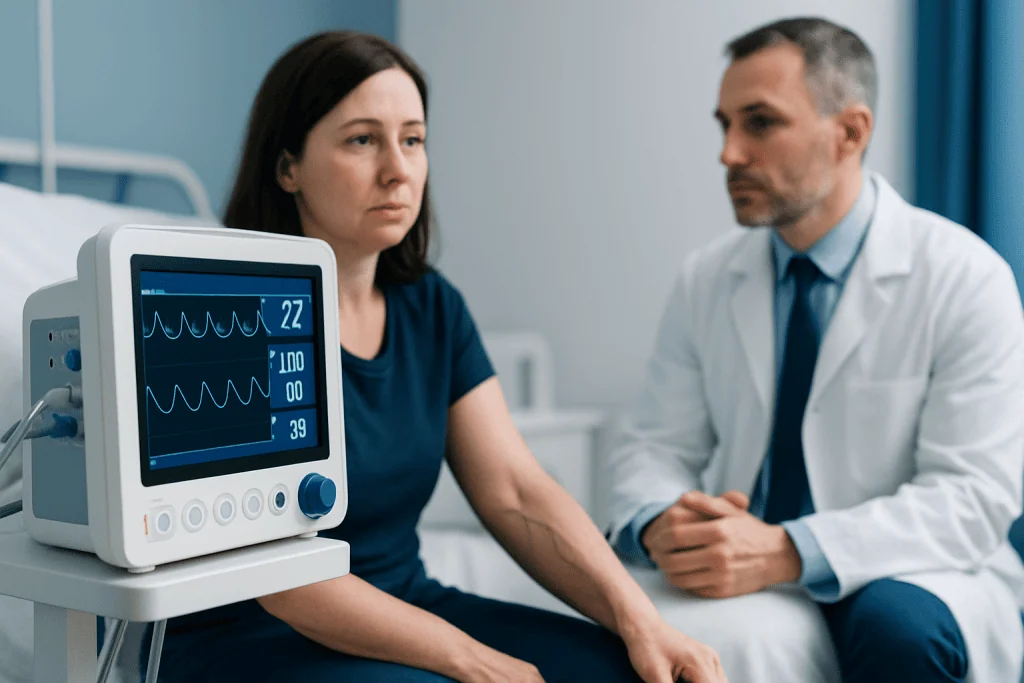
Arteriovenous fistula symptoms depend on where the abnormal connection is located and how much blood is flowing through it. In the arm or leg, a person may notice swelling, warmth, visible enlarged veins, aching, heaviness, a pulsating lump, or a vibrating sensation under the skin. A clinician may hear a whooshing sound over the area with a stethoscope; this is called a bruit.
If blood flow is diverted away from tissues beyond the fistula, symptoms of reduced circulation may occur. These can include coldness, numbness, tingling, weakness, skin discoloration, slow wound healing, or pain in the hand or foot. In a surgically created dialysis fistula, mild vibration is expected, but increasing pain, loss of thrill, swelling or skin changes should be checked promptly.
Large or high-flow AV fistulas can place extra workload on the heart because blood returns to the heart faster than usual. This may contribute to shortness of breath, unusual fatigue, leg swelling, palpitations or reduced exercise tolerance, especially in people who already have heart disease. Fistulas involving the brain, spine or internal organs can cause different symptoms, such as headache, pulsatile noise in the ear, neurological changes, bleeding, abdominal symptoms or high blood pressure, depending on the location.
Causes & Risk Factors
An arteriovenous fistula may be congenital, acquired or surgically created. Congenital AV fistulas develop before birth due to abnormal blood vessel formation. Acquired AV fistulas can occur after penetrating injuries, fractures, surgical procedures, catheter placement, repeated needle punctures or certain vascular interventions. In some cases, a fistula may be discovered years after the original injury.
A planned AV fistula for hemodialysis is different from an unwanted abnormal fistula. It is created by connecting a suitable artery and vein, usually in the forearm or upper arm, so the vein becomes stronger and easier to access for dialysis. Although this type is medically useful, it still requires monitoring because complications such as narrowing, clotting, excessive flow or hand circulation problems can occur.
Factors that may increase the likelihood of AV fistula formation or complications include previous vascular procedures, trauma, chronic kidney disease requiring dialysis access, blood vessel disease, older age, diabetes, smoking, high blood pressure and a history of poor wound healing. The individual risk varies, and many people with these factors never develop a problematic fistula.
Diagnosis
Diagnosis begins with a medical history and physical examination. The doctor asks about symptoms, previous injuries, procedures, dialysis access history and related conditions such as kidney disease or heart disease. During the examination, the clinician checks pulses, skin temperature, swelling, vein enlargement, capillary refill, hand or foot function, and the presence of a thrill or bruit.
Doppler ultrasound is often the first imaging test for an AV fistula in an arm or leg. It can show the connection between the artery and vein, estimate blood flow, identify narrowing or clotting, and assess circulation beyond the fistula. Ultrasound is noninvasive and useful for both diagnosis and follow-up, including evaluation of dialysis fistulas.
More detailed imaging may be needed if the fistula is deep, complex, internal or being considered for treatment. CT angiography and MR angiography can map the blood vessels and surrounding structures. Catheter angiography, in which contrast dye is injected into the blood vessels, may be used when precise anatomy is needed or when endovascular treatment is planned. In selected cases, heart evaluation may be recommended to assess the effect of a high-flow fistula on cardiac function.
Treatment Options
Arteriovenous fistula treatment depends on whether the fistula is causing symptoms, where it is located, how much blood is flowing through it, whether it was created intentionally for dialysis, and the person’s overall health. The right approach is decided by a vascular surgeon, interventional radiologist or other appropriate specialist after examination and imaging. A small, stable fistula that causes no problems may only need observation and regular follow-up.
When treatment is needed, minimally invasive endovascular techniques may be considered. These may include closing the fistula from inside the blood vessel using embolization materials, covered stents, coils or other devices, depending on the anatomy. Endovascular treatment is often performed through a small puncture in a blood vessel, but it is not suitable for every type of AV fistula.
Surgical treatment may be recommended for fistulas that are large, superficial, complex, associated with tissue damage, or not suitable for endovascular repair. Surgery may involve disconnecting or closing the abnormal connection, repairing the artery or vein, removing an aneurysmal segment, or reconstructing blood flow. For dialysis access fistulas, treatment may focus on preserving access while correcting narrowing, excessive flow, bleeding risk or circulation problems.
Supportive care may also be part of management. This can include wound care, compression in selected cases, treatment of associated heart strain, dialysis access surveillance, and rehabilitation if limb function has been affected. Patients should not try to compress, puncture or massage a suspected fistula without medical guidance, as inappropriate handling may worsen bleeding or vessel injury.
Living With / Prognosis
The outlook for an arteriovenous fistula varies according to its cause, location and effect on the body. Many small fistulas remain stable when monitored appropriately. Others can be treated successfully with endovascular or surgical techniques, although follow-up is important because recurrence, narrowing, clotting or changes in blood flow can occur.
People with a dialysis AV fistula are usually taught how to protect and monitor the access. This may include checking for the usual vibration, avoiding blood pressure measurements or blood draws on the access arm unless approved, keeping the skin clean, and reporting changes quickly. Good dialysis access care helps reduce complications and supports ongoing kidney treatment.
Healthy vascular habits can support overall circulation. These include not smoking, managing blood pressure and diabetes with medical guidance, staying physically active as advised, taking prescribed medicines correctly, and attending follow-up appointments. People with heart symptoms, kidney disease or complex vascular conditions may need coordinated care from several specialists.
For international patients seeking evaluation, Acibadem International provides multidisciplinary assessment and treatment of vascular conditions, including arteriovenous fistulas, in JCI-accredited hospitals. Care decisions are based on specialist examination, imaging findings and the patient’s individual medical needs.
When to See a Doctor
A person should see a doctor if they notice a new pulsating lump, unexplained swelling, visible enlarged veins, a vibration under the skin, or a whooshing sound over a blood vessel. Medical assessment is also important after a penetrating injury, catheter procedure or vascular intervention if swelling, pain, bruising or warmth persists.
Urgent medical attention is needed if there is severe pain, sudden swelling, active bleeding, rapidly expanding bruising, coldness or paleness of a hand or foot, loss of pulse, numbness, weakness, chest pain, shortness of breath, fainting or sudden neurological symptoms. These symptoms may indicate reduced circulation, bleeding, heart strain or involvement of important blood vessels.
People with a dialysis AV fistula should contact their dialysis team or doctor promptly if the usual thrill disappears, the access becomes painful, red or swollen, bleeding does not stop as expected, the hand becomes cold or numb, or dialysis staff report access flow problems. Early evaluation can help protect both the fistula and the patient’s overall health.
Frequently asked questions
What is an arteriovenous fistula?
An arteriovenous fistula is a direct connection between an artery and a vein. This changes normal blood flow by allowing blood to bypass the small capillaries between them. It may be abnormal due to injury or disease, or it may be created intentionally for hemodialysis access.
Is an arteriovenous fistula dangerous?
Some AV fistulas are small and cause no symptoms, while others can affect circulation or place extra workload on the heart. The risk depends on the fistula’s size, location and blood flow. A vascular specialist can determine whether monitoring or treatment is needed.
What does an AV fistula feel like?
An AV fistula near the skin may feel like a vibration or buzzing sensation, known as a thrill. The area may also feel warm, swollen or pulsating. A doctor may hear a whooshing sound, called a bruit, when listening with a stethoscope.
How is an arteriovenous fistula diagnosed?
Diagnosis usually starts with a physical examination and Doppler ultrasound. Depending on the location and complexity, CT angiography, MR angiography or catheter angiography may be used to map the blood vessels. These tests help specialists decide whether the fistula needs treatment.
Can an arteriovenous fistula heal on its own?
Some very small fistulas may close or remain stable, but others persist or enlarge over time. It is not possible to predict this reliably without medical assessment. Regular follow-up is important if a doctor recommends observation.
What are the treatment options for arteriovenous fistula?
Treatment options include monitoring, endovascular closure, surgical repair, or procedures to preserve a dialysis access fistula while correcting complications. The best option depends on the fistula’s anatomy, symptoms and purpose. A specialist decides the safest approach after imaging and clinical evaluation.
When should a dialysis AV fistula be checked urgently?
A dialysis AV fistula should be checked urgently if the usual vibration disappears, bleeding does not stop, the access becomes red or painful, or the hand becomes cold, pale, numb or weak. These changes can indicate clotting, infection, narrowing or circulation problems. Patients should contact their dialysis team or doctor promptly.
References
- Society for Vascular Surgery
- American Heart Association
- National Kidney Foundation
- Cleveland Clinic
- Merck Manual Professional Edition
This article is for general information only and is not a substitute for professional medical advice. Please consult a qualified doctor about your individual situation.
Doctors Who Treat This Condition
Prof. Dr. Ahmet Tulga Ulus
Cardiovascular Surgery
Prof. Dr. Ahmet Ümit Güllü
Cardiovascular Surgery
Prof. Dr. Bülent Kisacikoğlu
Cardiovascular Surgery
Prof. Dr. Cem Alhan
Cardiovascular Surgery
Prof. Dr. Ersin Erek
Cardiovascular Surgery
Prof. Dr. Eyüp Murat Ökten
Cardiovascular Surgery
Prof. Dr. Fuat Bilgen
Cardiovascular Surgery
Prof. Dr. Hayati Özkan
Cardiovascular Surgery
Prof. Dr. Mehmet Özkan
Cardiovascular Surgery
Prof. Dr. Rıza Türköz
Cardiovascular Surgery
Prof. Dr. Tayyar Sarioğlu
Cardiovascular Surgery